
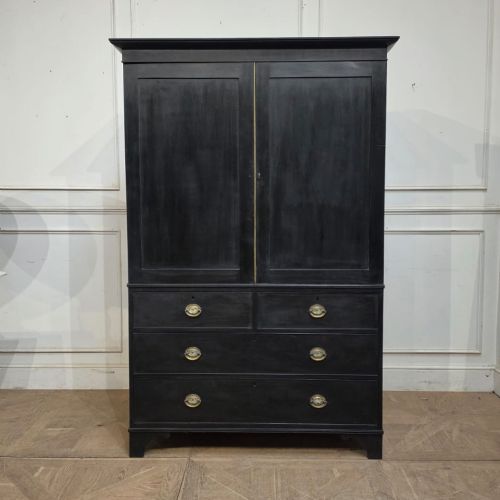
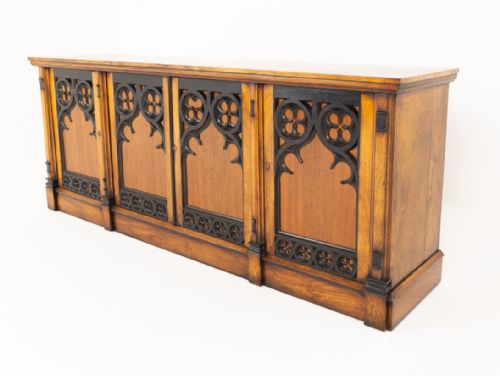


Victorian Ebonised Storage Cabinet
A victorian ebonised storage cabinet brings dark, polished wood and striking inlay into a room, offering both display space and enclosed storage.
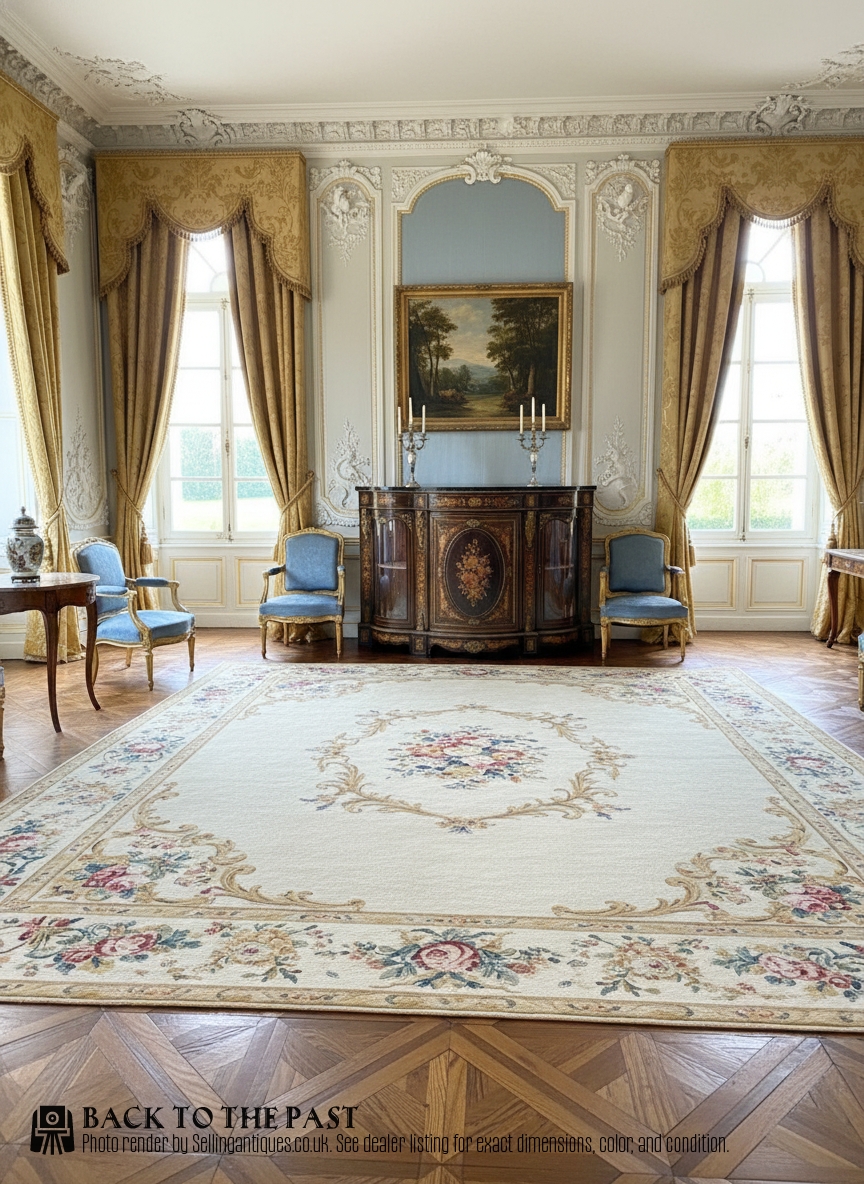
Victorian Ebonised Storage Cabinet
A victorian ebonised storage cabinet is a nineteenth-century piece designed to hold household items while presenting a dark, simulated ebony finish to the room. The selection here spans side cabinets, music cabinets, credenzas, and linen cupboards dating from eighteen-fifty to nineteen-hundred.
Buyers will most frequently encounter variations incorporating burr walnut, boxwood inlay, and brass mounts alongside the ebonised surfaces. These pieces draw on styles such as the Aesthetic Movement, Gothic Revival, and Renaissance Revival.
The form ranges from tall chests and corner units to low credenzas topped with marble. Each version serves a specific domestic function, from storing sheet music to holding linen or displaying decorative objects.
Materials and construction
Makers of a victorian ebonised storage cabinet typically used a foundational timber such as walnut or oak, treating the exterior to achieve a deep, black ebonised finish. This dark surface provided high contrast for delicate boxwood inlay, floral marquetry, and gilt-metal mounts.
Many examples incorporate glazed doors, glass panels, and marble tops to elevate the utility and visual weight of the furniture. Brass hardware, porcelain mounts, and fine joinery secure the internal shelving and fitted compartments.
Listings feature pieces spanning from eighteen-fifty to nineteen-hundred, incorporating materials such as ebonised wood, burr walnut, boxwood inlay, marble, and ormolu.
Assessing quality in ebonised cabinets
The distinction between standard production and the finest work lies in the execution of the decorative elements. Crisp boxwood inlay, precise floral marquetry, and well-cast ormolu or gilt-metal mounts elevate a piece above simpler designs.
Cabinetmaking standards reveal themselves in the stability of the ebonised finish, the thickness of the marble top where present, and the integration of secondary timbers like burr walnut. Original hardware and fitted interiors also distinguish higher-tier examples.
Henry Ogden & Son
The Victorian Ebonised Storage Cabinet Glossary
- Ebonised Wood
- Timber treated with a dark stain or finish to imitate ebony. This dark surface became popular in nineteenth-century furniture design for its sharp contrast.
- Marquetry
- Decorative patterns formed by inserting pieces of wood into a veneer. Craftsmen used this technique to create floral and geometric designs on cabinet doors.
- Ormolu
- Gilt bronze mounts applied to furniture for decoration. These metal details accent the corners, doors, and pediments of high-status pieces.
- Pier Cabinet
- A narrow cabinet designed to fit against the wall space between windows. These pieces often feature glass doors for displaying porcelain and small objects.
- Aesthetic Movement
- A nineteenth-century design style emphasising visual beauty over narrative or moral function. Cabinets from this movement often utilise ebonised finishes and Japanese-inspired motifs.
Victorian Ebonised Storage Cabinet: Frequently Asked Questions
What is a victorian ebonised storage cabinet?
A victorian ebonised storage cabinet is a nineteenth-century piece of furniture featuring a dark, ebonised wood finish designed for domestic storage and display.
These pieces include side cabinets, credenzas, and music cabinets adorned with inlay, brass, and glass.
How do I date a victorian ebonised storage cabinet?
Dating relies on stylistic clues such as Aesthetic Movement motifs, Gothic revival elements, or Renaissance revival details. The presence of specific woods like burr walnut alongside ebonised surfaces also points to the middle and late nineteenth century.
Construction methods, such as hand-cut dovetails and fitted interiors, help confirm the period of manufacture between eighteen-fifty and nineteen-hundred.
Where were these cabinets used in a home?
These cabinets served multiple rooms, functioning as sideboards in dining areas, music cabinets in parlours, and linen cupboards in private chambers.
Glass-fronted pier cabinets were typically placed in drawing rooms to display decorative porcelain and treasured objects.
How do I care for an ebonised finish?
Maintaining an ebonised wood surface requires gentle dusting with a soft, dry cloth and avoiding harsh chemical cleaners that can strip the dark finish.
Keep the cabinet away from direct sunlight and dramatic humidity changes to protect the underlying timber and any delicate boxwood inlay.