



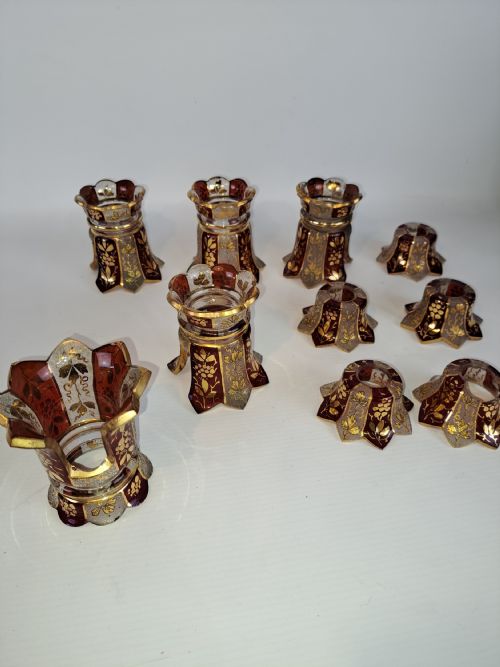


Victorian Floral Etched Glass
Victorian floral etched glass combines delicate botanical decoration with nineteenth-century craftsmanship, making it a desirable addition to period interiors.
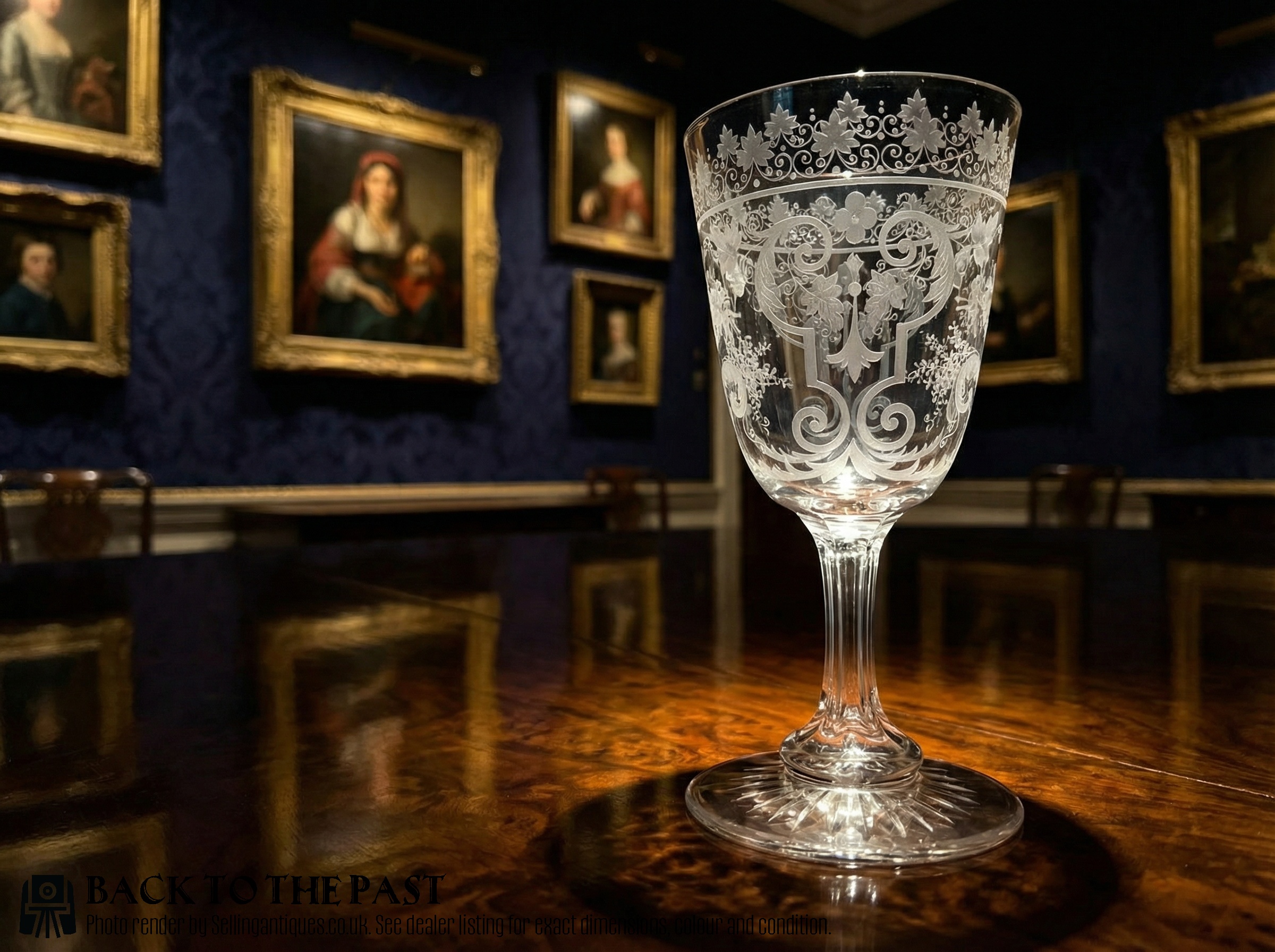
Victorian Floral Etched Glass
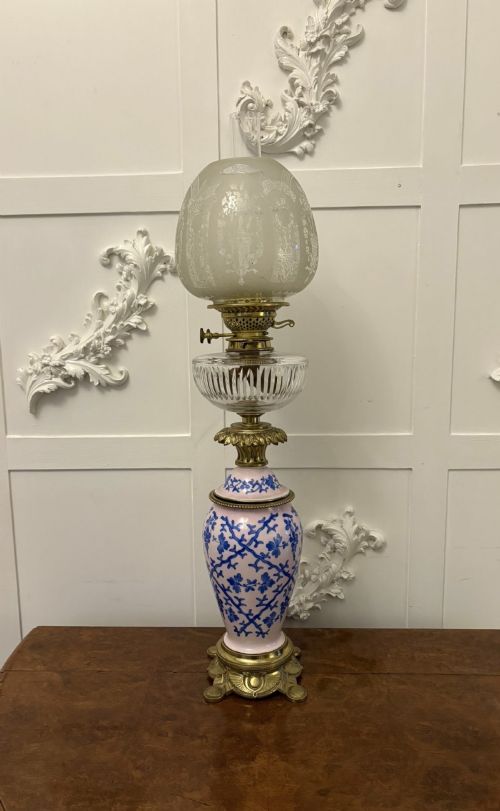
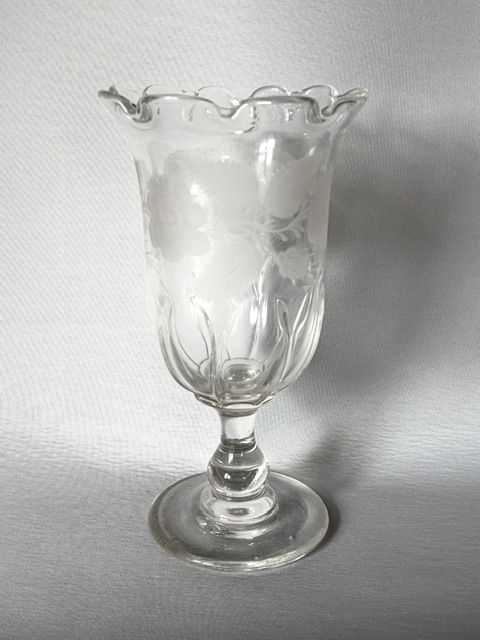
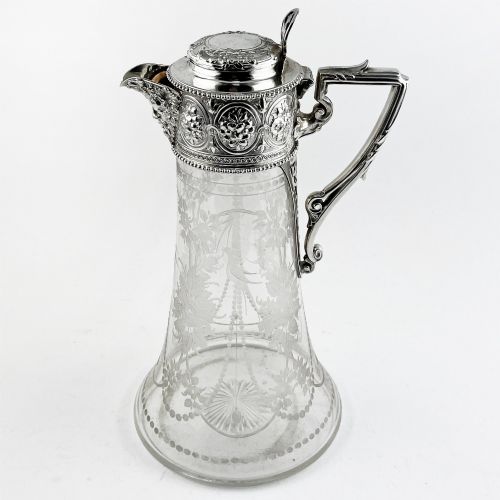
Victorian floral etched glass encompasses domestic tableware, lighting components, and decorative mirrors originating across the nineteenth century and into the Edwardian period. Buyers searching this phrase encounter items ranging from oil lamp shades and decanters to pedestal bowls, celery vases, and sets of wine glasses.
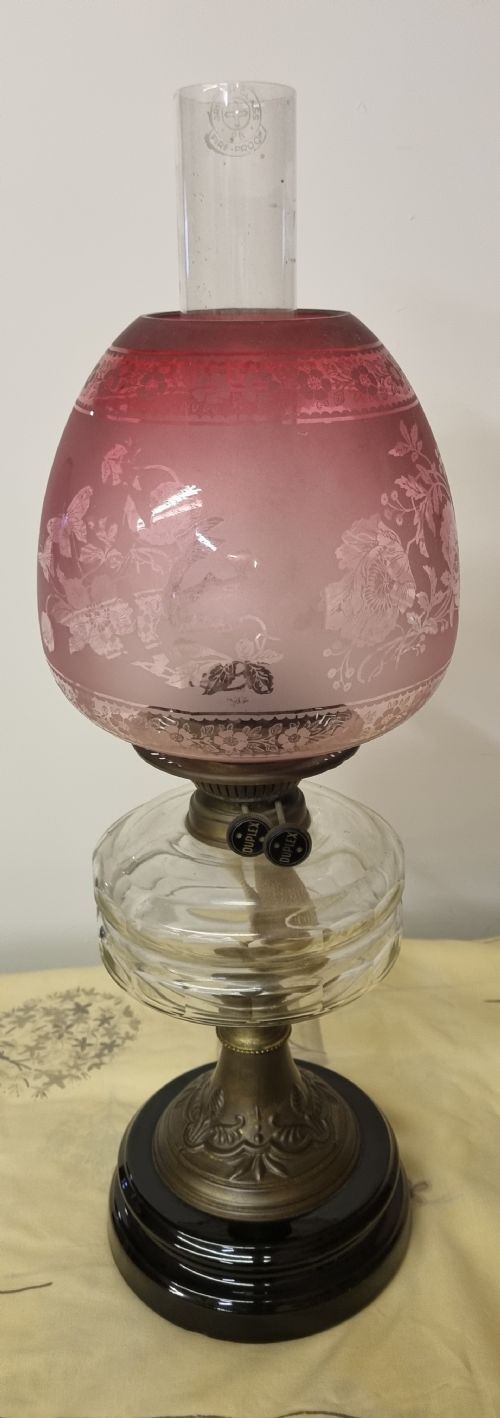
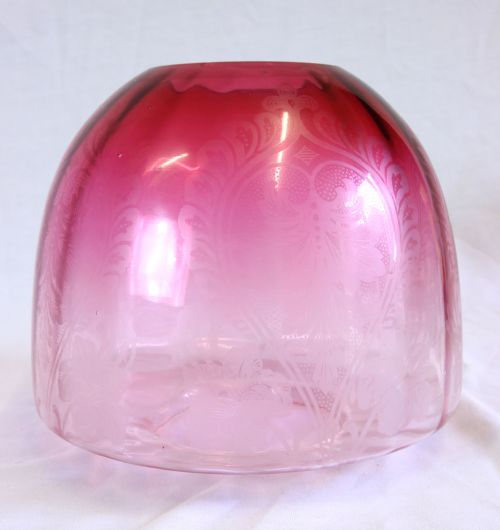
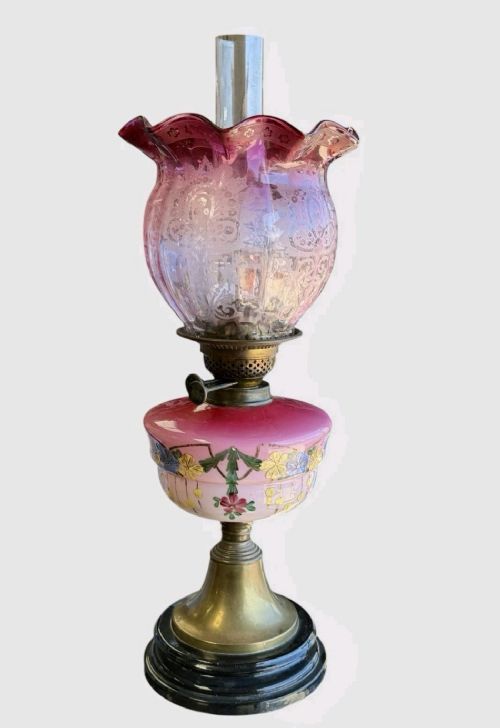
The version most commonly met on this page is the functional household vessel or lighting shade, often rendered in clear, cranberry, or green glass. These pieces reflect the varied stylistic influences of the era, including Venetian and Art Nouveau designs alongside traditional British domestic forms.
Materials and Techniques
Makers utilised glass, lead crystal, and coloured variants such as cranberry and pale green glass, frequently combining them with brass, sterling silver, porcelain, or wood mountings. Coloured glass production involved specific mineral additives during melting to achieve the characteristic deep hues seen in lamp shades and tableware.
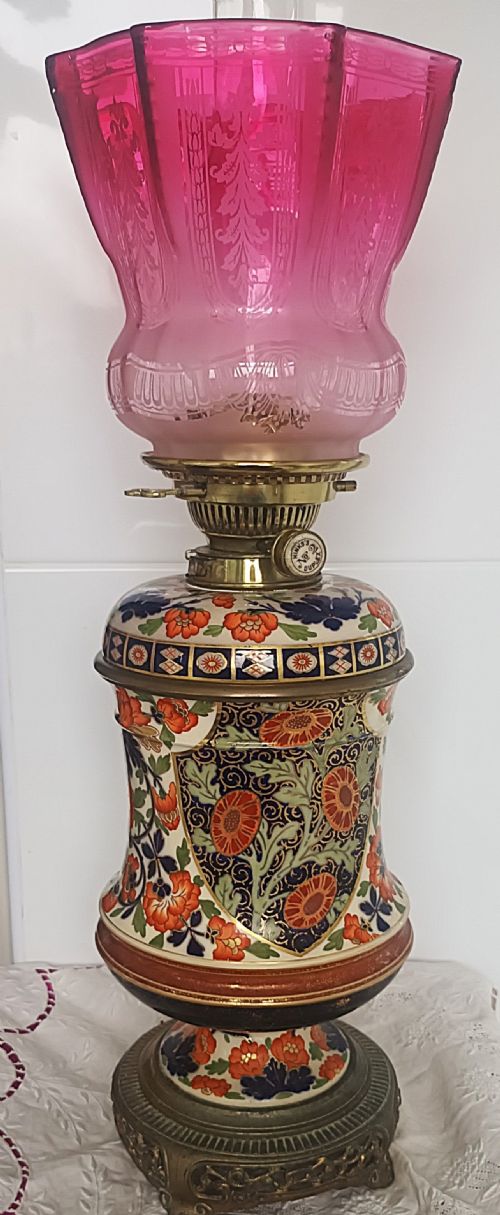
Decoration relied on wheel-cutting, etching, and engraving techniques to create floral motifs across the surface of the vessels and mirrors. Artisans applied acid-etching or abrasive wheel work to delineate botanical details, sometimes supplementing the design with hand-painted highlights or gilding.
Materials documented across the inventory include glass, brass, cranberry glass, etched glass, wood, lead crystal, clear glass, and porcelain.
Standards of Quality
The distinction between standard domestic wares and finer examples rests upon the crispness of the wheel-cut or etched floral detail and the clarity of the underlying glass. Superior items display deep, cleanly articulated engraving where the botanical motifs possess clear definition and balance across the object.
Proportion and weight also indicate quality, particularly in pedestal bowls, wine glasses, and heavy decanters where stable geometry and substantial lead crystal enhance the tactile experience. Finer lighting shades demonstrate even saturation in coloured glass and precise execution of frilled or shaped rims.
Baccarat·Taylor Tunnicliff·Hinks
The Victorian Floral Etched Glass Glossary
- Etched glass
- Glass decorated by exposing unprotected areas to acid to eat away the surface into a design. This technique allows for fine, detailed floral patterns that contrast with the smooth, unetched background.
- Cranberry glass
- A rich red transparent glass coloured with gold chloride during the manufacturing process. It appears frequently in nineteenth-century oil lamp shades and drinking vessels.
- Celery vase
- A tall, upright vessel historically used to hold and display celery on the dining table during the Victorian period. These pieces often feature cut or etched decoration towards the upper rim.
- Rummer
- A large, heavy-stemmed drinking glass popular in the nineteenth century for ale or wine. Examples frequently exhibit cut facets and engraved botanical ornament.
- Pedestal bowl
- A shallow or deep bowl raised upon a central foot or base. Victorian iterations often combine cut crystal bodies with intricate floral acid-etching.
Victorian Floral Etched Glass: Frequently Asked Questions
How were Victorian floral etched glass items used?
These pieces served practical roles in nineteenth-century households, functioning as lighting shades, decanters for wine and spirits, and tableware for formal dining. Tableware items like wine glasses and celery vases were integrated into daily meals and social gatherings.
Decorative elements such as wall mirrors and ewes added aesthetic value to domestic interiors. Their utility was matched by their decorative presence in Victorian parlours and dining rooms.
How do I identify a Victorian oil lamp shade?
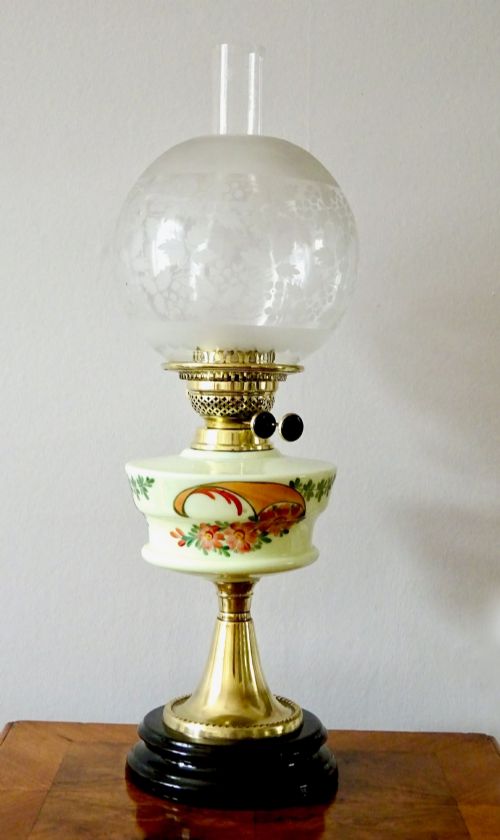
Victorian oil lamp shades often feature characteristic forms such as frilled rims, globular profiles, or tulip shapes designed to fit standard burner galleries. They frequently appear in coloured glass varieties including cranberry, pale green, and clear lead crystal.
Many examples incorporate hand-painted details or etched floral motifs to diffuse light softly. Examining the fitter rim for original manufacturing marks or rough pontil scars helps confirm period origin.
What is the difference between cut glass and etched glass?
Cut glass involves grinding deep facets and patterns into the material using mechanical abrasive wheels, resulting in heavy, light-refracting surfaces. Etched glass utilises acid or light abrasion to create shallower, finely detailed surface patterns without deep incisions.
Victorian pieces frequently combined both techniques, using heavy cut facets for structural brilliance and delicate acid-etching for intricate botanical borders.
How should I care for antique glass?
Antique glass requires gentle hand washing in warm water with mild detergent, avoiding sudden temperature changes that can cause thermal shock and cracking. Soft cloths and non-abrasive sponges prevent scratching the historic surface.
Items with sterling silver mounts, gilding, or reverse-painted sections need particularly careful handling to protect the secondary materials from moisture damage.
How can I distinguish Victorian glass from later reproductions?
Period nineteenth-century glass typically exhibits characteristic manufacturing traits such as pontil marks on the base where the item was snapped off the blowpipe. The weight, consistency of the glass metal, and hand-finished detailing offer clues to genuine age.
Stylistic markers like specific Victorian botanical motifs and traditional mounting metals such as brass or sterling silver further assist in period attribution.