



Victorian Floral Ceramic Tray
A victorian floral ceramic tray brings painted blooms and glazed earthenware onto the table or sideboard with genuine nineteenth-century character.
Victorian Floral Ceramic Tray
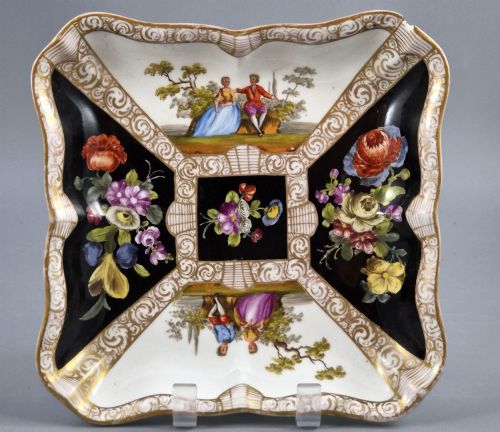
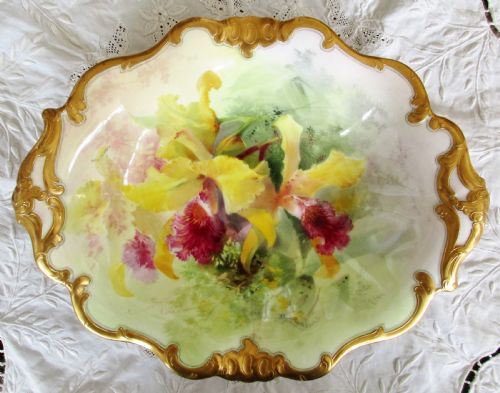
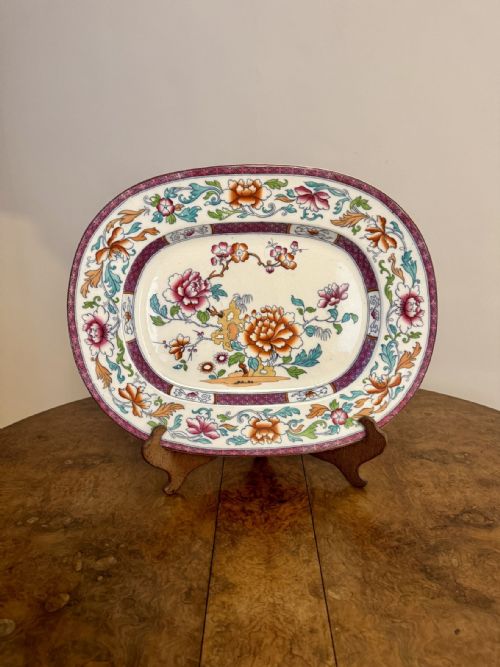
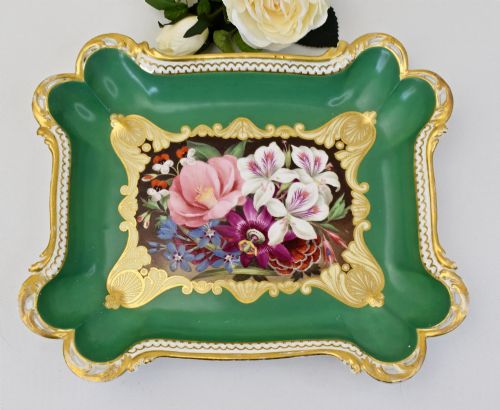
A victorian floral ceramic tray spans serving platters, cabinet dishes, and rectangular trays decorated with botanical motifs and floral sprays. These pieces emerge from periods across the nineteenth century and early twentieth century, including Victorian and Edwardian eras.
Makers and factories represented on this page range from Royal Doulton and Minton to Royal Worcester and Meissen. Forms vary from meat platters and game plates to shell dishes and breakfast sets, often finished with gilt edges or brass mounts.
Materials and Technique
Potters shaped these objects from porcelain, earthenware, and ironstone, applying detailed blue and white transfer printing or hand-painted enamel botanical scenes. Many examples incorporate delicate glaze effects such as blush ivory alongside hand-applied gold leaf or gilt accents.
Certain serving trays and platters integrate structural elements like brass bases or brass mounts to support the ceramic body. Firing techniques of the period produced durable earthenware and refined porcelain capable of sustaining intricate polychrome decoration.
Victorian Floral Ceramic Tray Retail Price Guide 2026
Typical asking prices for victorian floral ceramic tray among the pieces listed under this phrase on Sellingantiques today, from the lower quarter to the upper quarter. They describe what is for sale here now, not the wider market.
Listings feature porcelain, earthenware, and ironstone across Victorian, Edwardian, and Aesthetic Movement styles.
Assessing Quality
Quality rests upon the crispness of the transfer print or the delicacy of hand-painted floral sprays by named artists. Superior pieces display refined porcelain bodies and rich, unrubbed gilding that remains bright across the surface.
The sophistication of the ceramic body, whether robust ironstone or translucent porcelain, dictates the calibre of the dish. Maker attribution and well-preserved enamel colours further separate standard utilitarian platters from high-status cabinet pieces.
Doe & Rogers·Royal Doulton·Royal Worcester·Royal Crown Derby·Elkin Knight & Bridgwood
The Victorian Floral Ceramic Tray Glossary
- Cabinet dish
- A decorative ceramic plate intended for display rather than table service. These pieces frequently feature intricate hand-painted botanical studies or scenic views.
- Ashet
- A Scottish and northern English term for a large serving platter or meat dish. They form part of nineteenth-century dining services.
- Blush ivory
- A soft, cream-coloured ceramic ground developed by Royal Worcester. It mimics the warmth of ivory and provides a background for floral sprays.
- Ironstone
- A heavy, durable type of earthenware patented in the nineteenth century. It resists chipping while offering a smooth surface for transfer-printed patterns.
Victorian Floral Ceramic Tray: Frequently Asked Questions
How were these trays used?
Victorian ceramic trays served functional roles on the dining table for meats, game, and breakfast services, or acted as decorative cabinet dishes. Wealthy households displayed finer painted porcelain pieces in cabinets rather than using them for food service.
Larger platters accommodated joints of meat and poultry, while smaller rectangular trays and shell dishes held side dishes or calling cards. Their transition from dining rooms to display spaces reflects changing domestic habits over the nineteenth century.
Are these pieces safe for food?
While many nineteenth-century platters and trays were made for dining, antique ceramics with overglaze enamels or gilt edges require careful handling. Using them for display or light decorative service preserves the painted surfaces and fragile gilding.
Modern dishwashers and harsh detergents can damage historical glazes and gold leaf. Hand washing in warm water with mild soap is recommended for antique earthenware and porcelain.
How do I date a ceramic tray?
Dating relies on maker's marks, registration numbers, and stylistic markers such as Aesthetic Movement geometry or Edwardian blush ivory finishes. Comparing the paste, whether earthenware, ironstone, or porcelain, provides further chronological clues.
Pottery marks evolved through the Victorian period, often incorporating symbols or initials that pinpoint the exact decade of manufacture. Stylistic shifts from Rococo Revival curves to clean late nineteenth-century forms also help determine age.
What is blush ivory?
Blush ivory is a specialised ceramic finish pioneered by Royal Worcester that gives porcelain a warm, matte cream appearance. It mimics natural ivory and creates a muted background for painted floral motifs.
This technique became extremely popular during the late Victorian and Edwardian periods for decorative cabinet pieces. It pairs distinctive pastel tones with raised gilt detailing.