
Victorian Fireplace Irons
Victorian fireplace irons are essential hearth hardware forged from brass and steel, bringing period character and functional utility to traditional fireplaces.
Victorian Fireplace Irons
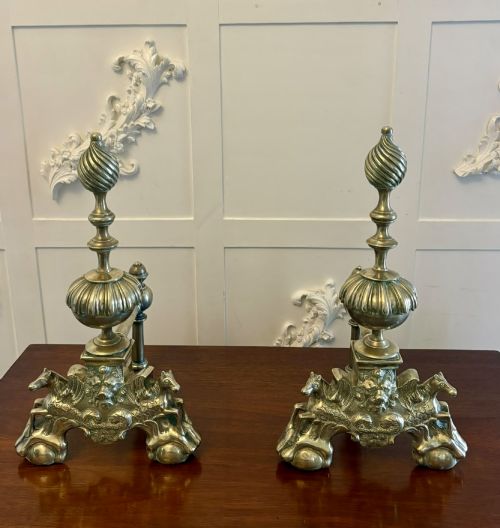
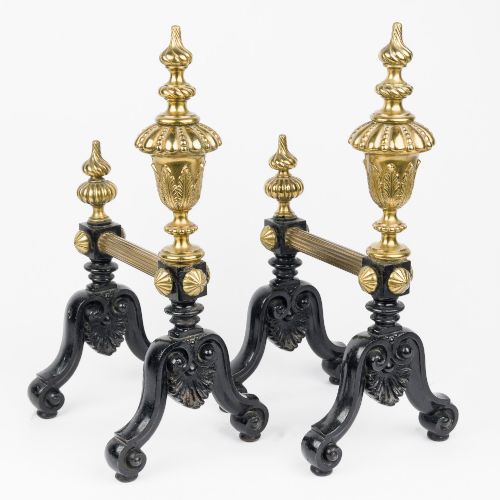
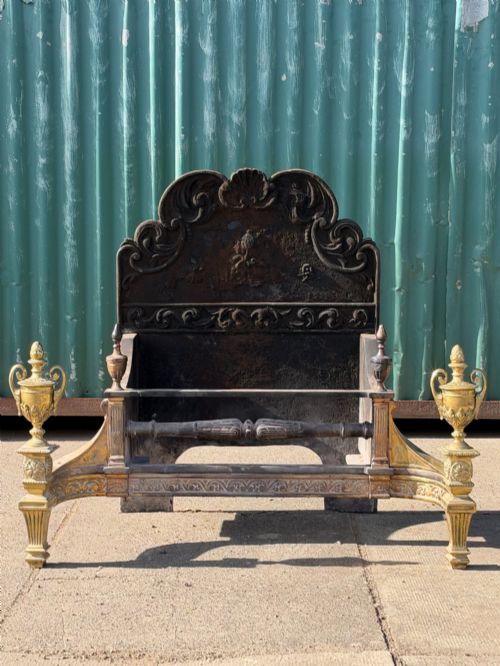
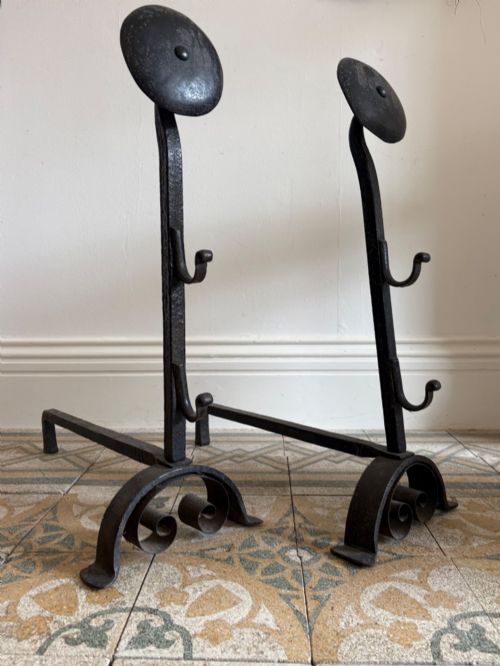
When searching for victorian fireplace irons, collectors encounter matched tool sets alongside companion sets, pokers, tongs, and shovels fashioned during the nineteenth century. These items were designed for tending coal and wood fires within domestic hearths, often accompanied by matching fenders, fire dogs, and andirons.
The pieces appearing most frequently on this page span the Victorian period, the late nineteenth century, and the early twentieth century. English country house and Gothic Revival styles dominate the selection, alongside items exhibiting Arts and Crafts or French rococo design influences.
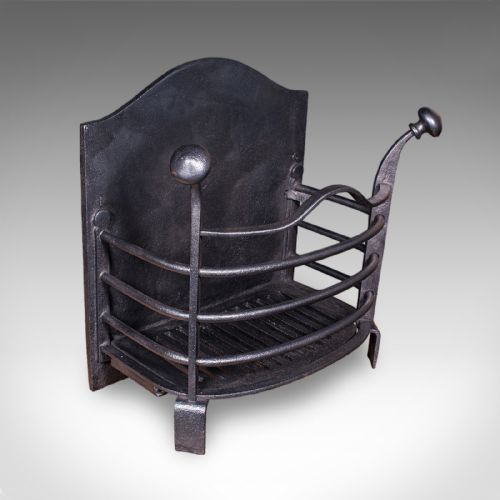
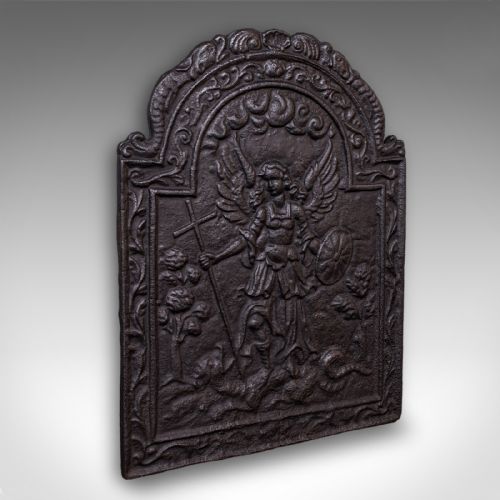
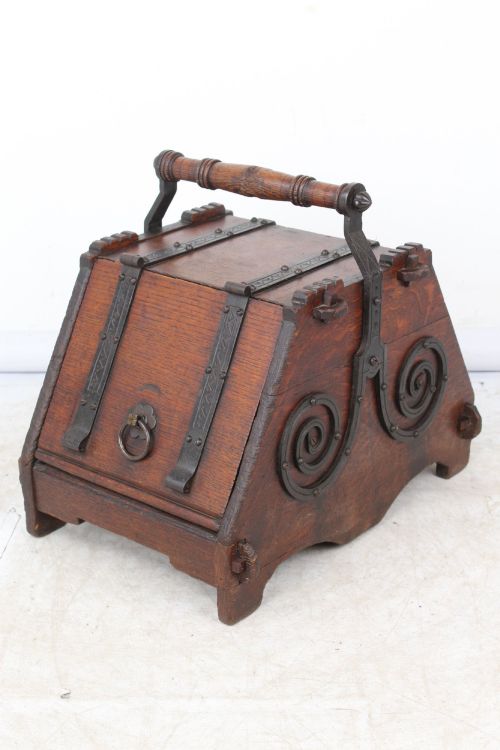
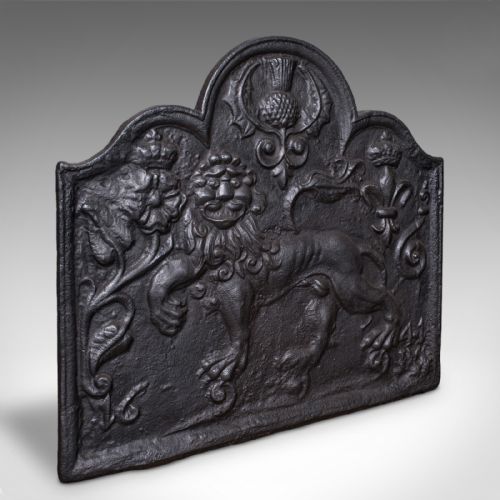
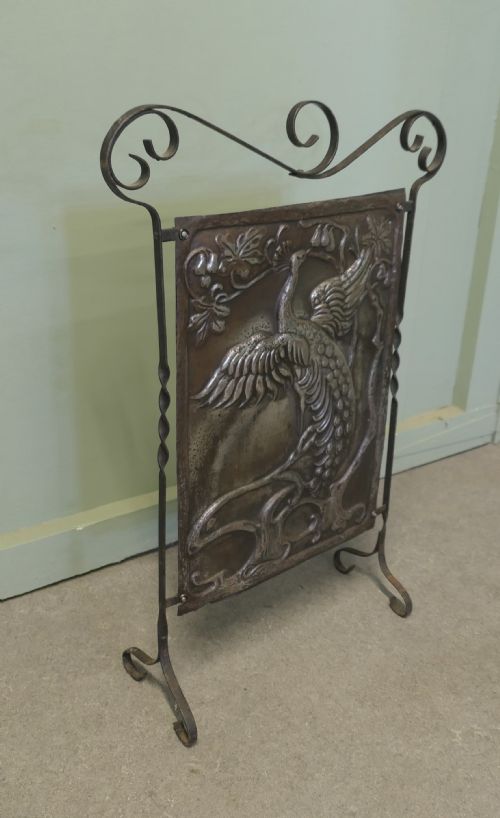
Beyond standard tool sets, the listings include related hearth furniture such as fire screens, coal scuttles, and fire backs. Brass and cast iron form the core of these objects, frequently paired with steel for strength during daily fireside use.
Materials and construction methods
Makers utilised cast iron, wrought iron, and steel for structural components and working tools, relying on forging and casting techniques suited to high heat. Brass appeared extensively for decorative finials, handles, and fender rails, either cast in solid form or polished to a bright finish.
Copper and wire mesh occasionally supplemented iron and brass in items like fire screens and coal buckets, with riveted construction providing durability. Polished steel and gun metal were applied to companion sets to resist the pitting and wear associated with active hearth maintenance.
Listings feature periods from the early nineteenth century through the Arts and Crafts era, dominated by brass, cast iron, and wrought iron.
Distinctions in craftsmanship and design
Quality rests upon the integrity of the metalwork, distinguishing heavy forged steel and solid cast brass from lighter stamped or plated substitutes. Superior tool sets display balanced weight, robust joints, and detailed hand-finishing on handles and finials.
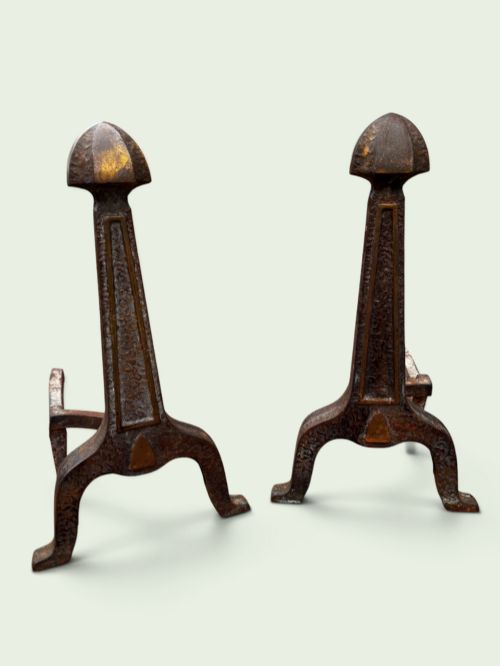
Design ambition separates standard utilitarian implements from pieces bearing distinct stylistic markers like Gothic tracery, Arts and Crafts hand-hammering, or specific maker attribution. The harmony between the irons and their matching fenders or andirons indicates the original scale of commission.
Christopher Dresser·Coalbrookdale
The Victorian Fireplace Irons Glossary
- Andirons
- Supporting metal bars placed horizontally in a fireplace to raise logs for better air circulation. They often feature decorative vertical fronts visible outside the hearth opening.
- Companion set
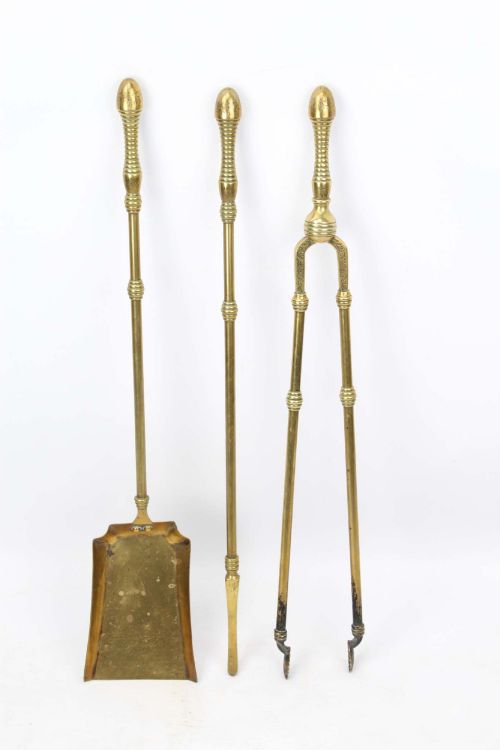
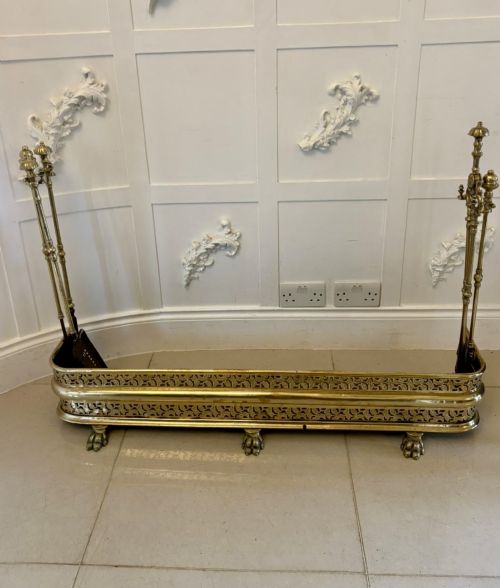
- A matched group of fireside tools typically including a poker, tongs, and shovel arranged on a shared stand. These sets emerged as standard Victorian hearth accessories.
- Fire back
- A heavy iron plate placed at the back of a fireplace to protect the masonry and reflect heat into the room. Many bear decorative relief mouldings.
- Fender
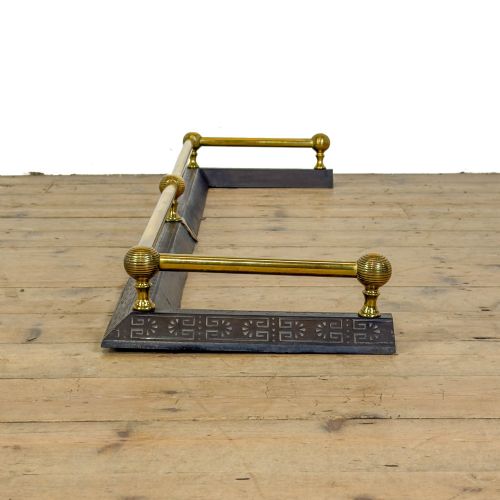
- A low metal guard placed on the hearth floor in front of the fireplace to contain sparks and rolling embers. They are frequently constructed from brass or iron.
- Fire screen
- A decorative barrier placed before the fireplace when not in use, constructed from iron, copper, or stained glass. They often incorporate folding panels or mesh guards.
Victorian Fireplace Irons: Frequently Asked Questions
What is included in a companion set?
Companion sets typically comprise a poker, a pair of tongs, and a shovel designed to manage burning fuel. These implements hang from a dedicated stand or rest against a matching tool rack beside the hearth.
In Victorian examples, these tools were cast or forged from brass, steel, or iron to match the surrounding fire fenders and andirons.
How do fire dogs differ from andirons?
Fire dogs and andirons are essentially terms for the same heavy metal supports used to hold logs off the fireplace floor. The term fire dog is frequently applied to older English wrought iron or cast iron varieties.
Both serve to elevate wood for improved airflow while presenting an ornamental front facing into the room.
Were these irons used with coal or wood?
Victorian fireplace irons served both coal and wood fires, depending on the grate and hearth configuration of the room. Pokers and shovels were particularly vital for managing coal combination fireplaces and fire baskets.
Heavier wrought iron tools were better suited to large timber logs in inglenook fireplaces, while slender brass and steel sets suited smaller formal grates.
How do I identify a Victorian iron?
Victorian fireplace irons display characteristic period styles such as Gothic Revival, Arts and Crafts, or Aesthetic Movement detailing. Materials commonly include solid cast brass, polished steel, and heavy wrought iron bearing signs of hand forging.
Construction methods often rely on traditional riveting, hand-turning, and casting rather than modern welding or stamped assembly.