


Victorian Fireguard
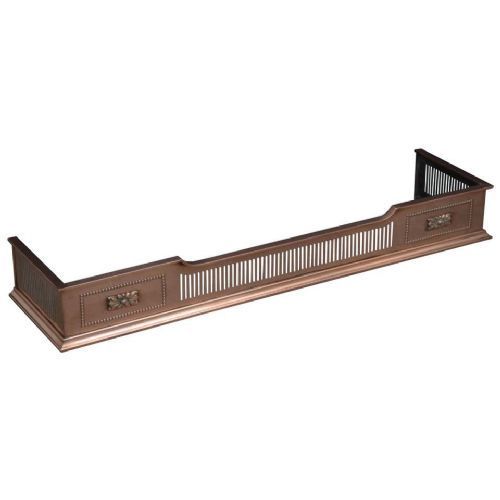
A victorian fireguard protects a room from sparks and coal while adding period character to a hearth.
Victorian Fireguard
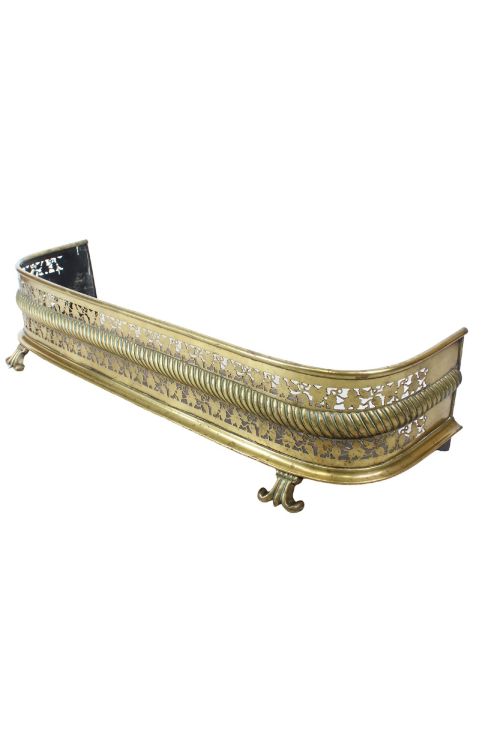
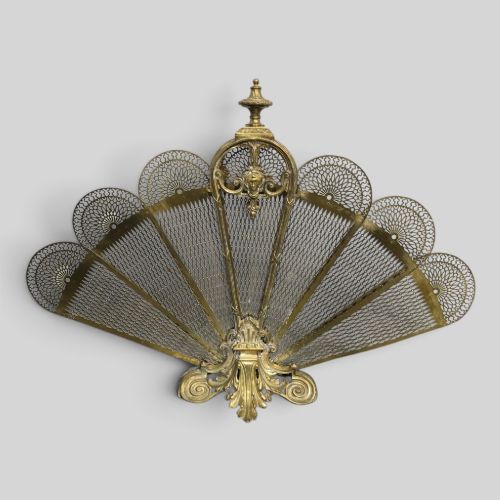
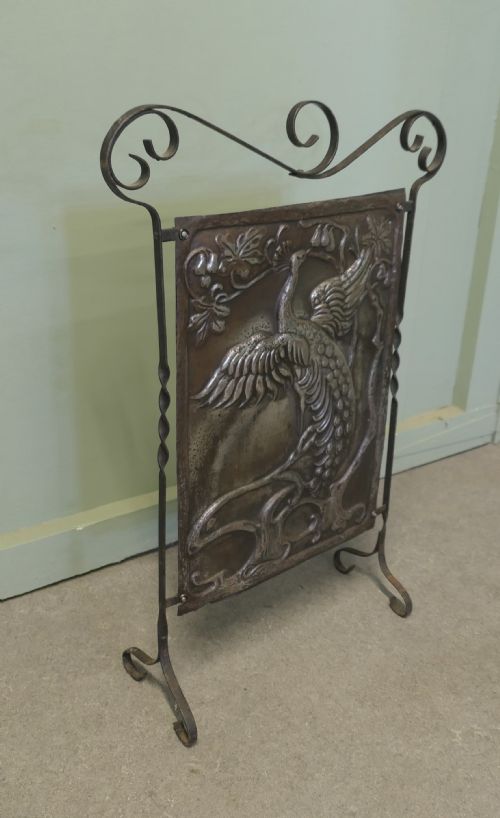
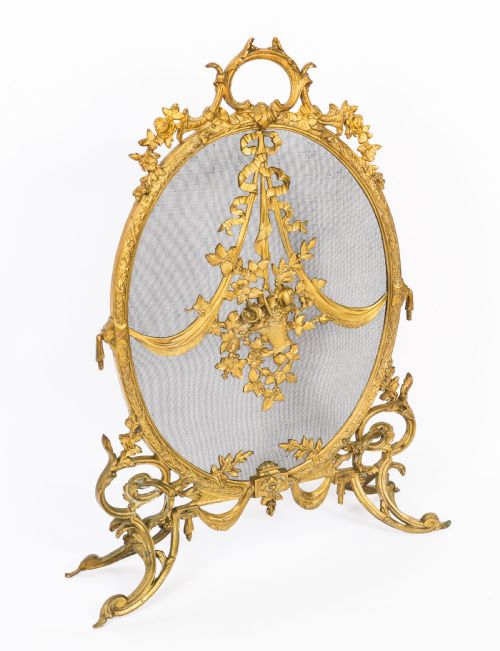
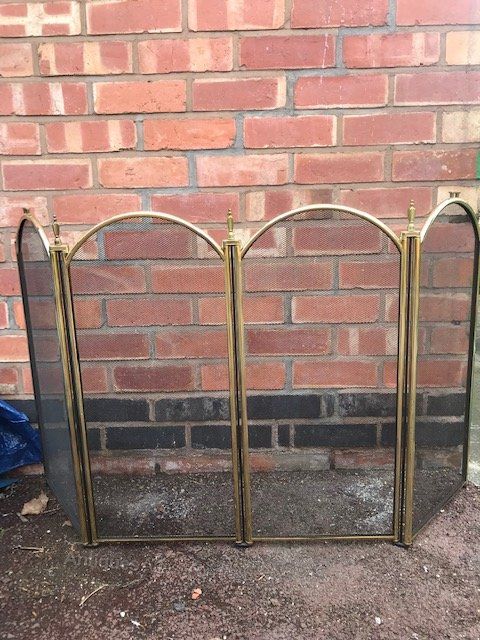
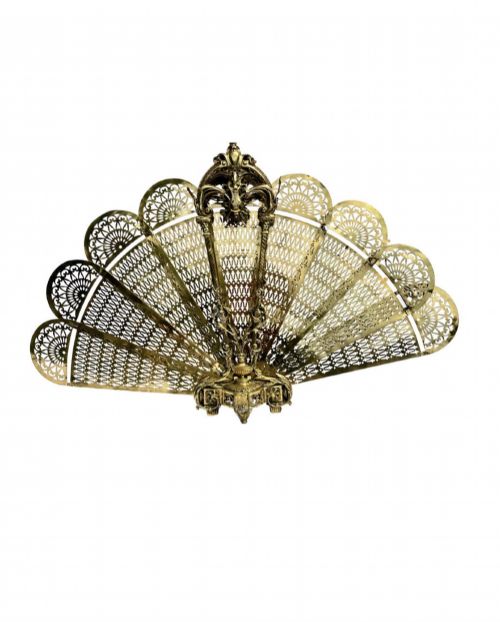
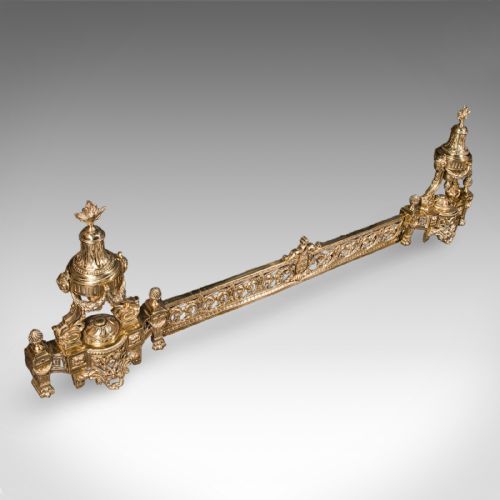
A victorian fireguard encompasses various hearth protections, from folding mesh guards and nursery fenders to decorative screens. Buyers find items spanning the nineteenth century alongside related pieces in Regency and Arts and Crafts styles.
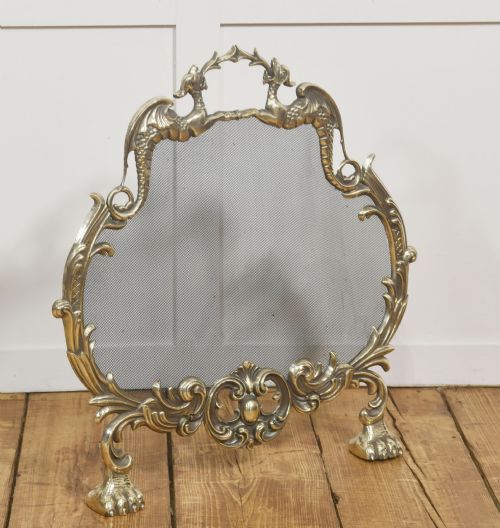
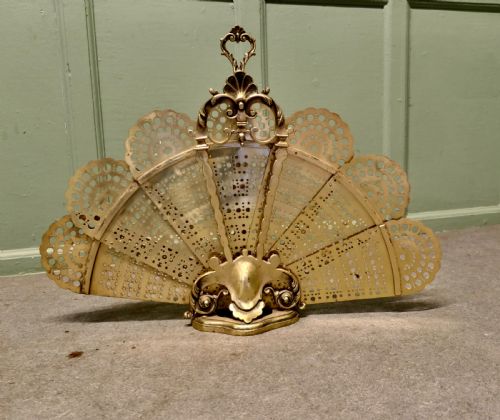
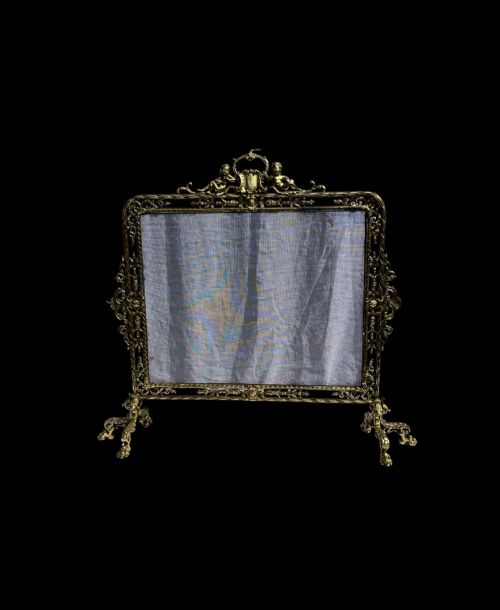
The most common examples on this page are brass fire screens and wire mesh nursery guards. These objects range from simple iron frames to elaborate folding panels with textile inserts.
Materials and Technique
Metalworking dominates these pieces, utilising brass, wrought iron, copper, and steel. Artisans shaped and pierced these metals to form rigid frames, decorative fenders, and fine wire mesh guards.
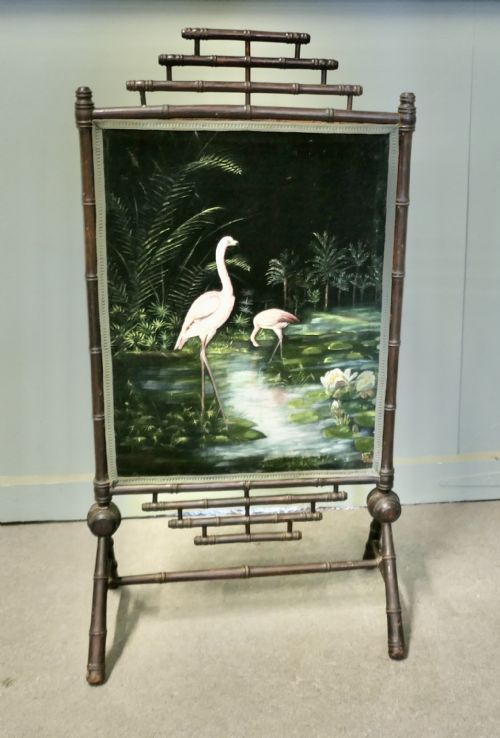
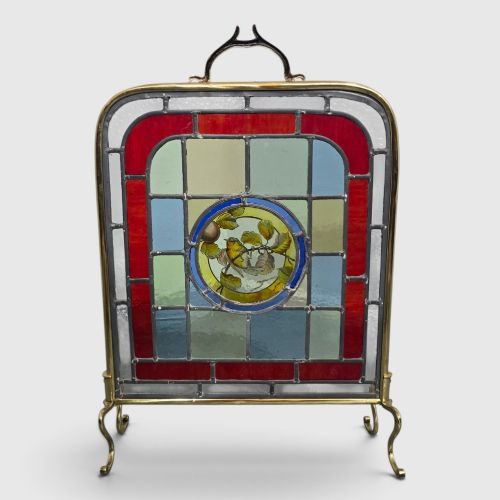
Textiles and wood appear frequently alongside metalwork. Makers set needlework, tapestry, canvas, and stained glass panels within oak, walnut, mahogany, or rosewood frames.
Design styles span Victorian, Art Nouveau, Arts and Crafts, Gothic Revival, and Rococo Revival.
Craftsmanship and Materials
Quality rests upon the weight and gauge of the metal used in the frame. Heavier brass castings and solid wrought iron denote superior construction compared to thin sheet metal.
Detailing distinguishes finer examples from utilitarian ones. Hand-chased brass, intricate pierced work, and well-executed needlepoint panels elevate an ordinary spark guard into a decorative focal point.
The Victorian Fireguard Glossary
- Nursery fender
- A tall metal guard placed around a fireplace to keep children away from flames and hot coals. These tall structures often include wire mesh and sturdy iron frames.
- Pole screen
- A vertical screen mounted on a freestanding pole that shields a person's face from the direct heat of a fire. The panel usually adjusts in height along the central shaft.
- Pierced brass
- Metal sheet perforated with decorative cut-out patterns. This technique allows heat and light to pass through while containing embers.
- Needlepoint
- Stitched textile work stretched across wooden frames for decorative fireplace screens. These panels display botanical or figurative embroidery.
Victorian Fireguard: Frequently Asked Questions
How do I use a fireguard?
Place the guard directly in front of the hearth opening to catch stray sparks. Folding screens expand to cover wider hearths.
Nursery fenders encircle the entire fireplace area to maintain a safe distance. Ensure the base sits firmly on the floor surface.
What is the difference between a fender and a screen?
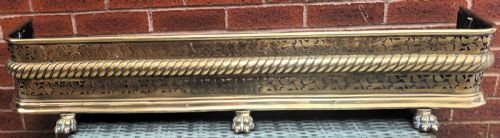
A fender sits flat on the hearth around the base of the fire to contain logs and ash. These items often incorporate low brass rails or decorative borders.
A screen stands upright to block radiant heat and sparks from entering the room. Many designs combine both functions into a single heavy metal assembly.
How do I clean brass fireguards?
Dust the metal regularly with a soft dry cloth to prevent surface grime buildup. Avoid harsh chemical cleaners that strip historical patinas.
For stubborn tarnish, apply a gentle metal polish specifically formulated for brass. Buff the surface carefully with a clean cloth afterwards.
Are these guards safe for open fires?
Wire mesh and heavy iron designs function effectively as spark guards against open flames. The dense mesh stops flying embers from reaching carpets.
Decorative textile and glass screens serve better for closed grates or unlit hearths. Check that the frame remains stable before placing it near intense heat.