
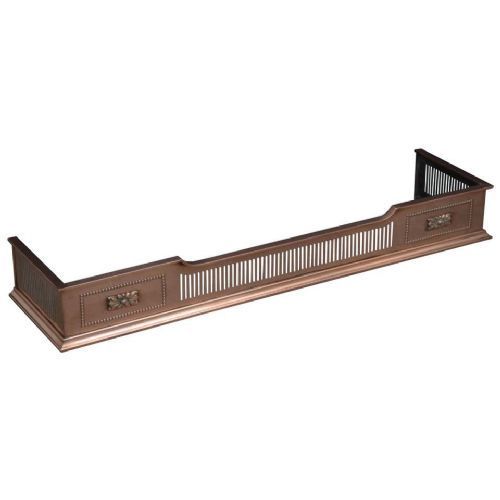

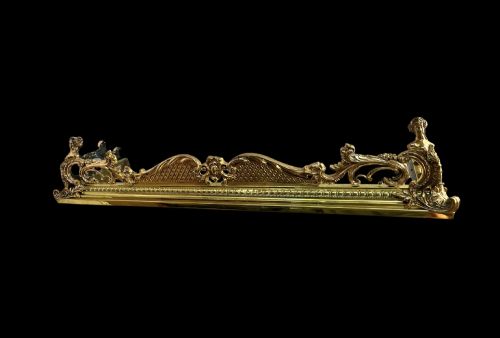
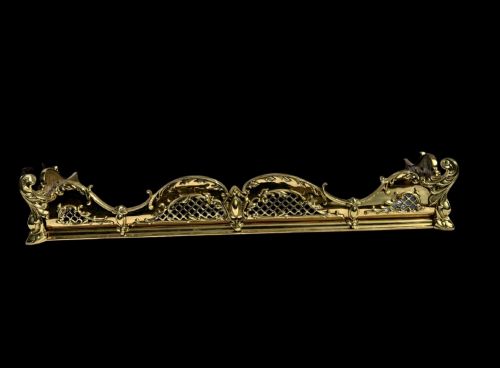
Victorian Fire Surround Curb
A victorian fire surround curb frames the hearth, and these heavy metal barriers keep stray embers in check while anchoring the room.
Victorian Fire Surround Curb
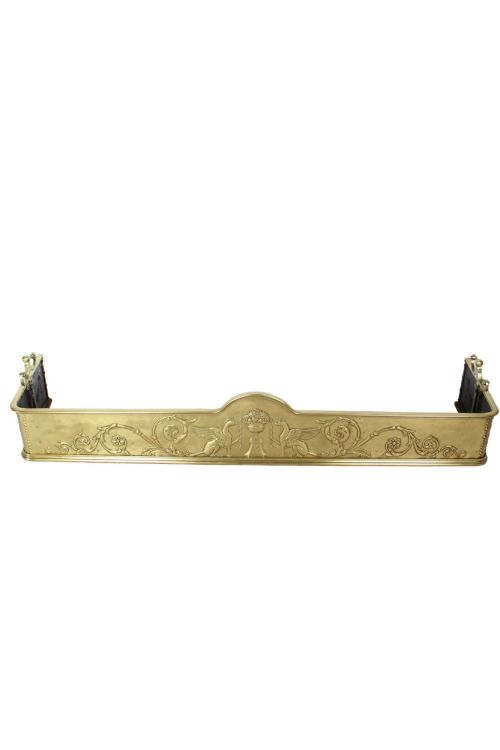
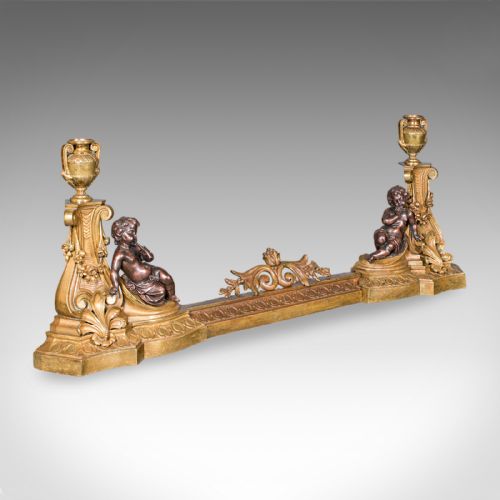
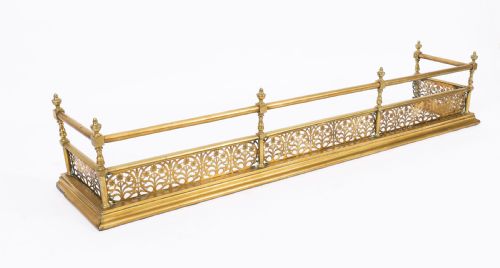
When you search for a victorian fire surround curb, you encounter functional hearth barriers designed to sit directly on the floor around a fireplace opening. These pieces emerge in various configurations, from simple low guardrails to substantial decorative frames incorporating seats or elaborate pierced metalwork.
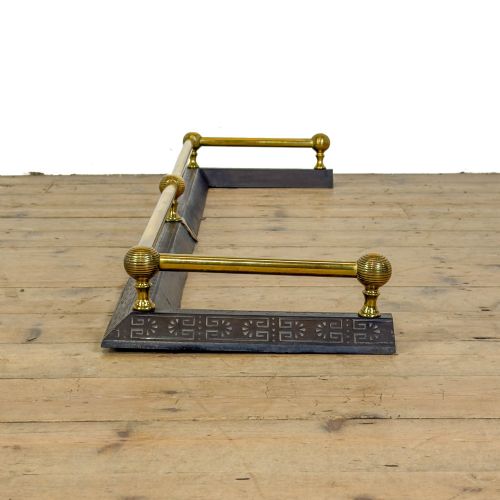
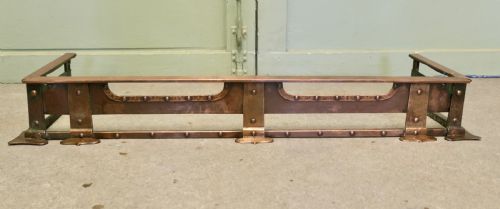
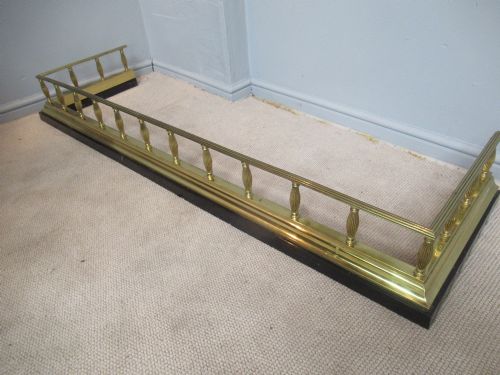
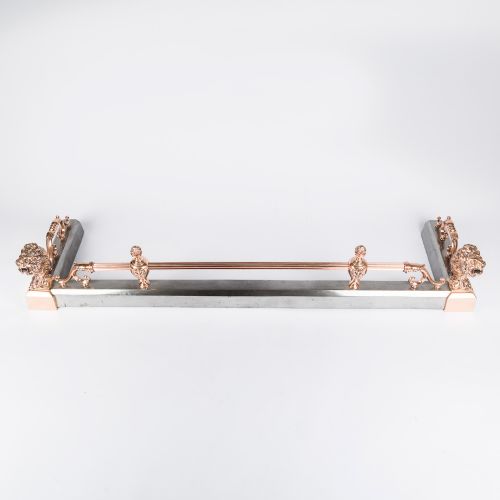
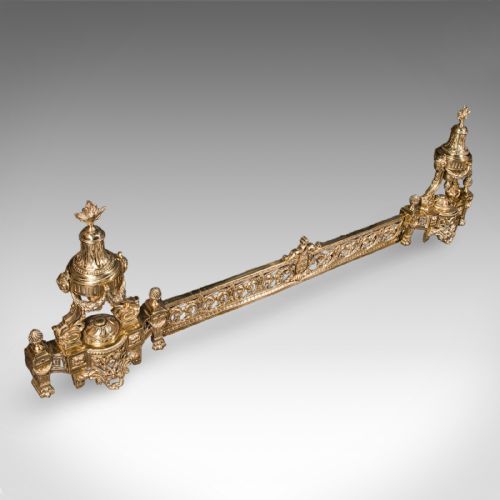
Makers shaped these items in brass, iron, steel, and copper, often applying styles such as Art Nouveau, Arts and Crafts, and Neoclassical ornamentation. Buyers select them to match period mantelpieces and complete the functional arrangement of a coal or wood-burning hearth.
Materials and construction methods
The listings record a heavy reliance on metals, notably brass, cast iron, steel, and copper. Workshops utilised casting for robust iron frames and sheet metal manipulation for beaten or riveted copper surfaces.
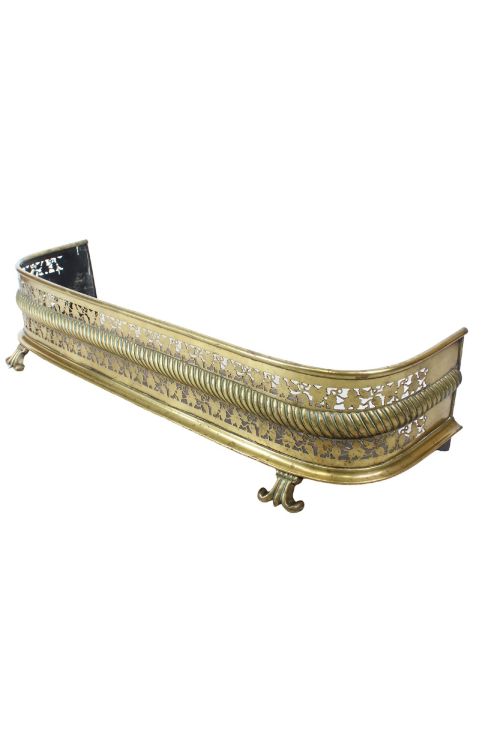
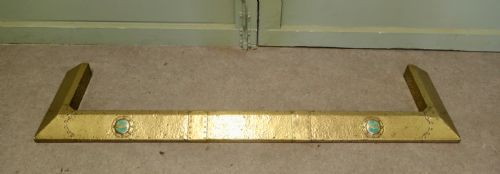
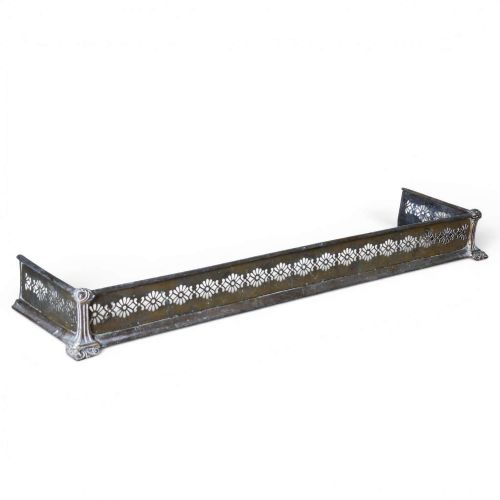
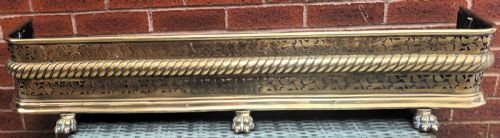
Craftsmen incorporated decorative details through piercing, embossing, and applied elements like green enamel cabochons, flower pateras, and beaded decoration. Many examples combine brass and steel components, uniting structural strength with polished exterior trim.
Some nineteenth-century makers snuck roaring lions and dragons into the metalwork, ensuring your hearth guards come with built-in mythical beasts.
Distinctions in craftsmanship
Quality separates pieces through the crispness of casting and the integrity of assembly. Superior examples display sharply defined pierced patterns and secure riveting rather than loose joints or thin, easily dented sheet metal.
The finish of the metal marks another division, where depth of polish, harmonious patination, and the retention of original decorative mounts indicate superior original manufacture and careful survival.
The Victorian Fire Surround Curb Glossary
- Fender
- A low metal guard placed in front of an open fireplace to contain falling coals and sparks. It defines the hearth boundary.
- Kerb
- An alternative spelling often used interchangeably with curb, referring to the perimeter barrier of the fireplace.
- Pierced brass
- Metal sheet perforated with decorative cut-out patterns, frequently seen on Victorian hearth furniture to lighten the visual mass.
- Patera
- A circular decorative ornament resembling a classical libation dish, often cast or stamped with floral motifs.
- Club fender
- A specialised hearth fender featuring upholstered top seats, creating a cosy bench arrangement close to the fire.
Victorian Fire Surround Curb: Frequently Asked Questions
What is a victorian fire surround curb?
A victorian fire surround curb is a heavy metal guard placed on the floor around a fireplace opening. Its primary function is to prevent burning embers from rolling onto carpets or floorboards.
Beyond safety, these metal frames finish the hearth area aesthetically, coordinating with the mantelpiece and fire irons. They range from simple rails to ornate pierced boxes.
How were these curbs used?
Householders placed the curb directly onto the hearth stone to create a clear boundary around open coal or wood fires. Some larger variations included padded leather seats for sitting close to the warmth.
They also served as a physical stop for fireplace accessories and kept stray logs or coal contained within the hearth zone.
How do I date a metal fender?
Dating relies on observing stylistic markers, construction techniques, and material combinations recorded in the piece. Arts and Crafts examples often show beaten copper surfaces and hand-riveted joints.
Victorian pieces frequently display cast brass ornamentation, neoclassical motifs, or elaborate piercing. Edwardian items tend to follow cleaner lines while maintaining traditional brass and steel construction.
Are these fenders adjustable?
Certain examples feature a sliding mechanism that allows the frame to extend or retract in width. This engineering permitted adaptation to varying hearth dimensions.
Adjustable versions remain popular for practical placement against specific fireplace openings without requiring permanent alteration.