



Pierced Metal Fireplace Curb
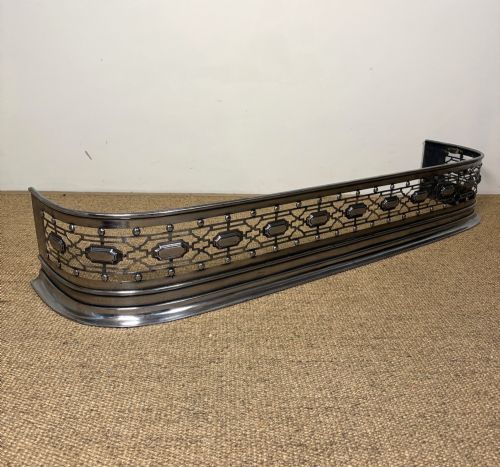
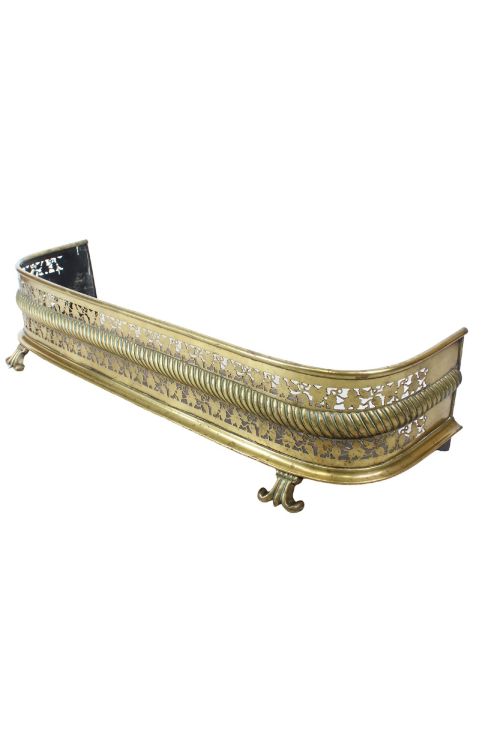
A pierced metal fireplace curb grounds the hearth with bright brass, polished steel, or dark iron.
Pierced Metal Fireplace Curb
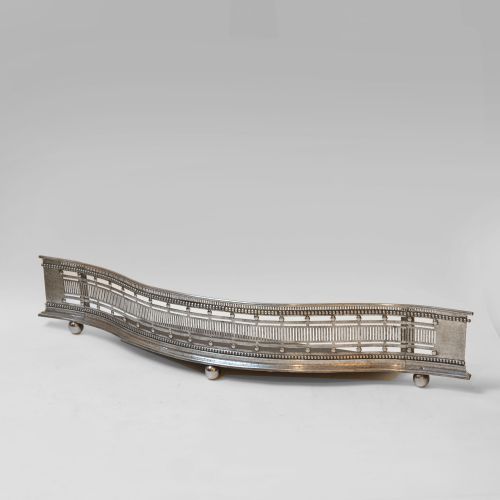
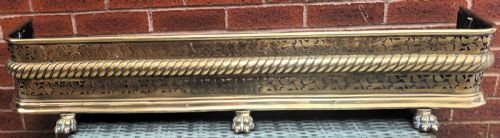
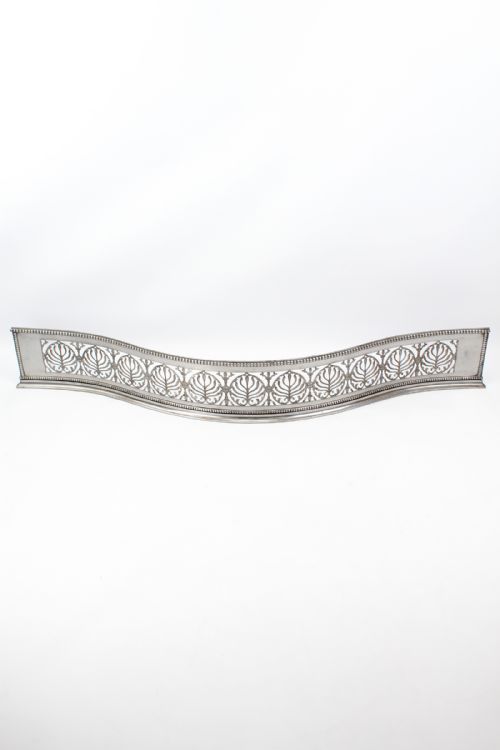
A pierced metal fireplace curb protects the room from escaping embers while framing the hearth with period detail. These guards span Georgian, Regency, and Victorian eras, taking forms such as bowfront and serpentine shapes.
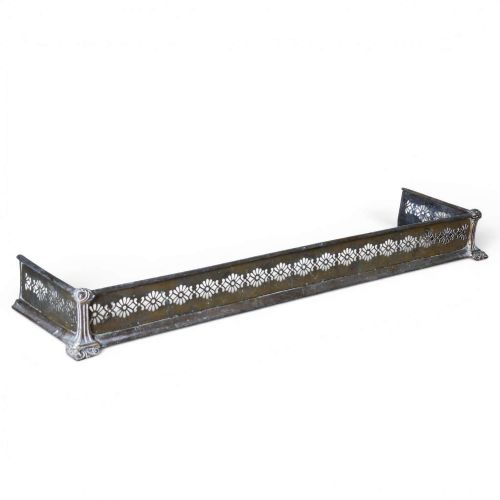
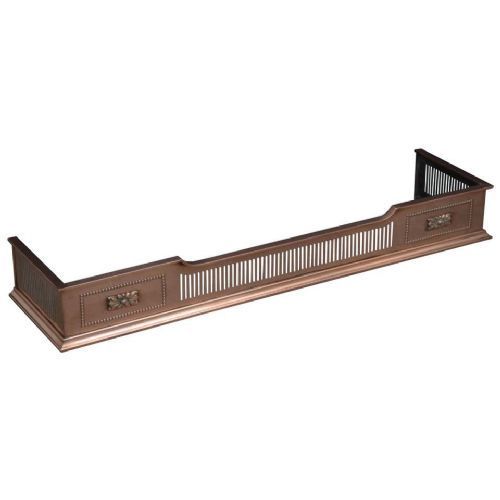
Buyers meet examples shaped from heavy brass, polished steel, and black-finished iron. Many feature pierced decorative patterns alongside applied flower patera and beaded decoration.
Makers shaped these curbs to fit standard hearth openings of the eighteenth and nineteenth centuries. They serve as both functional fire guards and striking decorative centerpieces for period fireplaces.
How they were made
Craftsmen forged and pierced sheet metals including brass, copper, steel, and iron to create intricate decorative patterns. Piercing allowed light to pass through the heavy metal while reducing its overall weight.
Makers combined brass and steel elements in single pieces, pairing bright polished surfaces with dark iron or black finishes. Detail work included engraved linear designs and applied floral motifs like flower patera.
Listings feature pieces spanning the Georgian, Regency, and Victorian periods, utilising brass, polished steel, iron, and copper.
What varies in quality
Quality rests in the weight of the metal and the crispness of the piercing work. Finer examples show sharp, clean cutting through thick brass or steel rather than shallow stamping.
The elegance of the silhouette dictates distinction, particularly in serpentine and bowfront profiles that require precise smithing. Surface patination and the integrity of applied details like flower patera also mark the grade.
The Pierced Metal Fireplace Curb Glossary
- Kerb
- An alternative spelling for a curb or fender placed around a fireplace hearth. It functions as a physical barrier to contain ash and rolling logs.
- Serpentine
- A gently curving front outline shaped in a convex and concave wave. This profile appears frequently on Georgian steel and brass hearth guards.
- Patera
- A circular ornamental bas-relief resembling a classical libation dish. These motifs often accent the corners or friezes of Victorian metal curbs.
- Bowfront
- A furniture or fender shape curving outward in a continuous arc toward the room. This form softens the hard geometry of the fireplace opening.
- Polished steel
- Iron alloy treated to create a bright, reflective metallic finish. It requires careful maintenance to preserve its sheen against fireplace dampness.
Pierced Metal Fireplace Curb: Frequently Asked Questions
How do I measure for a fireplace curb?
Measure the width and depth of your hearth stone to ensure the metal frame sits securely within the perimeter.
Take into account the clearance needed for fire tools and the projection of the fender into the room.
Can I polish antique brass curbs?
Polishing depends on whether you prefer a bright reflective shine or a deep historic patinated finish. Mild metal cleaners remove active tarnish without erasing the character accumulated over centuries.
Avoid harsh abrasives that can thin the original metal or damage pierced decorative edges.
What is the difference between a fender and a curb?
The terms are historically interchangeable, referring to the low metal barrier placed around the hearth. Regional and period preferences dictated whether makers called the piece a fender or a curb.
Both styles serve the primary purpose of containing sparks and framing the fireplace opening.
How do I date an iron or steel fender?
Dating relies on the silhouette, method of construction, and decorative motifs present on the metalwork. Georgian pieces often display restrained serpentine lines, while Victorian examples introduce industrial finishes and elaborate piercing.
Examining the underside and fastening methods also helps determine the period of manufacture.