


Victorian Style Hearth Guard
When you want a victorian style hearth guard, you are looking for functional protection built from brass, iron, bronze and wire mesh.
Victorian Style Hearth Guard
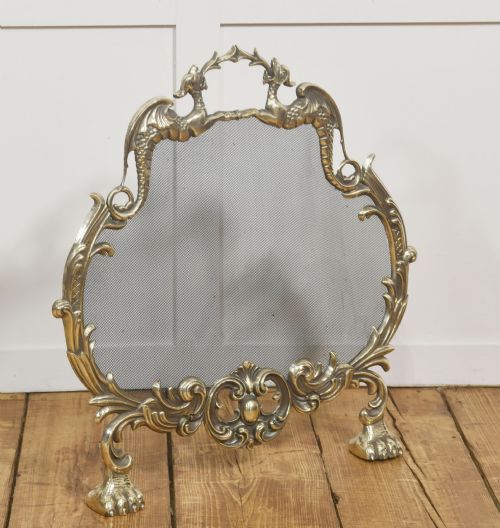
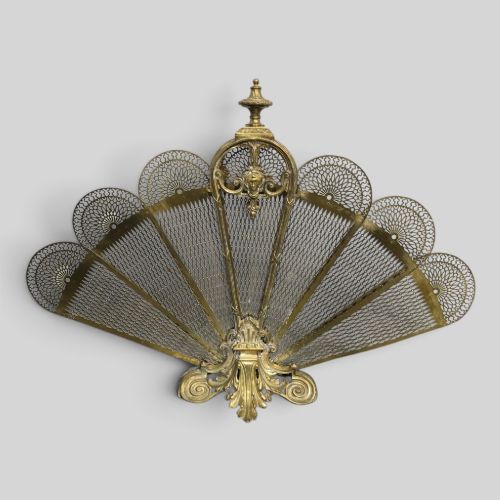
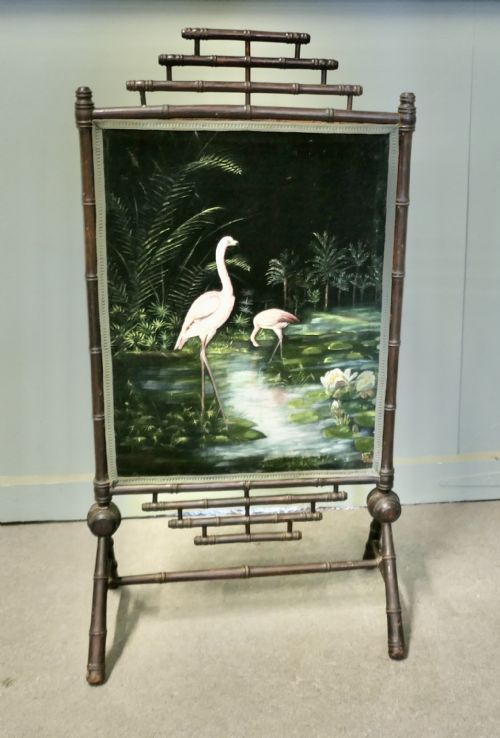
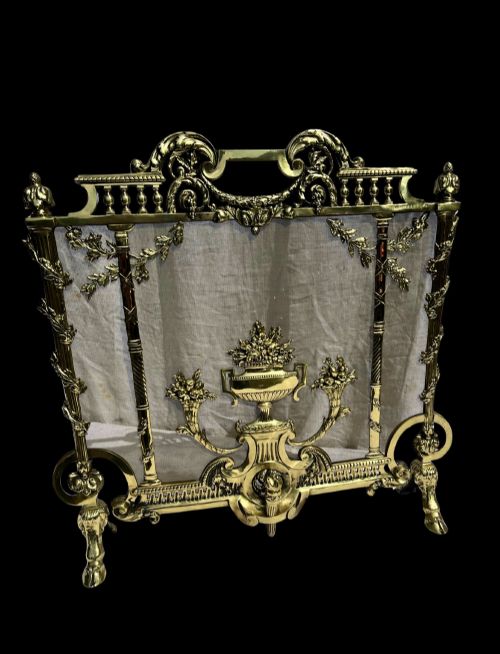
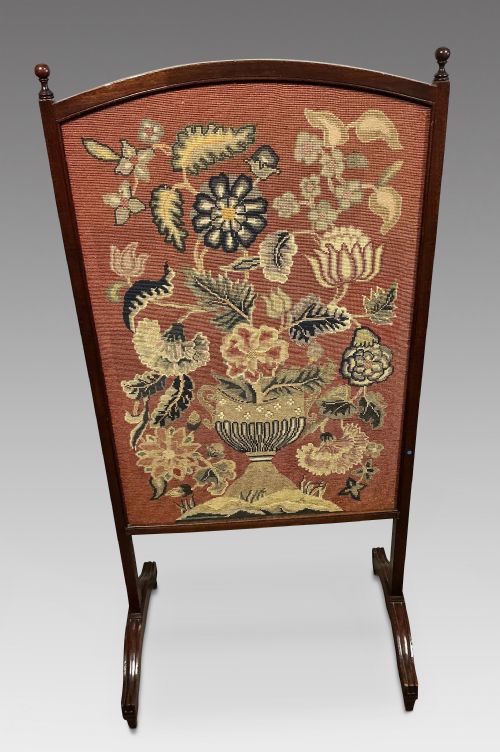
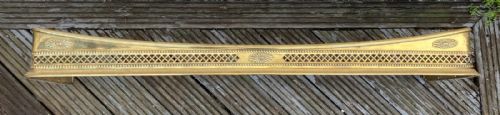
A victorian style hearth guard encompasses various functional items designed to protect rooms from fireplace sparks and heat. The selection includes fire screens, fireguards, fireplace fenders and club fenders spanning the nineteenth century through to the early twentieth century.
Buyers will encounter multiple regional interpretations and revivals on this page, ranging from French Louis XV style pieces to Gothic Revival ironwork and Traditional English designs. Materials such as polished brass, wrought iron, bronze and black lacquer dominate the forms.
The objects serve both practical and decorative purposes within period interiors, often incorporating adjustable frames, mesh panels and leather seating. They reflect the diverse aesthetic movements popular during the Victorian era and subsequent decades.
Materials and construction
Makers utilised metals such as brass, bronze, iron and steel to construct the structural frames and protective barriers. Wire mesh and metal mesh frequently form the central guards to contain sparks while maintaining visibility of the fire.
Decorative elements involve pierced brass work, hand-painted details on black lacquer, and intricate castings in the Rococo revival and Gothic styles. Wood and leather also appear in specific fender designs intended for fireside seating.
Materials recorded across the inventory include brass, wire mesh, wrought iron, bronze, metal mesh, iron, steel and wood.
Assessing quality
Quality in these pieces depends on the weight and gauge of the metal used in the frame and mesh. Heavier brass castings and solid wrought iron denote superior structural integrity compared to lighter alternatives.
The finesse of the decorative work, whether pierced brass patterns or painted motifs, distinguishes standard items from finer examples. Superior execution shows in crisp detailing and robust assembly across joints and adjustable components.
The Victorian Style Hearth Guard Glossary
- Fire screen
- A movable panel placed in front of a fireplace to block radiant heat when the fire is low. These often feature wire mesh or decorative metal frames.
- Fender
- A low metal frame placed on the hearth around the fireplace opening to contain ash and rolling embers. Some variations incorporate upholstered leather seats.
- Gothic Revival
- An architectural and decorative style drawing inspiration from medieval forms. Pieces in this style typically display ironwork, pointed arches and heavy construction.
- Rococo Revival
- A decorative style characterised by asymmetrical scrollwork, C-scrolls and naturalistic plant motifs. It appears frequently on nineteenth-century brass fire screens.
Victorian Style Hearth Guard: Frequently Asked Questions
What is a club fender?
A club fender is a low hearth guard featuring upholstered leather seats on either side. It provides practical fireside seating while containing ash and embers.
Originating in large country houses, these substantial pieces combine metal frames with comfortable pads for sitting close to the hearth.
How do I choose between a screen and a fender?
Fire screens stand upright to block radiant heat and flying sparks from entering the room. Fenders sit directly on the floor around the hearth perimeter to keep logs and debris contained.
Your choice depends on whether you need vertical protection against sparks or a horizontal boundary around the fireplace base.
What materials were used for these guards?
Makers relied heavily on metals including brass, wrought iron, bronze and steel. Wire mesh and metal mesh were standard for the protective panels.
Some pieces also incorporated wood, black lacquer with painted designs, and green leather for integrated seating pads.
How do I identify a Gothic Revival piece?
Gothic Revival items typically feature heavy wrought iron or cast iron construction with medieval architectural motifs. Look for pointed arches, quatrefoils and robust, dark metal finishes.
These pieces contrast sharply with the lighter, curving brass work found in Rococo revival items from the same era.