
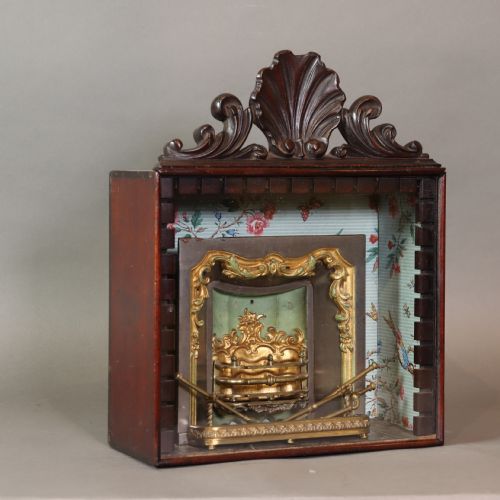


Victorian Fire Grate
When choosing a victorian fire grate, you select a hearth centrepiece that brings period character and functional warmth to a room.
Victorian Fire Grate
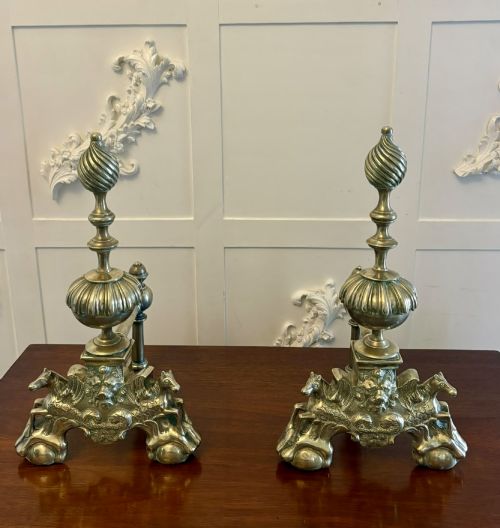
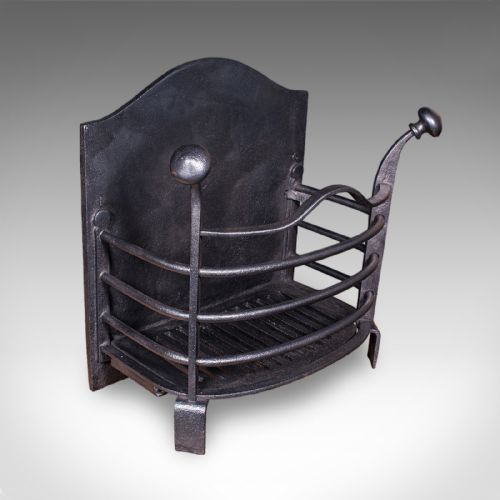
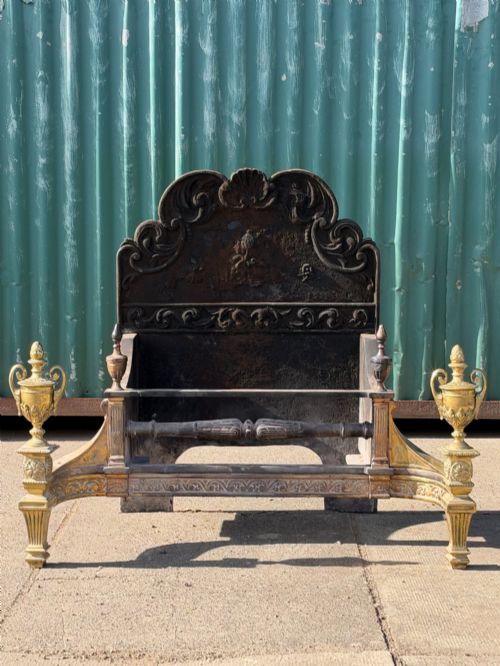
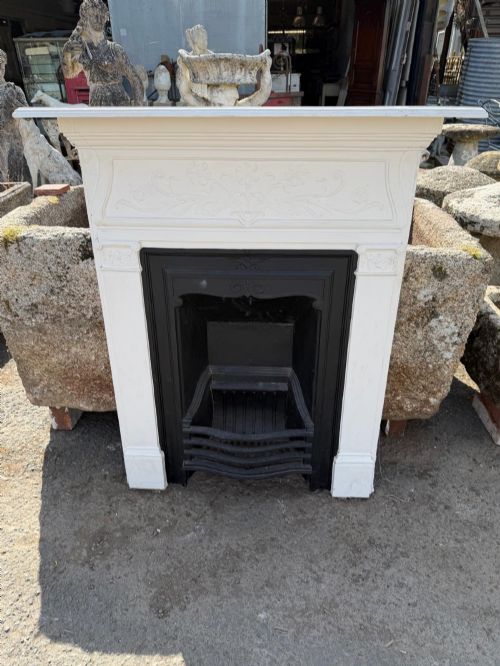
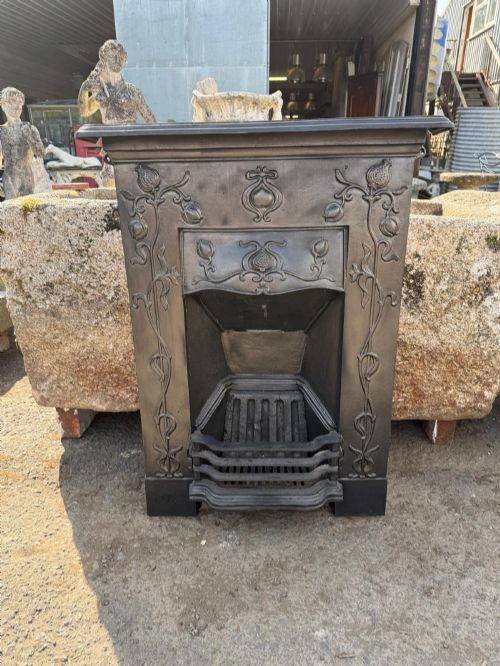
A victorian fire grate serves as the structural iron basket or insert that holds coal or wood within a domestic fireplace. These hearth items appear in various forms, from combination mantel units and register grates to freestanding fire baskets paired with andirons.
The pieces on this page span the nineteenth century into the early twentieth century, incorporating revival styles alongside utilitarian designs. Buyers encounter everything from large inglenook baskets to miniature salesmen's models.
Originating primarily in English domestic architecture, these ironmongery pieces reflect the heavy domestic heating requirements of period homes. They range from simple bedroom grates to elaborate reception room hearth furniture.
How they were made
Foundries utilised cast iron for the main bodies, fire backs, and structural baskets to withstand intense domestic coal and wood fires. This metal allowed intricate moulding of decorative patterns, ribs, and vents.
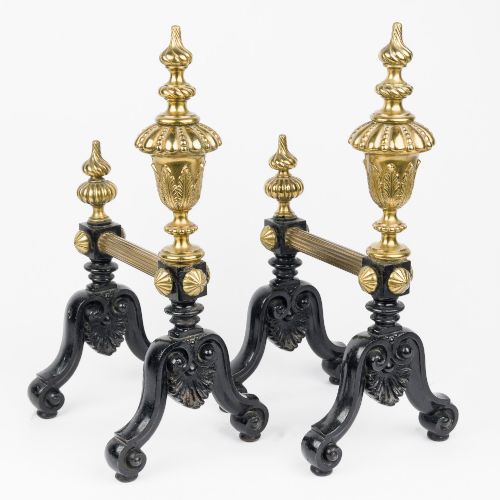
Wrought iron provided toughness for functional bars and hearth sets, while brass components such as finials and andirons added bright contrast against the dark metalwork. Firebrick linings were incorporated to protect the iron and reflect heat into the room.
Salesmen carried miniature brass and iron fire places in luggage to display heavy foundry wares on the road.
What varies in quality
Casting thickness and weight determine the structural substance of a victorian fire grate, separating heavy room heaters from lighter bedroom examples. The crispness of the moulded detail, especially on Neoclassical or Gothic Revival motifs, indicates the standard of the foundry work.
The integrity of the assembly, including the secure joining of wrought bars to cast elements and the survival of matching brass furnishings like fire dogs, distinguishes complete hearth sets from salvaged fragments.
Coalbrookdale
The Victorian Fire Grate Glossary
- Fire Grate
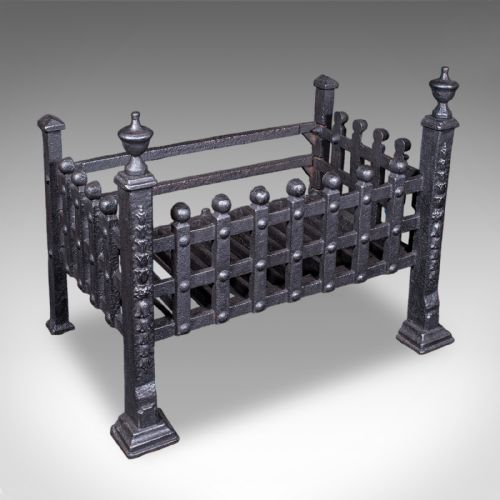
- An iron framework designed to hold fuel safely above the hearth floor while allowing air circulation beneath. It forms the primary burning basket of an open fireplace.
- Andirons
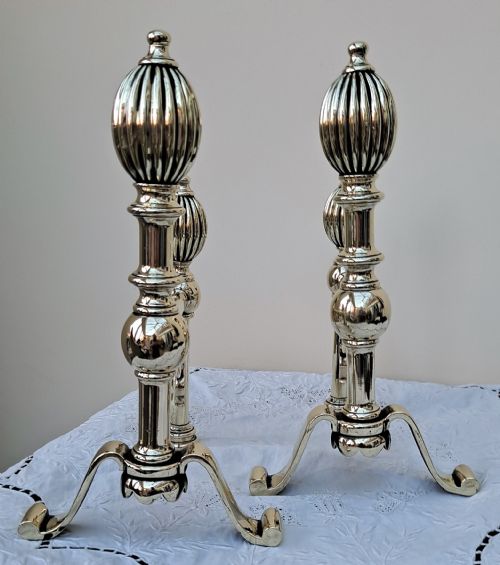
- Supporting metal dogs placed on either side of a hearth to hold logs or support a fire basket. They often feature decorative brass or iron terminals.
- Register Grate
- A fireplace insert featuring an adjustable flap or plate that controls the draught going up the chimney. This type became common in nineteenth-century formal rooms.
- Combination Fireplace
- A complete cast iron mantel and grate unit manufactured as a single integrated piece. These were widely installed in Victorian bedrooms and smaller parlours.
- Fire Back
- A heavy cast iron plate placed at the back of a fireplace opening to protect the masonry wall and radiate heat forward. They frequently display relief decoration.
Victorian Fire Grate: Frequently Asked Questions
Will a victorian fire grate fit my chimney?
Dimensions vary widely from small bedroom grates to massive inglenook baskets, so measuring the hearth opening depth and width is essential before purchase.
Many period pieces require professional fitting by a hearth specialist to ensure proper clearance and draught safety.
Can I burn real wood in these grates?
Most pieces are built from heavy cast iron or wrought iron designed specifically for coal or wood fires. Baskets featuring firebrick linings handle heat particularly well during burning.
Checking the internal condition for structural integrity ensures safe operation for modern open fires.
How do I clean cast iron grates?
Regular maintenance involves brushing away ash and applying traditional grate polish or black lead to protect the metal surfaces. Avoid using harsh liquid cleaners that can cause rust on untreated iron.
Maintaining a dry environment keeps the ironwork stable and preserves the original finish.
What is the difference between a basket and a register grate?
A fire basket sits independently within an opening or on andirons, holding fuel in an open iron cage. A register grate includes a built-in frame and an adjustable damper plate to regulate airflow.
Both styles were produced during the nineteenth century to serve different rooms and heating needs.