



English Iron Firedogs
English iron firedogs anchor a hearth with enduring weight, supporting logs for a clean burn.
English Iron Firedogs
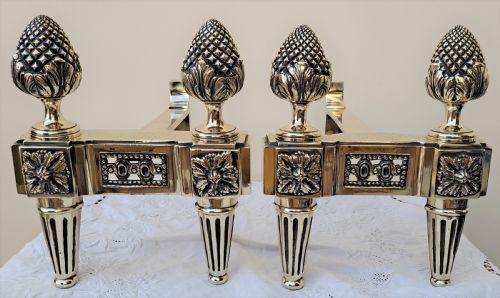
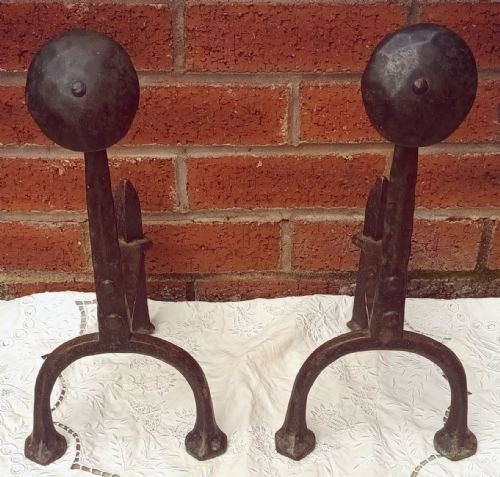
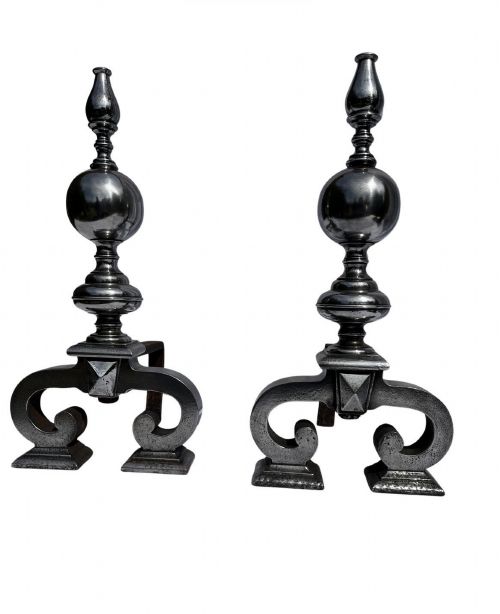
English iron firedogs serve the practical purpose of holding fuel wood above the hearth floor to improve airflow. Search results for english iron firedogs bring up sturdy upright supports often sold in pairs alongside matching baskets and grates. Examples range from plain utilitarian hearth furniture to ornate period designs shaped for display.
The pieces appearing on this page span several centuries, reaching back to sixteenth century Elizabethan examples and moving forward through Georgian and Victorian periods. Makers from the Arts and Crafts and Aesthetic movements also contributed distinct styles in wrought and cast iron. Buyers most frequently encounter nineteenth century Victorian interpretations alongside earlier Georgian and Edwardian variants.
Materials and Construction
Blacksmiths and foundries utilised cast iron, wrought iron, and polished steel to build these hearth implements. Cast iron allowed makers to pour molten metal into detailed moulds, creating crisp motifs like dragons and neoclassical patterns. Wrought iron provided the ductile strength needed for forged bars and scrolled terminals shaped by hand under the hammer.
Makers occasionally combined iron with brass and copper elements to highlight collars, finials, and feet. Surface finishes vary from a shiny polished sheen to dark forged textures left by the fire and anvil.
Listings feature periods spanning from the 16th century through the Victorian era, utilising iron, brass, and copper.
Assessing Quality and Execution
Superior english iron firedogs display deliberate balance and heft in the upright standards and supporting billets. Heavier gauge metal resists warping under continuous hearth heat, separating utilitarian workshop output from lighter decorative castings. The crispness of hand-forged scrollwork or clean mould lines in cast motifs indicates the skill of the original maker.
Completeness alters the character of a pair, particularly when matching tool rests, fire baskets, or spit racks accompany the main firedogs. Intact surfaces retaining original patination command greater interest than stripped or overly polished replacements.
The English Iron Firedogs Glossary
- Andiron
- A horizontal support iron raised on legs with an upright pillar at the front, used to hold logs in an open fireplace. Pairs sit on either side of the hearth floor.
- Fire Basket
- A metal grate containing fuel within a fireplace, frequently flanked or supported by firedogs. These baskets lift coal or wood to promote better draught.
- Wrought Iron
- Iron beaten into shape while hot by a blacksmith using hammers and anvils. This material shows fibrous grain lines and individual hammer marks.
- Cast Iron
- Iron poured in a molten state into a sand or metal mould to take a specific shape. This method permits repetition of complex decorative motifs.
English Iron Firedogs: Frequently Asked Questions
How do I use iron firedogs?
Place the pair of firedogs inside the fireplace opening with the long billet bars pointing backward into the hearth. Lay firewood across these horizontal bars to elevate the logs above the ash floor.
Elevating the fuel improves oxygen circulation underneath the firebox, resulting in a steadier burn and easier cleanup. Ensure the hearth base can support the heavy metal weight before setting them in place.
Are these firedogs suitable for daily fires?
Most antique iron firedogs were built to handle active wood fires in domestic hearths. Solid cast and wrought iron withstand high temperatures without losing structural integrity.
Inspect the metal thickness and check for deep corrosion before lighting frequent fires in older pieces. Lighter decorative variants from later periods suit occasional use better than heavy utility irons.
How do I clean antique iron firedogs?
Remove surface soot and loose ash using a soft dry brush or a lint-free cloth. Avoid harsh chemical cleaners that strip the historic dark patination from the metal.
Apply a light coat of microcrystalline wax or specialist grate polish to protect bare iron surfaces from moisture. Buff gently with a dry cloth to maintain a subtle satin sheen.
How do I date an iron firedog?
Examine the manufacturing technique and decorative motifs to determine the likely period of origin. Hand-forged surfaces and simpler forms often point toward earlier centuries, while decorative cast motifs align with Victorian and Edwardian revivals.
Look for maker marks, casting dates, or stylistic clues tied to movements like Arts and Crafts or Aesthetic design. Comparing the foot shape and finial style with dated examples helps narrow the timeline.