



Victorian Fire Companion
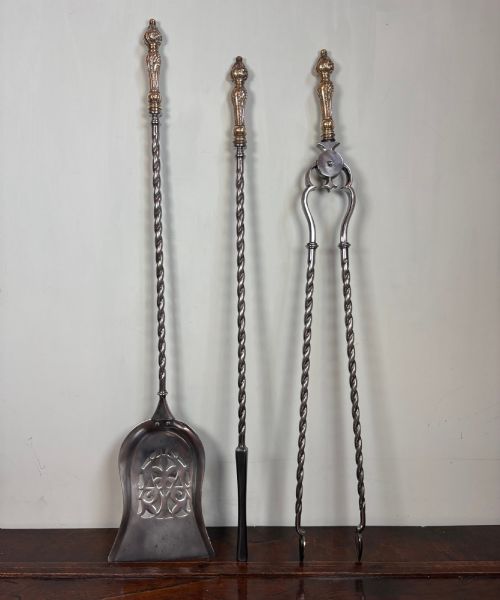
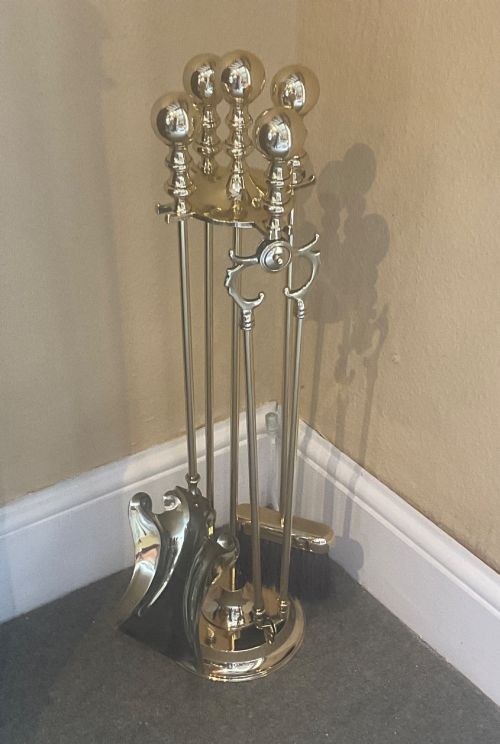
A victorian fire companion brings order and utility to the hearth, combining heavy brass and forged steel to tend the coal fire.
Victorian Fire Companion
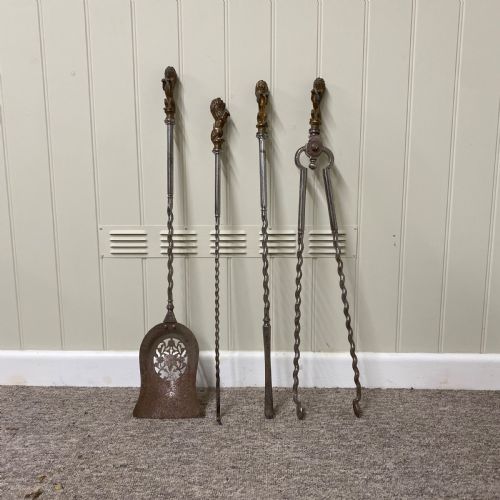
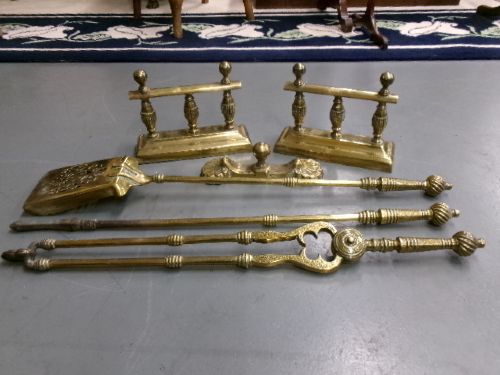
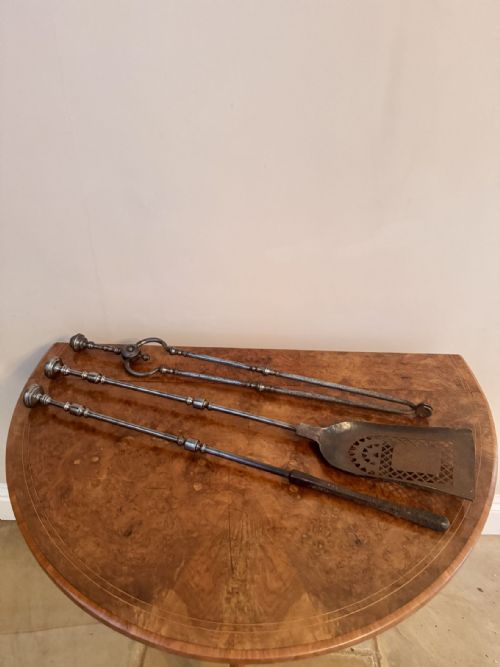
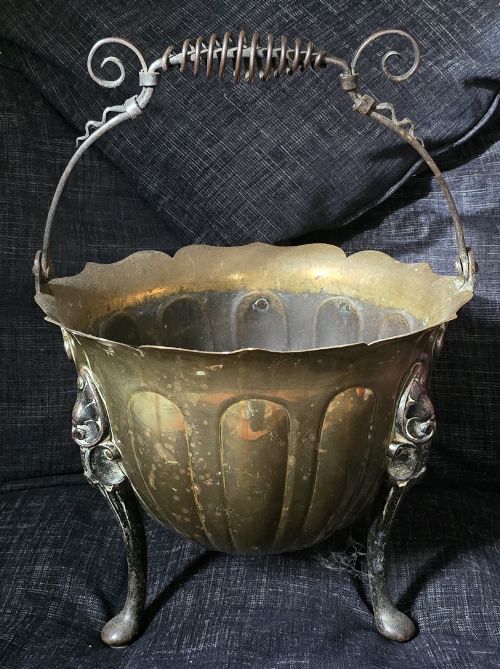
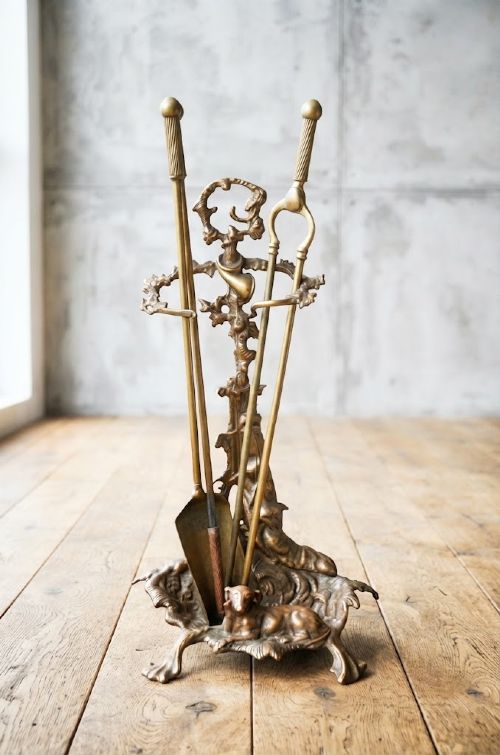
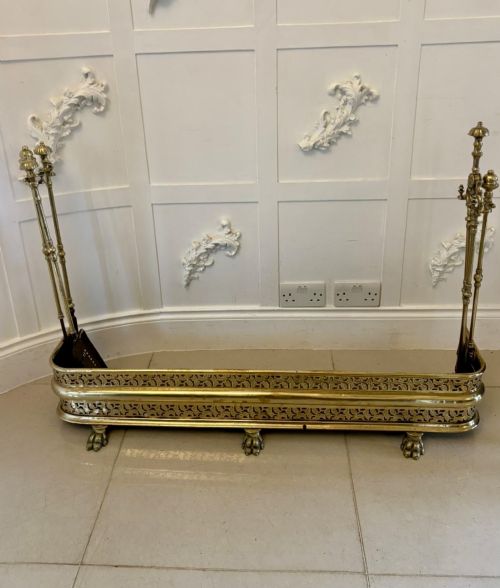
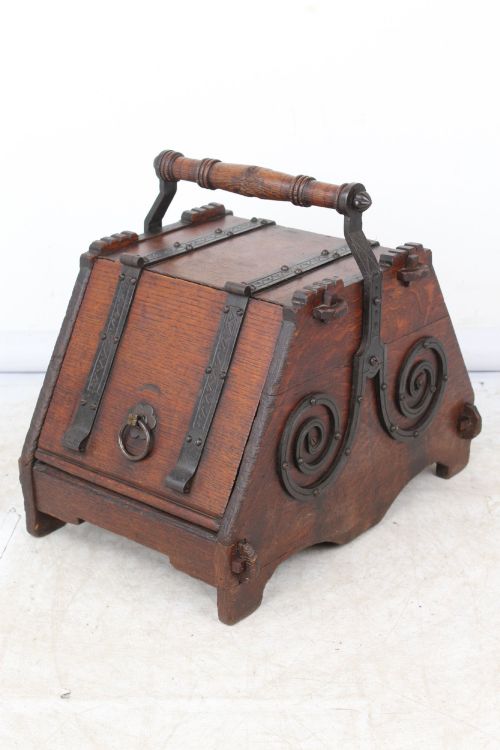
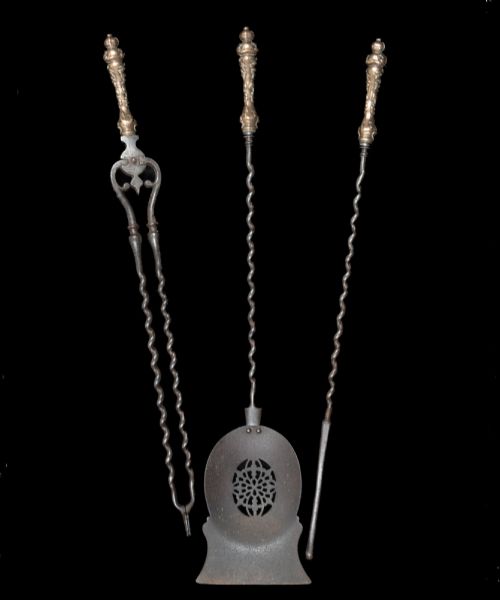
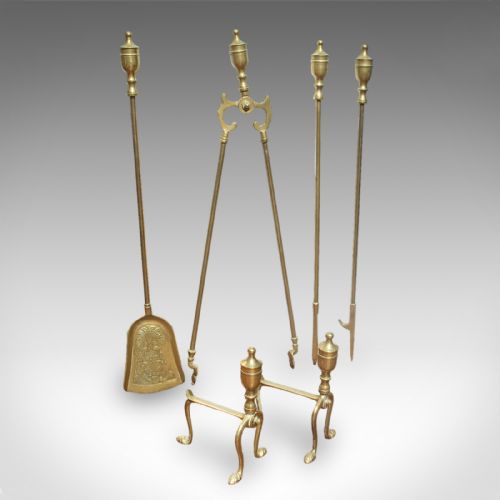
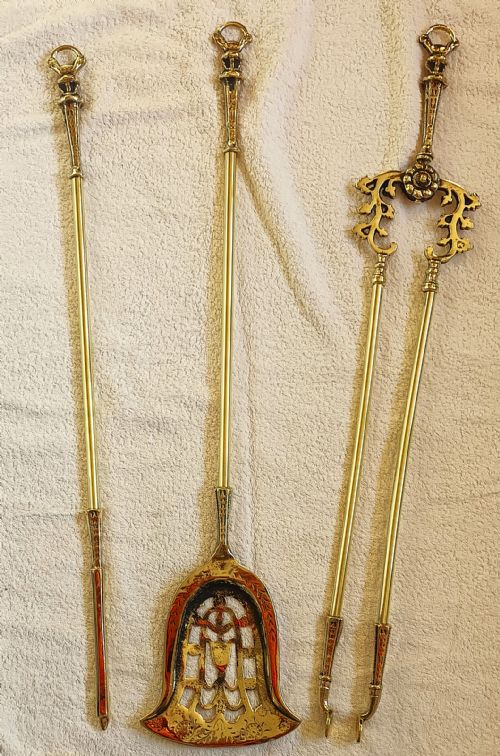
A victorian fire companion encompasses sets of fireplace tools, companion stands, fire irons, coal scuttles, and cauldrons designed for the domestic hearth. These pieces are most frequently encountered as matching brass or steel sets comprising a shovel, poker, and tongs, often accompanied by fire dogs or rests.
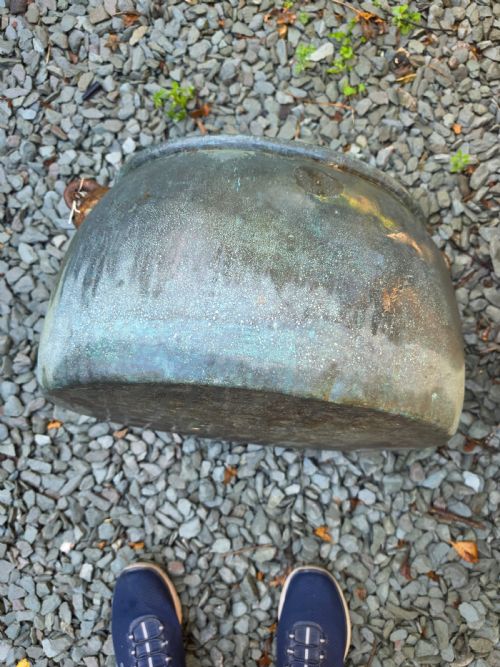
The objects span the nineteenth century, including specific periods like the Regency and the Victorian era, alongside later Arts and Crafts and Gothic Revival movements. Country house inglenook tools and cast iron or copper vessels provide utilitarian storage for coal and logs beside the grate.
Materials and Technique
Makers utilised durable metals such as brass, cast iron, wrought iron, copper, and steel to withstand the intense heat of the hearth. Tools were forged, cast, or polished, with handles frequently incorporating decorative details like rope twist designs.
Coal scuttles and companion stands combined sheet brass with iron components, while specific items such as the Henry Loveridge coal scuttle reflect structured Arts and Crafts production techniques. Metal combinations like steel and gunmetal provided both structural strength and a finished decorative appearance.
Victorian Fire Companion Retail Price Guide 2026
Typical asking prices for victorian fire companion among the pieces listed under this phrase on Sellingantiques today, from the lower quarter to the upper quarter. They describe what is for sale here now, not the wider market.
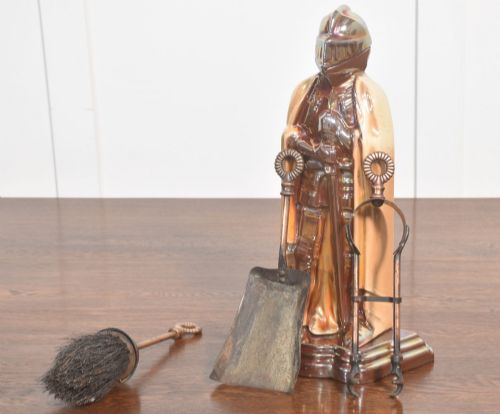
Some fireside stands featured hunting scenes or suited knights in armour, keeping watch over the hearth while holding the poker.
Judging Quality
The distinction between standard utility sets and superior examples rests on the weight of the metal and the integrity of the individual tools. Heavy quality pieces display substantial gauge steel and solid cast brass handles that maintain rigidity during regular use.
Design execution separates basic production from works by notable makers such as Christopher Dresser. Refined surface finishing, balanced proportions, and integrated stands or fire dogs elevate a standard fireside set into a coherent decorative suite.
Henry Loveridge·Christopher Dresser
The Victorian Fire Companion Glossary
- Fire irons
- A matched set of tools used for managing a coal or wood fire. They typically include a poker, shovel, and tongs.
- Companion set
- A complete assembly of fireside tools mounted on a dedicated stand or paired with fire dogs. This arrangement keeps the utensils organised beside the fireplace.
- Coal scuttle
- A specialised metal container designed for holding and transporting coal to the grate. Examples frequently feature hinged lids and carrying handles.
- Gothic Revival
- An architectural and decorative style drawing inspiration from medieval forms. Pieces in this manner display pointed arches, heavy tracery, and formal structural motifs.
- Fire dogs
- Metal supports placed within the hearth to hold logs or support fire irons. They sit at the sides of the fireplace opening.
Victorian Fire Companion: Frequently Asked Questions
What tools are in a set?
A standard set comprises a shovel, a poker, and tongs designed to handle fuel and ash. Many configurations also include a supporting stand or a pair of fire dogs.
These pieces were kept together near the hearth for daily maintenance of open coal or wood fires.
How do I date them?
Dating relies on stylistic clues, manufacturing techniques, and material combinations recorded across the nineteenth century. Regency and early Victorian pieces often feature bright brass or polished steel with simpler functional lines.
Later Victorian, Gothic Revival, and Arts and Crafts examples introduce heavier industrial forms, textured finishes, and specific maker designs like those by Christopher Dresser.
Were they purely decorative?
While ornamental styles like Rococo and Gothic Revival influenced their appearance, these items were built for heavy daily labour. The use of robust steel and thick brass ensured the tools could move heavy logs and compacted coal.
Stands and scuttles kept soot contained while presenting the metalwork neatly within the reception room or inglenook.
What is an inglenook set?
An inglenook set refers to heavier, robustly proportioned tools intended for large country house fireplaces. These pieces were built on a grander scale to manage deep hearths and substantial fires.
They often utilise wrought iron and heavy brass to suit drafty chimney corners and larger rooms.