




Victorian Figurative Watercolour
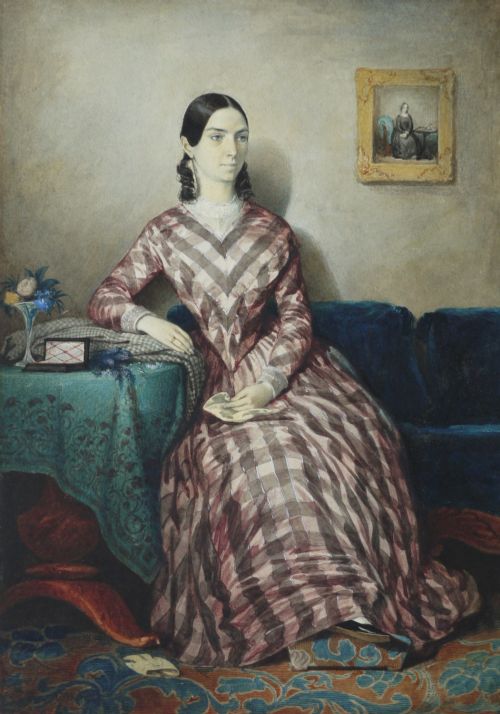
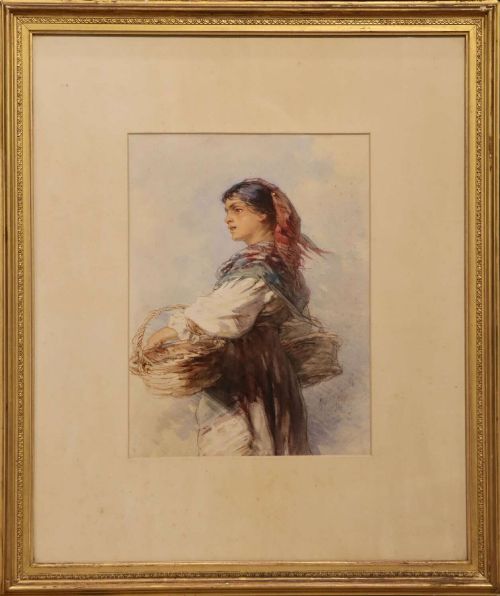
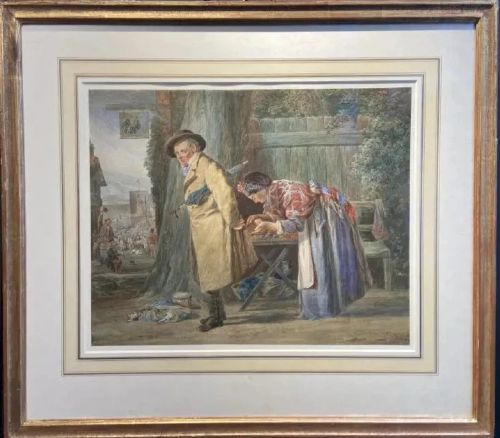
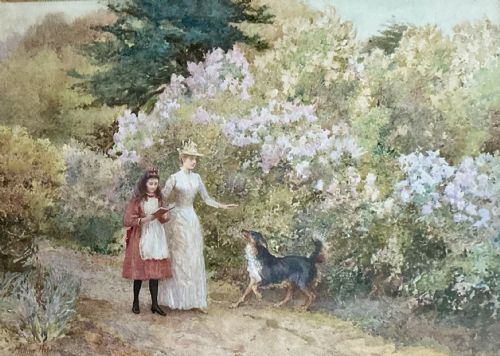
These Victorian figurative watercolour paintings capture pastoral scenes, domestic quiet and character studies executed on paper during the nineteenth and early twentieth centuries.
Victorian Figurative Watercolour
A victorian figurative watercolour presents human subjects ranging from peasant figures and shepherds to children and domestic workers set within narrative or pastoral compositions. These works form part of the broader category of fine art paintings produced during the nineteenth century.
The pieces on this page span the Victorian era, late Victorian period and Edwardian years, reflecting genre realism and Pre-Raphaelite influences. Subjects are often depicted in interior settings or rustic rural landscapes.
Compositions include single portraits, pairs of works and group gatherings of maidens or peasants. Origin points include English, Irish, Italian and French traditions.
Materials and construction
These works are executed using watercolour pigment applied to paper surfaces, capturing delicate washes and fine illustrative detail. Many examples are preserved within wooden frames, frequently enhanced with gold leaf, gilded wood or giltwood finishes.
Protective glass glazing is commonly utilised to shield the delicate paper and pigment from atmospheric damage. The integration of paper, pigment and timber moulding defines the physical build of these framed artworks.
Subjects range from quiet cottage interiors and knitting peasants to a young girl peeling potatoes with intense concentration.
Factors of distinction
Quality rests upon the handling of the pigment and the expressive execution of the human figure. Works displaying confident brushwork and nuanced facial characterisation stand apart from routine illustrative output.
The preservation of the paper support and the vibrancy of the watercolour pigment greatly influence the overall presence of the piece. Original framing using period giltwood or gold leaf further elevates the stature of the work.
Guido Bach·Joseph H Barnes·James Hayllar·Philip Richard Morris·Henry E Hobson·Arthur Hopkins·Robert Richard Scanlan·Augustus Jules Bouvier·George Kilburne·Leonardo Morello·David Woodlock·Linnie Watt·Frederick Thomas Baynes·William Powell Frith·Ebenezer Wake Cook·Leon Girardet·Henry Silkstone Hopwood·Fred Morgan·Karl Feiertag
The Victorian Figurative Watercolour Glossary
- Watercolour
- A painting method in which the paints are made of pigments suspended in a water-based solution. This medium allows for translucent washes and delicate layering.
- Genre Realism
- An artistic style depicting subjects from everyday life in a realistic manner. It often focuses on ordinary people engaged in common activities.
- Pre-Raphaelite
- A movement of artists associated with detailed observation, intense colours and complex literary or religious subjects. The style emerged in the mid-nineteenth century.
- Giltwood
- Wood that has been treated with a thin layer of gold leaf or gold paint. This finish is frequently found on nineteenth-century picture frames.
- Lithograph
- A printmaking process where an image is drawn onto stone or metal and transferred to paper. Some pieces combine lithography with hand-applied watercolour pigment.
Victorian Figurative Watercolour: Frequently Asked Questions
What is a Victorian figurative watercolour?
It is a painting on paper using water-based pigments that depicts human subjects, such as peasants, children or domestic workers, created during the nineteenth or early twentieth century.
These artworks often belong to genre realism or the Pre-Raphaelite movement, capturing narrative moments from everyday life.
How should I display these watercolours?
Watercolours on paper are sensitive to direct sunlight, which can fade pigments over time. Hang them on interior walls away from bright windows to preserve the colours.
Ensure the room maintains stable humidity levels and keep the protective glass clean without spraying liquids directly onto the frame or paper.
How do I identify the period?
Dating relies on stylistic clues, framing materials and recorded artist lifespans. The works span the Victorian era, late Victorian period and early twentieth-century Edwardian years.
Signatures, inscriptions on the reverse and paper types also help establish the approximate decade of production.
Are these works always framed?
Most examples are presented behind glass in their original or period-appropriate frames, often featuring wood, gold leaf or giltwood mouldings.
Original framing helps protect the paper edges and contributes to the historical context of the piece.