

Victorian Fender
A victorian fender frames the hearth, combining heavy metals and leather to anchor the fireplace.
Victorian Fender
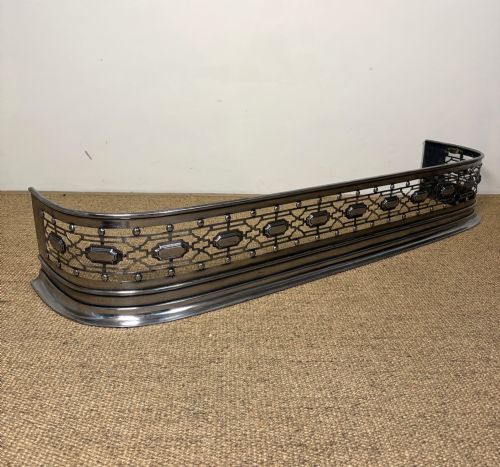
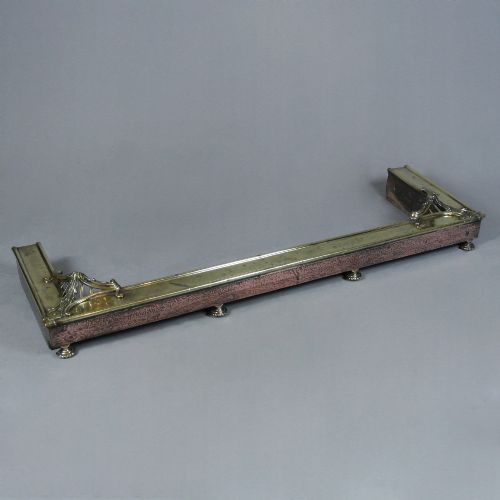
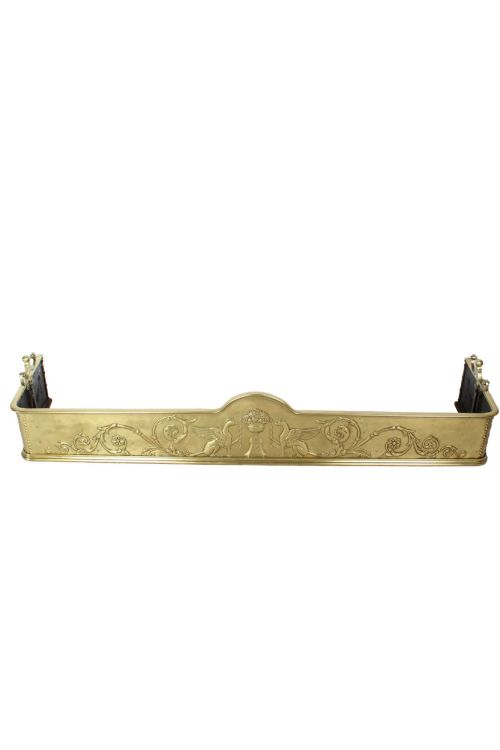
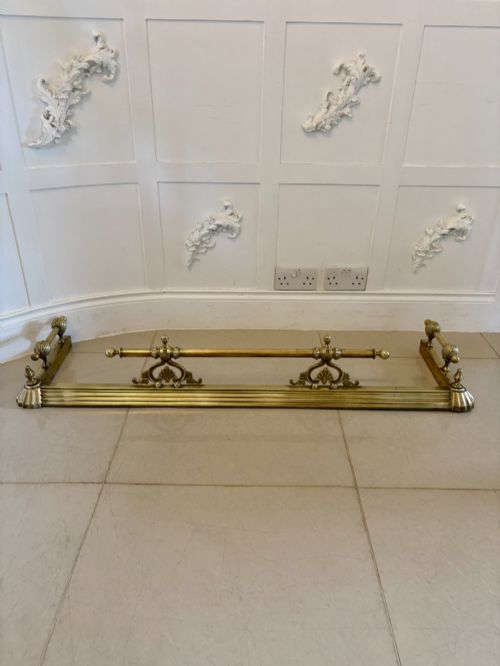
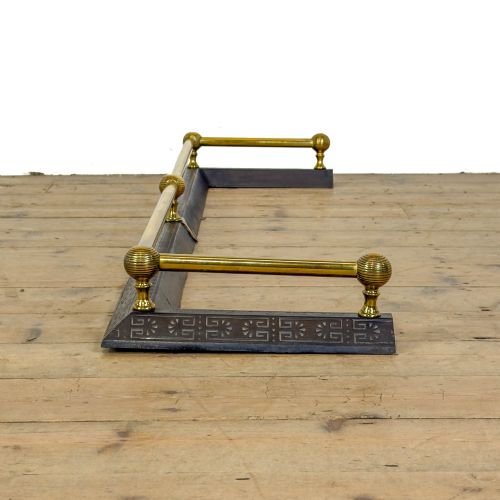
A victorian fender sits directly on the hearth to enclose the base of the fireplace, keeping stray embers from rolling onto the floorboards. The selection centres on solid brass and iron forms, spanning standard hearth kerbs to low club fenders topped with leather seats.
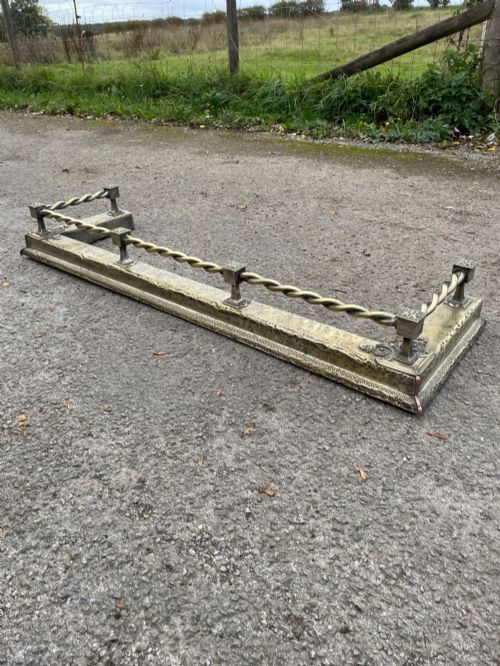
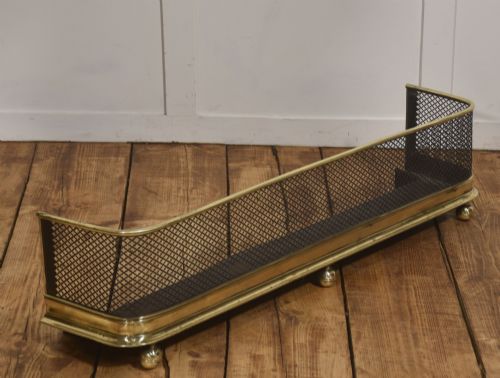
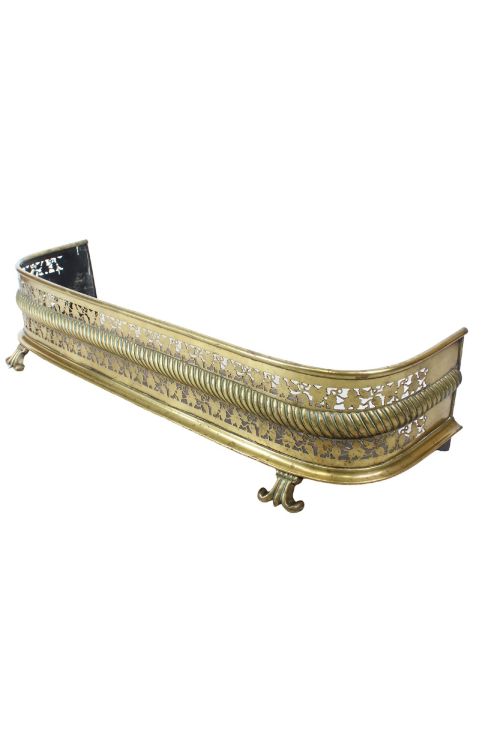
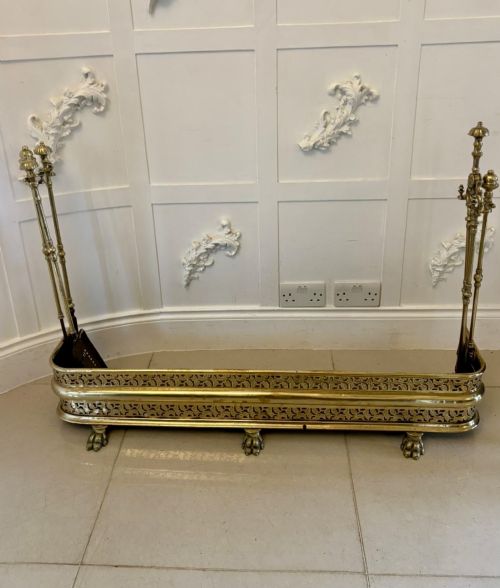
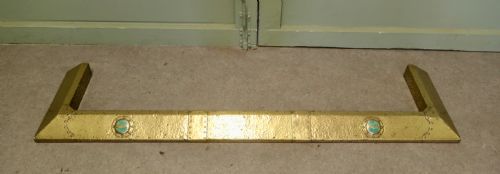
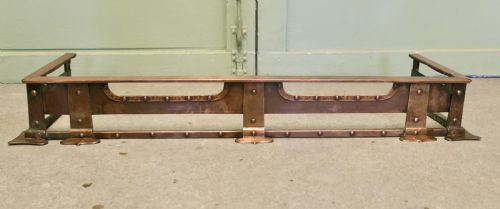
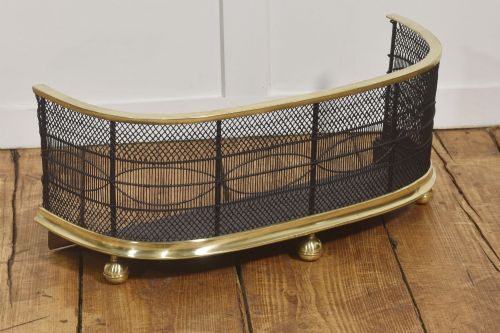
Most examples originate from the nineteenth century, moving from classical pierced brass designs towards linear Art Nouveau copper and Arts and Crafts ironwork. Buyers also encounter substantial nursery guards and folding wire meshes designed for household safety.
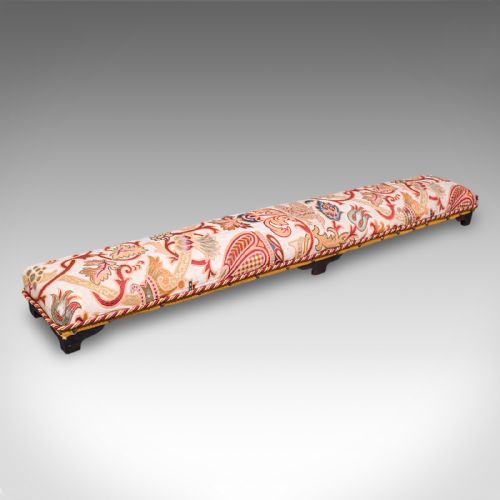
Forms range from compact grates for modest hearths to wide, adjustable frames meant for grander reception rooms. Alongside standard metal kerbs, related fireside footstools in walnut appear within the wider grouping.
Materials and construction
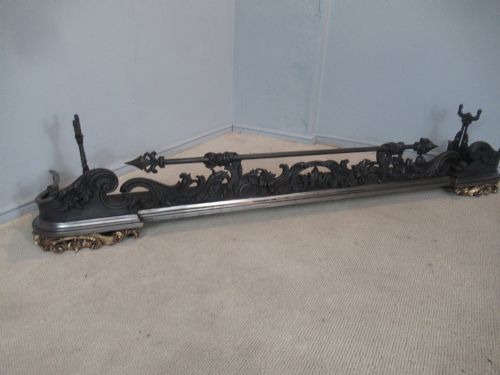
Makers utilised heavy cast and sheet brass, burnished steel, and wrought iron as the primary structural elements of a victorian fender. Decorative details often incorporate copper panels, bronze mounts, and applied elements such as green enamel cabochons or flower patera.
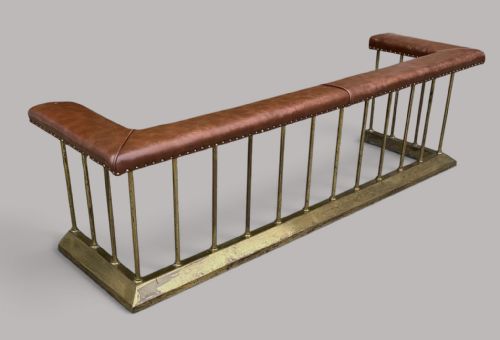
Working methods combined foundry casting with hand-piercing, riveting, and wirework mesh construction. Club variants introduced internal wooden framing covered in mature tan leather for fireside seating.
Victorian Fender Retail Price Guide 2026
Typical asking prices for victorian fender among the pieces listed under this phrase on Sellingantiques today, from the lower quarter to the upper quarter. They describe what is for sale here now, not the wider market.
Current listings span the nineteenth and early twentieth centuries, featuring brass, iron, steel, copper, leather, and wire mesh.
Assessing craftsmanship and finish
Quality rests upon the thickness of the metal gauge and the crispness of pierced or embossed detailing. Finer pieces display clean joinery, substantial weight, and well-preserved patination on surfaces of brass, steel, and copper.
The integration of secondary materials, such as heavy saddle leather on club seats or secure riveting on Arts and Crafts copper, distinguishes standard production from superior workshop output.
The Victorian Fender Glossary
- Club fender
- A low, U-shaped hearth barrier featuring upholstered leather top rails intended for sitting beside the fire. These originated in country house libraries.
- Pierced brass
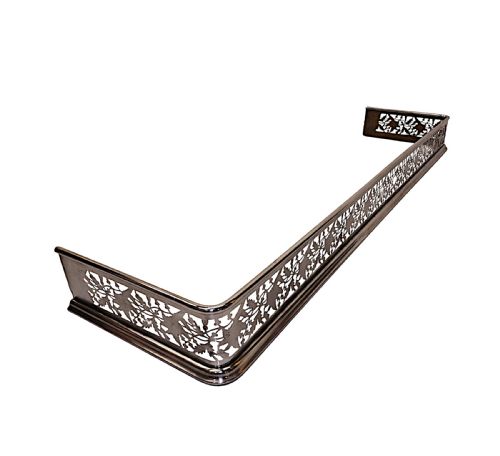
- Metal sheet perforated with decorative repeating patterns using hand chisels or mechanical presses. This technique lightened the visual weight of heavy hearth surrounds.
- Nursery fender
- An elevated protective barrier enclosing the entire hearth to keep children and trailing garments away from open flames. Some examples incorporate integrated drying rails.
- Patera
- A circular ornamental motif carved or stamped in relief, resembling a classical libation dish. They frequently punctuate the corners of copper and brass rails.
- Fire kerb
- A low metal perimeter defining the hearth boundary without the full enclosure of taller guards. Many nineteenth-century versions feature adjustable sliding sections.
Victorian Fender: Frequently Asked Questions
How do I measure for a fender?
Measure the width and depth of your hearth stone while leaving clearance for the fireplace opening and any hearth rug. Take measurements from the outer edges where the metal kerb will actually rest.
Account for whether the piece needs to fit around protruding masonry or flat against a brick breast. Adjustable models offer flexibility if your opening falls between standard sizes.
What is a club fender used for?
A club fender provides a low upholstered seat around the perimeter of the hearth, allowing people to warm themselves close to the fire. The leather tops protect against chill while offering practical seating in compact rooms.
Victorian iterations were particularly favoured in libraries and billiard rooms for comfortable fireside lounging.
How do I clean antique brass?
Dust the metal regularly with a soft dry cloth to prevent soot accumulation. Avoid harsh chemical polishes that strip away historical patination and age.
Gentle cleaning with mild soapy water and thorough drying preserves the mellow surface tones characteristic of nineteenth-century brasswork.
Are these fenders adjustable?
Certain nineteenth-century designs feature a central sliding mechanism that allows the side pieces to expand or contract. This engineering let homeowners adapt a single kerb to varying fireplace widths.
Fixed models are cast or riveted at a single static dimension and require precise matching to your hearth.