


Victorian Female Artwork
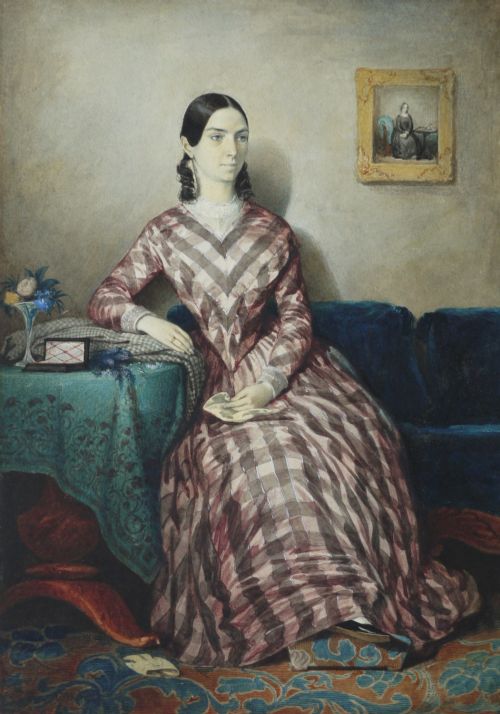
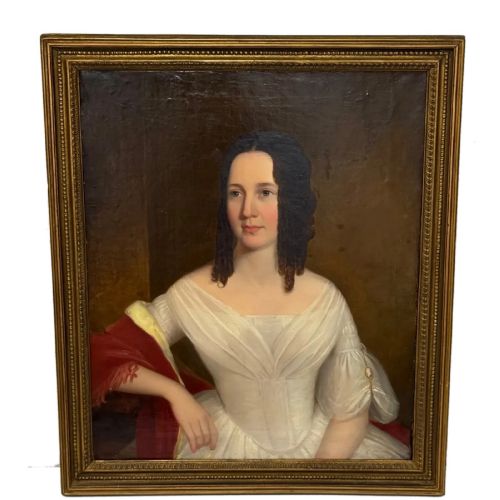
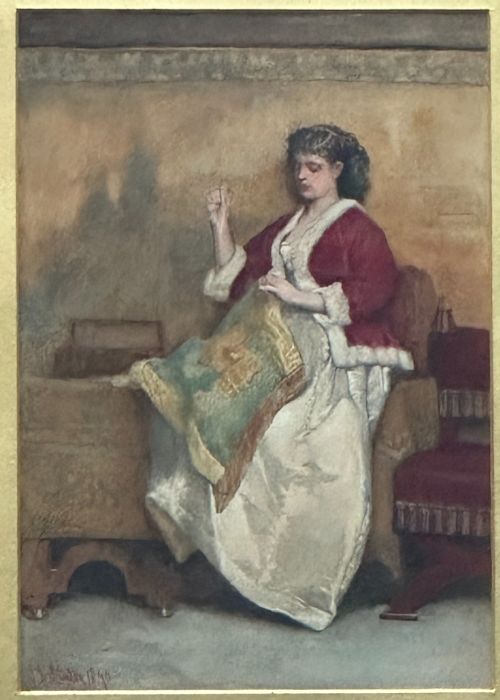
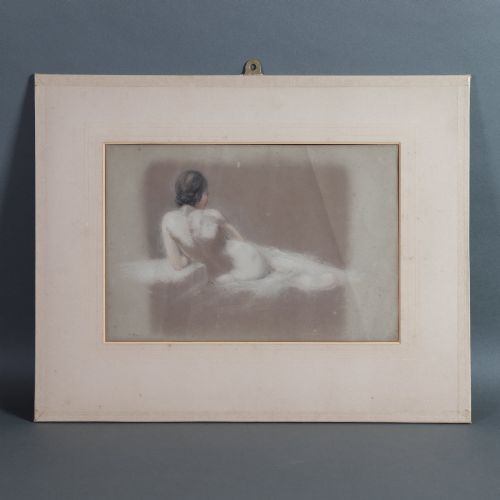
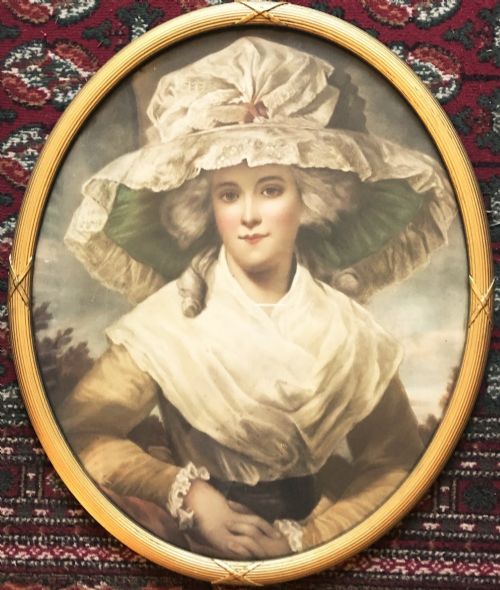
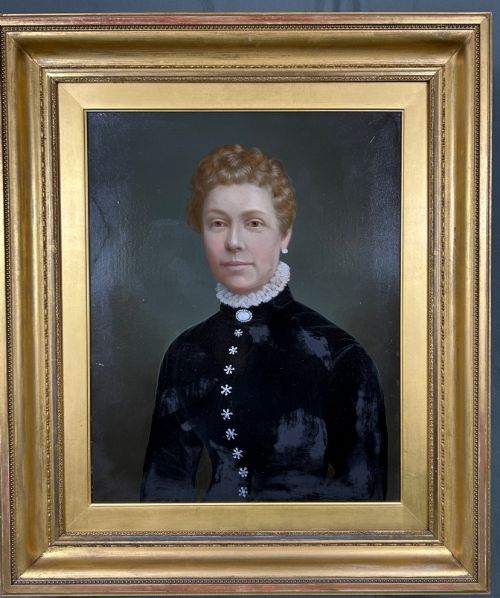
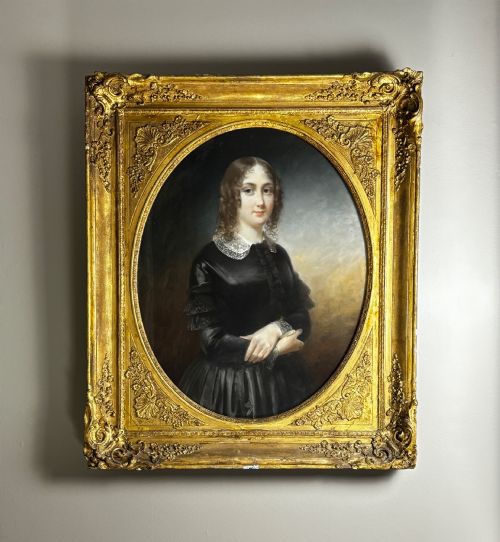
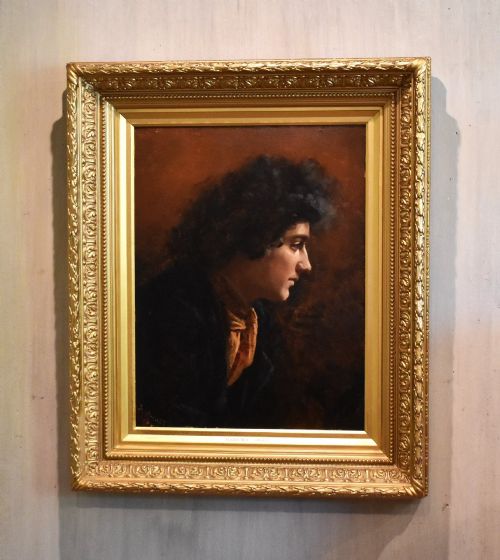
Victorian female artwork captures the likeness and character of women through oil, watercolour and bronze from the nineteenth and early twentieth centuries.
Victorian Female Artwork
Victorian female artwork encompasses portraits, drawings, miniatures and sculptures depicting women across various social standings from the nineteenth century. Buyers encounter detailed oil portraits on canvas and board, delicate watercolours, and figurative bronzes originating from British and European hands.
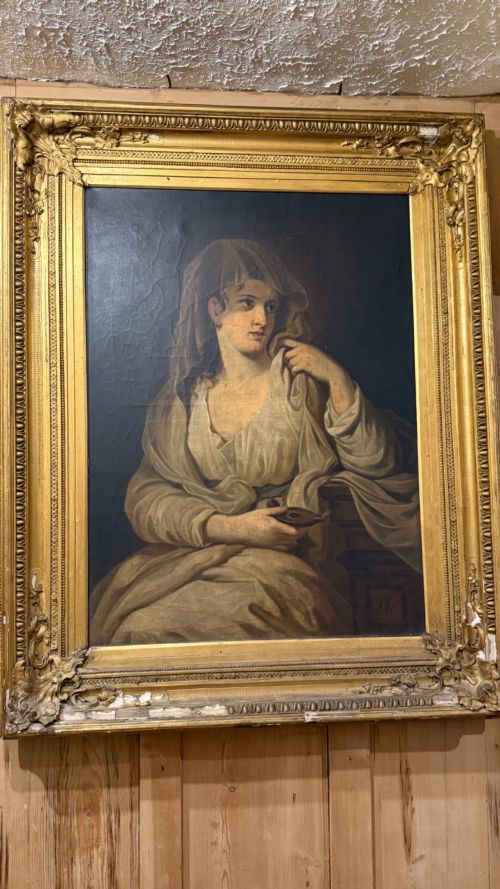
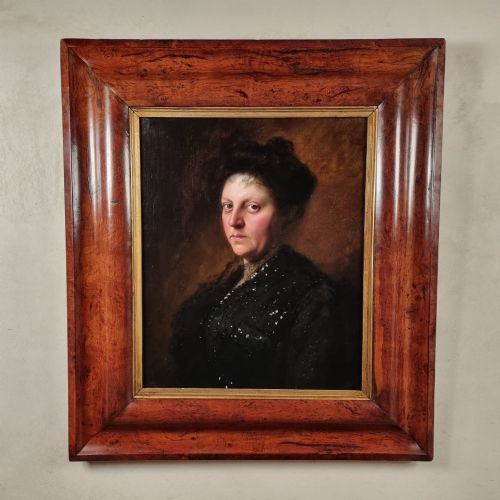
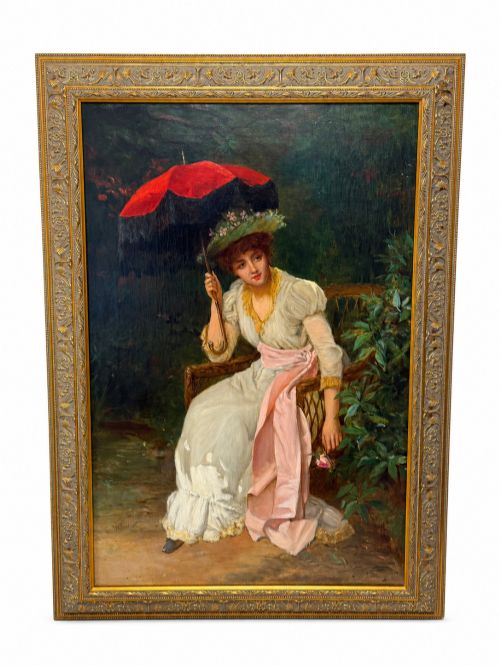
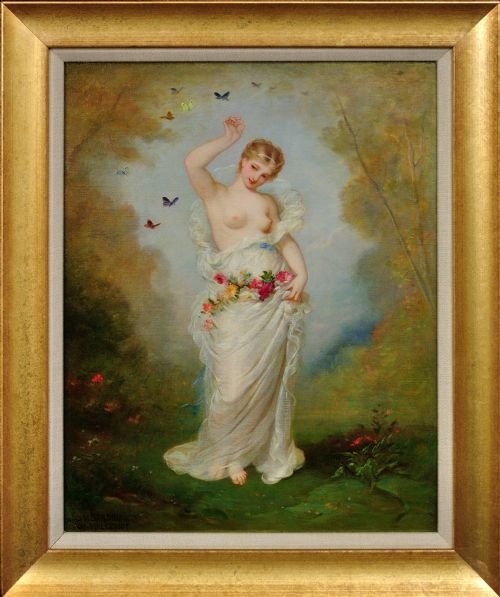
The selections on this page lean heavily towards oil paintings and works on paper portraying individual women, society figures and mythological subjects. These pieces span from early nineteenth-century academic studies through to Edwardian works, reflecting shifting aesthetic ideals across the period.
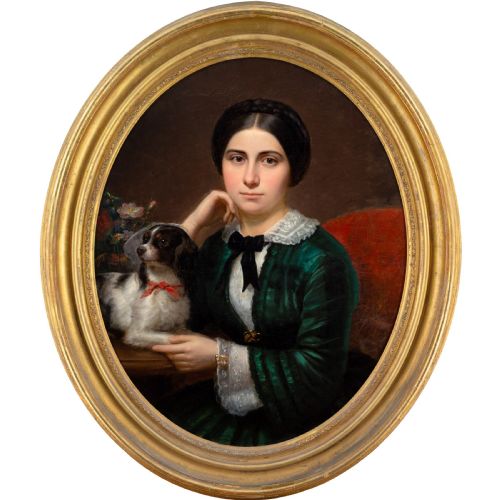
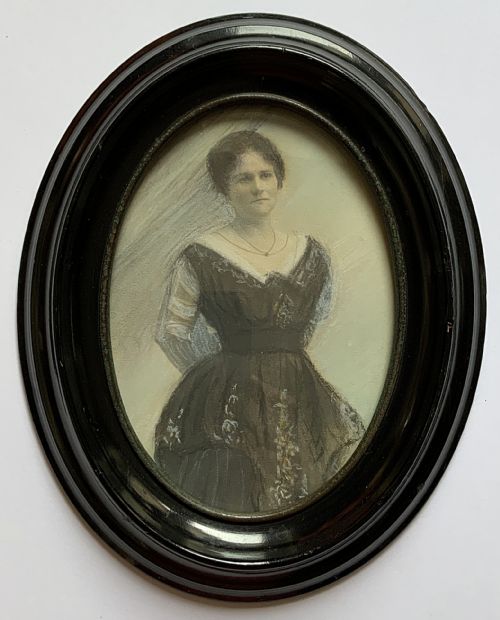
Domestic scenes, intimate miniatures and grander framed portraits dominate the available forms. Whether viewing a pencil sketch of a lady with her spaniel or a large oil painting of a young society lady, the focus remains firmly on the female subject.
Materials and Technique
Artists relied primarily on oil paint applied to canvas or board, alongside watercolour and gouache on paper, to build up depth and luminosity in these portraits. Pencil, pen and ink, and mixed media appear in studies and preparatory sketches.
Framing forms an integral part of the physical object, with giltwood, ornate period frames, and ebony surrounds enclosing the paintings and prints. Bronze casting served for sculptural representations of women placed in wheat fields or styled as classical figures.
Makers utilised glazing and protective glass on delicate watercolours and pastels to preserve the pigments. Textile works incorporated embroidered wool tapestry to render classical female portraits.
One portrait preserves the proud likeness of a lady posing alongside her faithful spaniel.
Assessing Quality and Execution
The standard of draughtsmanship and the confidence of brushwork separate accomplished portraits from simpler studio output. Finer works display meticulous rendering of textiles, facial expression and hands, whereas lesser pieces rely on formulaic positioning and repetitive backgrounds.
The integrity of the original framing, whether heavy giltwood or period ebony, influences the overall presence of the artwork. Works retaining signed attributions or extensive documentation on the reverse carry distinct historical weight compared to anonymous output.
Sir James Dromgole Linton·Dumini Leopoldo·William Etty·William Oliver·Florence Small·André Charles Voillemot·Alice Anne Renshaw·Henry E Hobson·William Henry Knight·John Robert Dicksee·Alexander Maclean·August Heinrich Riedell·William Edward Frost
The Victorian Female Artwork Glossary
- Academic Style
- Art produced under the influence of European academies, adhering to strict classical standards of composition, drawing and subject matter.
- Giltwood
- Wood that has been covered with a thin layer of gold leaf, frequently seen on ornate nineteenth-century picture frames.
- Gouache
- An opaque method of watercolour painting that uses a binding agent such as gum, allowing for brighter highlights and denser colour application.
- Miniature Painting
- A small-scale portrait, often executed in watercolour or pastel on ivory, vellum or paper, requiring precise miniature brushwork.
- Nereid
- A sea nymph of Greek mythology, a popular allegorical female subject in nineteenth-century academic painting.
Victorian Female Artwork: Frequently Asked Questions
What periods do these artworks cover?
The pieces span the nineteenth century and extend into the Edwardian era, encompassing items dated from the 1830s through to the early 1900s.
This broad timeline captures shifts from Regency and Romantic aesthetics towards late Victorian and Edwardian portraiture.
How were these portraits displayed?
Original owners typically displayed these framed oil paintings and watercolours within domestic drawing rooms, parlours and studies.
Heavier works required substantial wall space and robust giltwood frames, while miniature watercolours sat on tabletops or hung in intimate groupings.
How do I care for antique watercolours?
Works on paper demand protection from direct sunlight to prevent the fading of delicate watercolour and gouache pigments.
Maintaining stable humidity levels behind the glazed frames prevents paper degradation and protects the integrity of the underlying media.
Are most of these pieces signed?
Signatures appear on a selection of the works, often accompanied by dated inscriptions or detailed notes left on the reverse by contemporary hands.
Unsigned pieces remain common, attributed instead through stylistic analysis, recorded school characteristics or framing evidence.