

Victorian Equestrian Wall Art
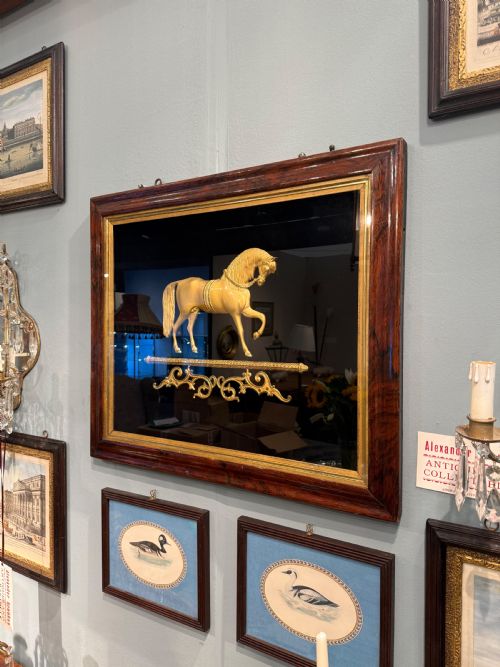
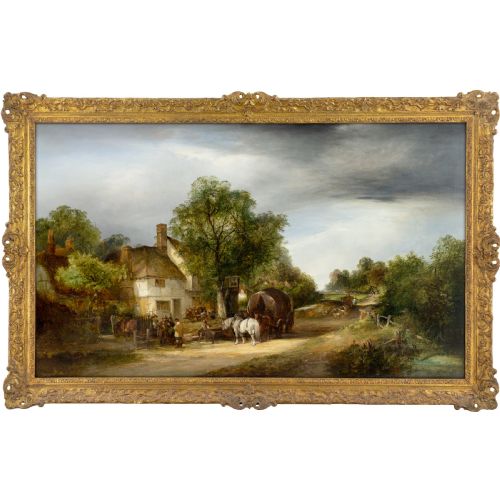
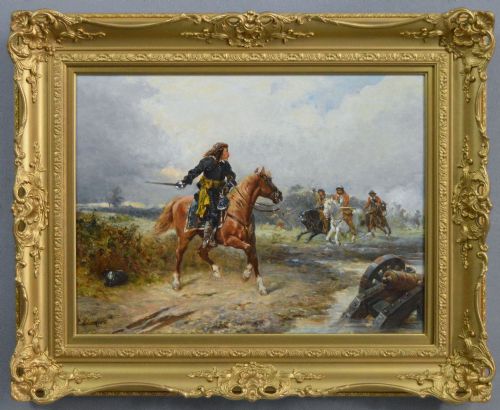
These pieces of victorian equestrian wall art capture the nineteenth-century passion for horses through oil paintings, watercolours, and prints.
Victorian Equestrian Wall Art
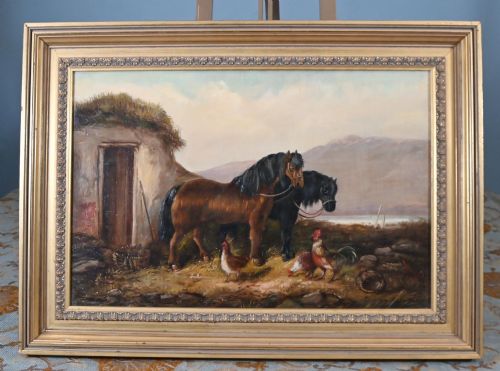
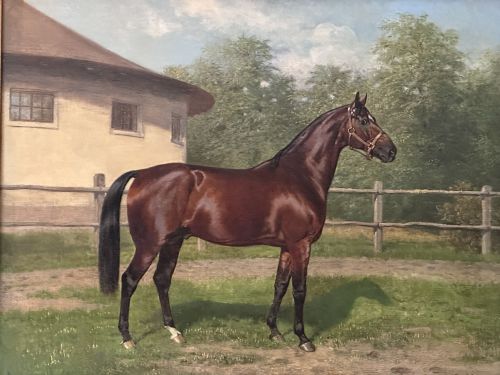
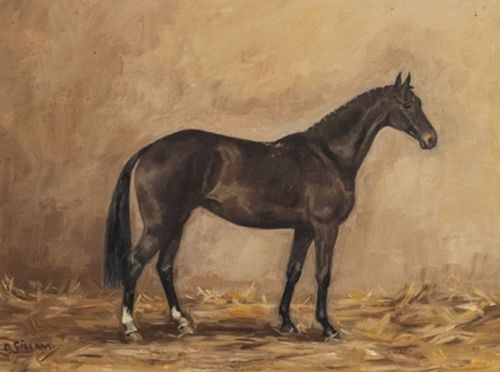
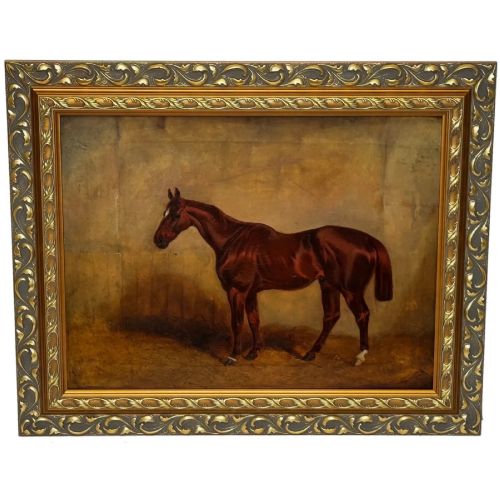
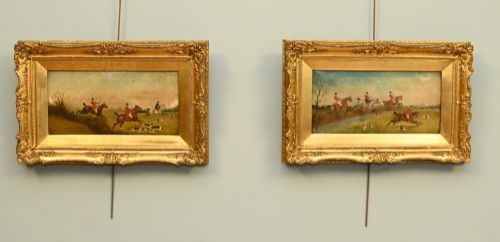
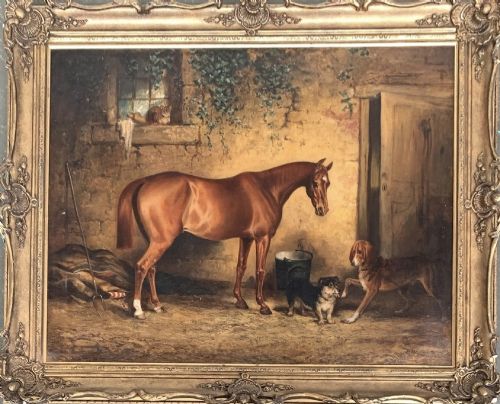
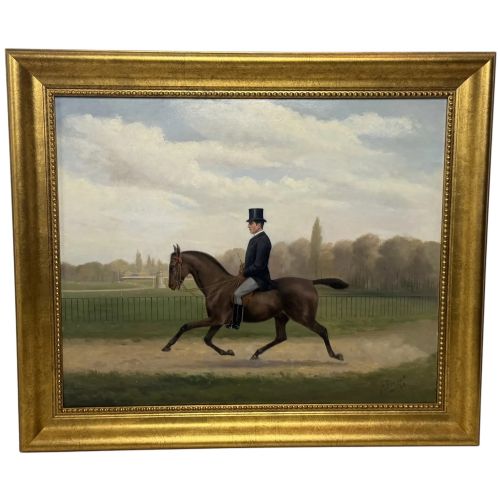
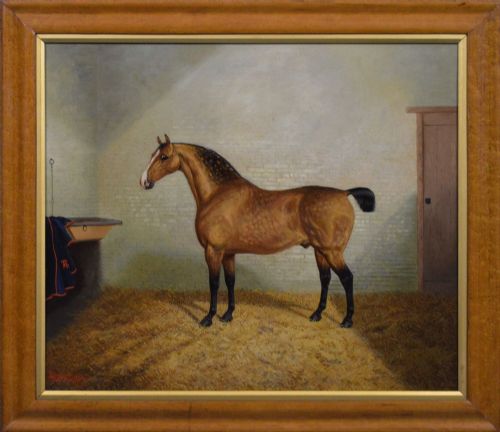
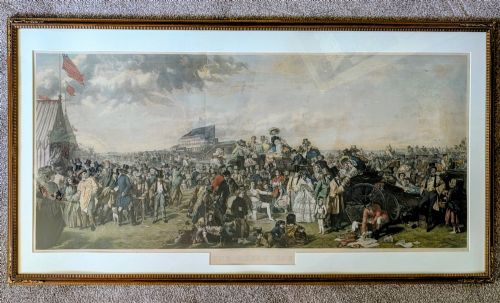
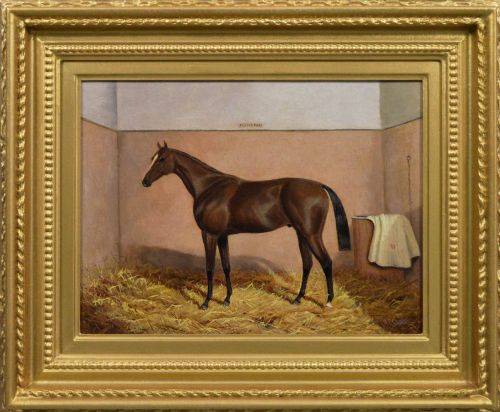
Victorian equestrian wall art encompasses oil paintings, watercolours, lithographs, aquatints, and etchings dedicated to horses, racing, hunting, and rural life. The most frequent encounters on this page are oil paintings on canvas depicting individual horse portraits, stable scenes, and racing subjects from the nineteenth century.
The selection ranges from detailed studies of named racehorses and hunters to broader sporting scenes involving hounds, riders, and carriages. Framed prints and painted reproductions after prominent artists also appear alongside original works created across the Victorian period and into the early twentieth century.
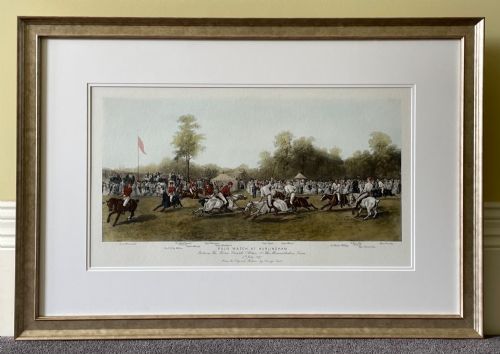
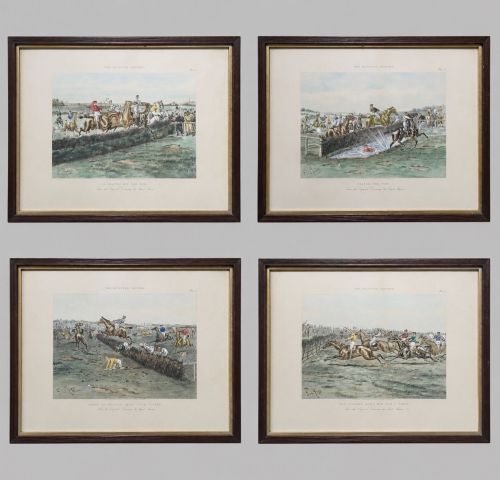
Compositions vary from intimate portraits of bay and chestnut horses to dynamic action scenes capturing polo matches, hunts, and race finishes. These works reflect a society where horses held a central place in transport, sport, and leisure.
Materials and Techniques
Artists of this period worked primarily in oil paint upon prepared canvas or wood panels, building rich textures and deep tones for coats and landscapes. Watercolours on paper offer lighter, more translucent studies, often preserved behind glass within period frames.
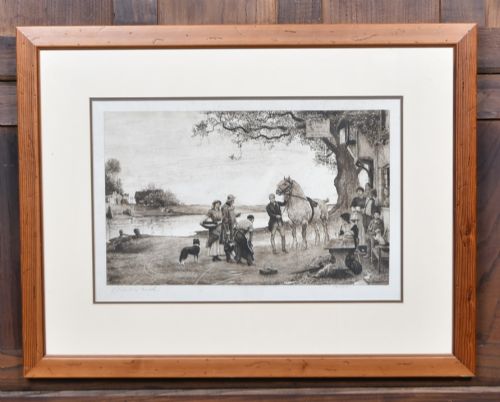
Printmakers employed techniques such as lithography, etching, and aquatint to reproduce popular sporting images for a wider audience. These prints were frequently hand-coloured or mounted within giltwood frames that enhanced their visual impact on the wall.
Victorian Equestrian Wall Art Retail Price Guide 2026
Typical asking prices for victorian equestrian wall art among the pieces listed under this phrase on Sellingantiques today, from the lower quarter to the upper quarter. They describe what is for sale here now, not the wider market.
Several Victorian horses captured by these artists retain their famous names on the canvas, preserving equine stardom from the eighteen-nineties.
Judging Quality
Quality rests upon the artist's anatomical accuracy in rendering the horse's musculature, stance, and expression, alongside the handling of light and background detail. Superior works capture the distinct personality and conformation of a specific animal rather than presenting a generic form.
The integration of the horse within its landscape or stable setting dictates the depth of the composition. Finer pieces demonstrate confident brushwork or precise print execution, coupled with original framing that suits the period of creation.
Henry Barraud·William Powell Frith·Thomas Smythe·Albert Clark·Robert W Macbeth·George Finch Mason·Abraham Cooper·Fred Fitzpatrick·Edward Priestley·John Alfred Wheeler·Edwin Henry Landseer·Thomas Walker Bretland·John Frederick Herring Snr·John Ferneley Senior·John Arthur Lomax·King Edward VII·John Frederick Herring Jnr·Basil Nightingale·Edward Lloyd of Ellesmere·George E Sharpe·Léon Joseph Voirin
The Victorian Equestrian Wall Art Glossary
- Aquatint
- A printmaking technique that produces tonal areas resembling watercolour washes. It was frequently utilised for reproducing sporting scenes and racing plates.
- Lithography
- A planographic printing process using a stone or metal plate. This method allowed popular Victorian paintings to be widely published as prints.
- Giltwood
- Wood carved and coated with gold leaf or a gold-coloured finish. It is commonly found on the ornate frames enclosing nineteenth-century oil paintings.
- Sporting Art
- A genre dedicated to depicting bloodsports, racing, and animals. It forms the core category for nineteenth-century equine imagery.
- Provenance
- The documented history of ownership attached to a work of art. It provides verifiable background on where a piece was previously kept or exhibited.
Victorian Equestrian Wall Art: Frequently Asked Questions
What subjects appear in victorian equestrian wall art?
These works depict named racehorses, hunters, stable interiors, polo matches, and fox hunting scenes. Artists recorded individual animals alongside broader rural and sporting landscapes.
Many pieces document specific historical events, winning racehorses, and estate owners from the nineteenth century.
How do I identify the age of a piece?
Dating relies on stylistic markers, artist signatures, framing materials, and inscribed biographical details on the canvas or reverse. Many works carry specific dates or reference known historical races and owners.
Examining the canvas preparation and stretcher frames also helps confirm nineteenth-century origins.
Were these works meant for homes or clubs?
Equine art hung in country houses, estate offices, and gentleman's clubs as a mark of prestige and sporting enthusiasm. Wealthy owners commissioned portraits of their prized thoroughbreds and hunters.
Prints allowed a wider public to display popular sporting subjects in domestic interiors.
How should I hang and light these pieces?
Keep oil paintings and watercolours away from direct sunlight to prevent fading of pigments and paper. Stable indoor humidity protects both the canvas and the original giltwood frames.
Warm picture lights placed above the frame highlight the deep tones of nineteenth-century oil paints.