
Victorian Equestrian
Victorian equestrian antique works bring the horse culture, sporting art and tack room of the nineteenth century straight into a modern home.
Victorian Equestrian
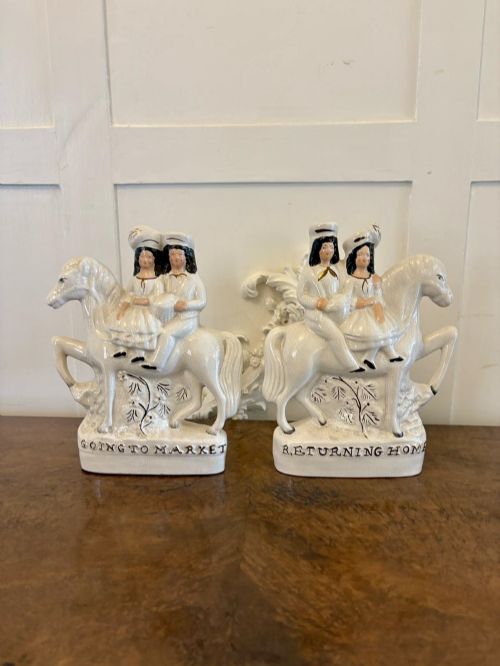
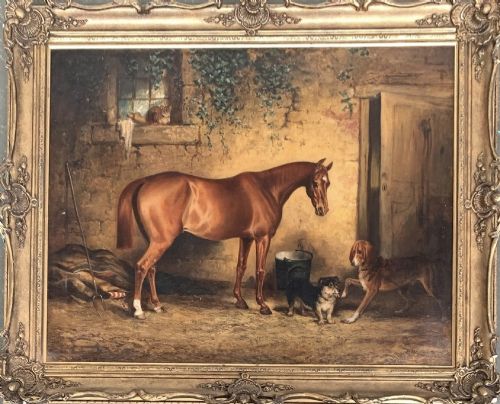
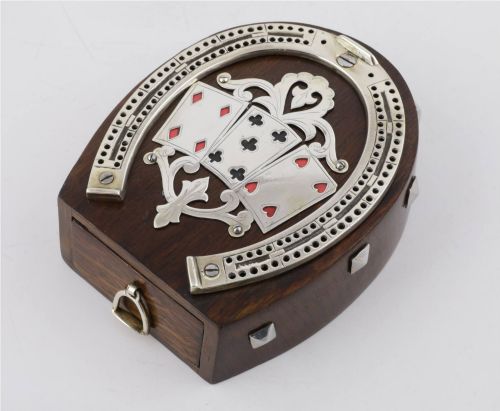
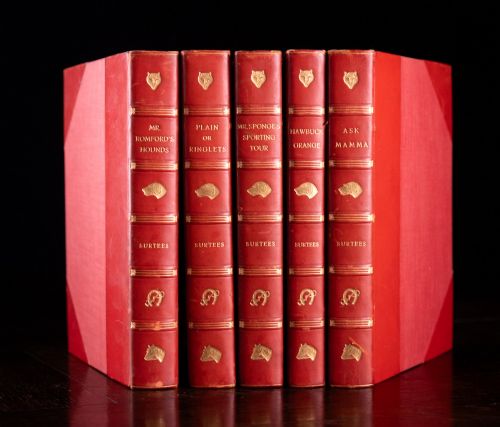
A victorian equestrian antique encompasses oil paintings of hunters and racehorses, cast iron saddle racks, silver novelty items and Staffordshire pottery figures. Buyers look for items that connect directly to nineteenth-century horsemanship, country sports and coaching life.
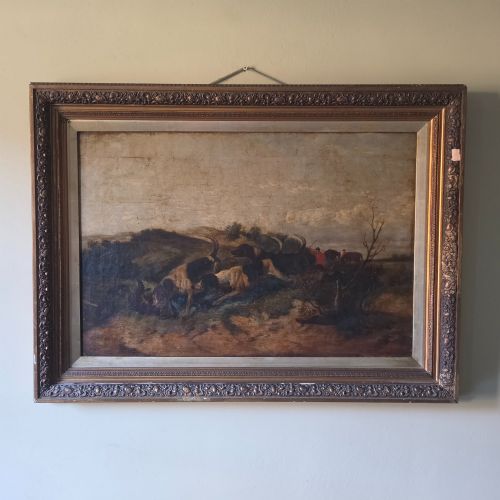
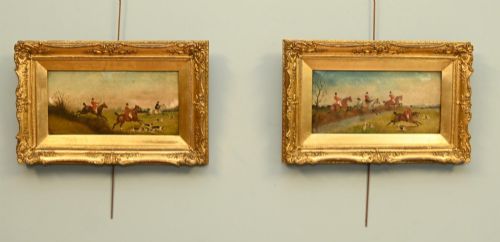
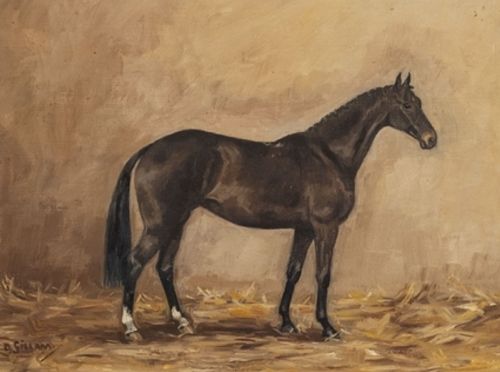
The selections on this page lean heavily towards framed oil paintings of horses in stables or landscapes, alongside utilitarian brass and iron tack room fittings. Prints, lithographs and silver accessories also appear frequently within the available selection.
Originating predominantly from British country houses, stables and urban Victorian hallways, these items served practical equestrian functions or celebrated prized animals. Their survival reflects a society deeply reliant on the horse for transport, sport and industry.
How they were made
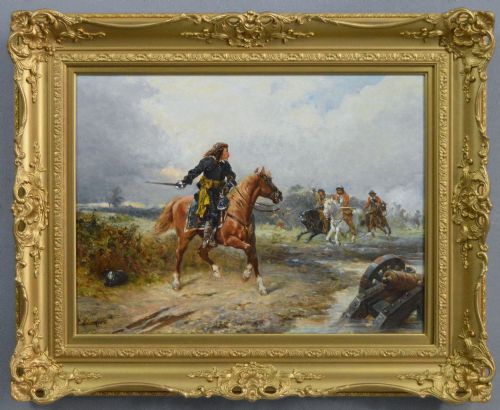
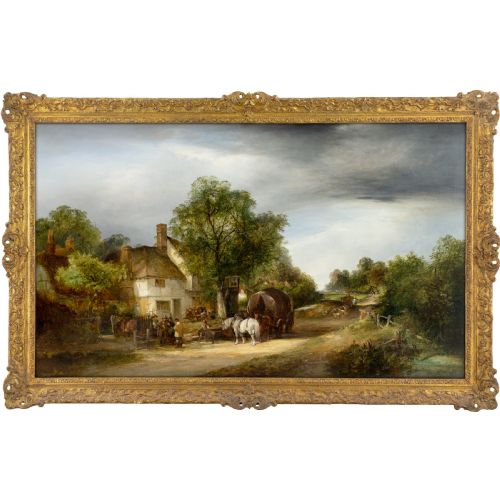
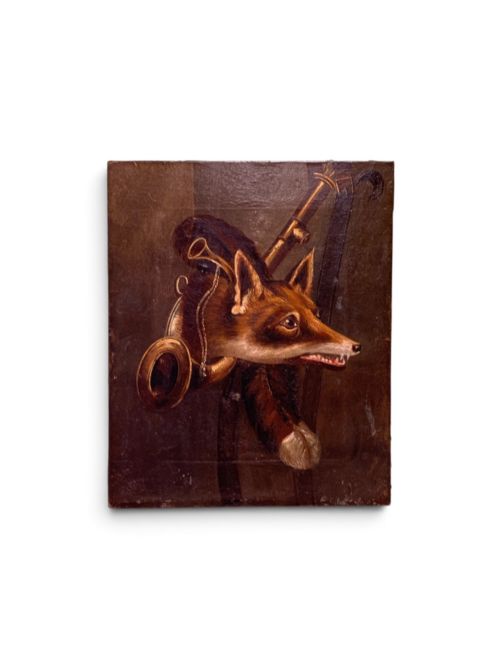
Makers utilised oil paint on canvas for equine portraits and rural scenes, applying layered pigments to capture the sheen of a horse coat and the texture of leather tack. Framed works often feature gilt wood frames moulded with traditional Victorian ornamentation.
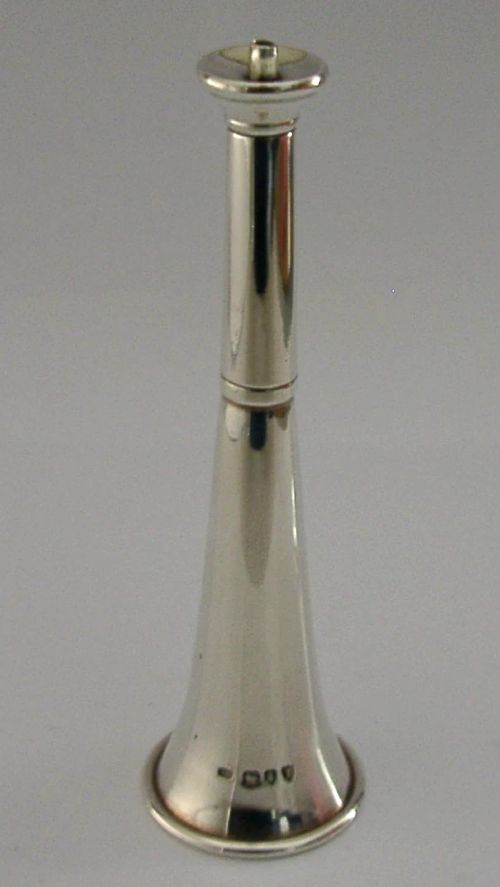
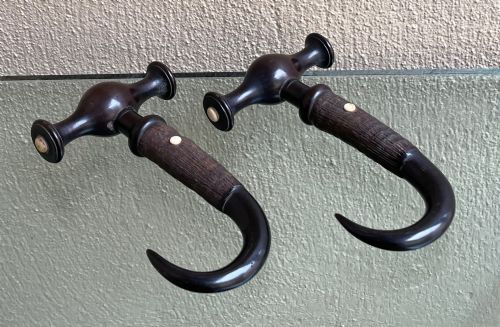
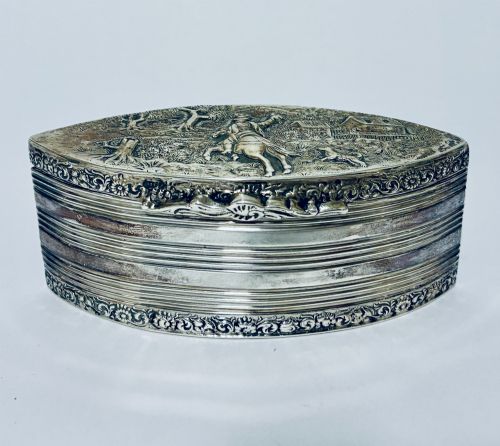
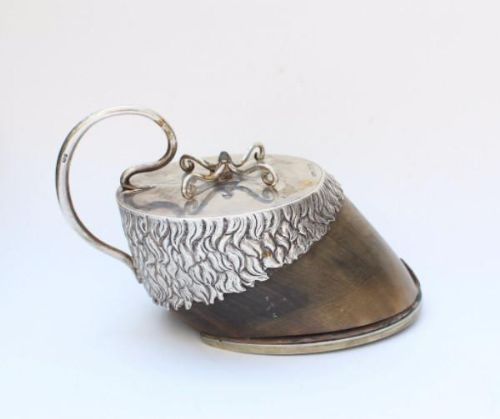
Metal items rely on traditional foundry techniques, casting iron and brass into robust saddle racks, boot jacks and novelty desk accessories. Silversmiths hammered and chased sterling silver to create pill boxes, cigar lighters and snuff containers shaped like hooves and hunting horns.
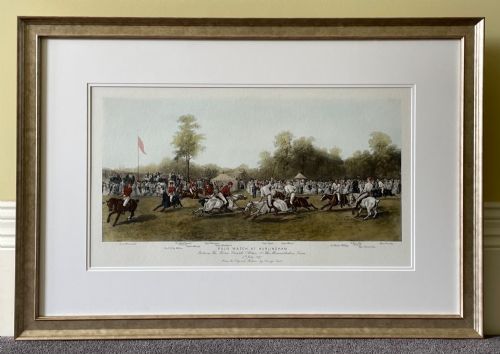
Woodwork ranges from carved mahogany hall stands and boot racks to solid oak furniture constructed for heavy daily use in stable yards. Paper items such as lithographs and aquatints were printed using inked metal plates or stones, then occasionally hand-tinted.
Materials documented across the inventory include mahogany, oil paint, gilt wood, leather, cast iron and paper.
What varies in quality
Anatomical accuracy in painted horses and modelled figures separates master works from simple commercial productions, as skilled artists captured tension, muscle structure and temperament precisely. Lesser pieces display stiff postures and incorrect equine proportions.
The integrity of original materials dictates value, meaning pieces retaining their untouched patinated leather, unpolished cast iron surfaces or original gilt frames command greater respect. Refinished items or replacements alter the historic character significantly.
Subtlety of detail in cast metalwork and chased silver distinguishes workshop standards, where sharp hoof contours and clear hallmarks indicate superior craftsmanship over soft, worn casting moulds.
James Dixon And Sons·Thomas Smythe·Albert Clark·Robert W Macbeth·Sir John Gilbert·George Finch Mason·Sir Edwin Henry Landseer·Abraham Cooper·Henry Barraud·Fred Fitzpatrick·C H Weigall·Edward Priestley·John Alfred Wheeler
The Victorian Equestrian Glossary
- Aquatint
- An intaglio printmaking technique that produces areas of tone resembling watercolour washes. It was widely utilised in the nineteenth century for sporting prints.
- Flatback
- A ceramic figure designed with an unpainted flat rear side meant to stand against a mantelpiece wall. Staffordshire potteries produced many equestrian examples in this manner.
- Tack rest
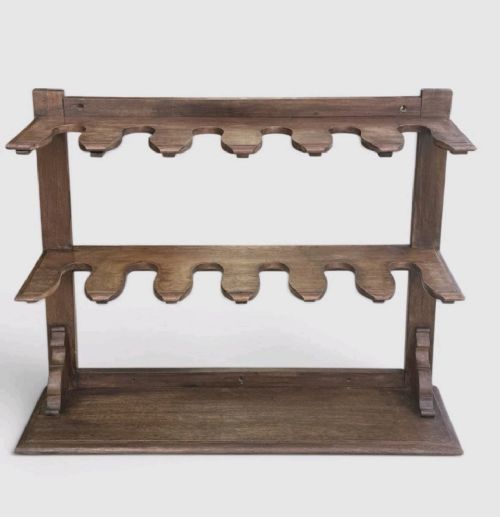
- A wall-mounted iron or wooden bracket designed to hold horse saddles and harnesses in a stable. They form a robust category of utilitarian antiques.
- Animalier
- A nineteenth-century artistic style focused on the realistic portrayal of animals. Sculptors and painters working in this tradition studied equine anatomy closely.
- Lithograph
- A planographic printing method using a stone or metal plate. Nineteenth-century publishers used it to mass-produce affordable horse racing and hunting scenes.
Victorian Equestrian: Frequently Asked Questions
What is a Victorian equestrian antique?
It is an artefact, artwork or utility item from the nineteenth century connected to horse riding, racing, hunting or stable management. These range from fine oil portraits of thoroughbreds to cast iron boot scrapers and silver trinket boxes.
Such items reflect the central role of horses in Victorian society for both practical transport and elite sport. Collectors prize them for their historical narrative and distinct craft traditions.
How were saddle racks used?
Saddle racks were mounted to the walls of tack rooms and stables to support leather saddles without distorting their padded panels. The curved design allowed air to circulate beneath the leather, preventing dampness and mildew.
Today, these heavy cast iron or wooden racks are repurposed in hallways and cloakrooms to hang coats, hats and contemporary equestrian gear.
How do I care for antique leather pieces?
Antique leather requires stable humidity and protection from direct sunlight to prevent drying and cracking. Gentle cleaning with appropriate conservation products helps preserve the natural flexibility of nineteenth-century tack boxes and boot cases.
Avoid modern chemical solvents or excessive conditioning oils, which can darken the historical patina and degrade aged stitching.
Are Staffordshire pottery figures original?
Nineteenth-century Staffordshire figures were hand-painted in pottery works, resulting in individual variations in glaze and colour application. Genuine pieces often show fine crazing across the ceramic surface and appropriate wear to the undersides.
Displaying them away from high-traffic areas protects the delicate earthenware from accidental chips and structural impacts.