


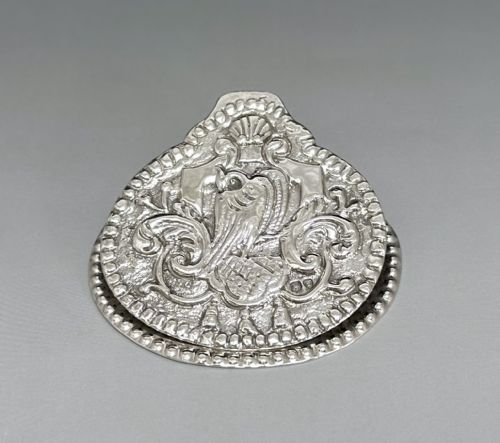


Sterling Silver Paperweight
These sterling silver paperweight pieces combine solid metalwork with practical desk utility, offering both sculptural presence and period charm for a working surface.
Sterling Silver Paperweight
A sterling silver paperweight serves as a desk accessory that anchors loose documents while adding decorative character to a workspace. The selection spans periods from the Victorian and Edwardian eras through to Art Deco and Mid-Century designs.
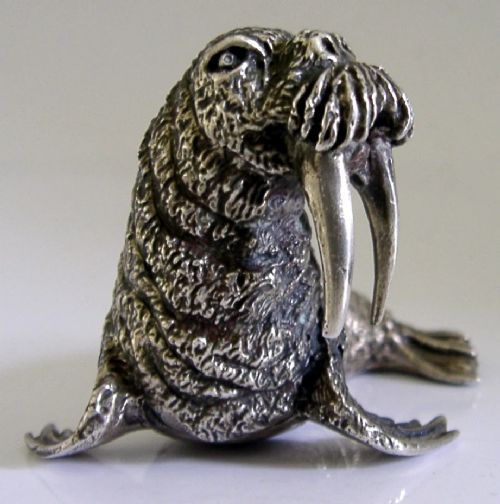
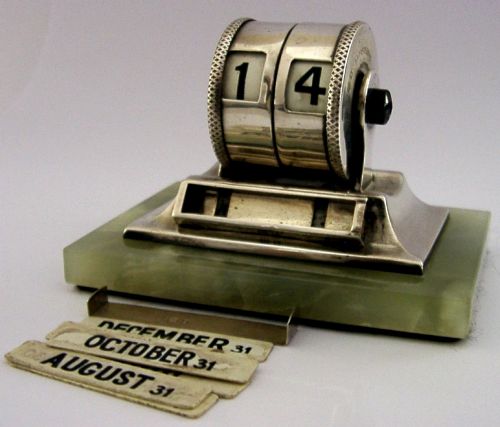
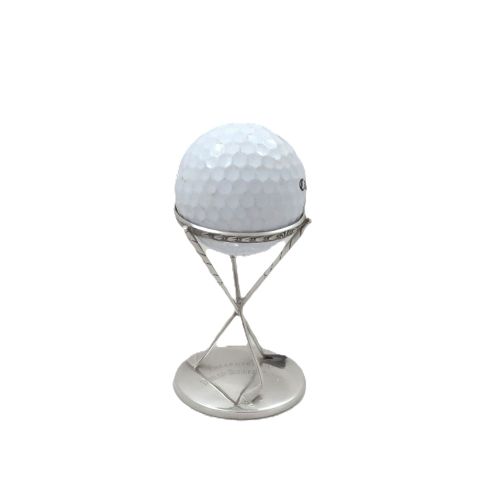
Forms vary widely from animal figures and equestrian subjects to functional items like desk calendars, inkwells, and golf ball stands. Pieces often incorporate mixed materials alongside silver, bringing variety to the category.
Buyers will encounter items ranging from naturalistic animal models to geometric desk objects. These pieces reflect the prevailing design tastes of their respective decades, from English country house aesthetics to Mid-Century British and Italian modernism.
How they were made
Construction relies on working sterling silver into cast figures, mounted trims, or shaped overlays. Techniques include casting animal models, shaping sheet silver, and mounting metal components onto natural bases.
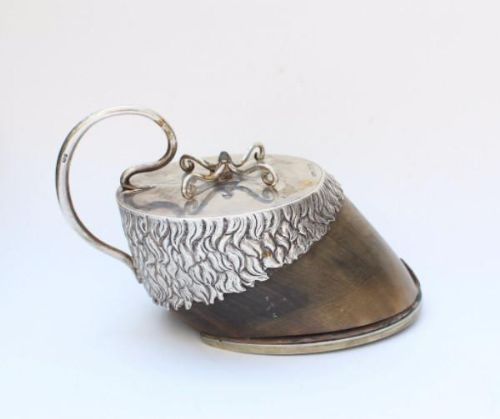
Makers frequently paired sterling silver with contrasting materials such as horn, hoof, onyx, wood, glass, and paper. This combination of metal and secondary substrates required precise fitting and mounting skills.
A genuine horse hoof serves as an Edwardian paperweight, proving that practicality and peculiar taxidermy once shared the same desk.
What varies in quality
Quality shows in the crispness of the casting and the weight of the silver used in each piece. Heavier items with detailed animal modeling or solid construction sit at the higher end of the range.
The integration of secondary materials like green onyx, cut crystal, or ebony plinths affects the overall refinement of the desk accessory. Superior examples maintain clear hallmarks and secure mounts that withstand regular desk use.
Berthold Muller·Edward and John Barnard·Mario Bucellati
The Sterling Silver Paperweight Glossary
- Sterling silver
- An alloy containing 92.5 percent silver and 7.5 percent other metals, usually copper, chosen for durability in desk items.
- Hallmark
- An official stamp indicating the metal standard, assay office, and year of manufacture on silver objects.
- Plinth
- A heavy base or block supporting a silver figure or desk ornament, often made of onyx, wood, or ebony.
- Cast
- A manufacturing method where molten silver is poured into a mould to create three-dimensional figures or decorative mounts.
- Desk accessory
- A functional or decorative item designed for use on a writing table, including calendars, clips, and paperweights.
Sterling Silver Paperweight: Frequently Asked Questions
What is a sterling silver paperweight?
A sterling silver paperweight is a desk accessory made predominantly from solid silver, often cast into the form of animals, figures, or geometric shapes to hold down paper.
These items range from Victorian novelties to Mid-Century modern pieces, serving both a practical function and a decorative purpose on a desk.
How do I date a silver paperweight?
Dating is usually achieved by examining the assay office hallmarks stamped directly onto the silver surface, which correspond to specific active years and makers.
Stylistic cues such as Art Deco geometric lines or Victorian naturalism also help assign pieces to periods like the Edwardian era or the 1950s.
What materials are paired with the silver?
Makers frequently mounted sterling silver onto natural materials including horn, horse hoof, green onyx, black ebony, wood, and cut crystal.
These contrasting elements provided extra weight for paper retention while adding visual texture and colour variation to the desk object.
How should I care for a desk paperweight?
Maintenance involves gentle cleaning with a soft cloth to remove dust from detailed casting recesses without damaging any secondary materials like onyx or glass.
Harsh chemical dips should be avoided, particularly on items featuring mounted organic substrates such as horn or hoof.