
Victorian Entryway Seating
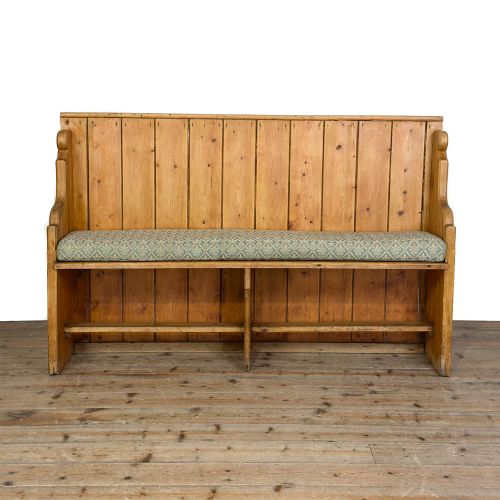
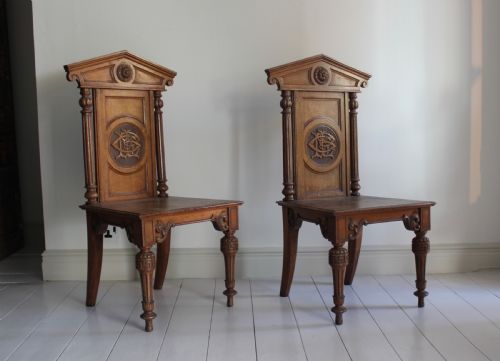
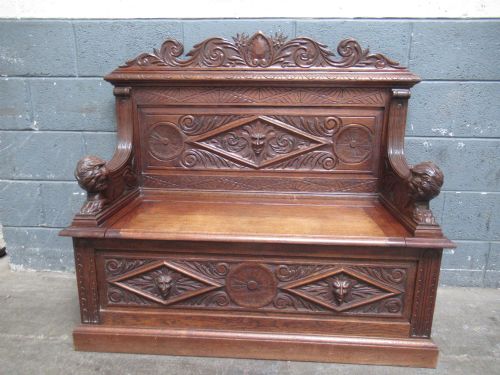
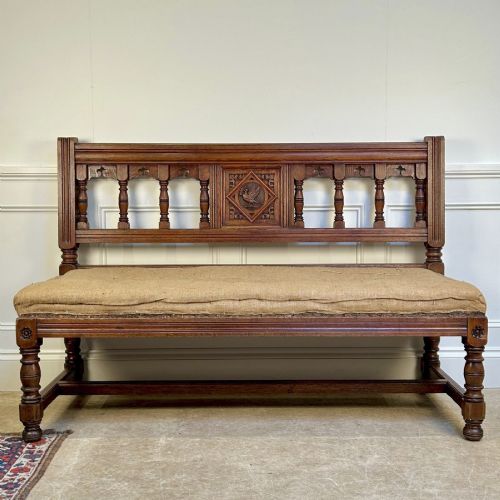
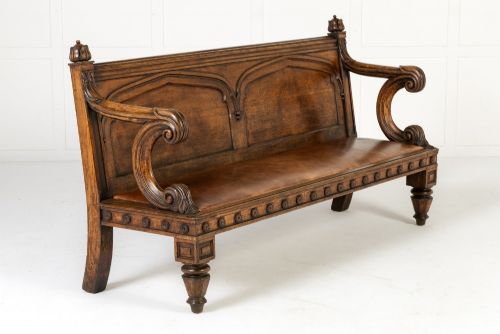
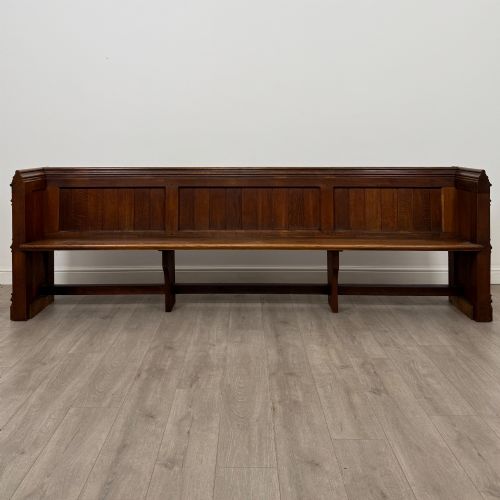
Victorian entryway seating spans sturdy oak pews and carved mahogany hall chairs designed to anchor a traditional hallway.
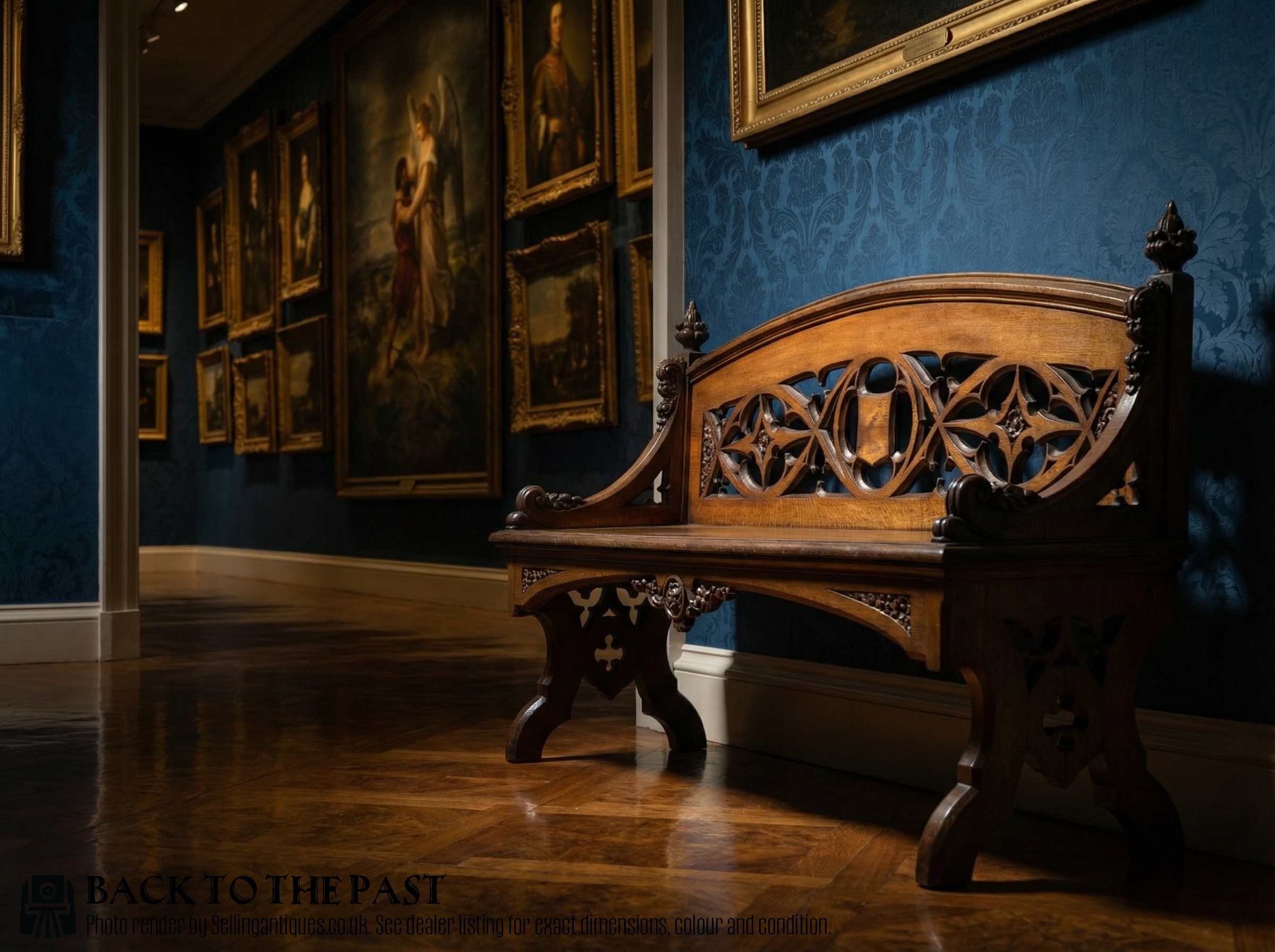
Victorian Entryway Seating
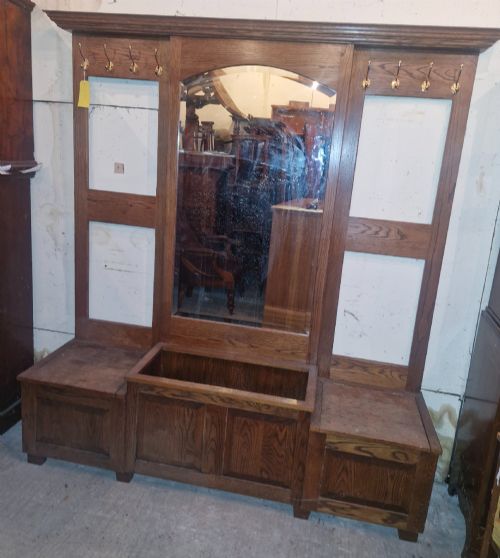
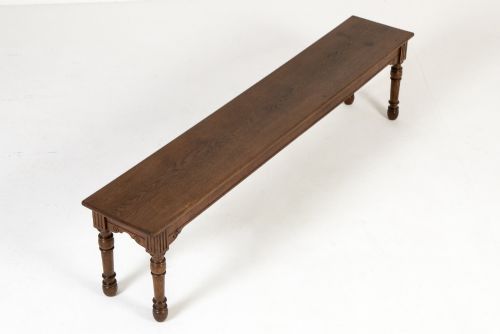
Victorian entryway seating encompasses a practical array of forms built for nineteenth-century hallways, ranging from single hall chairs to long benches, settles, and multi-functional stands. Pieces carrying this search phrase date predominantly from the nineteenth century, including specific decades such as the eighteen-eighties and eighteen-nineties, alongside occasional Edwardian examples.
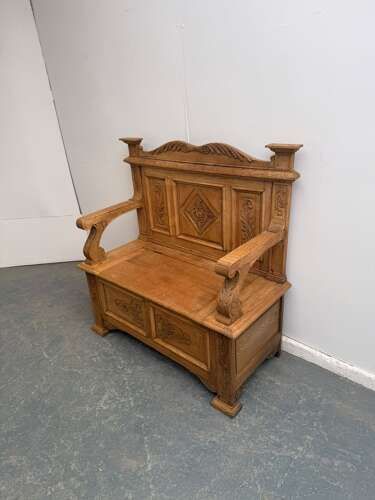
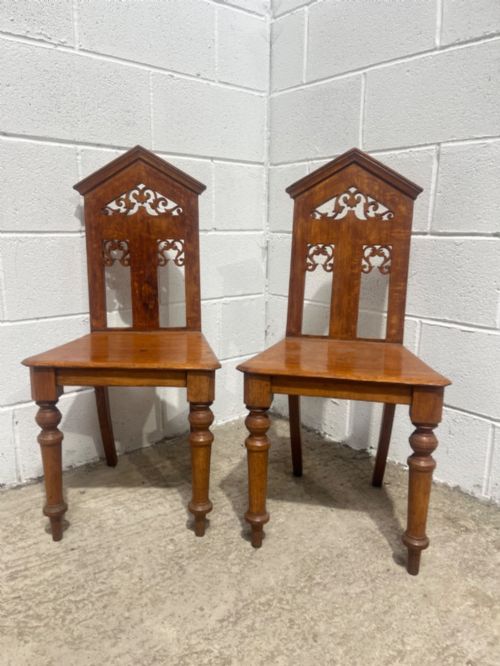
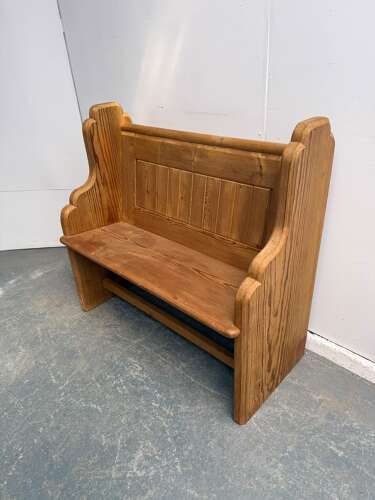
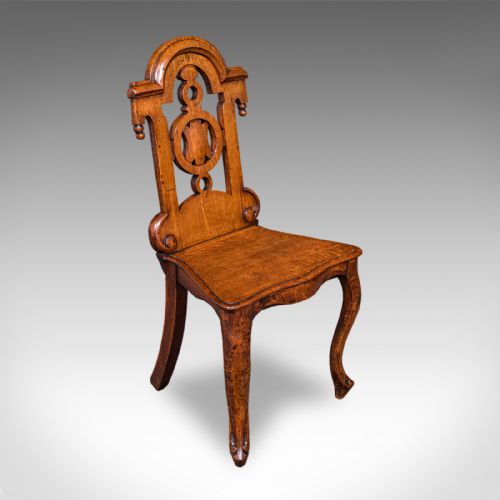
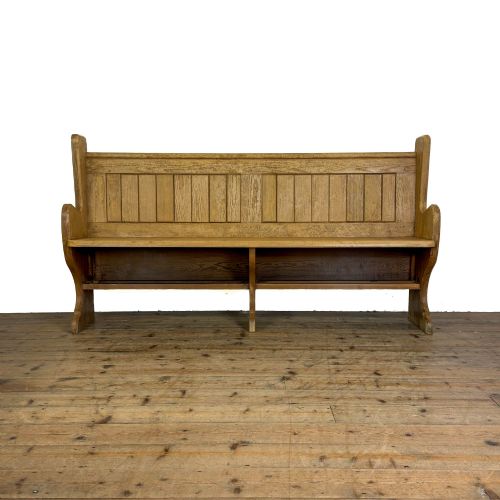
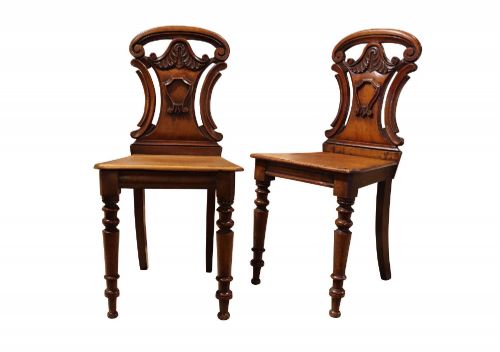
The materials and styles appearing in these listings reflect the robust tastes of the period, utilising solid woods like oak, mahogany, and pine, often styled in Gothic Revival, Jacobean Revival, or plain country fashions. Buyers frequently encounter upright hall chairs with carved wooden seats alongside enclosed box settles and pews designed to provide both seating and storage in the vestibule.
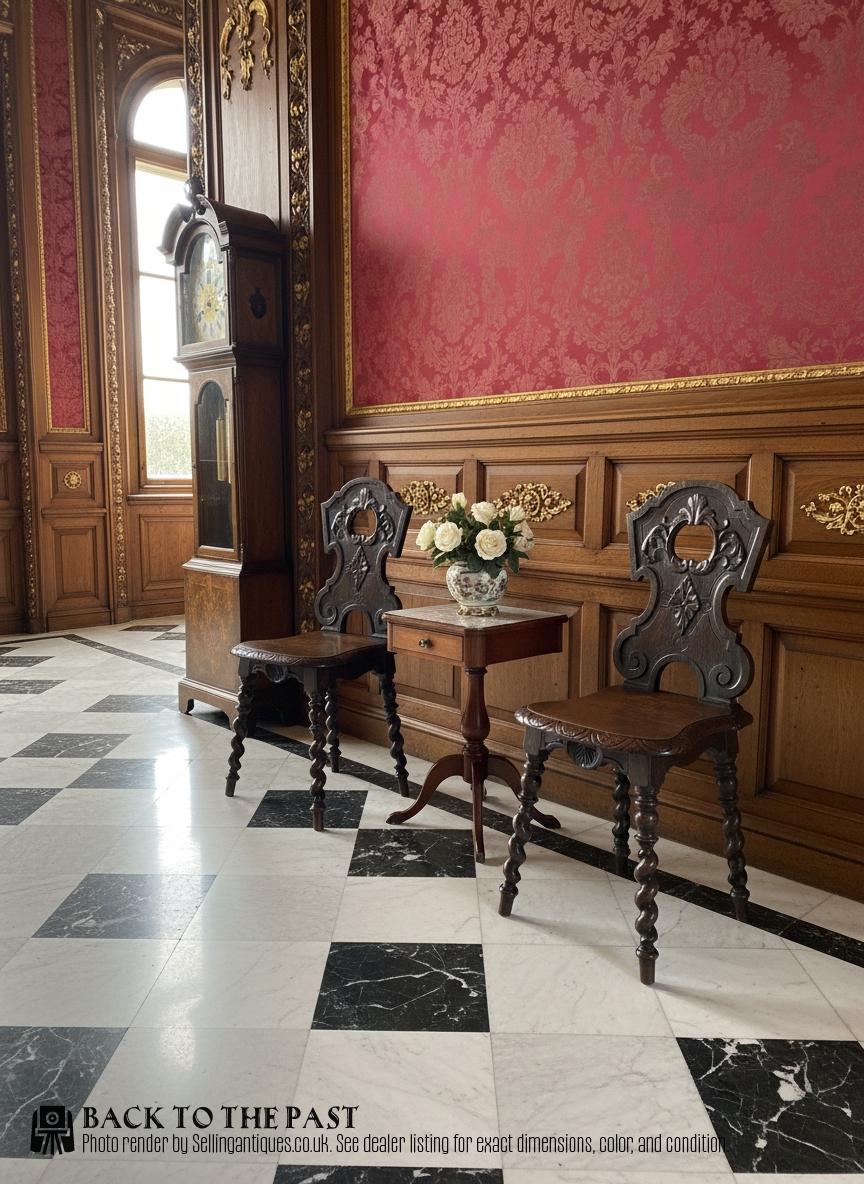
Materials and construction
Makers constructed these entryway pieces primarily from dense hardwoods like oak and mahogany, alongside softer pine and occasional walnut or elm. Joinery relied on traditional methods suited to heavy daily use in busy hallways, often incorporating waxed finishes to protect the timber.
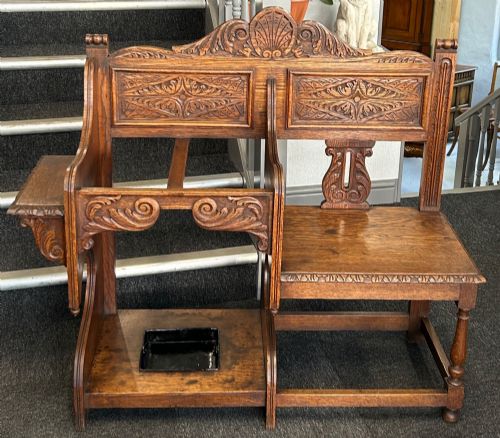
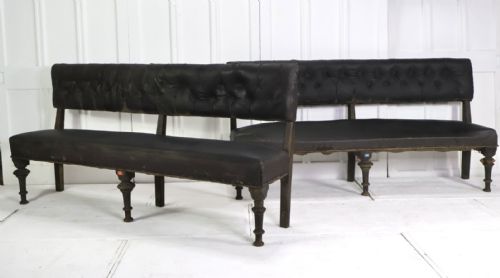
Metal elements such as brass mountings appear on specific benches and stands to hold walking canes and umbrellas, while fabric and leather upholstery sometimes cushions seats on later variations.
Victorian Entryway Seating Retail Price Guide 2026
Typical asking prices for victorian entryway seating among the pieces listed under this phrase on Sellingantiques today, from the lower quarter to the upper quarter. They describe what is for sale here now, not the wider market.
Periods range from the nineteenth century through the Edwardian era.
Distinctions in craftsmanship
Quality varies significantly between standard utility furniture and pieces bearing workshop attribution or elaborate architectural carving. Higher-grade examples display depth in heraldic shield backs, crisp linenfold or Gothic tracery, and dense timber selections such as burr elm or figured mahogany.
The integrity of the structural joints and the originality of the timber finish separate ordinary workshop output from superior items produced by noted cabinet makers of the period.
GIllows·James Shoolbred & Co.
The Victorian Entryway Seating Glossary
- Hall chair
- An upright wooden seat designed for a hallway, typically featuring a solid carved timber seat and a decorative back rather than upholstered comfort. These pieces were meant for brief use.
- Settle
- A wooden bench with a high back, solid arms, and often an enclosed storage compartment beneath the seat. This form protected sitters from draughts in entrance spaces.
- Box settle
- A form of bench incorporating a hinged lid that opens to reveal a storage box below the seat. It served a dual purpose for keeping household items tidy.
- Gothic Revival
- An architectural and decorative style drawing inspiration from medieval design, featuring pointed arches, tracery, and heavy carved details. This style heavily influenced nineteenth-century seating.
- Church pew
- A long wooden bench originally built for ecclesiastical interiors, frequently repurposed as domestic hallway seating due to its sturdy construction.
Victorian Entryway Seating: Frequently Asked Questions
What is the difference between a hall chair and a hall bench?
Hall chairs are individual upright seats with decorative wooden backs, intended for brief sitting in an entranceway. They often feature carved heraldic shields or plain timber.
Hall benches accommodate multiple people and frequently incorporate integrated storage beneath the seat or built-in umbrella stands.
How were church pews used in Victorian entryways?
Church pews and chapel benches were frequently adapted for domestic hallways because their long timber forms provided substantial seating. Their solid pine or oak construction withstood heavy daily wear in busy vestibules.
These pieces often retain their original waxed surfaces and simple pew ends from their ecclesiastical origins.
What is a box settle?
A box settle combines a high-backed wooden bench with a built-in storage compartment hidden beneath the hinged seat. This design kept bulky outdoor garments and boots out of sight in the hall.
Examples range from plain country pine versions to heavily carved oak pieces influenced by Gothic Revival styles.
Which woods were used for these seats?
Makers relied heavily on durable timbers like oak and mahogany for formal and Gothic-influenced hallway seating. Softer woods such as pine appeared frequently in country pews and utilitarian benches.
Additional materials like walnut, elm, and brass mountings also feature across various nineteenth-century regional styles.