
Victorian Entryway Furniture
These robust victorian entryway furniture pieces organise hats, coats, and boots while setting a purposeful tone right by the front door.
Victorian Entryway Furniture
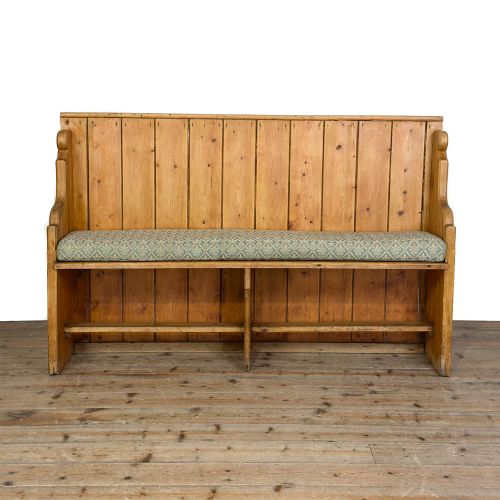
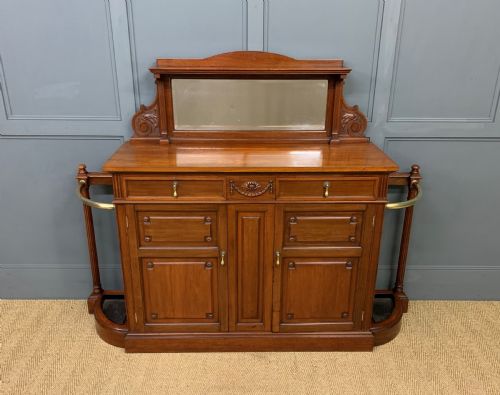
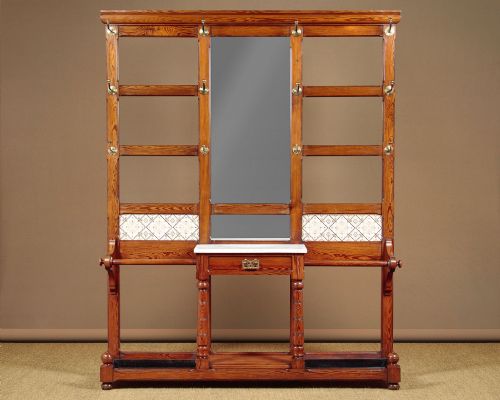
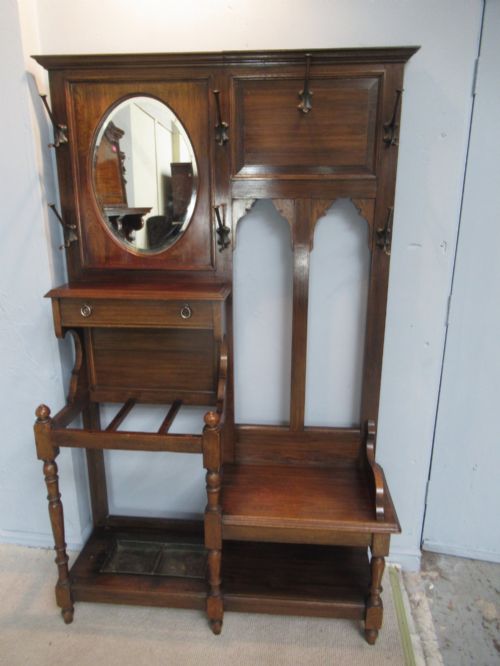
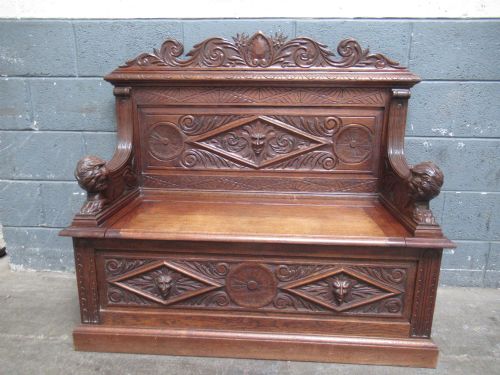
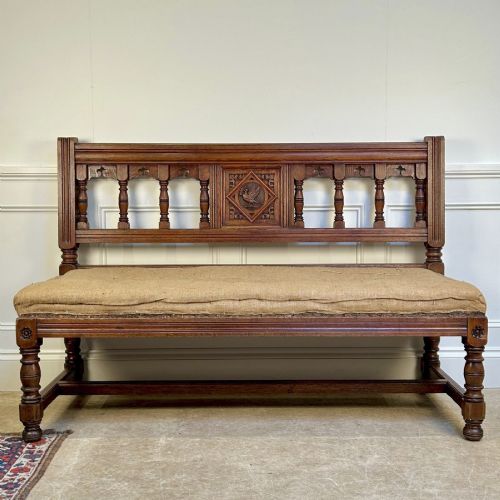
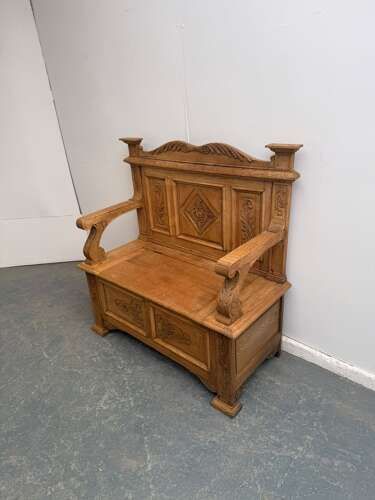
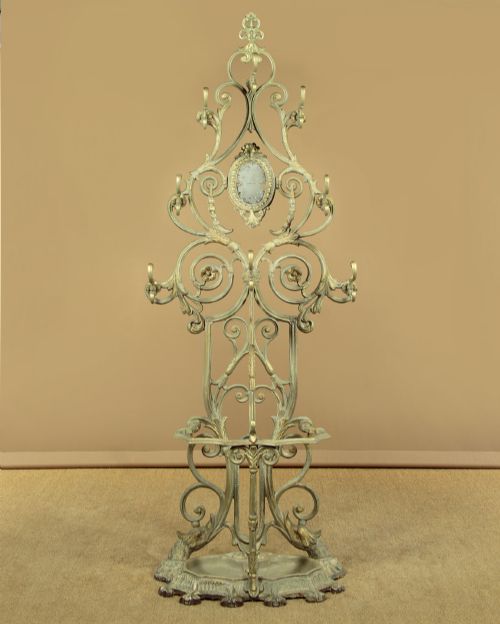
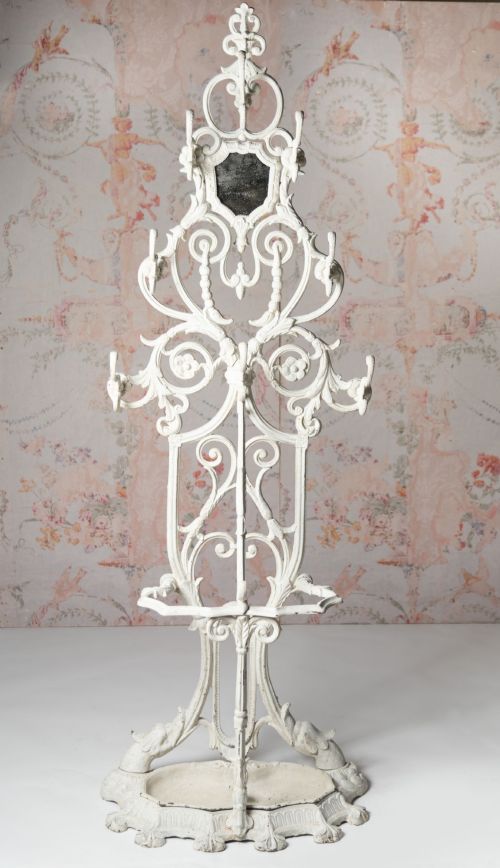
Victorian entryway furniture encompasses practical furnishings designed for the hall, landing, or vestibule, fulfilling domestic needs for storage and seating. When exploring victorian entryway furniture, buyers encounter a diverse range of forms including hall stands, benches, settle seats, console tables, and coat racks. These objects emerged to handle outer garments, umbrellas, and walking sticks before guests entered the main rooms of the house.
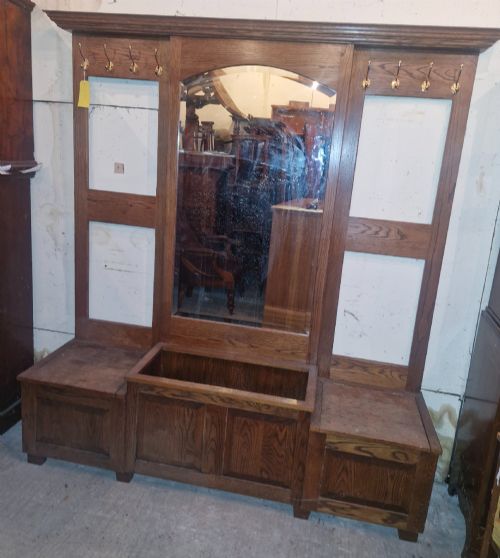
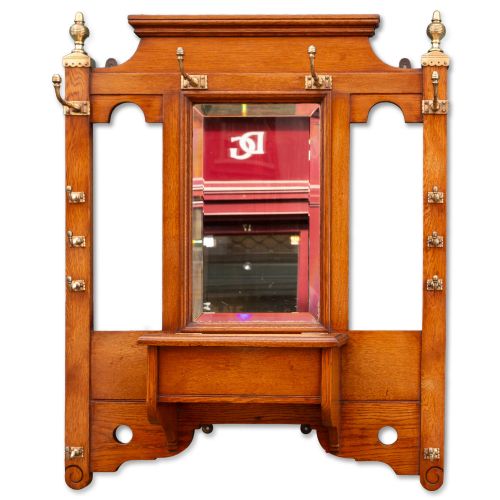
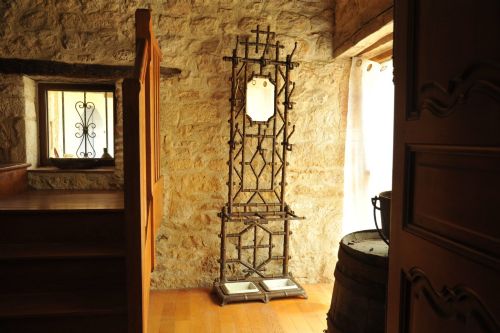
The material palette heavily favours durable timbers alongside structural metals for load-bearing utility. Oak dominates the selection, appearing alongside mahogany, walnut, pine, cast iron, and bamboo. Many pieces combine multiple functions, integrating mirrors, hinged storage boxes, and brass coat hooks into a single compact footprint.
Distinctions in Execution and Detail
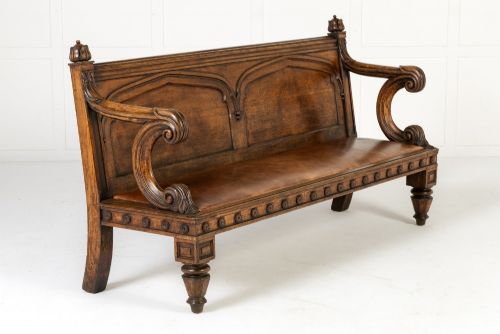
Quality separates standard utilitarian hall furniture from pieces commissioned for substantial country houses or urban mansions. Higher grade examples display crisper hand-carving, such as detailed Green Man motifs or complex Gothic tracery, executed in dense figured hardwoods like walnut and oak.
Structural integrity and original hardware define the upper tier of surviving items. Pieces retaining their matching brass drip trays, original coat hooks, and uncompromised joints demonstrate superior initial manufacture and careful preservation through generations of domestic use.
Victorian Entryway Furniture Retail Price Guide 2026
Typical asking prices for victorian entryway furniture among the pieces listed under this phrase on Sellingantiques today, from the lower quarter to the upper quarter. They describe what is for sale here now, not the wider market.
Listings feature items from the 19th century, Victorian period, and Edwardian era, constructed in oak, mahogany, pine, and cast iron.
Shoolbred & Co.·GIllows·James Shoolbred & Co.
The Victorian Entryway Furniture Glossary
- Hall stand
- A tall composite piece combining a mirror, coat hooks, a glove drawer or shelf, and a lower umbrella stand. These fixtures anchored the hallway and kept garments accessible.
- Settle
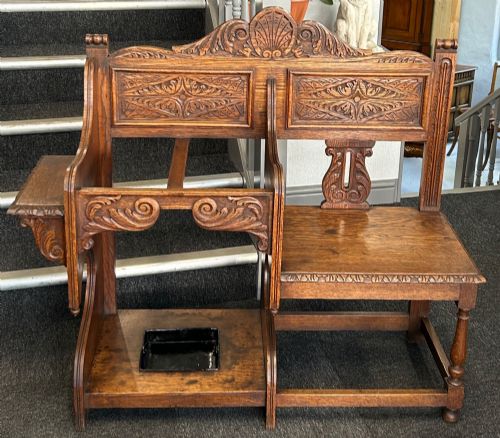
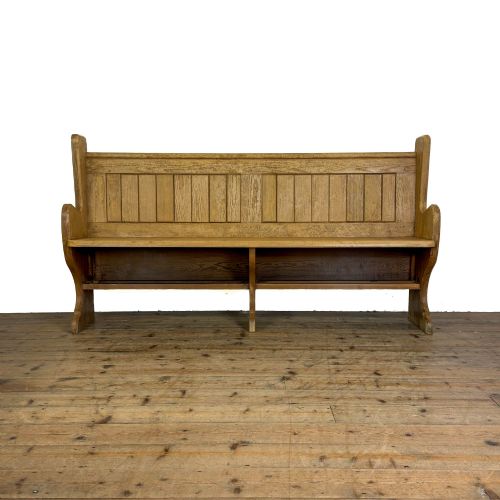
- A wooden bench with high backs and solid arms, often featuring a hinged seat that lifts to reveal a storage box. They offered draught-proof seating near the entrance.
- Console table
- A wall-mounted or freestanding table placed against a hallway wall, frequently topped with marble or mahogany. They provided a surface for calling cards and small items.
- Aesthetic Movement
- A late nineteenth-century design style focusing on art for art's sake, which introduced lighter materials like bamboo and Japanese-inspired motifs to hall furniture.
- Gothic Revival
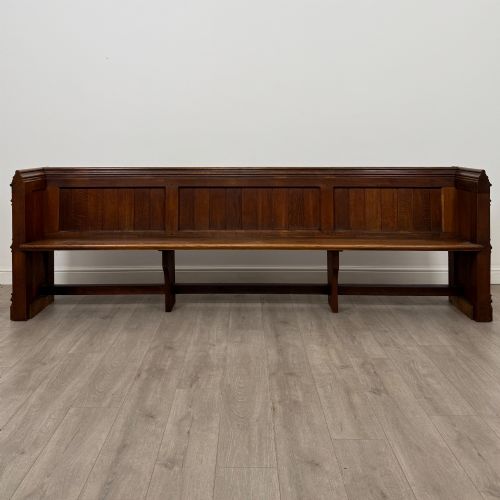
- An architectural and decorative style drawing on medieval forms, characterised by pointed arches, heavy oak timbers, and robust structural linenfold panelling.
Victorian Entryway Furniture: Frequently Asked Questions
What fits a narrow Victorian hallway?
Compact console tables or wall-mounted coat racks with integrated brass hooks occupy minimal floor space while still providing essential storage.
Alternatively, slender bamboo or cast iron umbrella stands utilise vertical height without blocking narrow walkways or doorways.
How do I use a hall settle?
Hall settles provide sturdy seating when putting on footwear near the front door.
The lifting seat reveals a hidden compartment suitable for storing blankets, scarves, or seasonal accessories out of sight.
Are these pieces made of solid wood?
Most pieces utilise solid hardwoods like oak, walnut, and mahogany, alongside pine for secondary structural elements.
Carpenters built these items to endure heavy daily traffic, relying on thick timber planks rather than thin veneers.
How do I identify Gothic Revival styles?
Gothic Revival items feature architectural motifs inspired by medieval design, including pointed arches and heavy carved oak panels.
These pieces often display a dark waxed finish and substantial proportions intended to project historic gravity.