
Victorian Engraved Silver
Victorian engraved silver encompasses decorative items worked with fine surface patterns, from pocket vesta cases to large tea caddies, sought after for crisp historical craftsmanship.
Victorian Engraved Silver
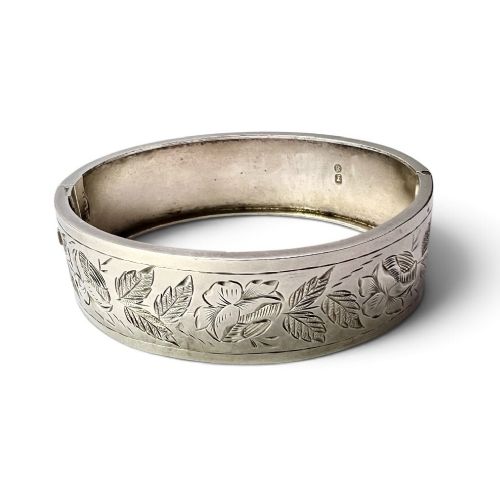
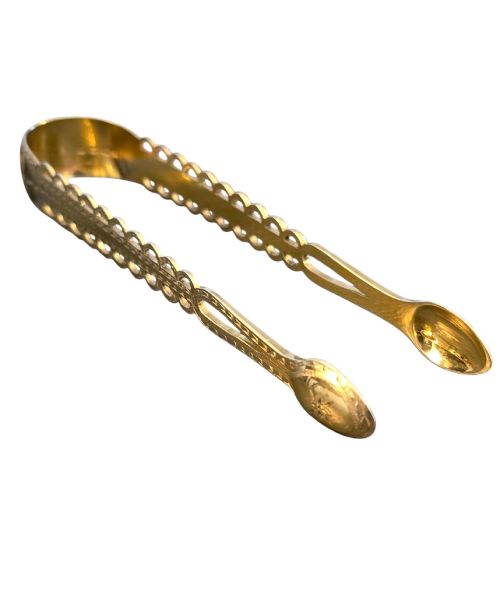
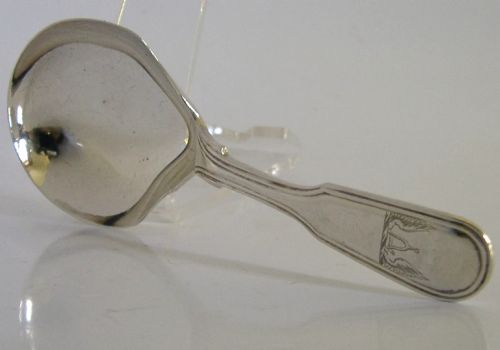
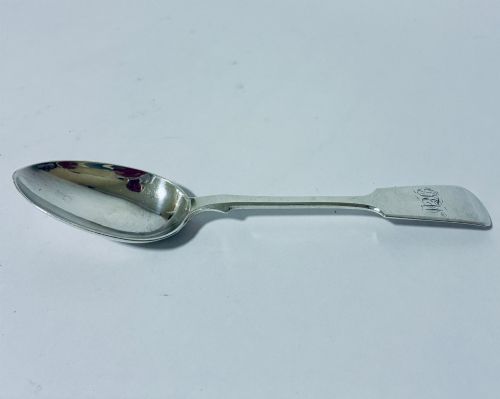
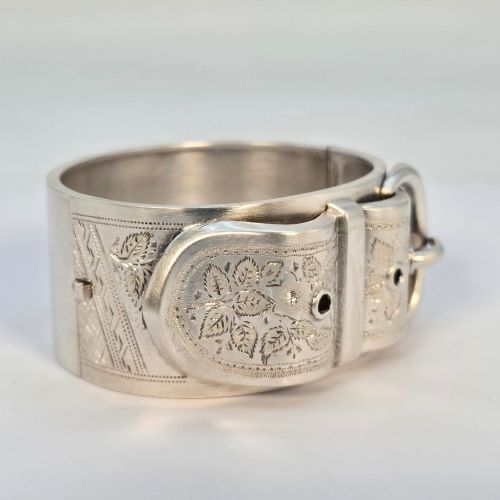
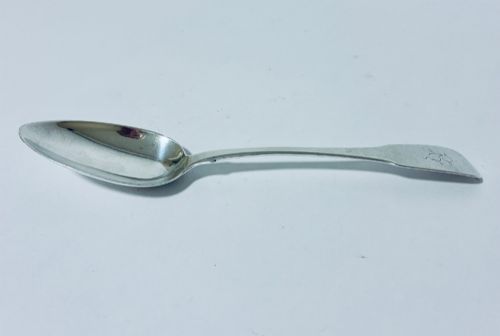
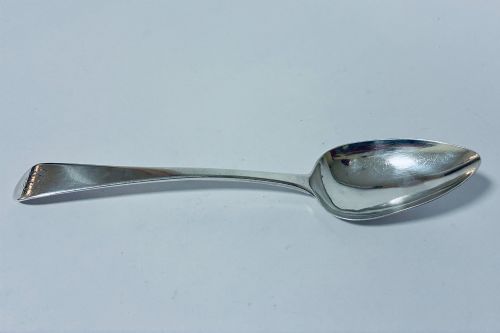
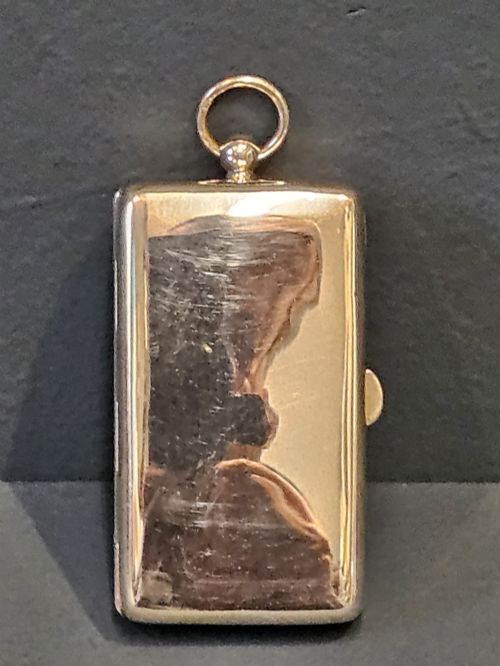
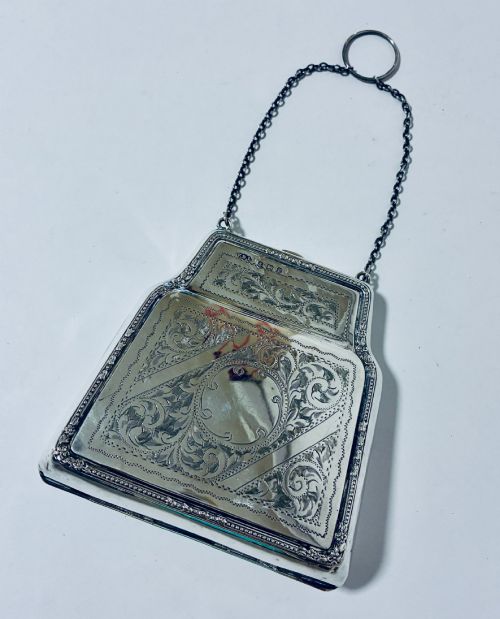
Victorian engraved silver spans personal accessories, dining table utensils, and domestic vessels created during the nineteenth century and associated decades. These objects carry linear patterns, foliage, crests, and scrolls cut directly into the metal surface by hand.
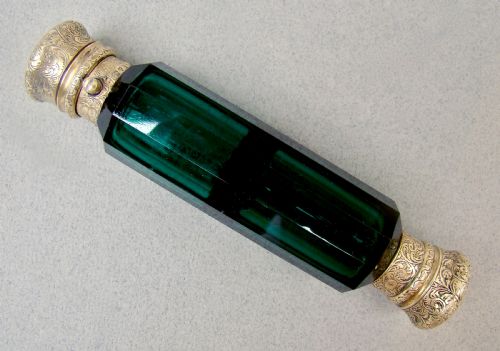
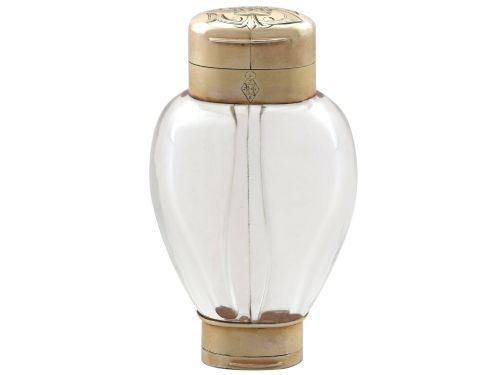
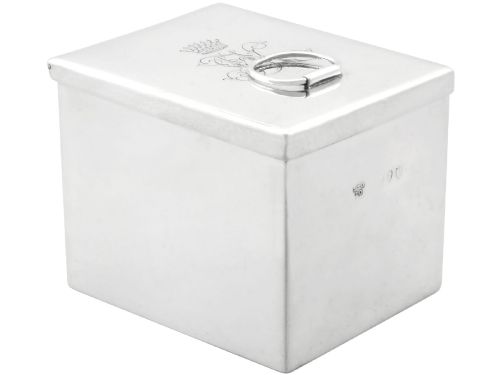
Tea caddies, vesta cases, scent bottles, and snuff boxes form the primary items met on this page. Many bear hallmarks from Birmingham and London assay offices, alongside provincial marks from Exeter.
Design influences range from early Victorian naturalism through to Aesthetic Movement motifs and Gothic Revival styling. Functional items frequently double as display pieces owing to the density of surface ornamentation.
Materials and Techniques
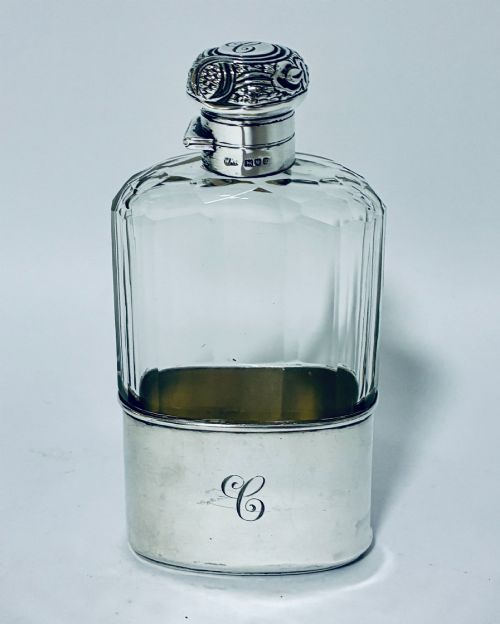
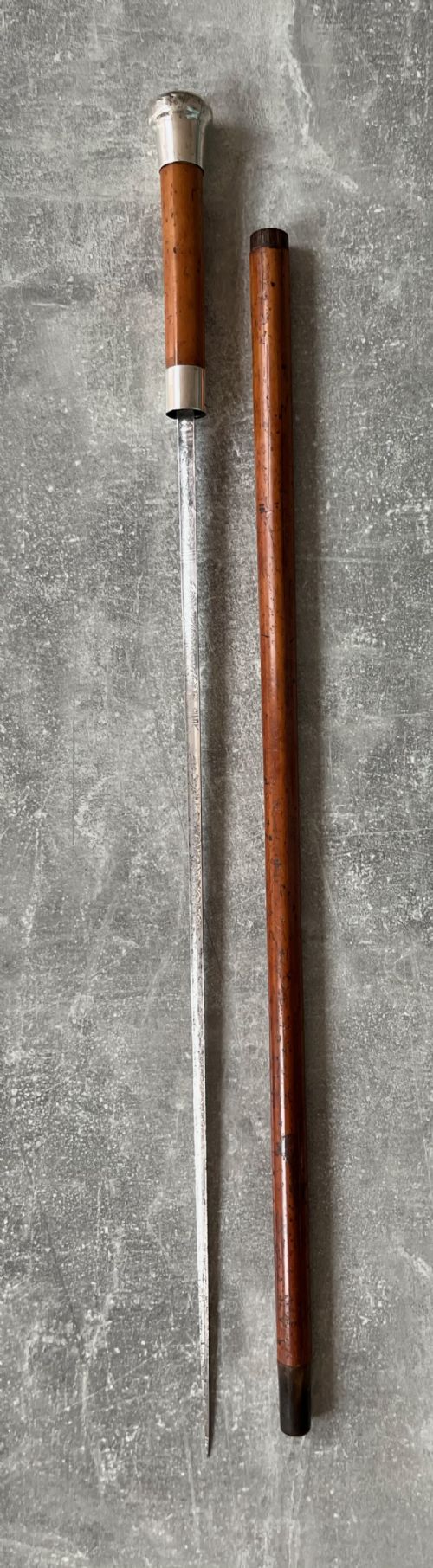
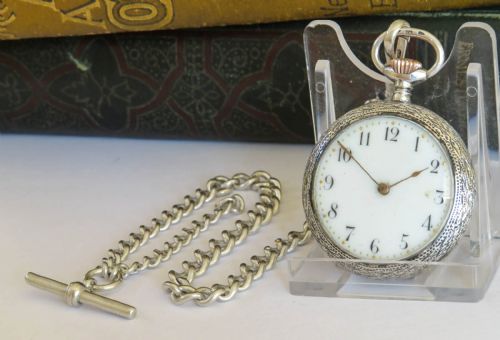
Sterling silver provides the primary foundation for these items, supplemented by silver plate, silver gilt, and occasional mounts on glass, malacca, or amber. Gold, steel, and enamel appear in targeted details such as fob chains, watch movements, and decorative highlights.
Engraving is executed using sharp gravers to cut lines, hatchings, and recessions into the silver sheet or cast body. Chasing and repoussé work often accompany the engraving to push the metal from behind and raise dimensional floral or geometric elements.
Listings feature items spanning the 1840s to the 1960s, utilising sterling silver, glass, amber, and enamel across dining wares and personal accessories.
Quality Variations
Depth and precision of the hand-cut lines govern visual success, where shallow or hurried scoring lacks the crisp definition seen in masterwork pieces. The complexity of the design layout, such as fully wrapped floral scrolls versus sparse corner motifs, separates standard utility items from exhibition grade work.
The integrity of the underlying object, including the weight of the sterling silver sheet and the preservation of original crests or monograms without subsequent thinning from excessive polishing, determines lasting structural merit.
George William Adams·William Comyns·EV Pledge and Son·Martin Hall and Co·FA Barrett
The Victorian Engraved Silver Glossary
- Vesta case
- A small pocket container designed to hold matches, typically fitted with a hinged lid and a striking surface on the base. Victorian examples frequently feature all-over floral engraving.
- Hallmark
- An official stamp applied to precious metals indicating the standard of purity, the assay office of origin, and the year of testing. These marks allow precise dating of nineteenth-century pieces.
- Caddy spoon
- A short-handled utensil specifically made for measuring tea leaves from a storage jar into a pot. They often display engraved bowls shaped like leaves or shells.
- Claret jug
- A large pouring vessel for wine, combining a glass body with a silver mount, handle, and hinged lid. Engraved floral or geometric patterns adorn the silver collars and mounts.
- Silver gilt
- Sterling silver that has been coated with a thin layer of pure gold through a chemical or electrochemical process. This treatment adds a warm internal glow to the interior of boxes and cups.
Victorian Engraved Silver: Frequently Asked Questions
What is a Victorian vesta case used for?
These small containers held matches safely in the pocket before the widespread availability of safety matches. Gentlemen and ladies carried them daily.
Their engraved exteriors turned a utilitarian pocket item into a personal fashion accessory often attached to a watch chain.
How do I identify a Victorian silver date letter?
Assay office marks in Birmingham, London, and Exeter used specific alphabet cycles to denote the year of manufacture. Comparing the shape of the shield and the letter font against hallmarking registers reveals the exact year.
Many listings provide the precise year or a narrow decade established through these official stamps.
Are these items made of solid silver?
The listings include both solid sterling silver and silver plated objects. Hallmarks showing a lion passant indicate solid sterling silver standard.
Items described as silver plate consist of a base metal coated with a thin layer of silver through electroplating or older manufacturing methods.
How should I clean engraved silver pieces?
Gentle washing in warm soapy water with a soft brush removes dirt from inside the fine engraved lines without abrading the metal. Aggressive chemical dips can strip the desirable darker patina from the recessed cuts.
Proper storage in anti-tarnish cloth preserves the bright finish of the raised surfaces.