
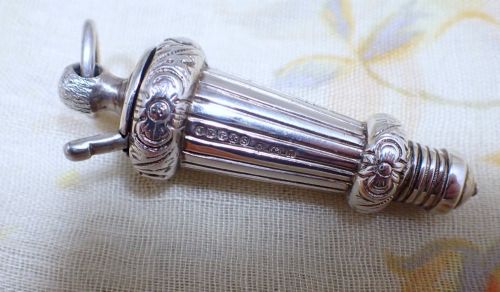
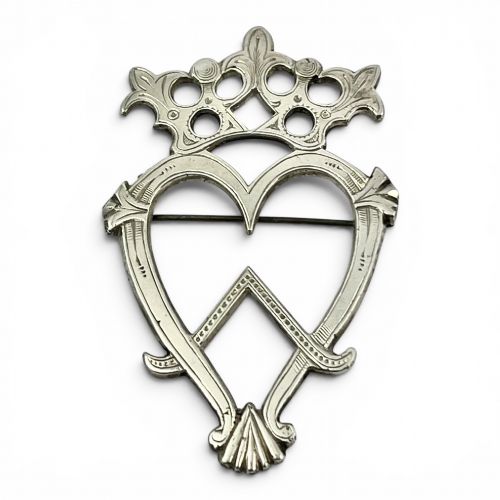
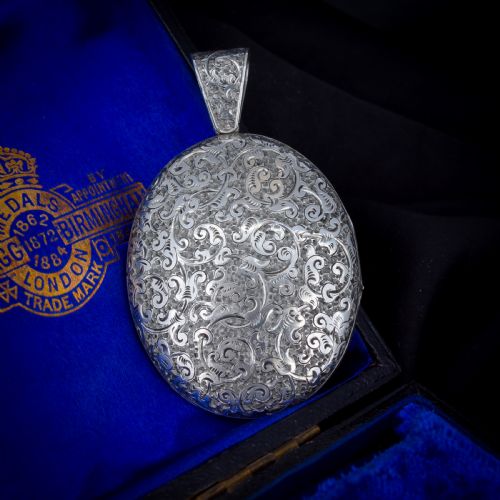

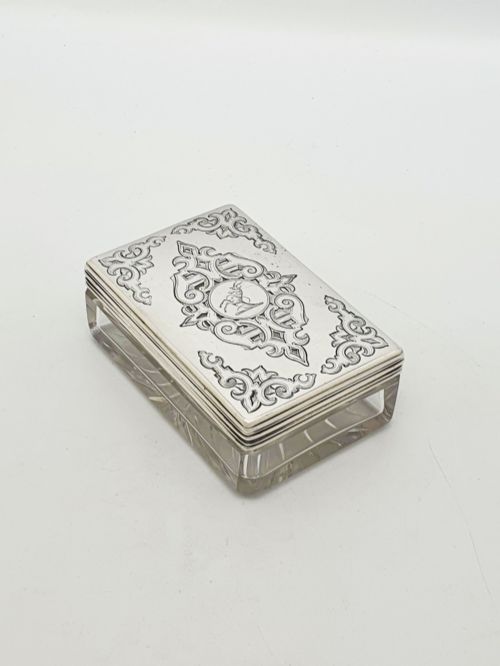
Victorian Engraved Silver Jewellery
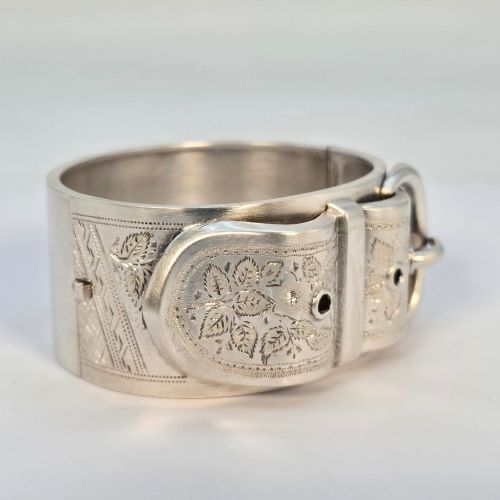
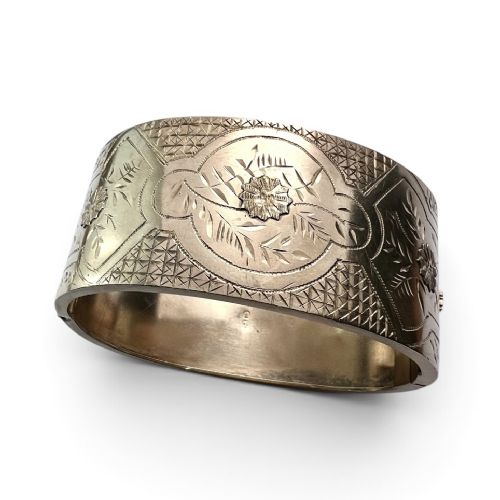
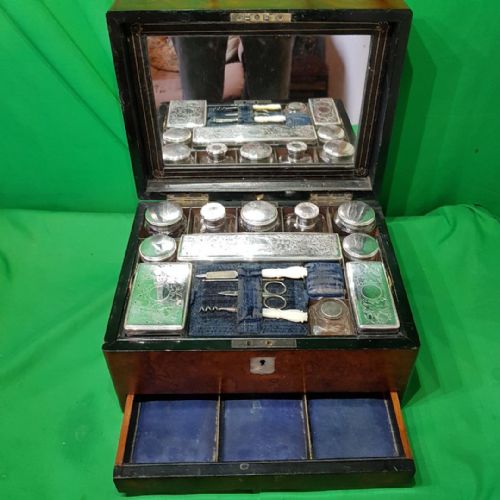
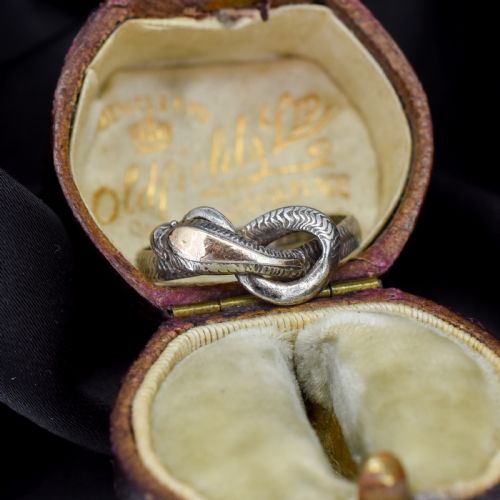
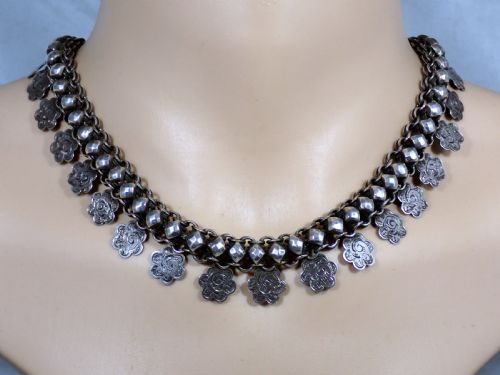
Victorian engraved silver jewellery comprises silver personal adornments bearing hand-chased surface decoration from the nineteenth century.
Victorian Engraved Silver Jewellery
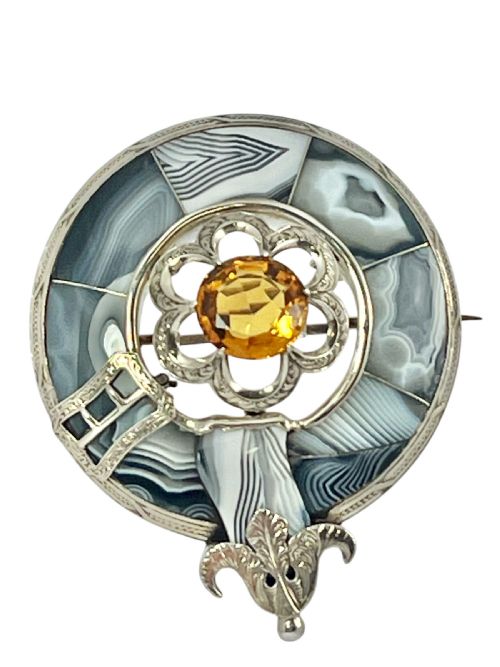
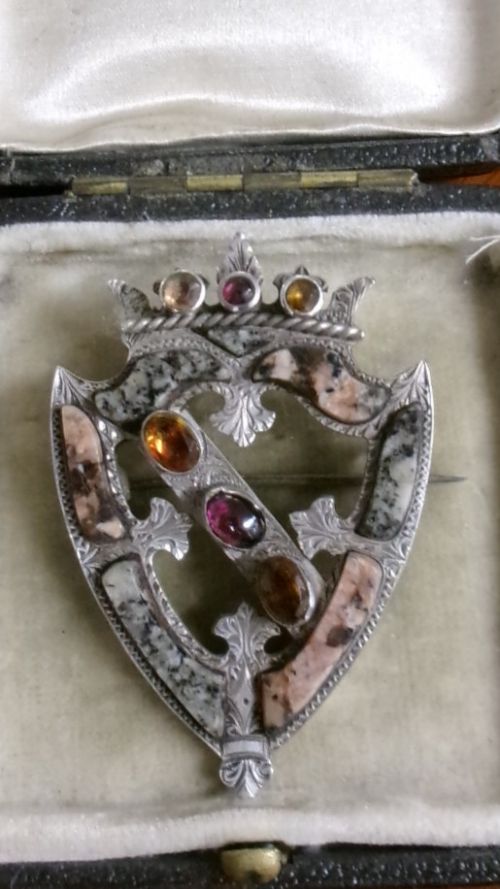
The pieces on this page span the Victorian period and extend slightly into the Edwardian era, incorporating styles such as the Aesthetic Movement and Scottish Revival. Alongside standard sterling silver, specific examples integrate stones like agate and citrine or incorporate gold accents into the design.
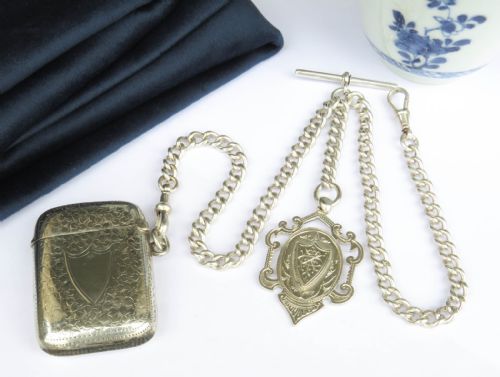
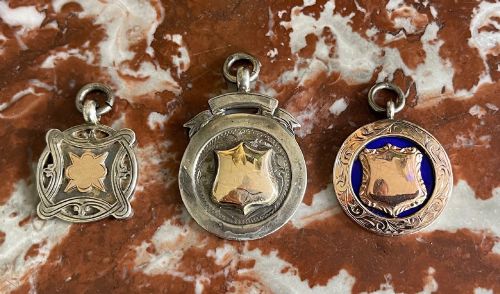
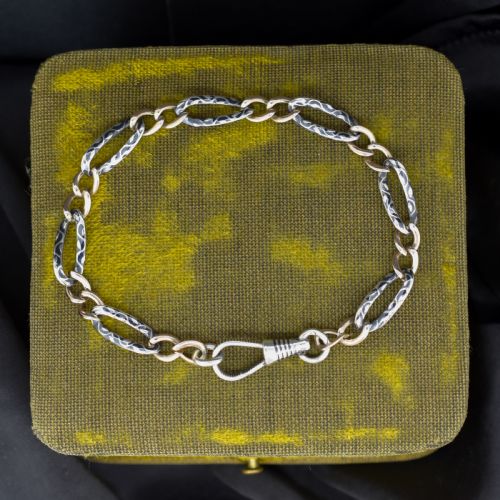
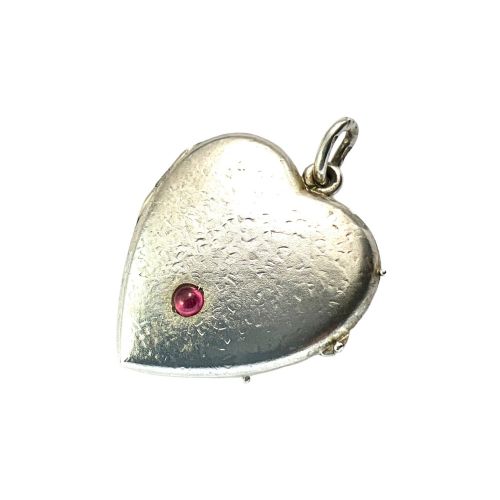
Forms range from heavy hinged cuff bangles and pocket watch chains to photo lockets and intricate brooches. These survivors of the period demonstrate how nineteenth-century metalsmiths utilised ornamentation to transform standard silver into personal accessories.
What varies in quality in Victorian engraved silver jewellery
Quality rests in the crispness and depth of the hand engraving, where distinct, deliberate cuts distinguish superior work from shallow surface scratching. The complexity of the design, such as elaborate floral arrangements or pictorial scenes, separates standard items from finer examples.
Structural integrity also defines the tier of a piece, visible in the weight of the silver, the snugness of locket closures, and the durability of hinges on bangles and chains. The careful integration of decorative hardstones, secure settings, and legible hallmarks further elevates the standing of individual items.
Listings feature silver jewellery incorporating natural materials such as agate, citrine, jasper, velvet, and cut glass alongside sterling silver.
Wang Hing And Company
The Victorian Engraved Silver Jewellery Glossary
- Bangle
- A rigid ring bracelet that encircles the wrist, frequently featuring a hinged opening and a secure clasp for daily wear.
- Locket
- A small hinged pendant designed to open and reveal space for photographs or small mementoes behind a glass or metal frame.
- Vesta
- A small pocket box traditionally used for holding matches, often suspended from watch chains during the nineteenth century.
- Agate
- A variety of chalcedony quartz displaying natural banding, frequently polished into flat stones and mounted in Scottish revival silver brooches.
- Dog clip
- A spring-loaded swivel fastening commonly found on watch chains and charm bracelets, allowing secure attachment to other items.
Victorian Engraved Silver Jewellery: Frequently Asked Questions
What is a silver watch chain?
A silver watch chain is a heavy link chain designed in the nineteenth century to secure a pocket watch to a waistcoat or garment. These pieces frequently feature attached fobs, lockets, or vestas.
Today, collectors often wear these substantial chains as necklaces or bracelets due to their durable construction and decorative link patterns.
How do I care for antique silver jewellery?
Antique silver jewellery benefits from gentle cleaning using a soft cloth to remove everyday oils and dust. Harsh chemical dips should be avoided, particularly on items featuring soft stones like agates or velvet components.
Store pieces individually in dry conditions to prevent scratching between items and to maintain the natural patina developed over the decades.
What is Scottish Revival silver?
Scottish Revival silver refers to nineteenth-century jewellery inspired by traditional Celtic motifs and Highland traditions, popularized during the Victorian era. These pieces typically incorporate native hardstones such as agates and citrines set into silver frames.
Items from this movement often take the form of pebble brooches, kilt pins, or shield-shaped pendants adorned with intricate knotwork or engraved details.
Are photo lockets still functional?
Photo lockets retain their internal frames and hinged covers, allowing them to hold small modern photographs or keepsakes. Most mechanisms open securely via a thumbnail catch or snap closure.
When handling older lockets, gentle pressure along the hinge prevents undue strain on the original Victorian silver construction.