


Victorian Emerald Jewellery
Victorian emerald jewellery brings together deep green beryl and nineteenth-century craftsmanship in rings, brooches and pendants designed to catch the eye.
Victorian Emerald Jewellery
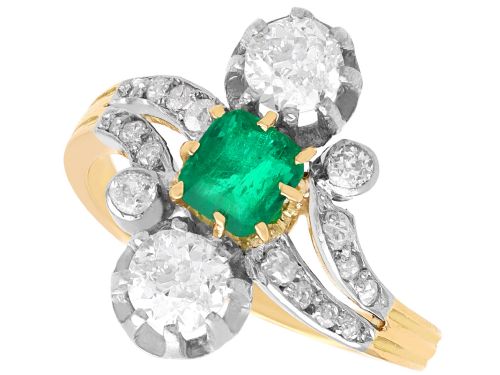
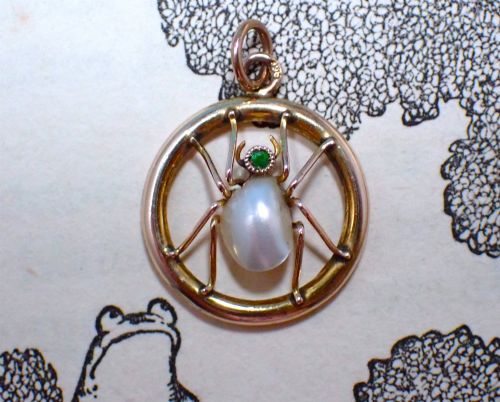
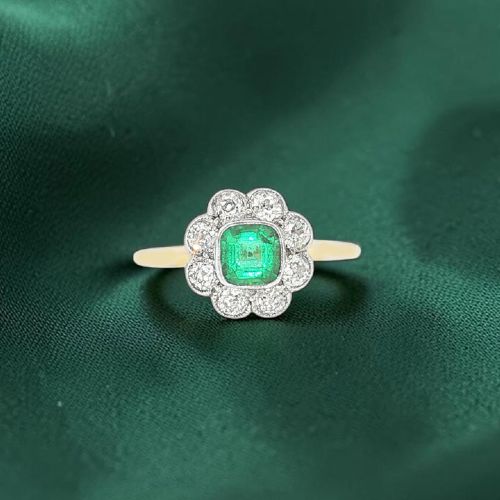
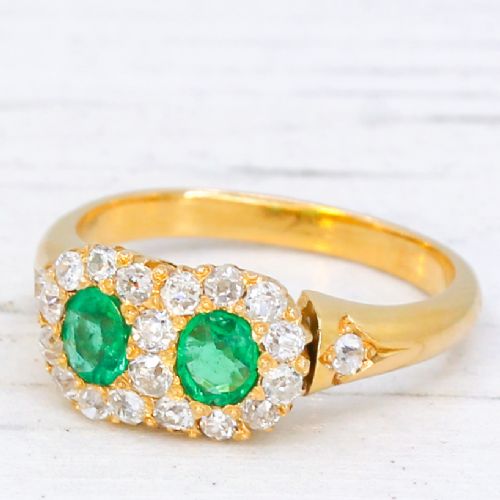
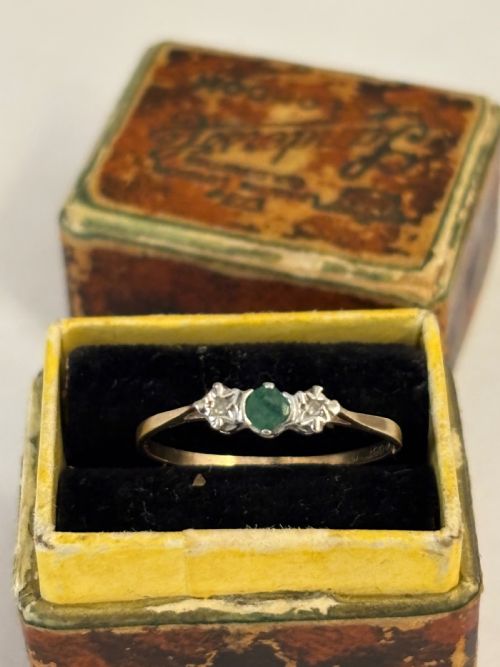
Victorian emerald jewellery encompasses rings, brooches, pendants and lockets created during the nineteenth century and the early twentieth century, often reflecting styles such as Edwardian, Georgian and Austro-Hungarian. When searching for victorian emerald jewellery, buyers encounter cluster rings, insect brooches and drop pendants that pair the green beryl with diamonds, pearls and rubies.
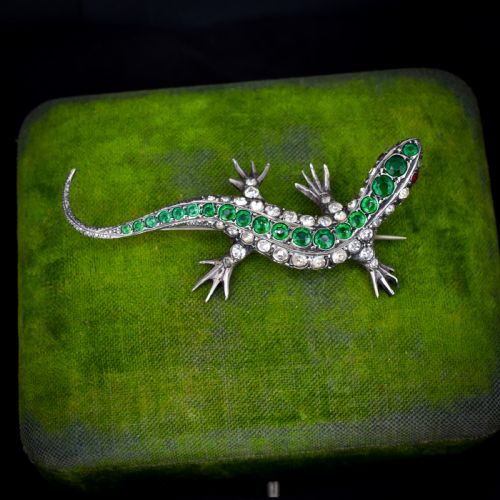
The forms range from delicate spider and butterfly brooches set in silver and gold to substantial cluster rings featuring high carat yellow gold bands. Many pieces incorporate alternative materials like green paste or crystal alongside genuine emeralds, showing the diverse decorative choices of the period.
How they were made
Makers utilised precious metals including sterling silver, 9ct, 15ct and 18ct yellow gold, and rose gold to mount the stones. Gemstones such as diamonds, pearls, amethysts and rubies were frequently clustered around central emeralds in rings and brooches.
Techniques combined hand crafting with detailed stone setting, securing emeralds alongside diamonds in configurations like double clusters and lavaliere necklaces. Silver was often paired with gold or used alone for brooches, while yellow gold dominated ring bands and pendant mounts.
Listings feature yellow gold, silver and gold combinations spanning the Victorian, Edwardian and Georgian style periods.
What varies in quality
Quality depends on the integration of materials, from solid 18ct yellow gold and high carat mountings to simpler silver settings and paste substitutes. Pieces featuring certified origins or substantial diamond weight alongside the emerald sit at the upper end of the spectrum.
The intricacy of the design, such as figural motifs including butterflies, spiders, lizards, monkeys and Cupid and Psyche figures, dictates the level of artisan skill involved. Handcrafted details and the clarity of the central stones separate standard production work from exceptional examples.
The Victorian Emerald Jewellery Glossary
- Cluster ring
- A ring featuring a central gemstone surrounded by a ring of smaller stones, typically diamonds or pearls framing an emerald.
- Paste
- A heavy, highly refractive type of lead glass cut and polished to imitate gemstones such as emeralds.
- Lavalier
- A pendant necklace featuring a central drop stone or ornament suspended from a chain.
- Brooch pendant
- A versatile piece of jewellery fitted with both a pin and a loop, allowing it to be worn on clothing or hung from a chain.
- Regard
- A sentimental jewellery arrangement where the first letter of each gemstone spells out the word, incorporating ruby, emerald, garnet, amethyst, ruby and diamond.
Victorian Emerald Jewellery: Frequently Asked Questions
What metals are used in Victorian emerald jewellery?
These pieces utilise sterling silver, rose gold and yellow gold in various purities including 9ct, 12ct, 15ct and 18ct specifications. Silver was frequently employed for brooches, sometimes backed with gold.
Yellow gold is particularly common for rings and pendant mounts, often paired with silver settings on the face of the piece to enhance the sparkle of surrounding diamonds.
Are all green stones in these pieces natural emeralds?
Not every green stone is a mined beryl, as makers of the period also utilised green paste to achieve vibrant colour at a different price point. Listings specify when paste or crystal is used alongside genuine emeralds.
Buyers should examine descriptions carefully to distinguish between natural gemstones and glass substitutes within vintage and antique settings.
What motifs appear in these brooches and pendants?
Nature inspired many designs, leading to frequent appearances of butterflies, spiders, lizards, monkeys and snakes alongside floral and heart shapes. Figural subjects like Cupid and Psyche also occur in detailed brooches.
These subjects reflect the romantic and sentimental tastes prevalent during the Victorian and Edwardian eras.
How do I care for antique emerald jewellery?
Emeralds are a softer gemstone compared to diamonds and require gentle handling without harsh chemical dips or ultrasonic cleaners. Soft cloths and mild soapy water are suitable for maintenance.
Settings involving pearls also demand caution to prevent moisture damage to the organic nacre over time.