


Gold Diamond Charm
A gold diamond charm combines precious metal with sparkling stones into a portable pendant or keepsake.
Gold Diamond Charm
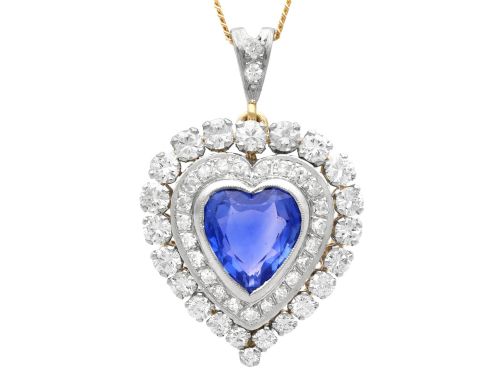
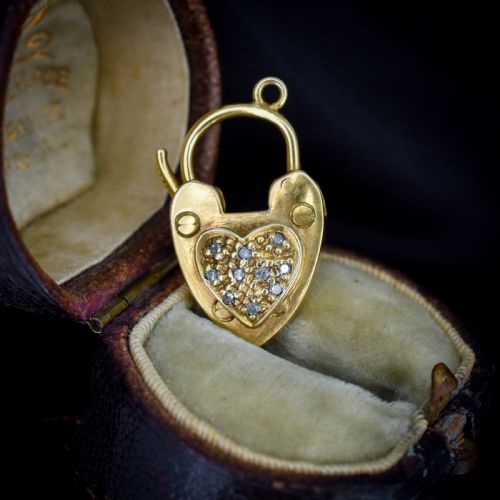
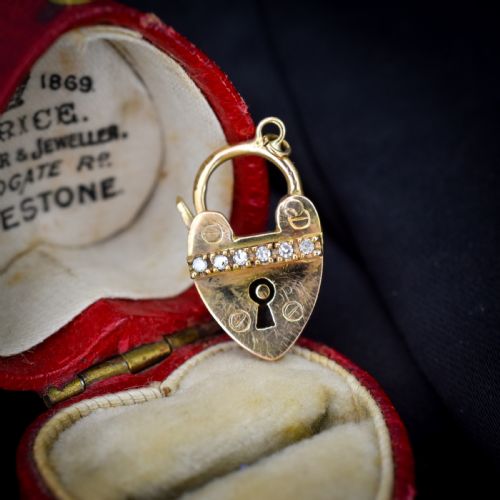
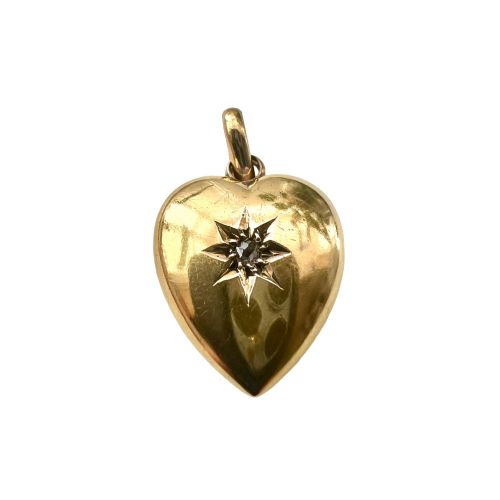
A gold diamond charm is a small ornamental piece designed to be suspended from a necklace or bracelet, often taking symbolic shapes such as hearts, stars, or medallions. These items span periods from the late Victorian and Edwardian eras through to the mid-century, reflecting shifting tastes in portable jewellery. Buyers frequently encounter heart padlocks, starburst motifs, and devotional medals produced in various carats of yellow and white gold.
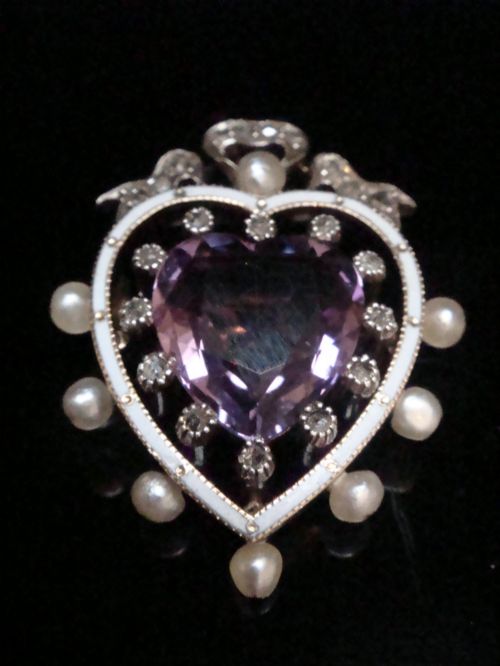
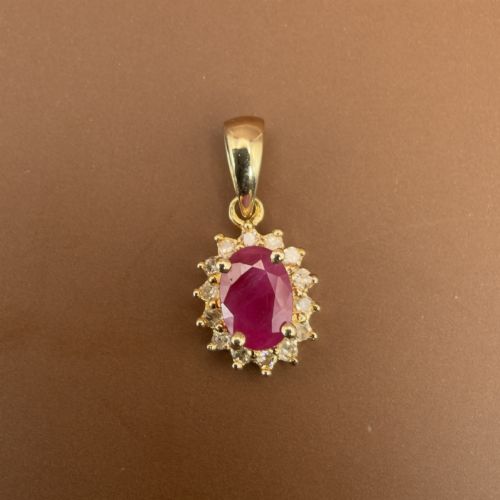
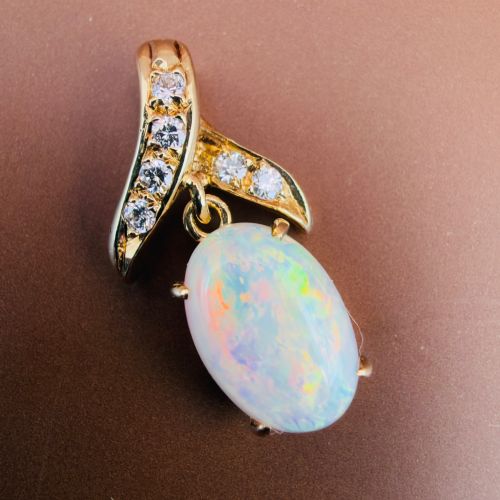
The selection ranges from antique pieces set with rose cut diamonds to mid-century cluster pendants incorporating coloured gems alongside the central stones. Heart-shaped puff lockets and enamel-accented charms represent prominent styles from the turn of the twentieth century. Many incorporate additional materials like natural pearls, rubies, opals, and emeralds to complement the diamond work.
Materials and construction methods
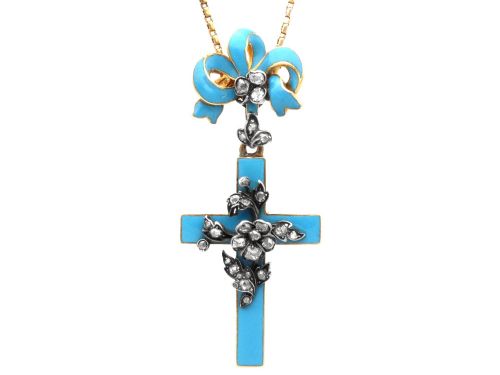
Pieces are forged from 9ct, 14ct, 15ct, and 18ct gold, sometimes utilising silver settings historically favored for mounting rose cut diamonds to enhance their brilliance. Enamelling techniques, particularly guilloche work, add coloured backgrounds beneath translucent layers on Victorian and Edwardian hearts.
Stones including old cut diamonds, brilliant cuts, and cabochon opals are secured via bezel settings, star settings, or cluster arrangements. The construction often involves hollow puff heart stampings joined at a seam or heavy cast gold crosses encrusted with multiple small diamonds.
Listings feature yellow and white gold alloys spanning nine to eighteen carats, combined with diamonds, pearls, rubies, and opals.
Markers of execution and distinction
Quality reveals itself in the crispness of the chased or engraved details on surfaces like guilloche enamel and starburst motifs. Finer examples display precise stone-setting flush to the metal with matched diamond sizes rather than irregular spacing.
The choice of gold carat and the weight of the metal foundational to the piece dictate substance, with heavier castings providing durability. Superior construction ensures hinges on lockets operate securely and applied decorative elements remain firmly integrated.
Augis·Merrin·C'est Laudier·Hirsch and Oppenheimer
The Gold Diamond Charm Glossary
- Guilloche enamel
- Enamel applied over a metal surface that has been machine-turned with an intricate geometric pattern. This technique creates a shimmering, translucent effect beneath the coloured glass.
- Rose cut
- An antique diamond cut featuring a flat base and a domed crown faceted with triangular shapes. It yields a soft, subtle glint rather than the sharp brilliance of modern cuts.
- Old cut
- A hand-faceted diamond shape typical of the Victorian and Edwardian periods, characterised by a small table, high crown, and open culet. These stones were cut individually by hand to optimize their brilliance under candlelight.
- Puff heart
- A swollen, three-dimensional heart-shaped pendant made from two hollow stamped metal halves joined together. They often function as lockets or charms.
- Cluster pendant
- A jewellery arrangement where a central gemstone or diamond is surrounded by a ring of smaller accent stones. This layout maximises visual impact and light reflection.
Gold Diamond Charm: Frequently Asked Questions
How do I date an antique gold charm?
Dating relies on examining hallmarks, the style of the metalwork, and the specific diamond cuts used in the construction. Rose cut stones and guilloche enamel point toward late nineteenth or early twentieth-century origins.
Assay marks and stamped dates on pieces help pinpoint the exact year of manufacture. Stylistic cues such as the puffy heart shape or Maltese cross motifs further contextualize the period of creation.
What gold carats are used in these charms?
Gold carats found in these pieces include 9ct, 14ct, 15ct, and 18ct yellow or white gold. The choice of alloy often reflects the geographic origin and the prevailing standards of the manufacturing period.
Higher carats like 15ct and 18ct appear frequently in antique and French pieces, providing a richer yellow hue. White gold and platinum become more prominent in mid-century designs.
How should I care for antique diamond jewellery?
Care involves gentle cleaning with soft cloths and avoiding harsh chemical ultrasonic cleaners that might damage softer set stones like opals or pearls. Professional inspection ensures settings remain secure over time.
Enamelled and hollow items require extra protection against impacts to prevent chipping or denting. Storing pieces individually prevents scratching between items.