

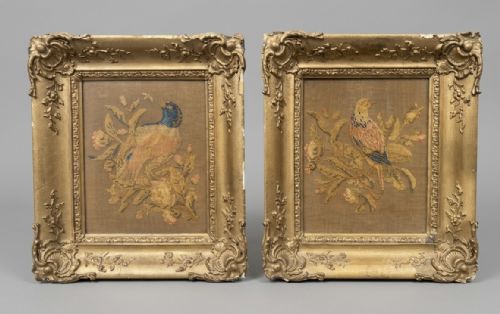


Victorian Embroidery Frame
These pieces of a victorian embroidery frame span needlework samplers, woolies, and framed tapestries that bring historic textile craft into contemporary interiors.
Victorian Embroidery Frame
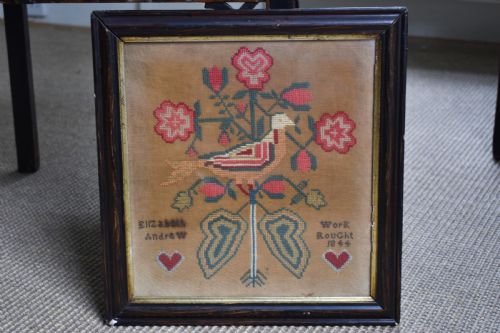
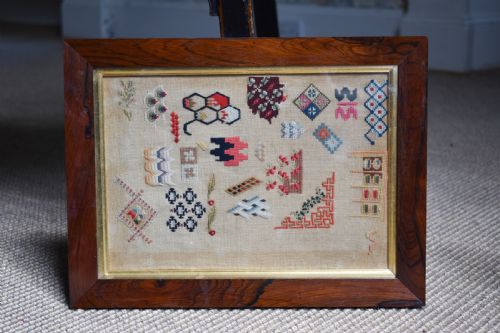
A victorian embroidery frame encompasses framed needlework panels, samplers, and actual wooden stretching frames from the nineteenth century. Buyers searching this phrase most frequently encounter framed textile art such as woolwork pictures, silk embroideries, and alphabet samplers.
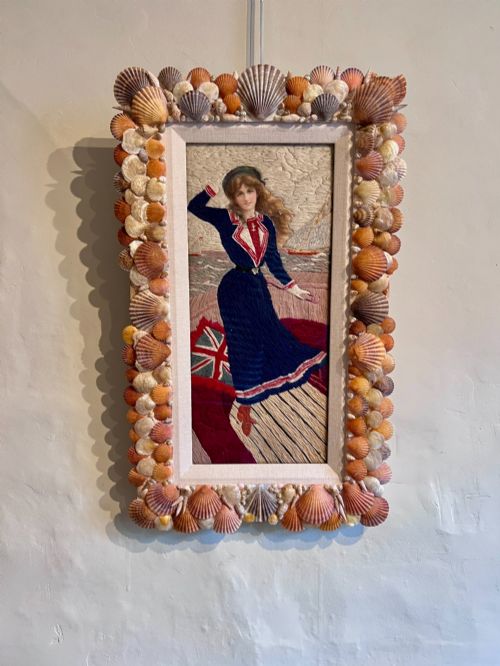
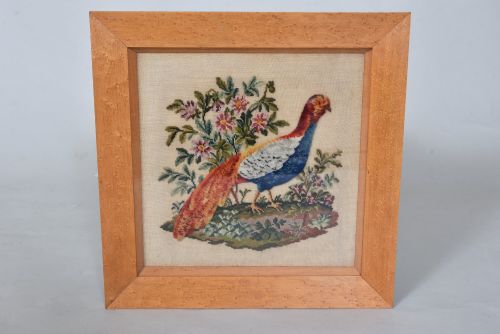
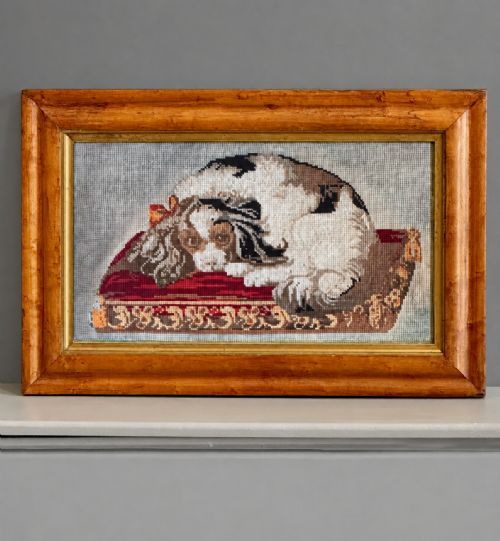
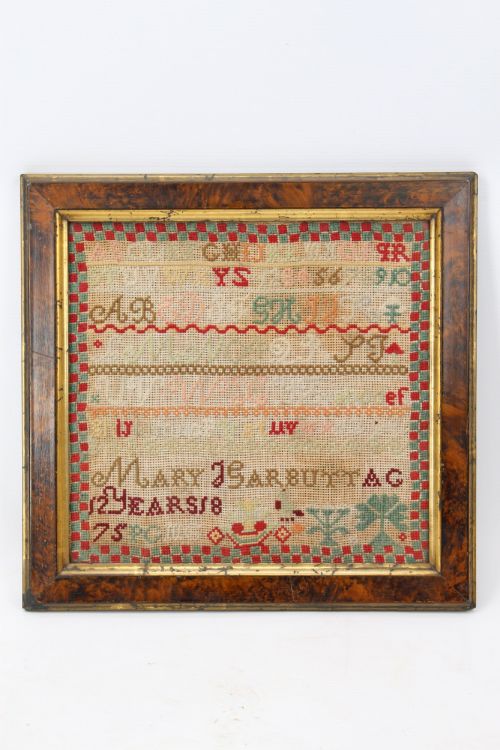
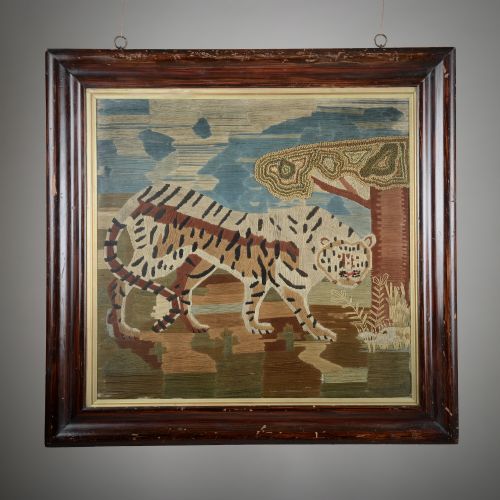
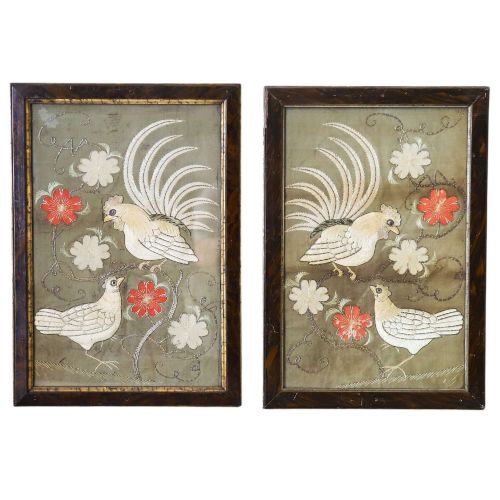
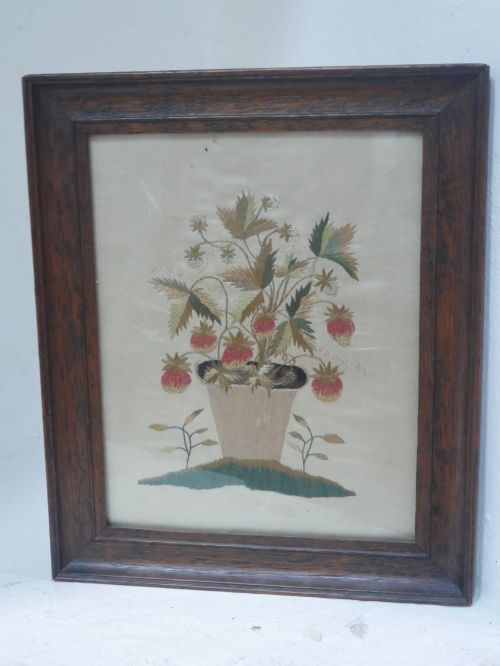
The selection ranges from Georgian pieces through to early twentieth-century works, with Victorian and 1890 examples predominating. Common subjects include naval woolies, animal studies, botanical scenes, and commemorative samplers stitched by young makers.
Materials and construction
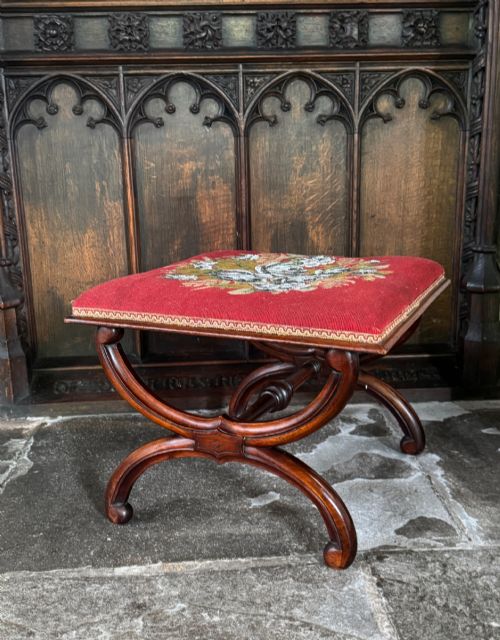
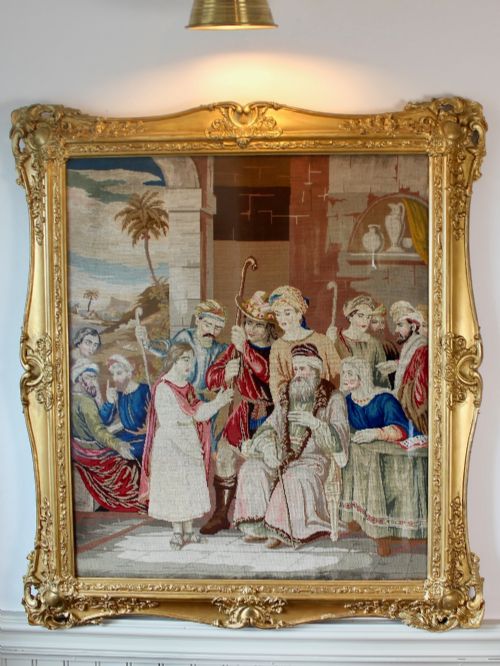
Maker materials combine natural textiles such as wool, silk, linen, and canvas stretched over wooden supports or worked directly on canvas grounds. Stitching techniques vary from fine gros-point and gros-point wool to plushwork and crewelwork.
Frames utilise traditional timbers including mahogany, burr maple, oak, and rosewood, alongside giltwood and japanned finishes. Many textiles retain their original glass protection and period framing housing the stitched panels.
Listings feature items spanning the 1840s to 1900, utilising wool, silk, linen, and canvas mounted in mahogany, rosewood, and giltwood frames.
Judging execution and preservation
Quality rests upon the precision of the needlework, the complexity of the design, and the survival of the original materials. Tightly worked woolies and finely detailed silk embroideries show superior technical skill compared to simpler student exercises.
The relationship between the textile and its housing matters significantly. Pieces retaining contemporaneous burr maple, rosewood, or gilt frames maintain greater integrity than those remounted in later periods.
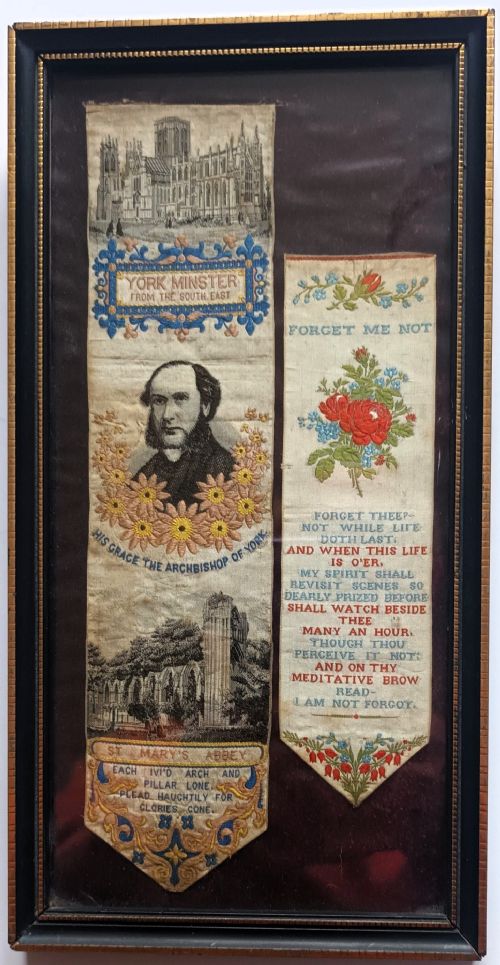
Stevens of Coventry
The Victorian Embroidery Frame Glossary
- Sampler
- A piece of needlework produced as a demonstration or test of skill in various stitches, often featuring alphabets, numbers, and pious verses.
- Woolie
- A colloquial term for sailor art embroidery, typically executed in wool yarn by nineteenth-century British naval personnel.
- Gros-point
- A type of needlepoint embroidery worked on canvas using a coarse cross stitch or tent stitch to create dense pictorial surfaces.
- Plushwork
- A specialised embroidery technique incorporating raised loops of thread that are cut to create a velvety pile texture.
Victorian Embroidery Frame: Frequently Asked Questions
What is a victorian embroidery frame?
The term describes both the physical wooden apparatus used to tension fabric during stitching and the resulting framed needlework panels preserved from the nineteenth century.
Most examples found today consist of finished textile pictures, woolies, or samplers housed behind glass in period wood or gilt frames.
How do you date a needlework sampler?
Many samplers include the stitched name and age of the maker alongside a specific calendar year, providing a direct date of creation.
Stylistic markers, framing materials, and lettering formats assist in dating unmarked pieces within the Georgian and Victorian periods.
How should antique textiles be displayed?
Antique embroideries require protection from direct sunlight to prevent the fading of natural wool and silk threads.
Maintaining stable indoor humidity levels helps preserve both the historic fabric and the original wooden frames.