

Victorian Elm Carver Chairs
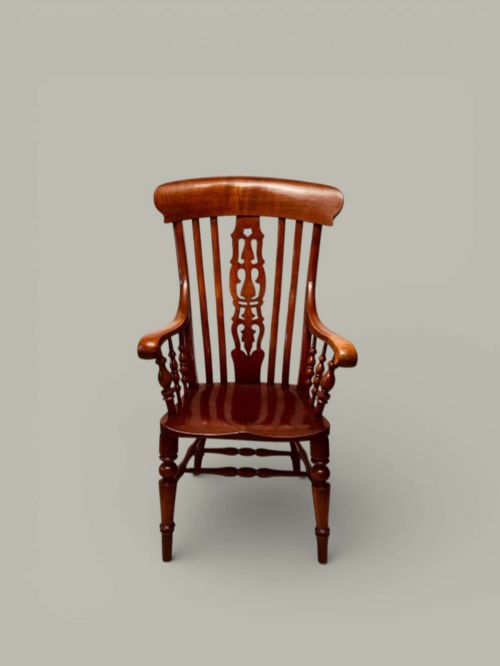
These Victorian elm carver chairs bring sturdy country comfort to a room, prized for their expressive timber grain and supportive arched backs.
Victorian Elm Carver Chairs
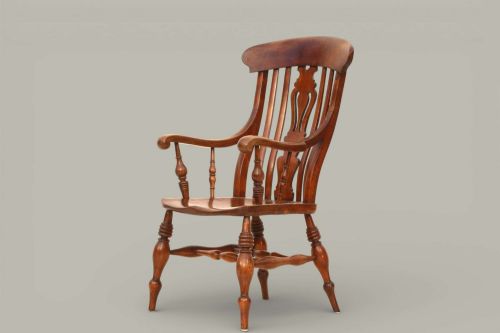
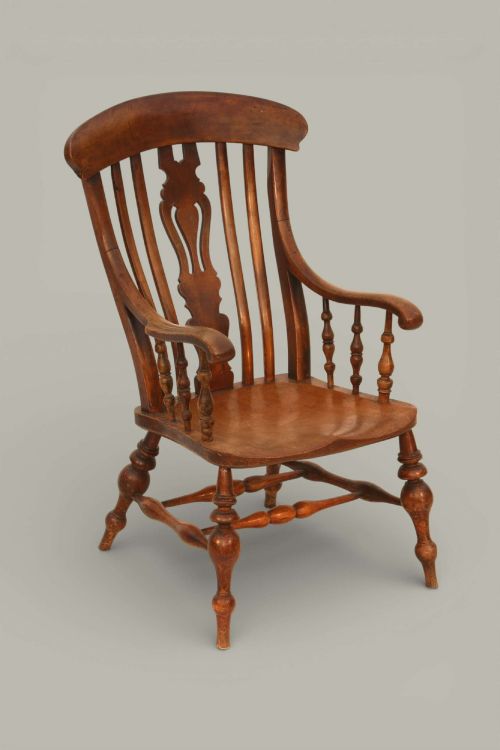
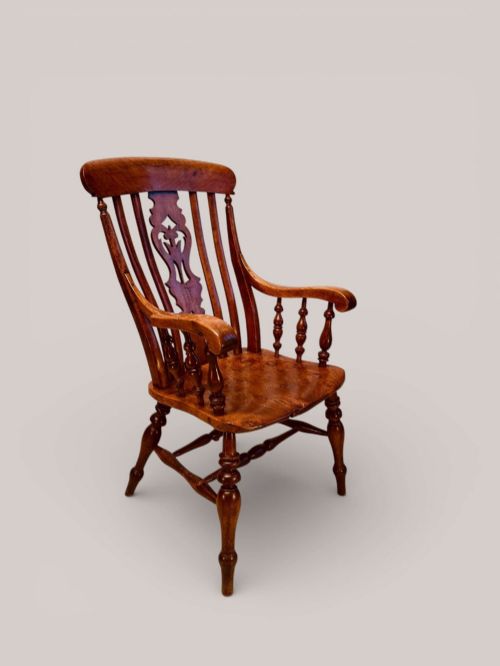
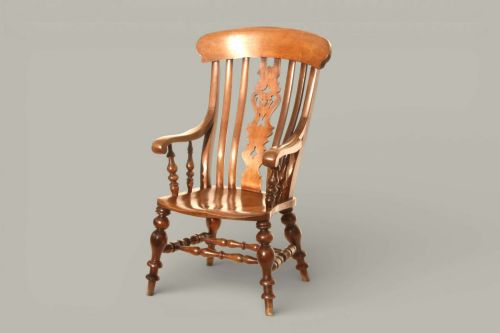
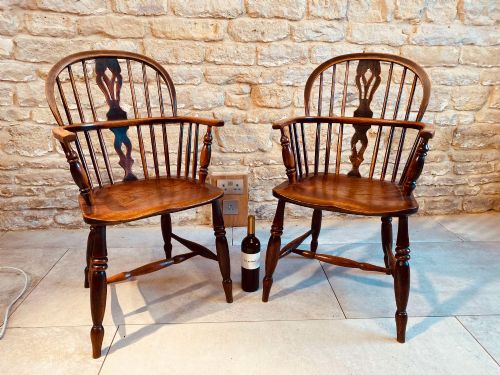
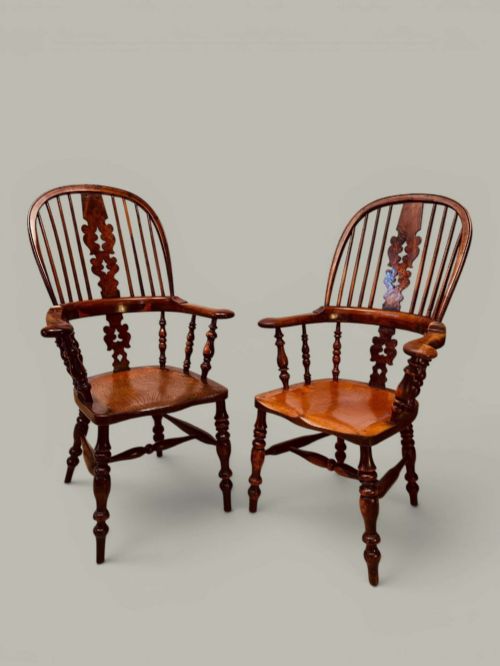
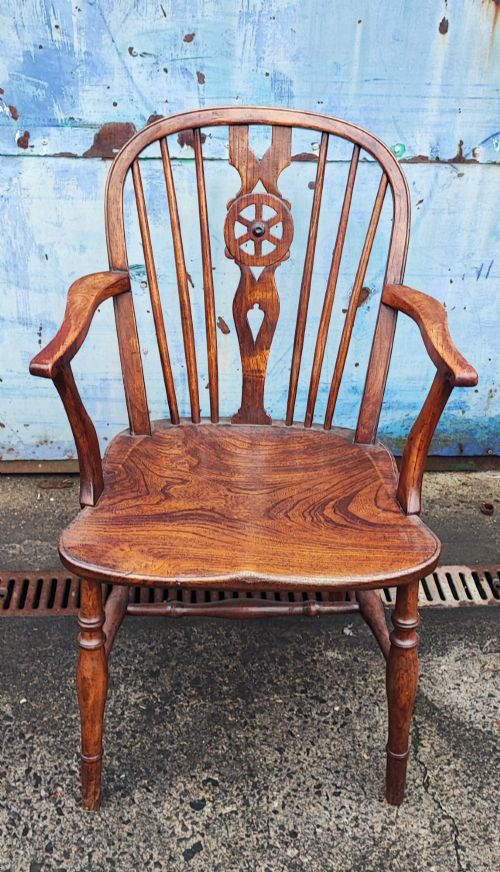
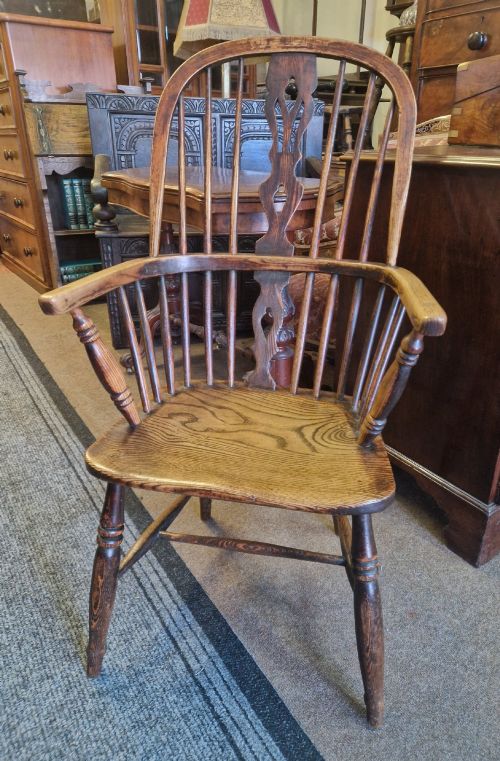
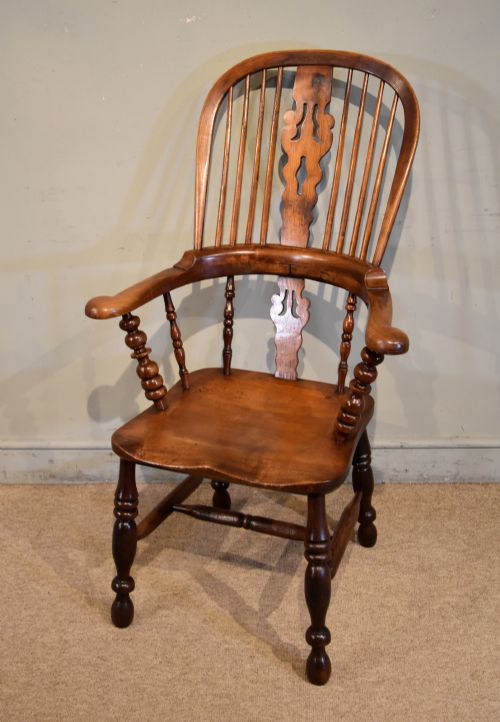
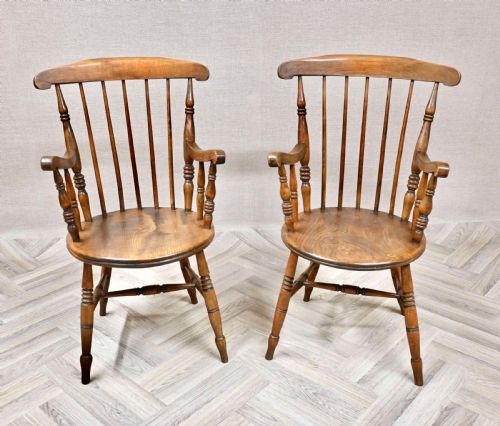
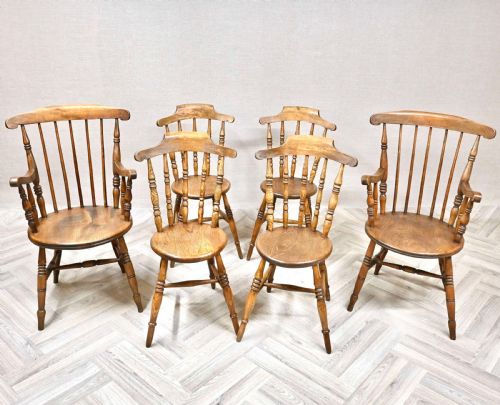
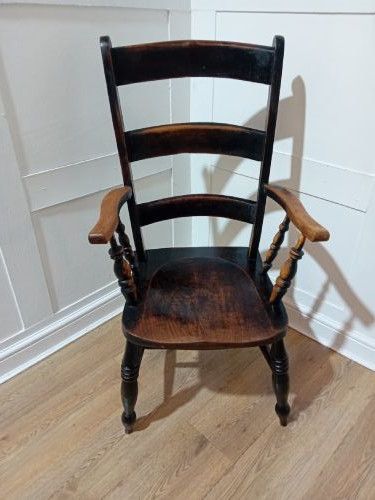
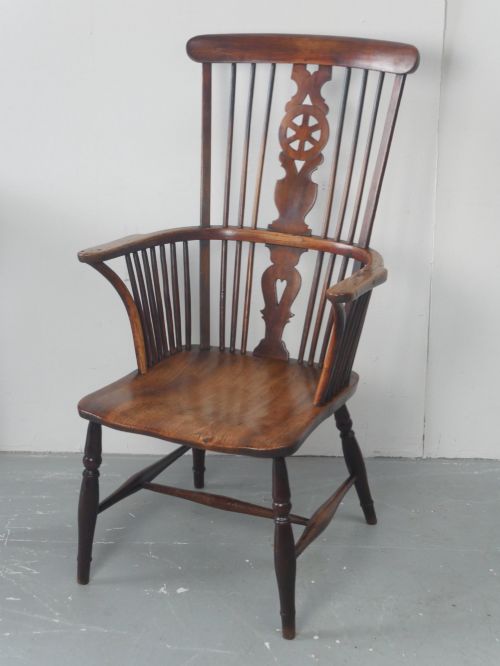
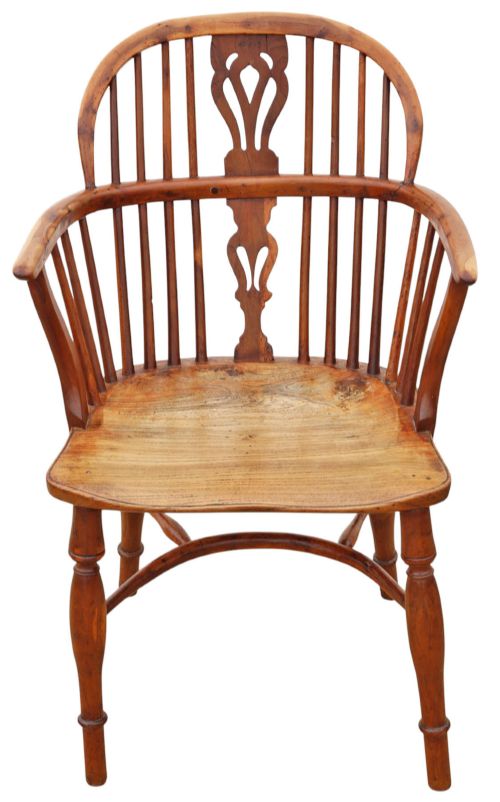
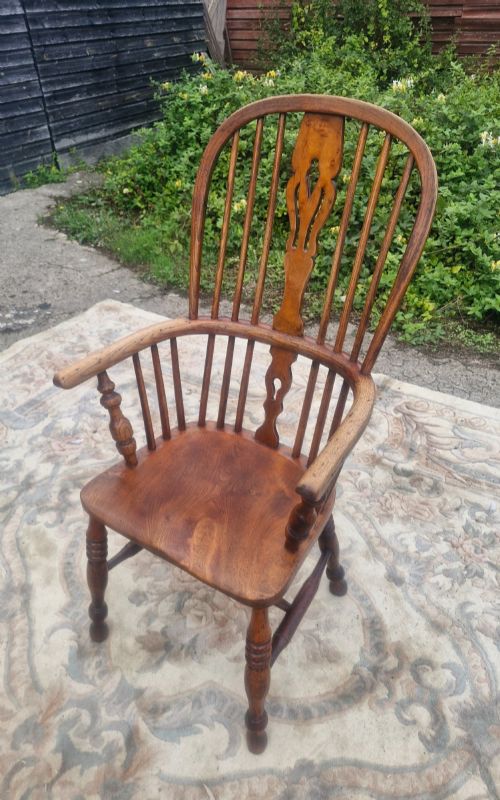
Victorian elm carver chairs are robust seating pieces primarily taking the form of traditional Windsor armchairs used in farmhouses, kitchens and provincial homes. You will frequently encounter high-back, low-back, wheel-back and bar-back variants originating from regional English traditions.
The pieces span the nineteenth century, with many examples dating from eighteen eighty up to nineteen hundred. They serve as functional elbow chairs designed with substantial armrests and broad seats.
Makers shaped these items using regional vernacular designs, ranging from plain country kitchen seating to refined Arts and Crafts or Gothic Revival models. The overarching form relies on a sturdy combination of turned spindles and solid timber seats.
How they were made
The construction of these chairs typically combines a solid elm saddle seat with turned underframes and spindles shaped from ash, beech, fruitwood, yew or oak. Elm provides a tough, interlocking grain for the seat that resists splitting when pegged and bored.
Makers utilised steam-bending techniques to curve ash or beech into hoop backs and armbows. Component parts were then joined using traditional wedged tenons and mortises, creating a resilient framework without relying on metal fixings.
Victorian Elm Carver Chairs Retail Price Guide 2026
Typical asking prices for victorian elm carver chairs among the pieces listed under this phrase on Sellingantiques today, from the lower quarter to the upper quarter. They describe what is for sale here now, not the wider market.
Many nineteenth-century country chairs bear subtle maker marks or initials stamped underneath the seat by anonymous provincial joiners.
What varies in quality
The quality of a piece rests in the selection of contrasting timbers, particularly when rich fruitwood or yew is paired with highly figured elm seats. Proportions also dictate value, with wider arms, generous saddle depths and balanced spindle turnings showing superior craftsmanship.
Surface preservation separates standard examples from exceptional ones. Chairs retaining an honest original finish display a warm, deep patina built up through decades of domestic use rather than modern stripping.
The Victorian Elm Carver Chairs Glossary
- Carver chair
- An armchair, typically with wooden arms, designed to sit at the head of a dining table or serve as an occasional fireside seat.
- Windsor chair
- A wooden chair constructed with stick-like components inserted into a thick solid wooden seat rather than a framed chassis.
- Saddle seat
- A wooden seat base scooped and carved into a concave shape to fit the contours of the body for comfort.
- Spindle back
- A chair back constructed from vertical turned wooden rods fitted between a top rail and the seat.
Victorian Elm Carver Chairs: Frequently Asked Questions
How are these chairs used?
These armchairs function well as desk seating, fireside chairs or end chairs at a dining table.
Their sturdy timber construction allows them to withstand daily sitting while adding traditional character to a room.
What is a penny seat?
A penny seat refers to a specific saddle seat shaping technique where the scooped indentation resembles the circular indent of a large coin.
This shaping makes the solid wood seat more comfortable for extended sitting.
How do I tell regional styles apart?
Regional variations appear in the back designs, such as wheel-backs, stick-backs, or lath-backs, and the choice of secondary woods like yew or fruitwood.
Local workshops often favoured particular turning patterns for the legs and spindles.
How should I care for elm?
Keep elm furniture away from direct heat sources and sudden temperature shifts to prevent the timber from drying out or splitting.
Apply natural beeswax occasionally to nourish the grain and maintain the surface finish.