





Victorian Edwardian Silver Cup
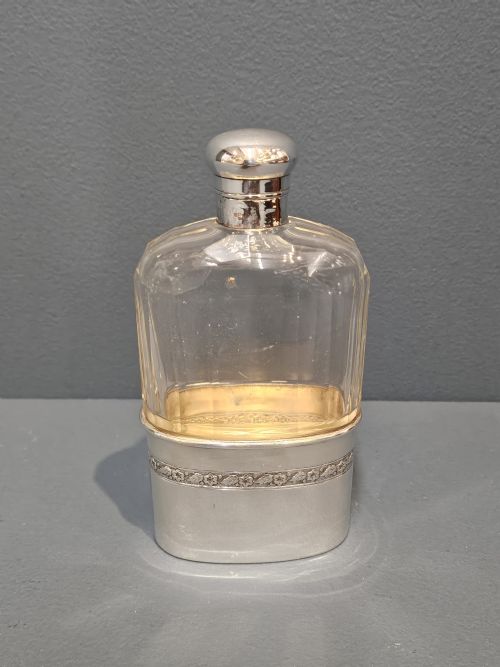
These victorian edwardian silver cup items span pocket flasks, drinking vessels, and tablewares created in sterling silver and silver plate.
Victorian Edwardian Silver Cup
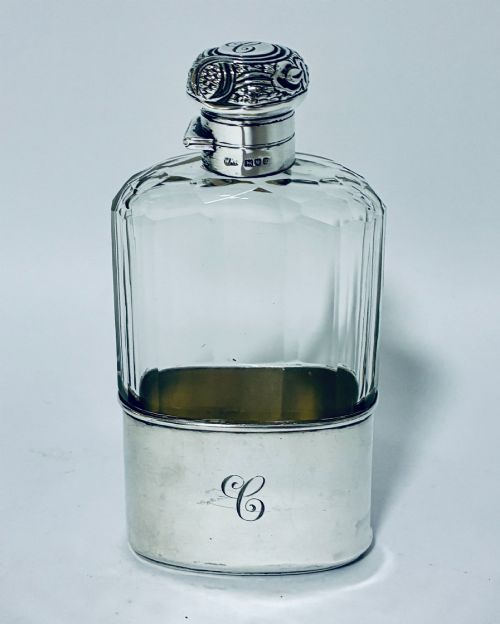
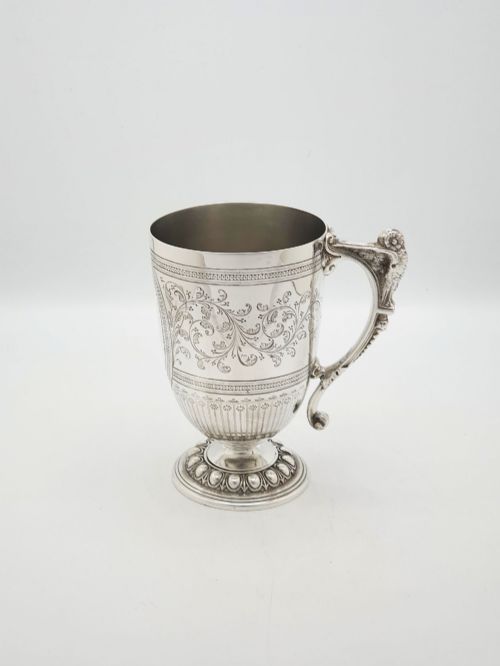
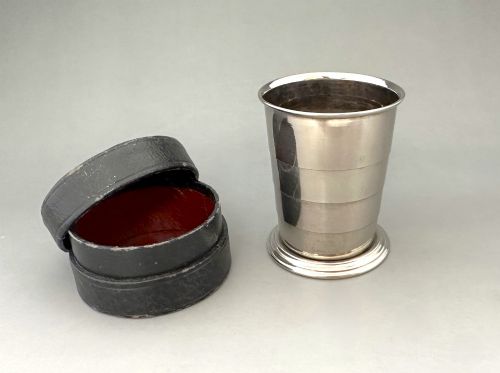
A victorian edwardian silver cup covers a diverse assortment of drinking vessels, presentation pieces, and pocket containers originating across the late nineteenth and early twentieth centuries. Pieces range from campaign tankards with figural handles to collapsible stirrup vessels designed for equestrian use.
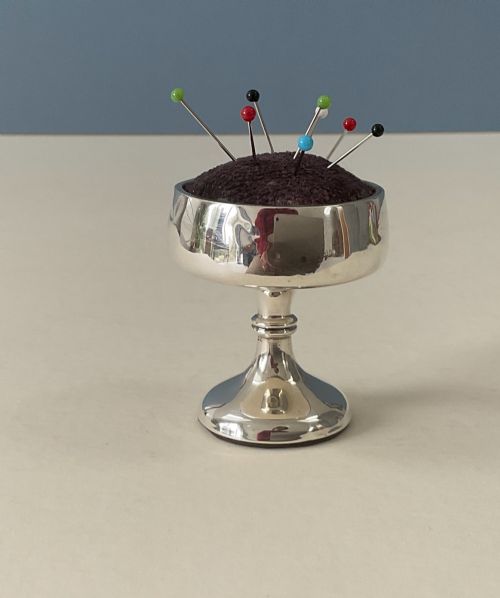
The selection frequently includes pocket-sized containers alongside presentation goblets and novelties like goblet-shaped pin cushions. Makers produced these items in both solid sterling silver and silver plate, often combining metal with cut glass or leather components for travel utility.
Materials and construction
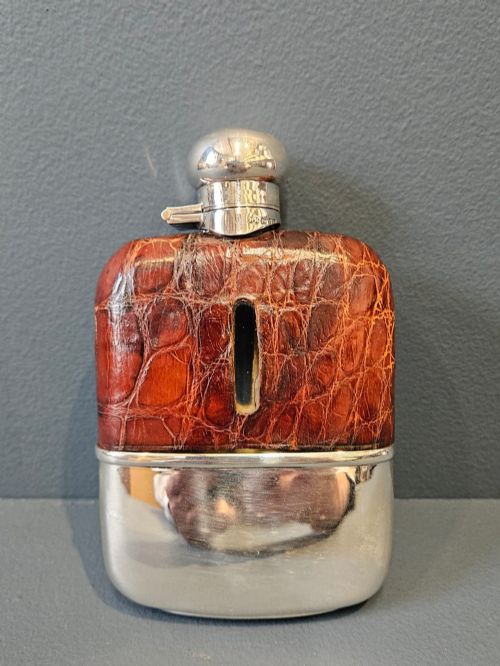
Makers utilised solid sterling silver and silver plate over base metals, frequently pairing metal bodies with glass inserts, crocodile leather wraps, and silver gilt interiors. Surface treatments include hammered finishes that catch the light and provide tactile grip.
Specialised forms incorporate hinged caps for pocket storage, figural elements such as owl handles, and collapsible sections for portability. Goldsmiths and silversmiths constructed these objects to withstand active outdoor use as well as formal presentation.
Victorian Edwardian Silver Cup Retail Price Guide 2026
Typical asking prices for victorian edwardian silver cup among the pieces listed under this phrase on Sellingantiques today, from the lower quarter to the upper quarter. They describe what is for sale here now, not the wider market.
Some pocket flasks come wrapped in genuine crocodile leather, ensuring your hunting tipple travels in uncompromising reptile style.
Markers of distinction
Quality shows in the weight of the metal, the crispness of chased or hammered surface details, and the integrity of hinged joints on pocket flasks. Higher tier examples feature fully articulated figural mounts and substantial sterling walls rather than thin plating.
Makers marks and London assay stamps provide provenance that elevates standard utility items into collectible works. The presence of original glass bodies, intact gilt washes, and specialised companion sets further distinguishes finer pieces.
Hukin And Heath·Asprey London·D And J Wellby
The Victorian Edwardian Silver Cup Glossary
- Sterling silver
- A silver alloy containing 92.5 percent pure silver by mass, standard for quality British plate and vessels.
- Silver plate
- A base metal substrate covered with a thin layer of pure silver, offering the appearance of solid metal at lower cost.
- Stirrup cup
- A traditional drinking vessel handed to riders before a hunt, often designed with a rounded base so it cannot be set down until emptied.
- Silver gilt
- Silver object coated with a thin layer of gold on the interior or exterior surfaces, providing a rich contrasting finish.
- Assay mark
- Official stamp indicating the purity of the metal, the place of testing, and the year of manufacture.
Victorian Edwardian Silver Cup: Frequently Asked Questions
How do I clean antique silver plate?
Cleaning antique silver plate requires a gentle approach using a non-abrasive silver polish and a soft microfiber cloth. Avoid harsh scrubbing that can wear away the thin silver layer covering the underlying base metal.
Store pieces in dry environments away from direct sunlight and humidity to minimise tarnishing. Regular dusting with a soft cloth helps maintain the metal lustre without frequent polishing.
Are pocket flasks made of sterling silver?
Pocket flasks from the Victorian and Edwardian periods appear in both solid sterling silver and silver plate over metals like nickel. Makers frequently incorporated glass bodies wrapped in leather or crocodile skin to allow owners to monitor liquid levels.
Sterling versions carry hallmarks indicating the assay office and year of production. Plated alternatives offer similar pocket utility while remaining accessible to collectors.
How do I identify a Victorian cup?
Victorian cups and vessels can be identified through official hallmarks, maker stamps, and stylistic cues characteristic of the nineteenth century. Gothic influences, heavy ornamentation, and specific presentation inscriptions often point to this era.
Comparing the weight, construction techniques, and decorative motifs against documented examples helps confirm the period. Consulting hallmarks provides the most reliable guide to a piece's exact age and origin.