

Victorian Edwardian Cluster Ring
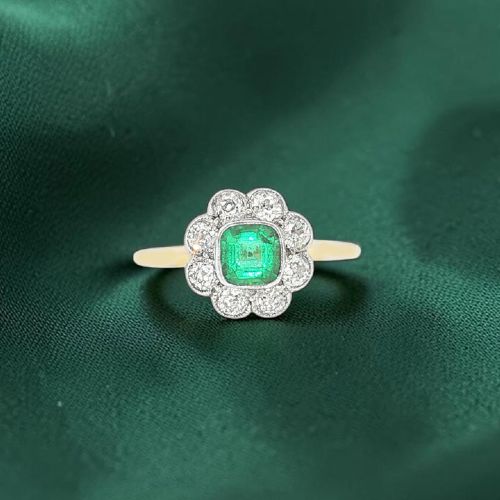
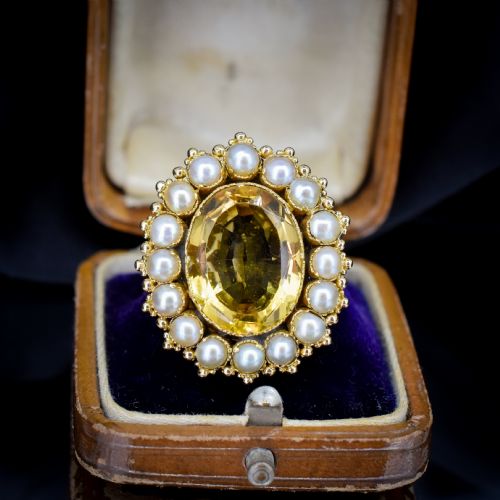
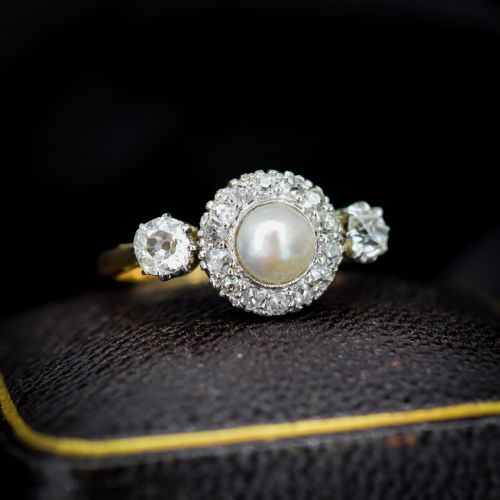
When you search for a victorian edwardian cluster ring, you find multi-stone centrepiece jewellery built around diamonds, sapphires, rubies, and pearls in yellow gold and platinum settings.
Victorian Edwardian Cluster Ring
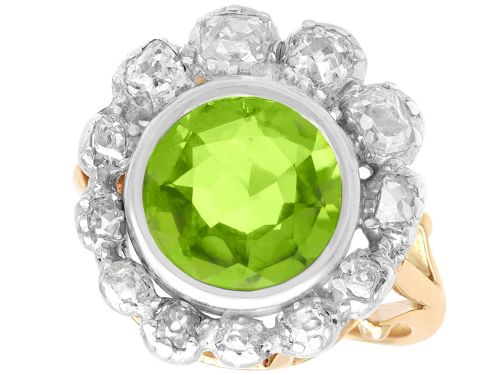
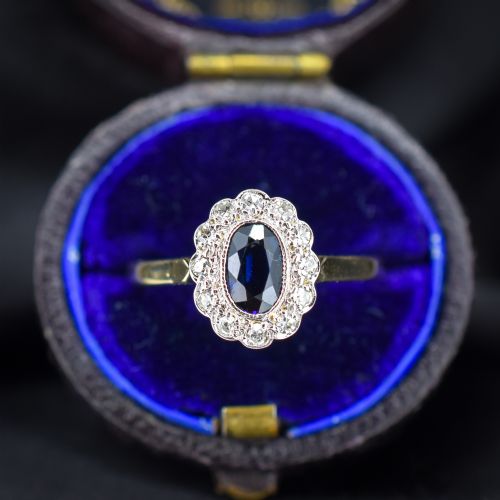
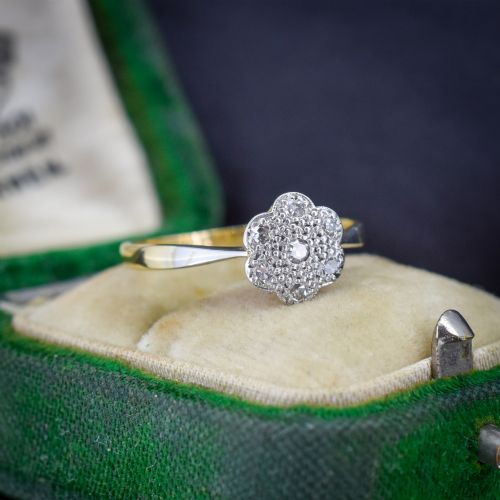
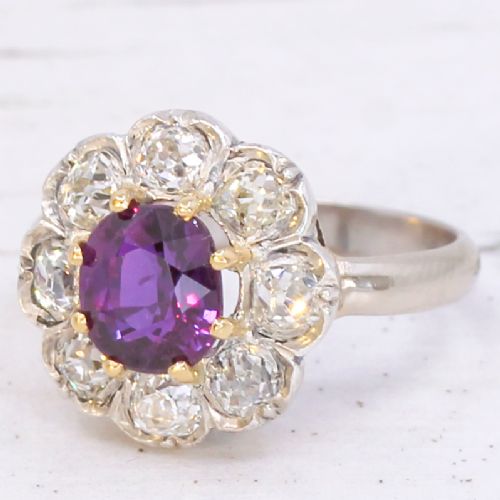
A victorian edwardian cluster ring is defined by a central gemstone framed by a concentric border of smaller stones, typically diamonds, designed to catch light from every angle. These pieces span early to late nineteenth-century styles, transitioning through the elegant curves of the Edwardian era and Art Nouveau movement.
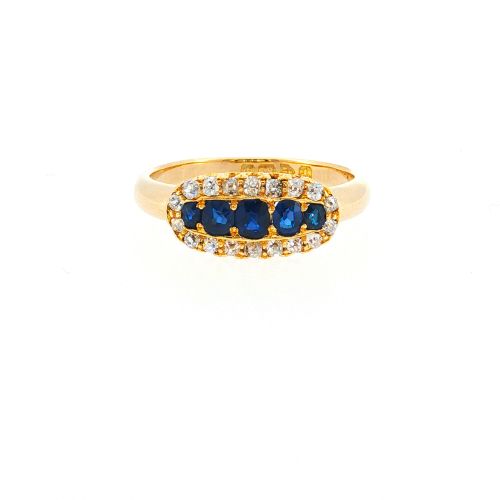
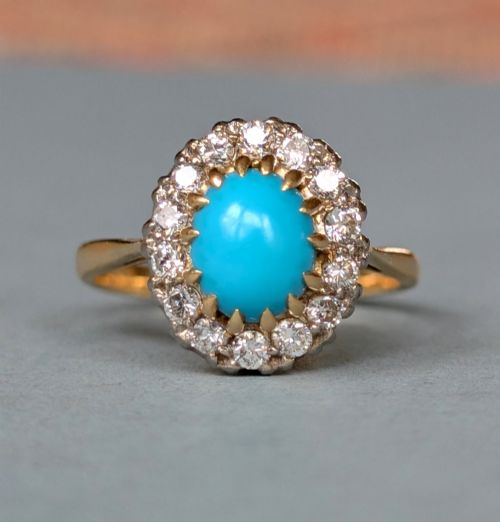
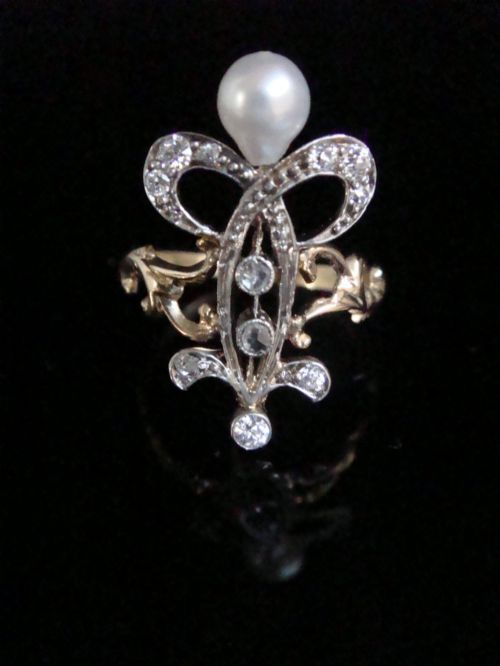
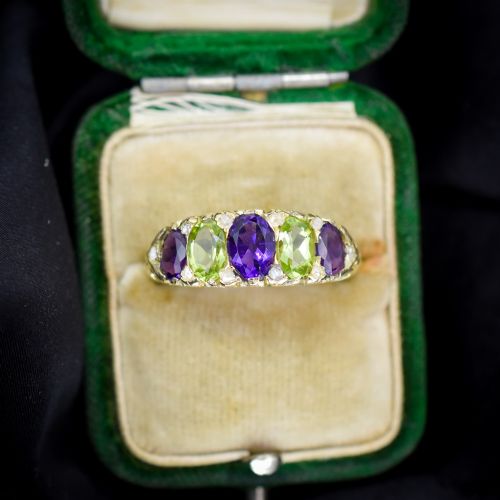
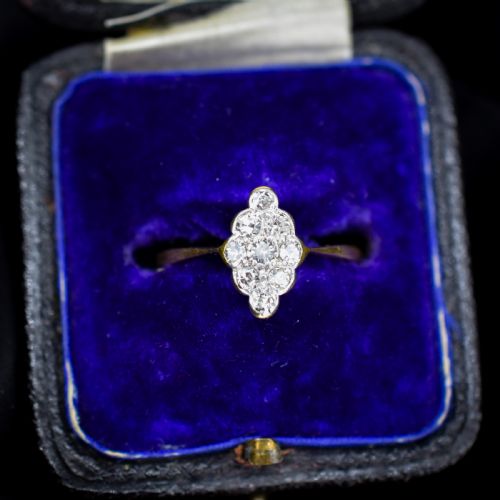
The most common forms on this page pair 18ct yellow gold shanks with platinum-topped bezel or grain settings that hold old-cut diamonds around deep blue sapphires, vibrant rubies, or glowing turquoise. Alongside traditional floral and daisy motifs, variations include navette, boat, and multi-gem configurations.
Originating across periods from Early Victorian to the 1920s and 1930s, these rings reflect distinct shifting tastes in hand-cut stones and precious metals. Makers utilised high-carat yellow gold alongside emerging platinum techniques to maximise the brilliance of table, rose, and old mine-cut gems.
How they were made
Goldsmiths worked primarily with 18ct yellow gold for the ring shanks and bands, casting or hand-forging metal to support heavier gemstone clusters. Platinum began appearing in combination with gold during the Edwardian period, providing a bright, durable white surface for claw and grain settings.
Stones were hand-cut utilising old mine, old European, rose, and table cuts, resulting in softer facets and distinct light reflection compared to modern machine-cut stones. Gems such as sapphires, rubies, peridots, and pearls were secured individually by hand, often backed by closed or open foil settings depending on the period.
Victorian Edwardian Cluster Ring Retail Price Guide 2026
Typical asking prices for victorian edwardian cluster ring among the pieces listed under this phrase on Sellingantiques today, from the lower quarter to the upper quarter. They describe what is for sale here now, not the wider market.
Materials recorded across these cluster rings include 18ct yellow gold, platinum, silver, seed pearls, peridot, citrine, garnet, and unheated sapphires.
What varies in quality
Quality rests upon the proportion and matching of the central stone to its surrounding border, where uniform stone size and tight claw work indicate superior workshop execution. The crispness of hand-cut facets on old-cut diamonds and the depth of colour in natural sapphires, rubies, or emeralds separate ordinary examples from exceptional ones.
The structural integrity of the gallery and the weight of the 18ct gold or platinum mount determine longevity, as finer metalwork maintains secure settings over generations of wear. Evidence of original hand-engraving on the shoulders and minimal thinning to the band indicate a well-preserved piece.
The Victorian Edwardian Cluster Ring Glossary
- Old Cut Diamond
- A diamond cut by hand before modern machinery, possessing a smaller table, higher crown, and open culet that produce a softer, candlelit sparkle. These stones define the period character of antique cluster rings.
- Cluster Ring
- A ring style featuring a prominent central gemstone encircled by a tight border of smaller accent stones. This arrangement maximises visual impact and perceived stone size.
- Navette
- A boat-shaped or marquise-like ring configuration that extends lengthwise along the finger. The elongated silhouette creates a distinctive geometric profile.
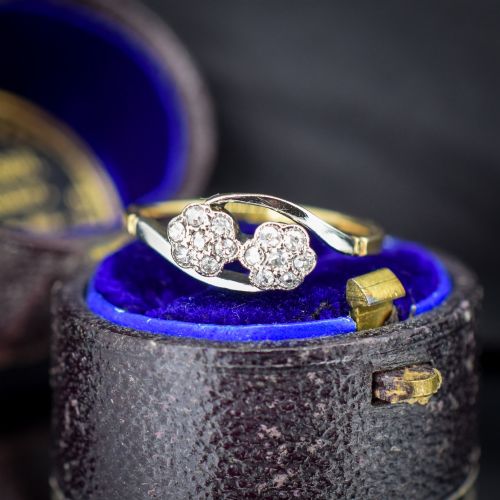
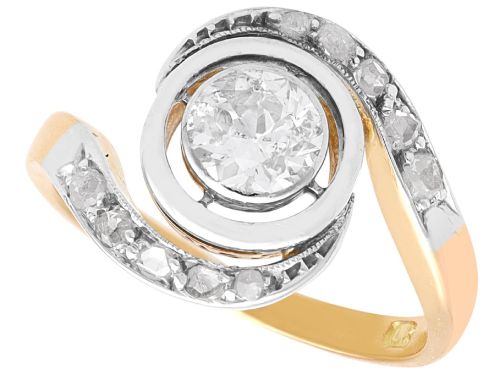
- Toi Et Moi
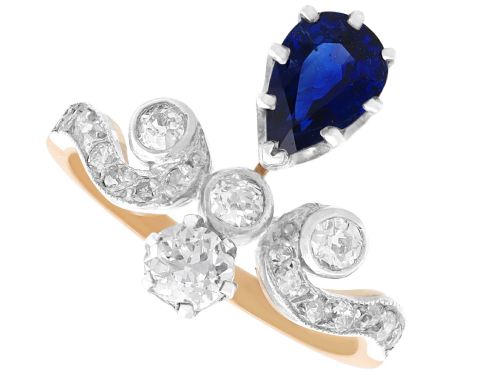
- French for you and me, describing a ring style featuring two main side-by-side gemstones symbolising a union. These often incorporate twisting bands set with diamonds and coloured stones.
- Platinum Topped
- A manufacturing technique where a thin layer of platinum is fused over an 18ct yellow gold base to provide a bright white backdrop for diamonds. This method bridges Victorian goldwork and Edwardian platinum-dominant design.
Victorian Edwardian Cluster Ring: Frequently Asked Questions
How do I wear an antique cluster ring daily?
These rings require careful handling due to delicate handmade settings and softer high-carat gold bands. Remove them during manual tasks to protect old-cut stones and thin shanks from unnecessary friction or impact.
Store them individually in soft pouches away from harder jewellery to prevent scratching. Regular checks by a specialist ensure the tiny claws holding the cluster remain tight.
How do I tell Victorian from Edwardian rings?
Victorian rings often display warmer 18ct yellow gold, romantic motifs like flowers or serpents, and deep, saturated coloured stones. Heavier collet settings and rose-cut diamonds frequently appear in these earlier pieces.
Edwardian pieces shift towards platinum-topped mountings, airy openwork filigree, and light-reflecting old European cut diamonds. The overall aesthetic becomes lighter, lace-like, and more focused on white-on-white sparkle.
What is an old mine cut diamond?
An old mine cut is an early diamond shape featuring a cushion outline, high crown, small table, and a deep pavilion. These stones were shaped by hand under candlelight, resulting in chunky facets.
They catch ambient light uniquely, offering a warm glow rather than the sharp brilliance of modern brilliant-cut diamonds.
Are pearls durable in antique rings?
Natural and seed pearls used in Victorian and Edwardian clusters are organic gems sensitive to acids, cosmetics, and moisture. They require gentle cleaning with a dry or slightly damp soft cloth without chemical dips.
Because pearls sit lower on the Mohs hardness scale, rings featuring them benefit from occasional wear rather than constant daily use to preserve the nacre.