

Edwardian Gemstone Dress Ring
An edwardian gemstone dress ring brings together vibrant coloured stones and period settings designed to sit brightly on the hand.
Edwardian Gemstone Dress Ring
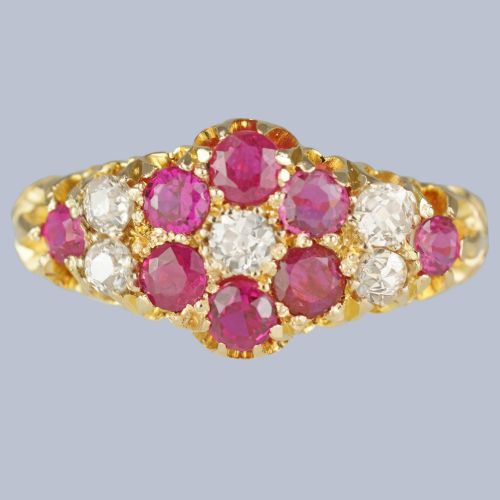
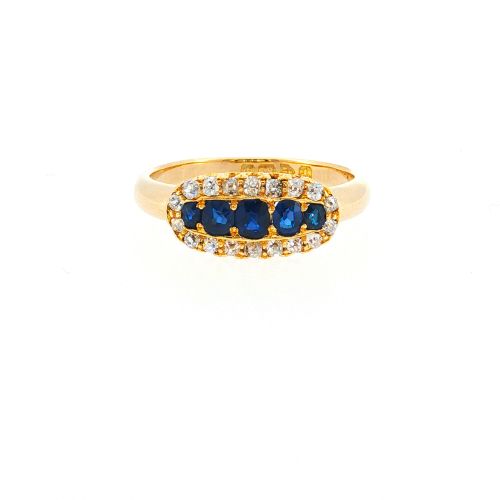
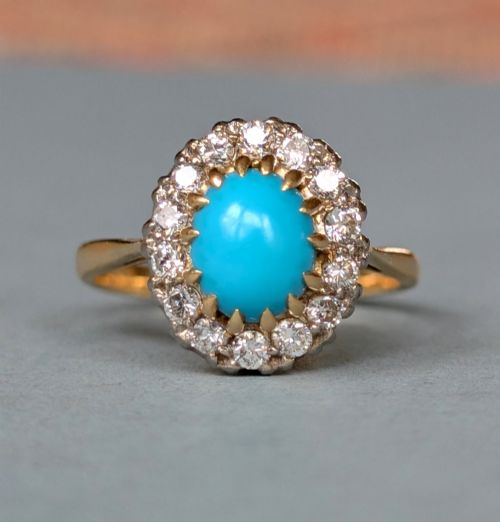
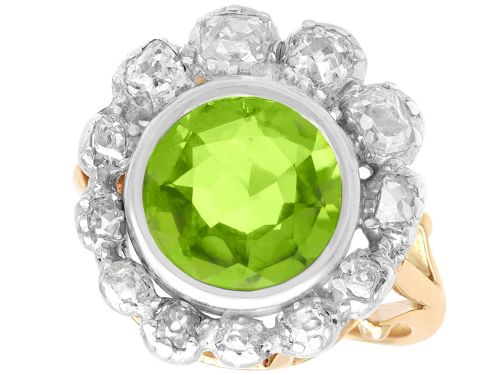
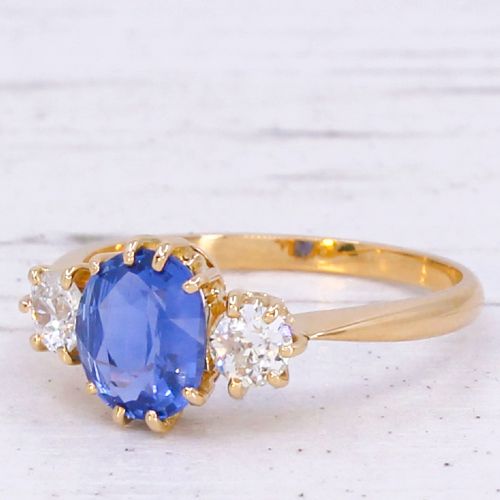
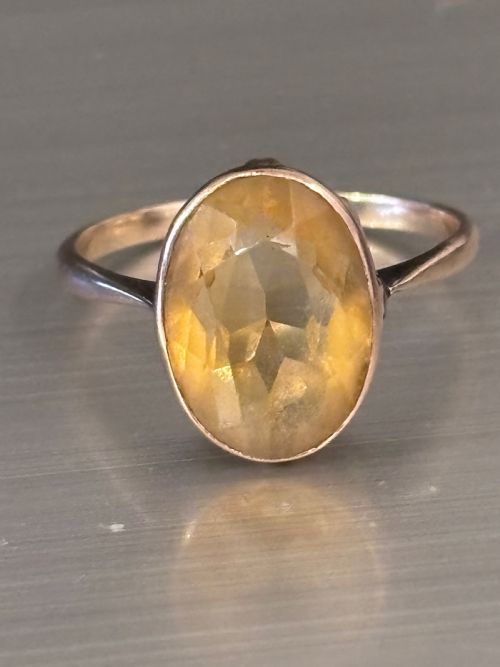
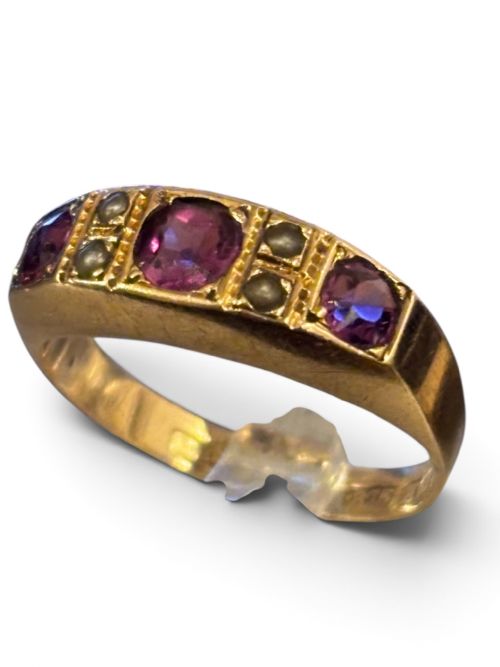
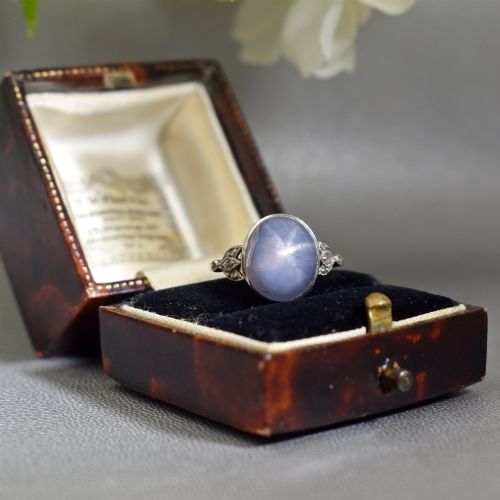
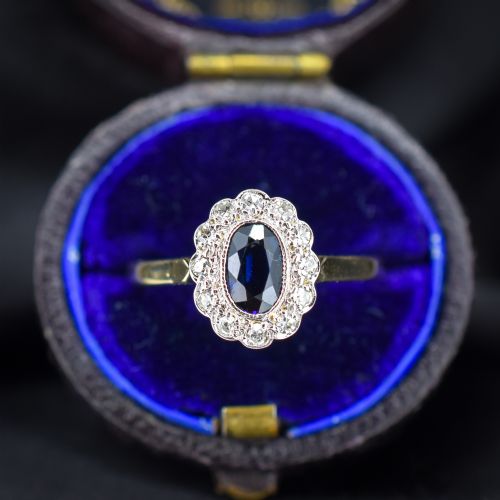
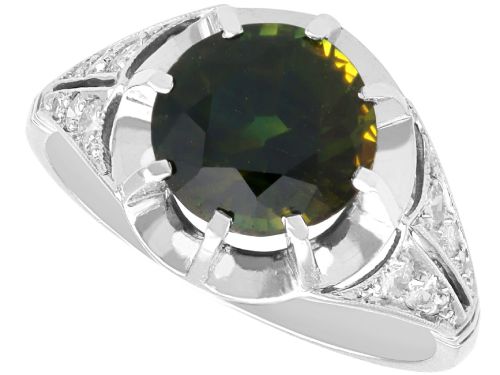
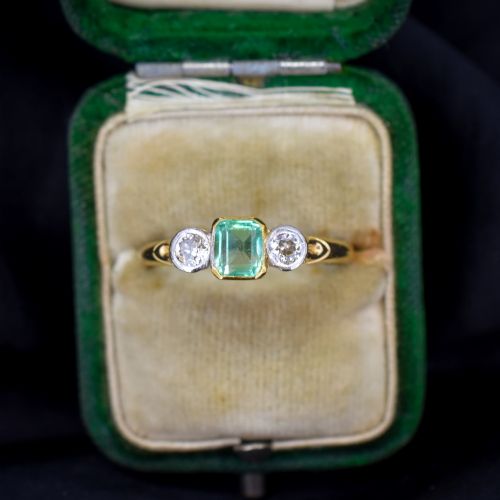
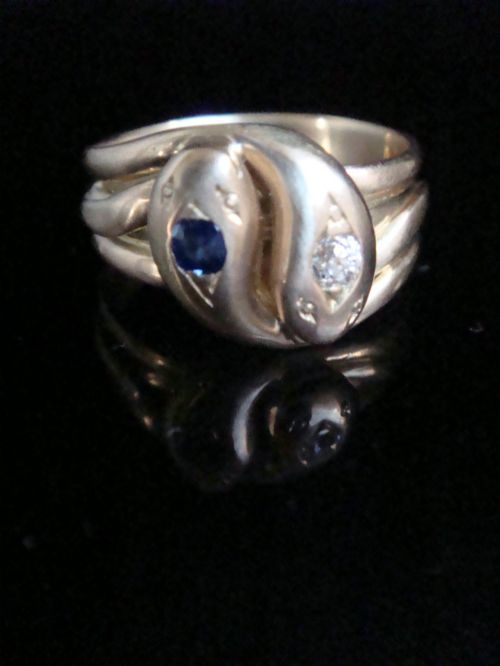
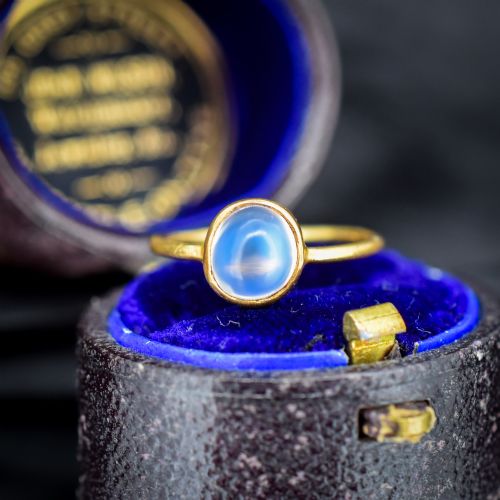
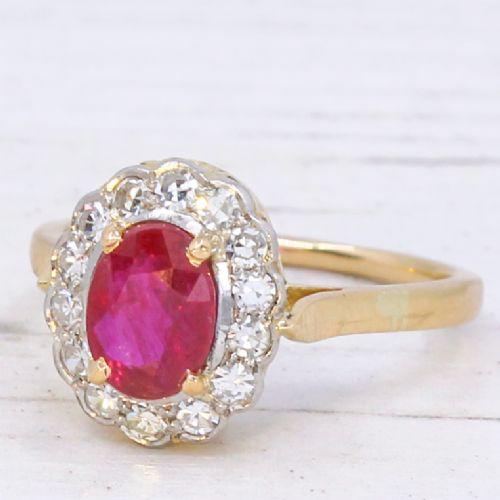
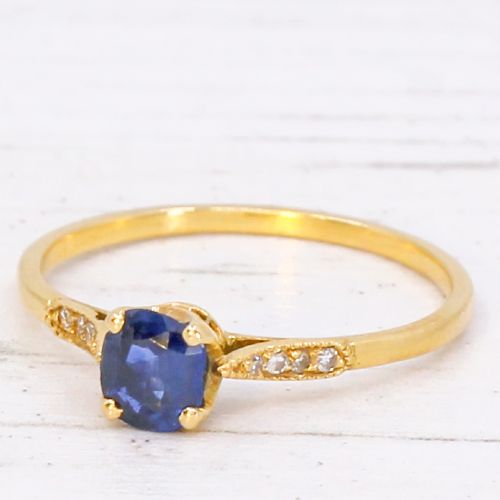
An edwardian gemstone dress ring is a piece of finger jewellery created during the early twentieth century, carrying the distinct decorative character of the period alongside later overlapping styles such as Art Deco and Victorian survivals. These rings centre on stones like sapphire, ruby, emerald, opal, peridot, and turquoise, often surrounded by old cut diamonds in cluster or navette arrangements.
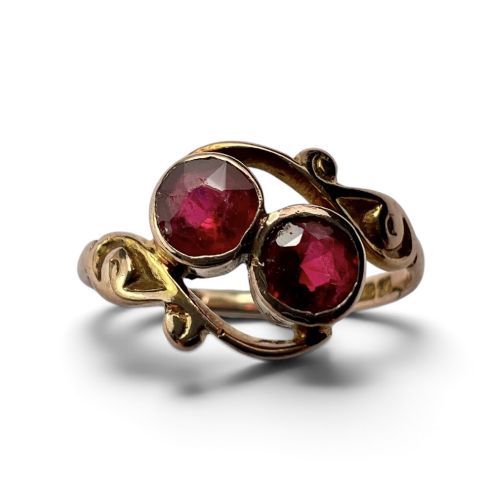
The selections on this page span from classic Edwardian gold and platinum cluster designs to multi-stone configurations, snake motifs, and trilogy scrolls. While the core era is the early 1900s, variations stretch into later decades, including 1920s platinum work and mid-century pieces utilising similar gemstone settings.
How They Were Made
Goldsmiths of the period relied on combinations of 18ct yellow gold, rose gold, and emerging platinum to support intricate stone settings. Platinum gained favour for its strength in holding delicate diamond clusters without heavy metal bulk.
Stones were predominantly hand-cut in old European or transitional styles, set tightly into bezels or claw configurations designed to catch candlelight and daylight alike.
Edwardian Gemstone Dress Ring Retail Price Guide 2026
Typical asking prices for edwardian gemstone dress ring among the pieces listed under this phrase on Sellingantiques today, from the lower quarter to the upper quarter. They describe what is for sale here now, not the wider market.
Materials utilised across the current selection include diamonds, 18ct gold, platinum, sapphires, rubies, opals, and turquoise.
What Varies in Quality
The distinction between tiers rests upon the natural origin and saturation of the central gemstone, alongside the uniformity and cut of surrounding diamonds. Unheated sapphires and rubies from specific origins command higher regard than treated stones or paste substitutes.
Execution of the metalwork also defines the tier, where fine piercing, hand engraving, and secure integration of platinum over gold indicate superior workshop output.
The Edwardian Gemstone Dress Ring Glossary
- Cluster ring
- A setting where a central gemstone is encircled by a border of smaller stones, typically diamonds. This arrangement maximises visual impact and light return on the hand.
- Navette ring
- A boat-shaped or marquise-profile ring setting that stretches lengthwise along the finger. The elongated silhouette is characteristic of Edwardian and Art Deco design.
- Old cut diamond
- A hand-faceted diamond cut prior to the standardisation of modern brilliant geometry. These stones exhibit smaller tables and deeper pavilions.
- Toi et Moi ring
- French for you and me, denoting a two-stone ring featuring gems placed side by side. The style symbolises romance and union.
- Cabochon
- A gemstone shaped and polished with a smooth, rounded surface rather than faceted. This cut is common for opals, moonstones, and star sapphires.
Edwardian Gemstone Dress Ring: Frequently Asked Questions
How should I care for an antique gemstone ring?
These rings require gentle handling due to their age and the delicate nature of settings like claws and bezels. Avoid wearing them during heavy manual tasks or exposing softer stones like opals and pearls to harsh chemicals.
Periodic inspection by a jeweller ensures that old cut diamonds and coloured gems remain secure in their original mountings.
Can I wear an Edwardian ring every day?
Many people wear these pieces daily, provided the ring is sturdy and checked regularly for wear. Sturdier formations with platinum tops and robust gold shanks handle regular wear better than fragile antique paste or opal designs.
Consulting a specialist about the specific metal gauge and stone hardness helps determine suitability for everyday routines.
How do I distinguish Edwardian from Art Deco rings?
Edwardian rings lean towards organic curves, garlands, lace-like platinum work, and softer yellow gold foundations. Art Deco pieces introduce strict geometric lines, symmetry, and stark contrasts in monochrome or high-contrast gemstone pairings.
Overlap exists in transitional pieces created during the late 1910s and early 1920s.