





Edwardian Boat Shape Ring
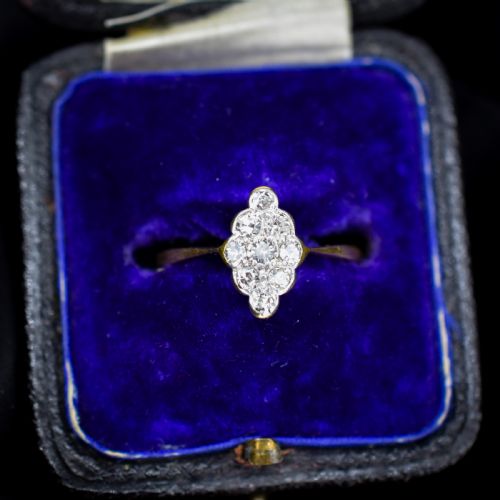
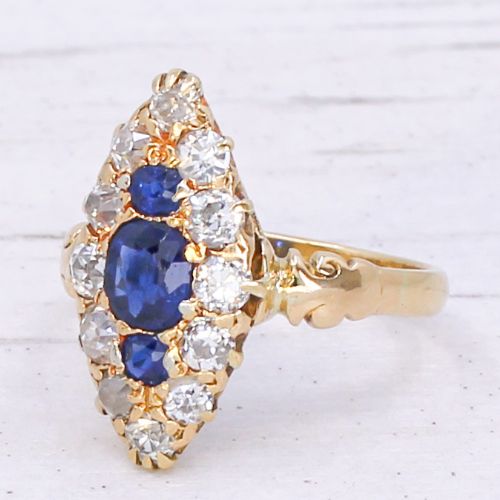
An Edwardian boat shape ring combines elongated elegance and glittering old cut diamonds, making it a sought-after piece of period jewellery.
Edwardian Boat Shape Ring
An Edwardian boat shape ring presents a distinctive curved silhouette that sits low on the hand, often stretching across the finger in a flattering navette or marquise outline. These pieces trace their origins through the Edwardian era, with related examples spanning from the Victorian period through to the Art Deco years and the 1920s.
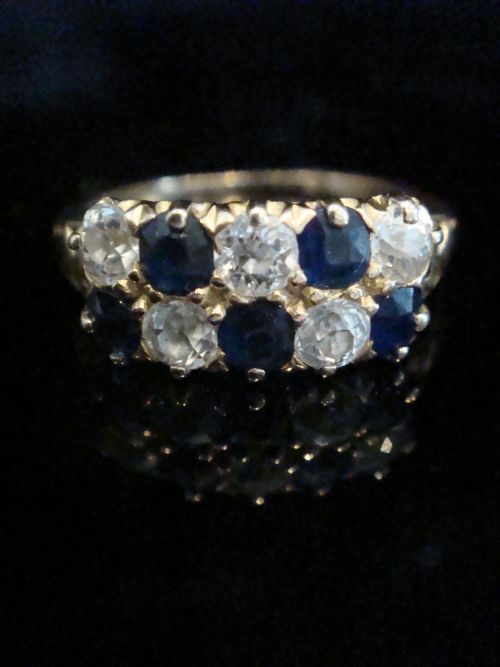
The most common form encountered on this page pairs yellow gold shanks with platinum settings that hold shimmering arrangements of diamonds, sapphires, or rubies. Makers of the time favoured cluster and multi-stone configurations that maximised the sparkle of old cut stones within a graceful boat-shaped frame.
How they were made
Goldsmiths constructed these rings primarily using eighteen-carat yellow gold for the band and durable platinum for the face, a combination that allowed for fine, secure claw and bezel settings. The integration of platinum during this period provided the strength needed for delicate openwork and intricate gallery designs without adding excessive weight to the piece.
Jewellers utilised hand-cut old cut diamonds alongside natural sapphires and rubies, setting them closely to create continuous lines of brilliance across the curved boat outline. Hallmarks stamped into the gold often record assay office origins such as Birmingham and Chester, marking the passage of the metal through British workshops.
Edwardian Boat Shape Ring Retail Price Guide 2026
Typical asking prices for edwardian boat shape ring among the pieces listed under this phrase on Sellingantiques today, from the lower quarter to the upper quarter. They describe what is for sale here now, not the wider market.
Listings span the Victorian, Edwardian, and Art Deco periods, showcasing materials from eighteen-carat yellow gold and platinum to diamonds, sapphires, and rubies.
What varies in quality
The distinction between average and exceptional rings lies in the crispness of the platinum gallery work and the matched quality of the central gemstones. Superior examples display harmonious proportions where the curve of the boat shape complements the finger, alongside secure, precise stone setting that has survived decades of wear.
The graduation and clarity of the old cut diamonds heavily influence the overall character of the piece, with finer stones showing superior light return and minimal inclusions. Additionally, the preservation of original hallmarks and the subtlety of any decorative shoulder engraving contribute to the desirability of a ring.
The Edwardian Boat Shape Ring Glossary
- Boat shape
- A jewellery silhouette curving upward at the ends like a small vessel, designed to sit horizontally across the finger. This form creates an elongated appearance that was particularly popular in cluster rings.
- Navette
- A pointed oval shape resembling a little boat or a small ship hull, often interchangeable with marquise. It provides a generous surface area for clustering multiple diamonds and coloured stones.
- Old cut
- A diamond facet arrangement hand-polished before modern brilliant cutting standards were established in the twentieth century. These stones typically feature high crowns and small tables that catch candlelight softly.
- Platinum
- A dense, silvery-white precious metal prized for its strength and ability to hold small stones securely. It became widely used in jewellery manufacturing during the Edwardian era.
- Hallmark
- An official stamp or series of marks applied to precious metals indicating the purity of the gold or platinum, the assay office, and often the year of manufacture.
Edwardian Boat Shape Ring: Frequently Asked Questions
How do I wear a boat shape ring?
Because of their elongated horizontal design, these rings make striking standalone pieces on the hand. Their low profile helps prevent snagging on clothing during daily wear.
Some examples with slender shanks are also suitable for pairing alongside plain stacking bands, provided the shapes rest comfortably side by side.
Are these rings made of platinum?
Many examples combine eighteen-carat yellow gold shanks with platinum settings on the face. Platinum gained popularity in this era because its strength allowed jewellers to create finer, more secure settings for diamonds.
All-gold versions and pieces featuring specific regional hallmarks from places like Birmingham or Chester also appear within the selection.
How can I tell the period?
Dating relies on a combination of gemstone cutting styles, metal combinations, and official hallmarks stamped inside the band. Edwardian and late Victorian pieces often feature handmade settings, old cut diamonds, and distinct regional assay stamps.
Transition periods into the nineteen-twenties and Art Deco style introduce more geometric cluster arrangements while retaining similar boat-shaped silhouettes.