

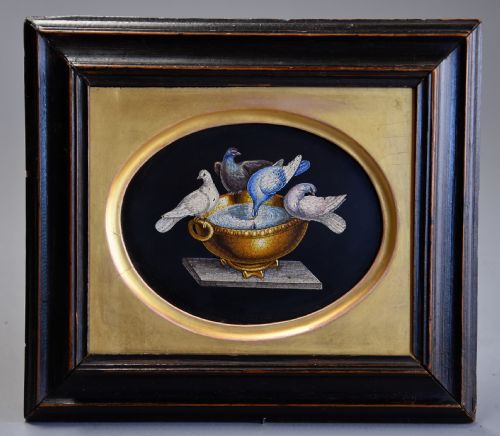


Victorian Ebonised Glass Frame
These dark-finished surrounds bring sharp contrast and deep reflection to a room, captured by the search phrase victorian ebonised glass frame.
Victorian Ebonised Glass Frame
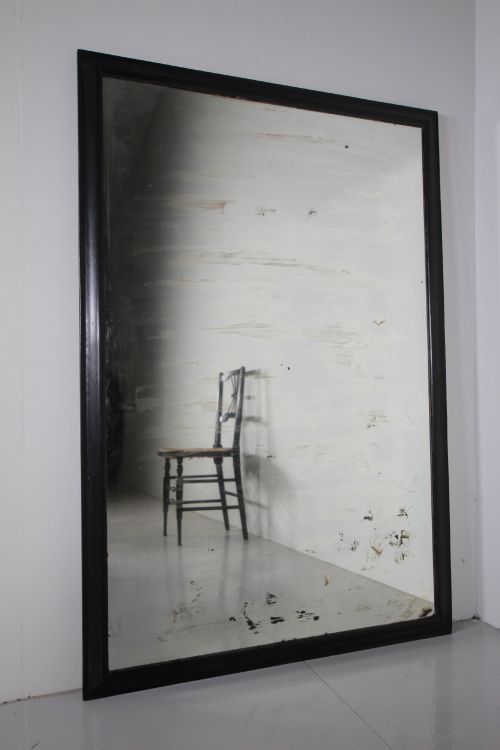
When you search for a victorian ebonised glass frame, you are looking at nineteenth-century mirrors, display cases, and scientific instruments featuring dark, blackened wooden borders. These pieces span the Victorian, Edwardian, and Aesthetic Movement periods, frequently incorporating contrasting gilding or painted details alongside large panels of mirror glass.
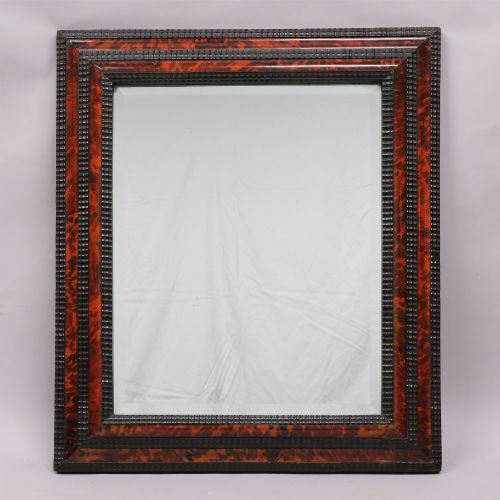
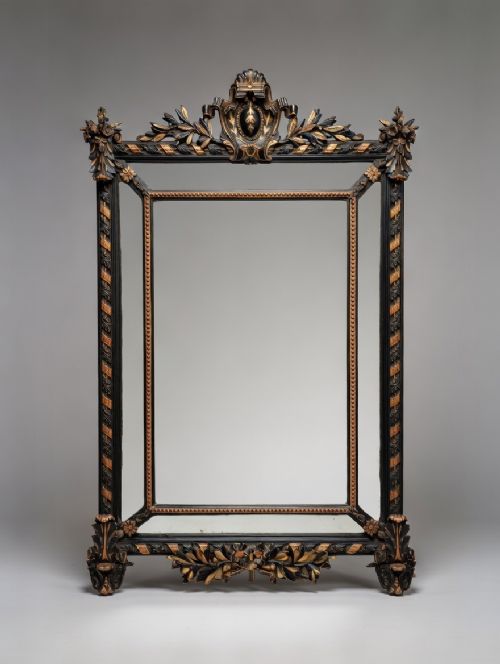
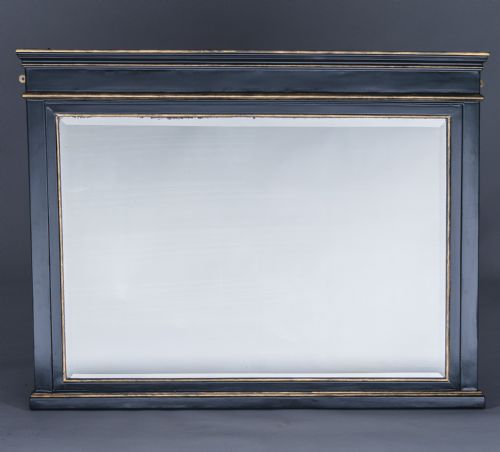
The selections on this page lean heavily toward architectural overmantel mirrors, tall hall mirrors, and specialised wall pieces. Many items combine ebonised wood with parcel-gilt highlights, while others integrate cut glass pediments or serve as housings for items such as taxidermy displays and micromosaic plaques.
Materials and construction methods
The dark finish is achieved by staining timber, often fruitwood or pine, to imitate expensive ebony, sometimes complemented by gesso mouldings and applied gold leaf. Craftsmen built these frames to house heavy silvered mirror glass, acid-etched pub glass, or delicate display scenes.
Surface decoration frequently involves parcel-gilt detailing, where selective areas of gold leaf highlight carved motifs against the black background. Ripple moulding machines and hand-carving techniques also appear across the nineteenth-century examples on this page.
Victorian Ebonised Glass Frame Retail Price Guide 2026
Typical asking prices for victorian ebonised glass frame among the pieces listed under this phrase on Sellingantiques today, from the lower quarter to the upper quarter. They describe what is for sale here now, not the wider market.
One frame moonlights as housing for a snowy taxidermy waxwing scene, proving that even a Victorian mirror maker occasionally preferred birds to reflections.
Distinctions in quality
The upper tier of these pieces reveals itself in the crispness of the carved details and the integration of the ebonised finish with genuine gilt accents rather than plain paint. Heavier construction, original silvered mirror plates, and intact glass pediments elevate an example above standard utility frames.
Proportion and decorative intent also set better pieces apart, particularly those reflecting the Aesthetic Movement or incorporating specialised elements like etched pub glass or micromosaic insets. Simpler vernacular items remain functional, but the finer specimens display deliberate artistic design in every joint and moulding.
The Victorian Ebonised Glass Frame Glossary
- Ebonised wood
- Timber treated with stain or paint to resemble solid ebony. This finish was widely utilised during the nineteenth century to create stark contrast with gilt decoration.
- Parcel-gilt
- Woodwork or framing decorated with partial applications of gold leaf. It draws the eye to specific carved details against a dark background.
- Overmantel mirror
- A large wall glass designed to hang directly above a fireplace mantel. These often feature wide ebonised and gilt wooden frames.
- Aesthetic Movement
- A late nineteenth-century design style emphasising visual beauty over narrative content. Pieces from this era often utilise ebonised frames with Japanese-inspired motifs.
- Pediment
- The decorative structure crowning the top of a frame or mirror. Some nineteenth-century examples feature specialised cut glass variations in this upper section.
Victorian Ebonised Glass Frame: Frequently Asked Questions
What is an ebonised frame?
An ebonised frame is made from timber stained or painted black to imitate costly ebony wood. This technique became popular during the nineteenth century to provide a dramatic, dark border for mirrors and art.
Craftsmen often combined this black finish with gold leaf highlights to create striking visual contrast within Victorian interiors.
Where were these mirrors hung?
These mirrors typically hung in prominent domestic spaces such as hallways, reception rooms, and above fireplaces as overmantels. Tall narrow versions also served dressing rooms and reception spaces.
Commercial settings like pubs utilised specialised etched glass versions to enhance interior lighting and decoration.
How do I date a Victorian frame?
Dating relies on observing construction methods, wood types, and stylistic indicators such as Aesthetic Movement motifs or Edwardian proportions. Mirror glass characteristics and backing boards also provide clues to the manufacturing era.
Comparing the specific decorative techniques, like parcel-gilding or ripple moulding, helps narrow down the decade of production.
Are all black frames ebony?
Most nineteenth-century black frames are ebonised wood rather than solid ebony. Fruitwood, pine, or walnut served as the base material before receiving a dark stain or paint finish.
This method allowed makers to achieve a luxurious dark appearance using more accessible domestic timbers.