


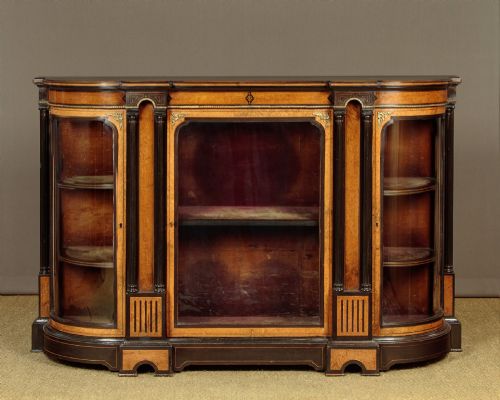
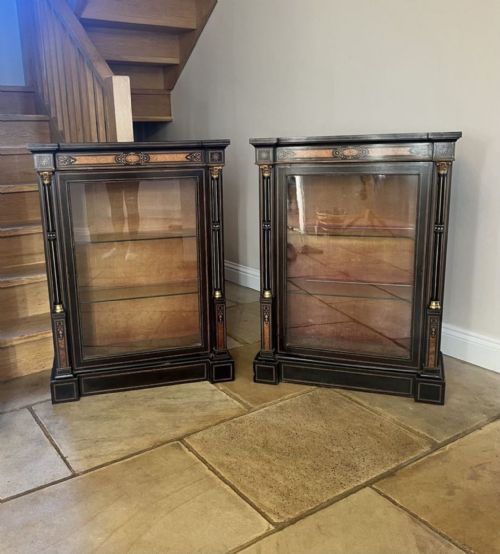
Victorian Ebonised Cabinet
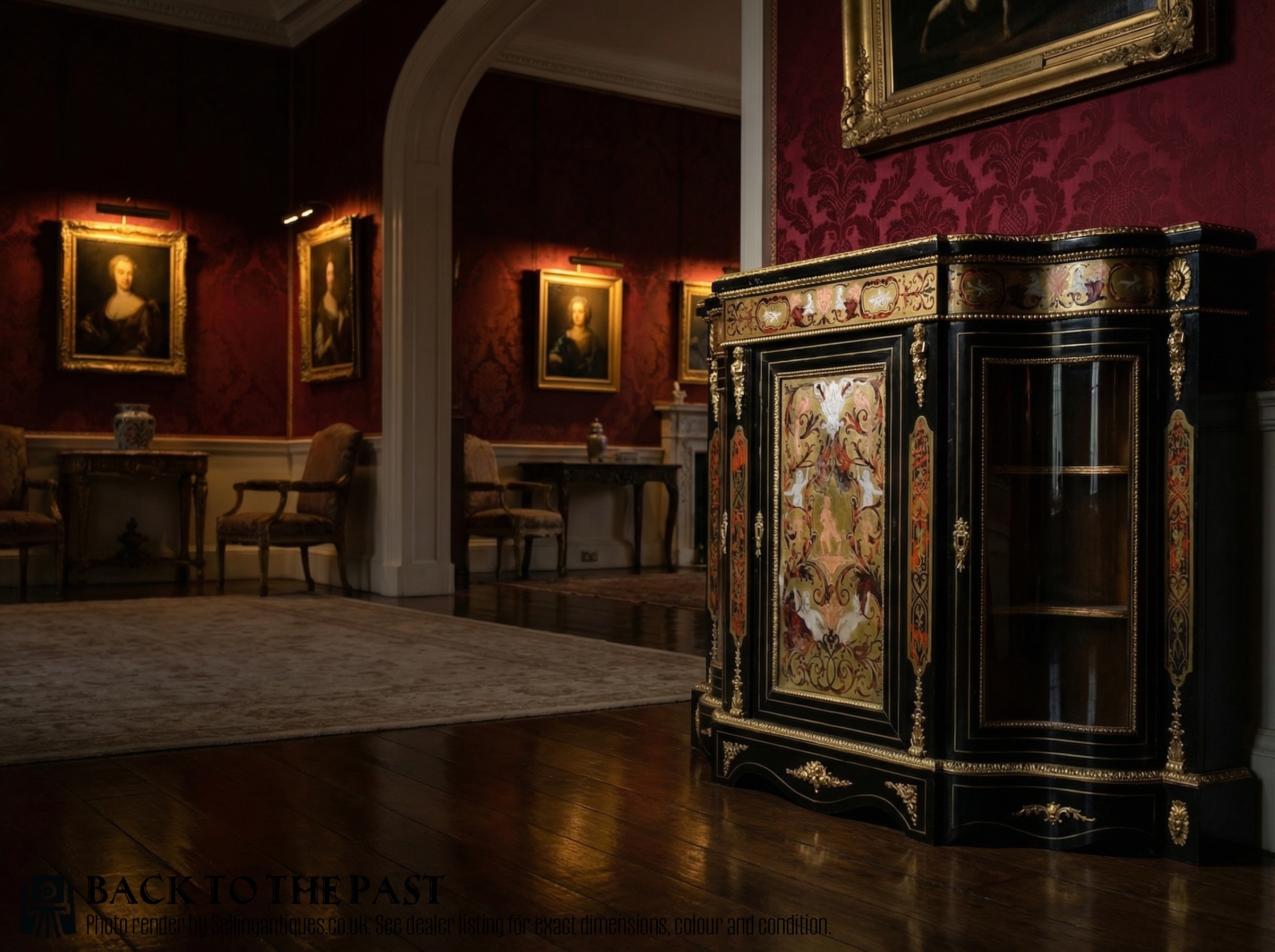
A victorian ebonised cabinet brings deep, dark elegance to a room through polished wood and striking brass mounts.
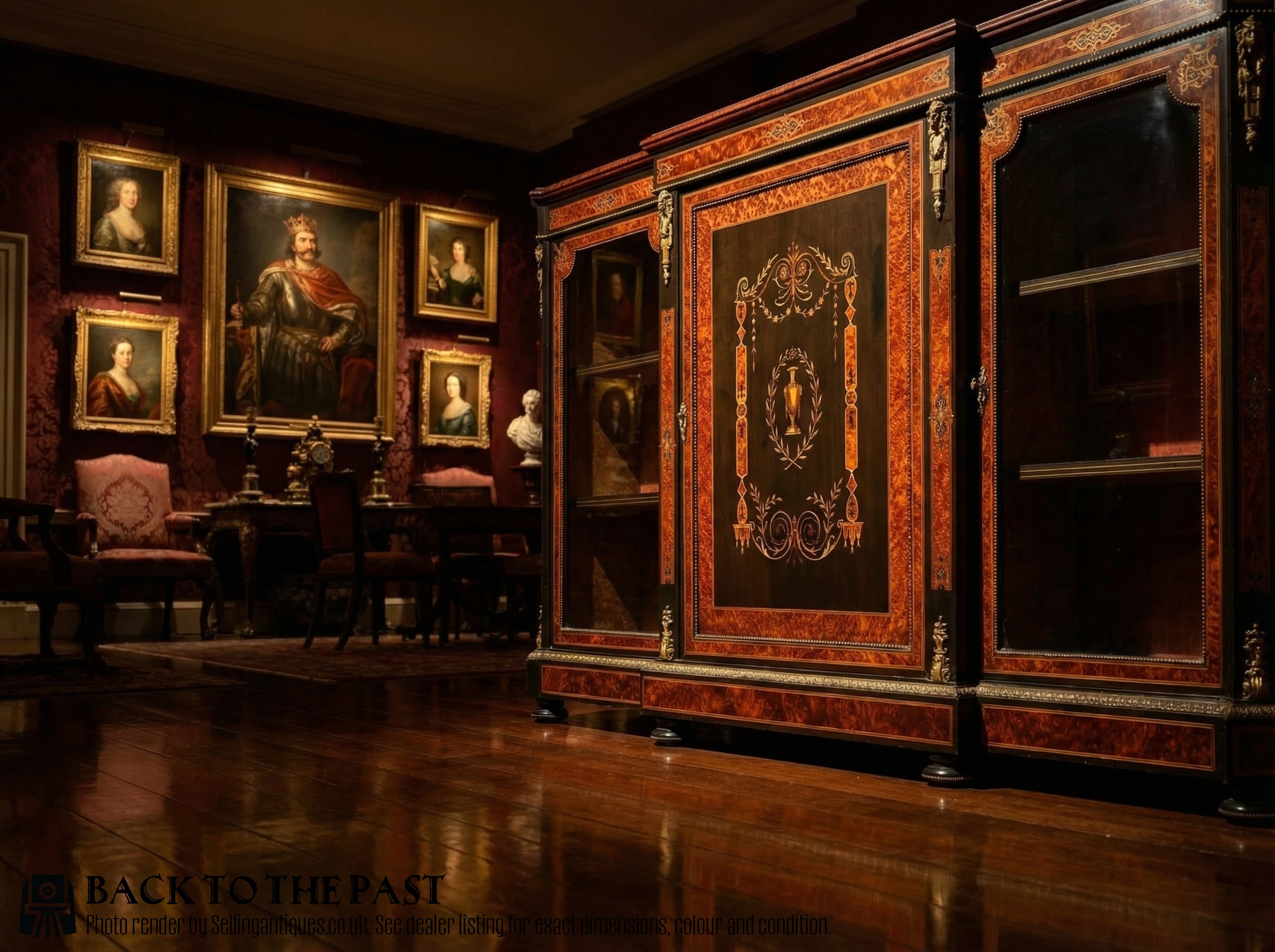
Victorian Ebonised Cabinet
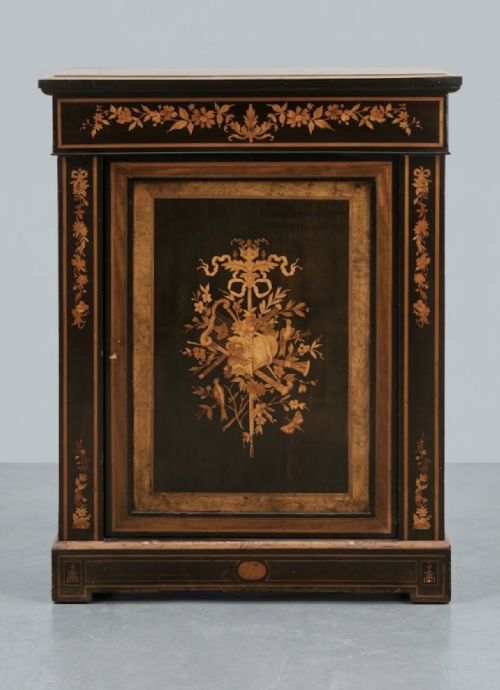
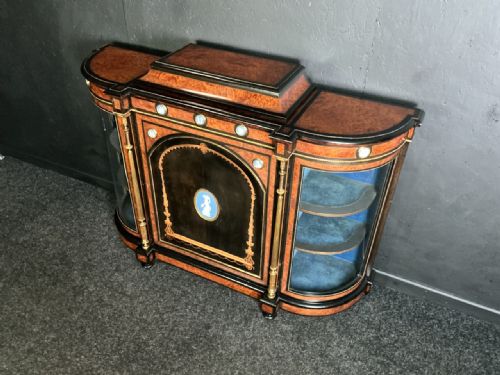
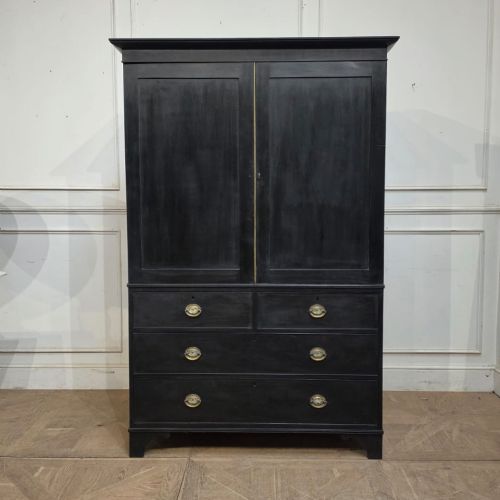
A victorian ebonised cabinet encompasses a range of formal storage furniture designed to display valuables or house books, music and writing materials. These items emerge from the nineteenth century, reflecting the tastes of the Victorian era alongside French Napoleon III and Aesthetic Movement influences.
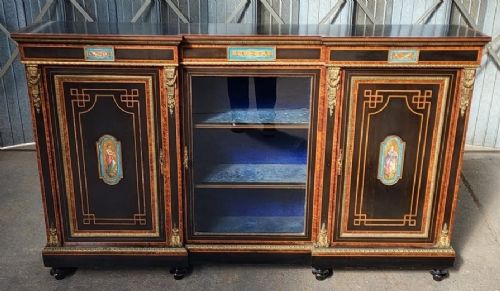
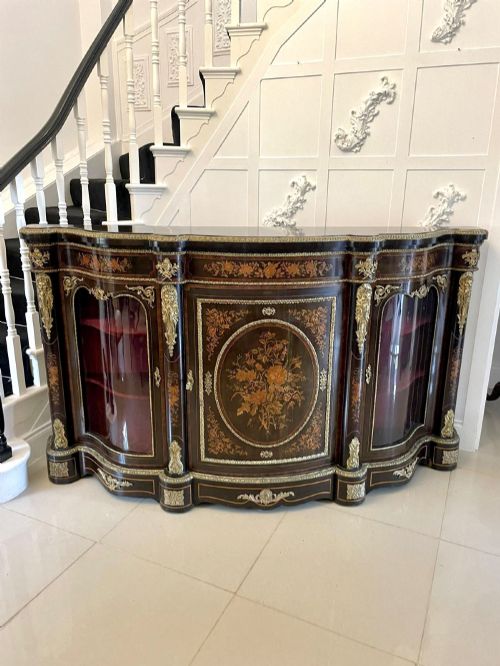
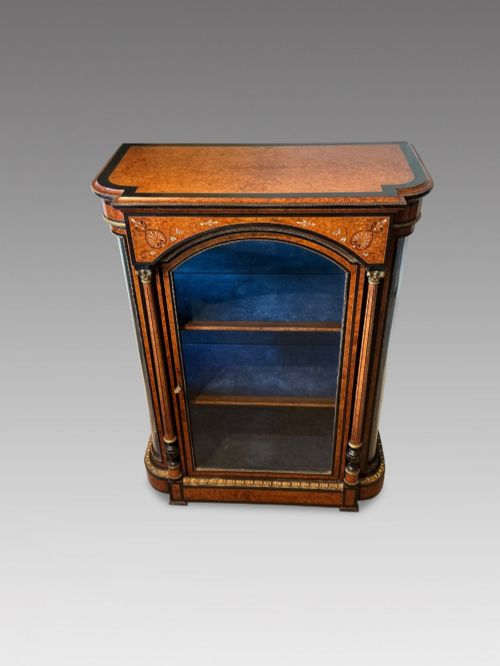
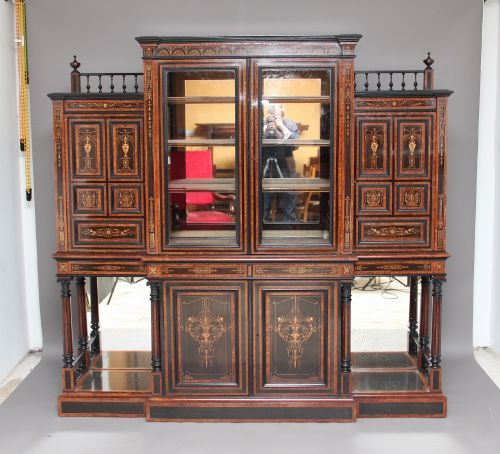
The most common formats found here include glazed pier cabinets, low credenzas with multiple doors, and compact music or side cabinets. Makers often employed ebonised wood to imitate expensive ebony, creating a dense black surface that provided high contrast for inlaid decoration.
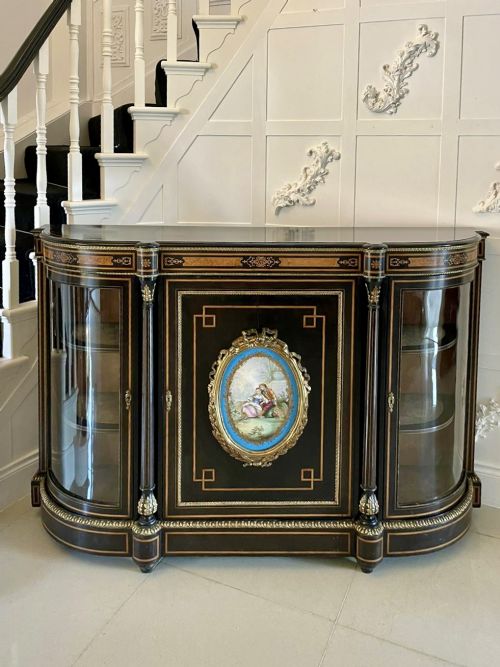
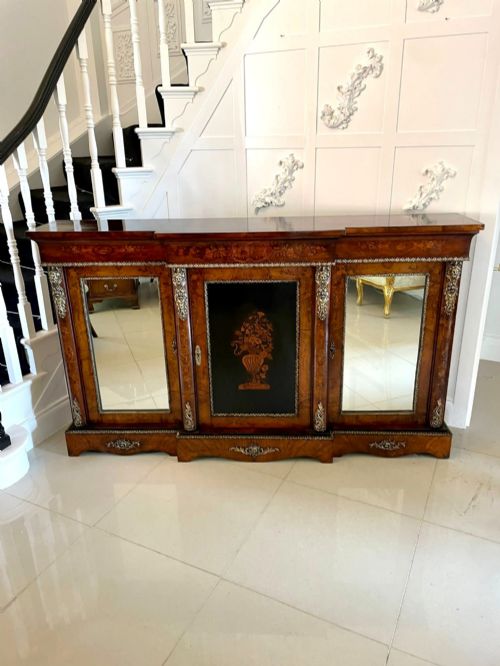
The architectural shapes vary from simple upright glazed bookcases to serpentine sideboards featuring intricate marquetry panels. Buyers frequently encounter versions embellished with contrasting veneers like amboyna and burr walnut alongside gilded metal mounts.
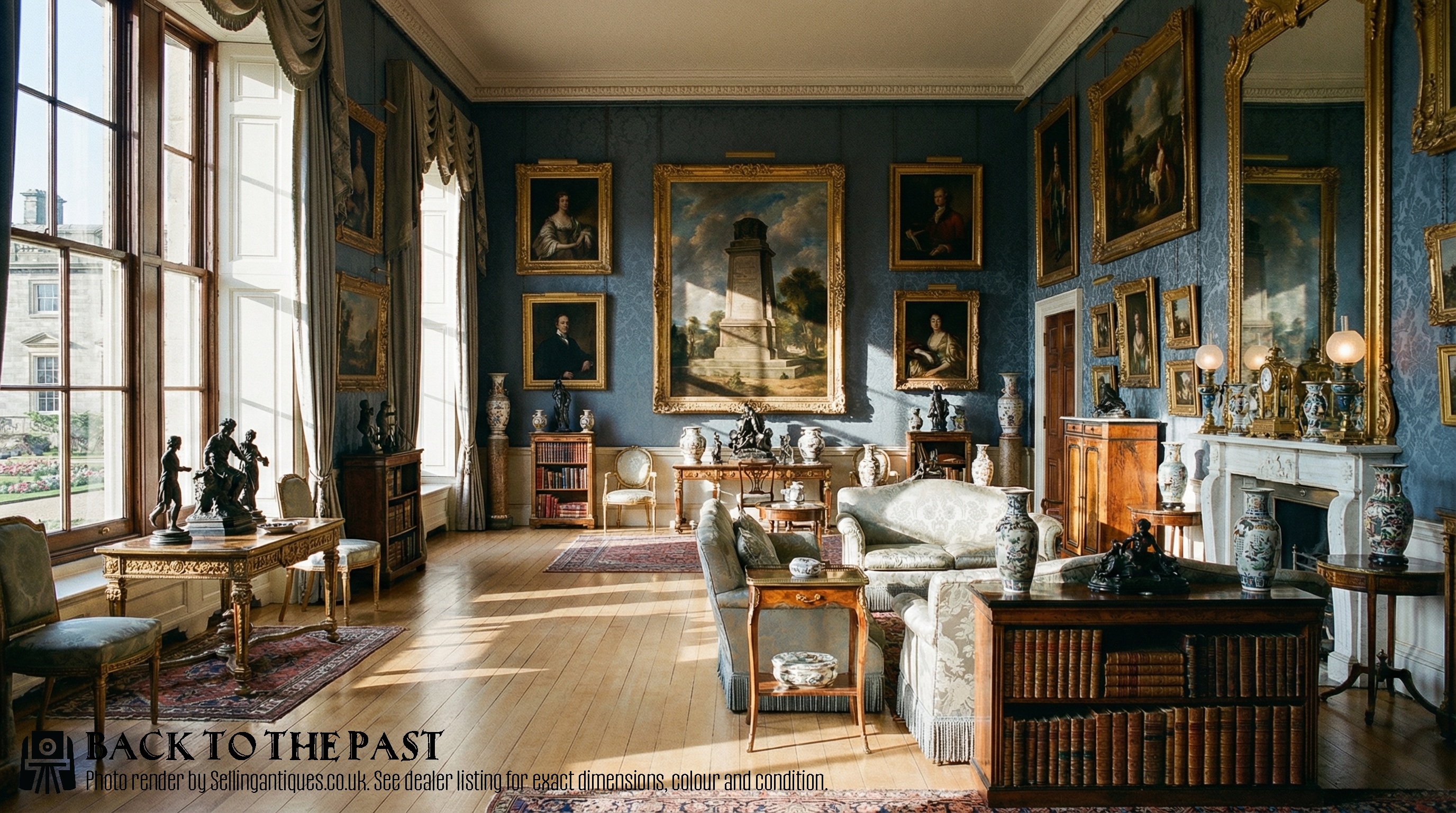
Materials and construction
Craftsmen typically utilised a dense secondary timber such as pine or walnut, which they stained or painted black and polished to achieve a deep ebonised finish. This dark ground served as a canvas for marquetry inlay utilising lighter exotic woods like amboyna, burr walnut and various fruitwoods.
Many examples incorporate cast or chased ormolu and gilt metal mounts around door frames, panels and cornices to accentuate the dark cabinetry. Glazed doors feature heavily on display pieces, while specialised interior fittings include velvet linings, adjustable shelving and compartmentalised drawers for music or specimens.
Victorian Ebonised Cabinet Retail Price Guide 2026
Typical asking prices for victorian ebonised cabinet among the pieces listed under this phrase on Sellingantiques today, from the lower quarter to the upper quarter. They describe what is for sale here now, not the wider market.
Listings demonstrate cabinet designs spanning the nineteenth century, incorporating Victorian, Regency, and Napoleon III periods.
Markers of distinction
The refinement of the marquetry inlay and the crispness of the gilt metal or ormolu mounts separate standard production from exceptional examples. Finer pieces demonstrate precise hand-cut veneers and detailed floral or geometric patterns that integrate seamlessly into the ebonised surface.
Structural complexity also dictates value, seen in serpentine fronts, curved glass doors, and the inclusion of original porcelain plaques or elaborate interior stationery fittings. The quality of the underlying secondary woods and the depth of the hand-rubbed ebonised polish further distinguish superior items.
Gillows·George Edmund Street·Lamb of Manchester·Henry Ogden and Son·Garnett and Sons
The Victorian Ebonised Cabinet Glossary
- Ebonised wood
- Timber treated with stain or paint to imitate ebony. This dark finish became immensely popular during the Victorian period for creating dramatic contrast against brass and marquetry.
- Credenza
- A low, freestanding cabinet typically featuring three doors. These pieces often anchor a dining room or drawing room and serve both display and storage purposes.
- Ormolu
- Gilded bronze mounts applied to furniture edges and panels. In the nineteenth century, these cast brass elements added a luxurious French taste to English cabinetry.
- Marquetry
- Decorative patterns formed by fitting together thin slices of various coloured woods. Artisans used this technique to create intricate floral and geometric motifs across door fronts.
- Pier cabinet
- A tall, narrow display cabinet designed to fit the wall space between windows. They frequently feature glazed doors to protect porcelain and collected curiosities.
Victorian Ebonised Cabinet: Frequently Asked Questions
What is a pier cabinet used for?
A pier cabinet was originally designed to occupy the narrow wall space between drawing room windows. Homeowners utilised these slender glazed units to exhibit prized ceramics and glass collections.
Today, they serve a similar function in modern interiors, providing upright display space without dominating a room.
How do I care for ebonised wood?
Ebonised surfaces require gentle dusting with a soft, dry cloth to prevent scratching the polished dark finish. Avoid using harsh chemical sprays or placing the cabinet in direct sunlight.
Occasional application of appropriate wax maintains the deep lustre of the wood without dulling the contrasting inlay.
What distinguishes an Aesthetic Movement cabinet?
Aesthetic Movement pieces embrace simpler architectural lines and draw inspiration from Japanese design principles. They frequently combine ebonised mahogany with gilt highlights rather than heavy ormolu mounts.
These cabinets reflect a late nineteenth-century shift toward artistic craftsmanship over mass-produced ornamentation.
Where were credenzas placed?
Credenzas traditionally stood against the main walls of formal dining rooms and parlours. They provided a flat surface for serving food or displaying decorative ornaments during gatherings.
Their low profile ensured they did not block windows or paintings while offering substantial interior storage.