




Victorian Earthenware Lid
These nineteenth-century pieces offer a glimpse into domestic life through utilitarian vessels and ornamental ceramics topped by matching covers.
Victorian Earthenware Lid
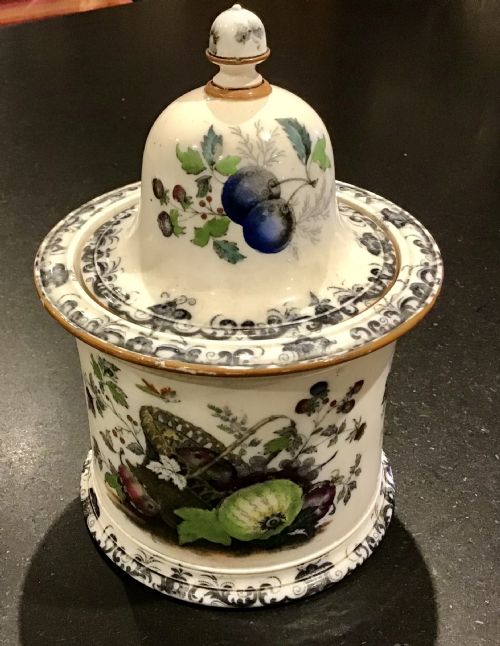
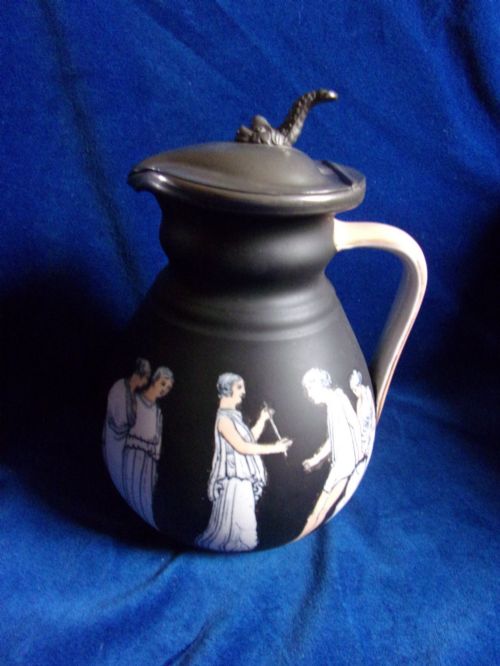
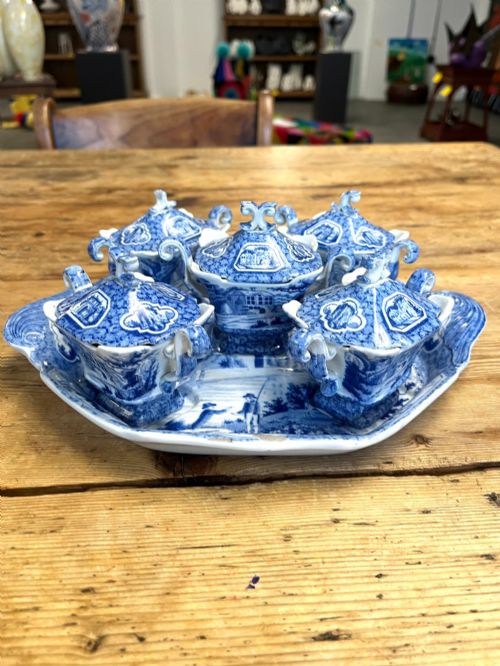
A victorian earthenware lid belongs to functional and decorative pottery from the nineteenth century, including tobacco jars, pickling barrels, wine jugs, and tureens. These covers complete vessels designed for storage and table service during the Victorian period.
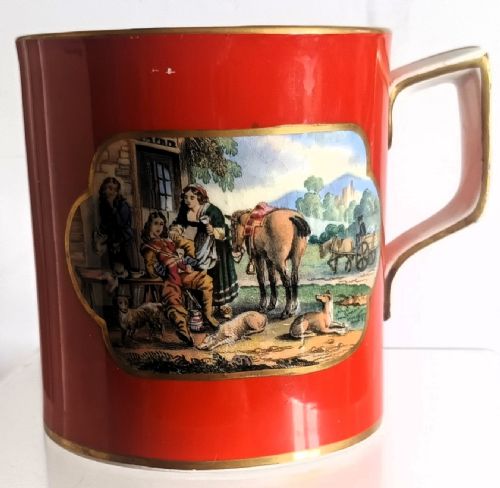
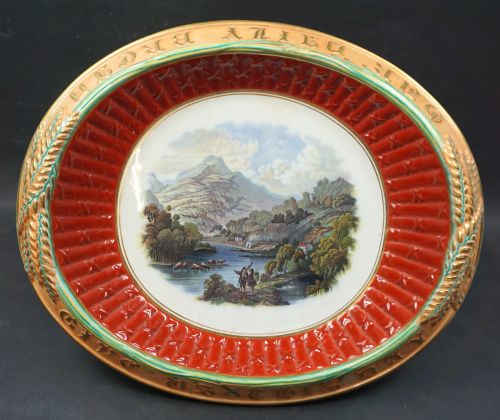
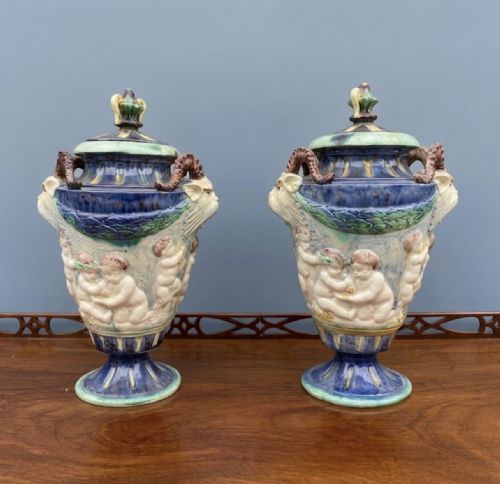
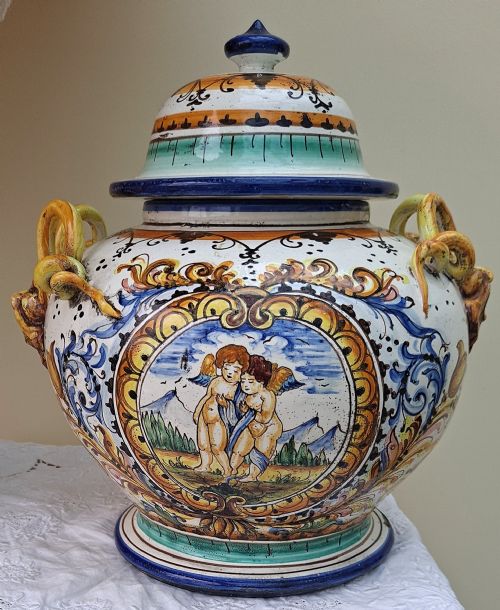
The most common examples on this page are components of utilitarian containers and decorative jars produced in English potteries. They reflect the diverse output of nineteenth-century ceramics, ranging from simple creamware barrels to ornate majolica and Prattware pieces.
How they were made
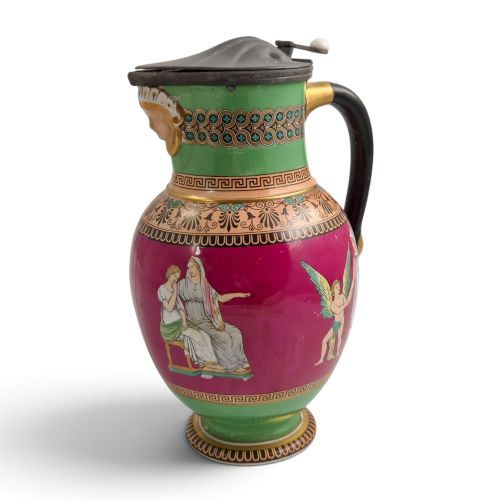
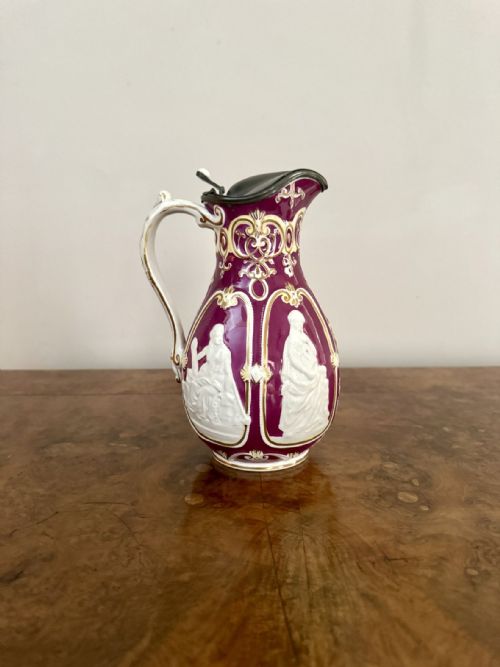
Potters shaped these earthenware and ceramic bodies on wheels or in moulds before applying glazes, often incorporating transfer-printed designs or hand-painted polychrome colours. Many pieces utilise contrasting materials, pairing ceramic lids or bodies with fitted pewter mounts and hinges.
Firing techniques in nineteenth-century kilns produced durable earthenwares capable of holding food, tobacco, or liquids. The addition of lead or tin glazes provided both a smooth finish and a protective barrier against moisture.
Victorian Earthenware Lid Retail Price Guide 2026
Typical asking prices for victorian earthenware lid among the pieces listed under this phrase on Sellingantiques today, from the lower quarter to the upper quarter. They describe what is for sale here now, not the wider market.
One unexpected nineteenth-century object here is a ceramic rugby ball inkwell, ready for a literary try.
What varies in quality
The sophistication of the modelling and the crispness of the transfer-printed or hand-painted decoration distinguish superior examples from ordinary production. Finely potted earthenware with well-fitting original lids and rich glaze saturation commands greater attention.
Maker attribution also influences standing, as established nineteenth-century potteries maintained higher standards in paste preparation and kiln control. The presence of integrated metal elements, such as pewter lids and mounts, adds another layer of craftsmanship.
Samuel Alcock·Thomas Forester and Sons·Ridgways·James Wallace and Company
The Victorian Earthenware Lid Glossary
- Earthenware
- A porous pottery type fired at relatively low temperatures, requiring a glaze to become impermeable. It forms the primary ceramic body for most nineteenth-century utilitarian vessels.
- Prattware
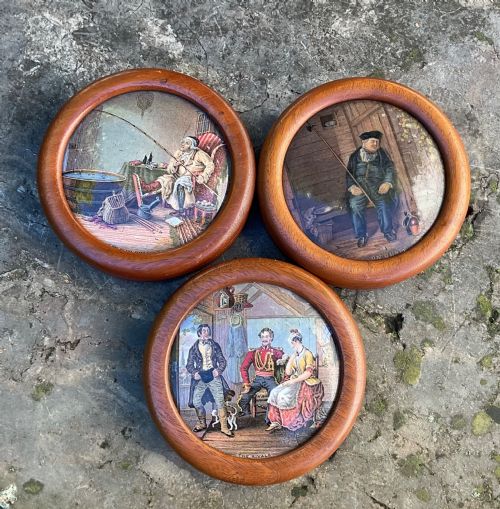
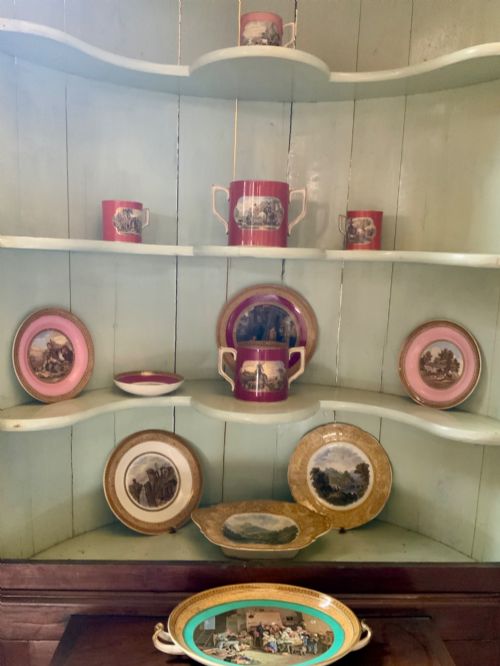
- A type of multicoloured earthenware popular in the nineteenth century, known for underglaze transfer printing in distinct earthy tones. It frequently appears on pot lids, plaques, and tableware.
- Majolica
- A colourful, lead-glazed earthenware introduced in the mid-nineteenth century, celebrated for rich sculptural relief and vibrant hues. Makers utilised this technique for urns, vases, and sardine boxes.
- Caneware
- A fine nineteenth-century stoneware or earthenware resembling the colour of bamboo or unbleached flour. Potters often applied it to game pie dishes and kitchen utility wares.
Victorian Earthenware Lid: Frequently Asked Questions
What were these lidded vessels used for?
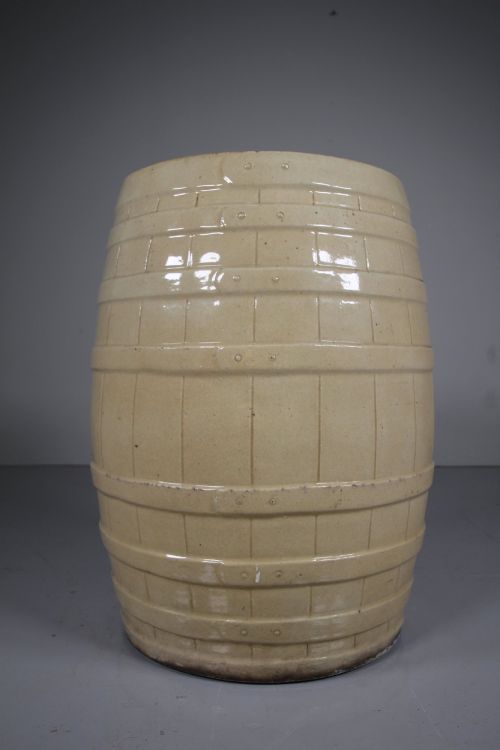
Nineteenth-century households utilised these lidded vessels for storing provisions, serving wine, or keeping tobacco fresh. Pickling barrels held food stores, while tureens brought hot dishes to the dining table.
Smaller lidded pots served on desks or dressing tables, fulfilling practical storage needs before the advent of modern packaging.
Are the lids on these pieces original?
Many items retain their matching original covers, which fit the contours and glaze characteristics of the base perfectly. Collectors look for this uniformity to confirm the integrity of the object.
Replacements do occur among nineteenth-century ceramics, making a close inspection of the clay body and wear patterns essential.
How can I distinguish different nineteenth-century styles?
Victorian ceramics encompass diverse aesthetic movements, from neoclassical revival forms to bright majolica and Chinoiserie motifs. Examining the decorative vocabulary and colour palette helps identify the specific design influence.
Transfer-printed rural scenes point toward popular domestic themes, while classical urn shapes draw on earlier historical revivals.