



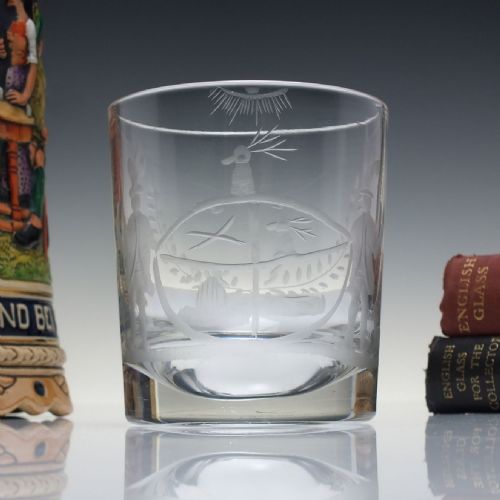
Victorian Drinking Glass
These pieces of victorian drinking glass bring tangible nineteenth-century craftsmanship to the table, offering practical charm for modern hosting.
Victorian Drinking Glass
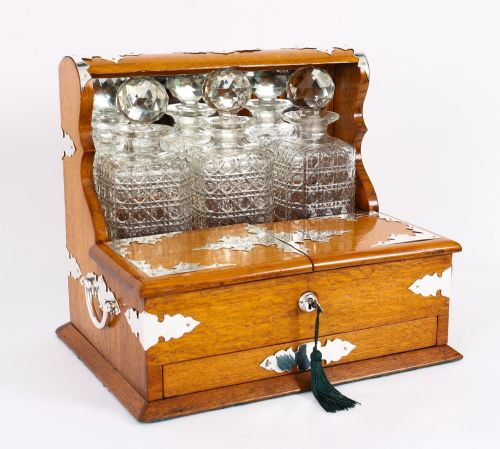
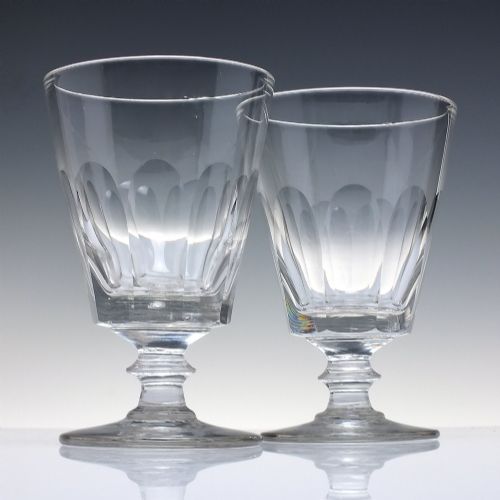
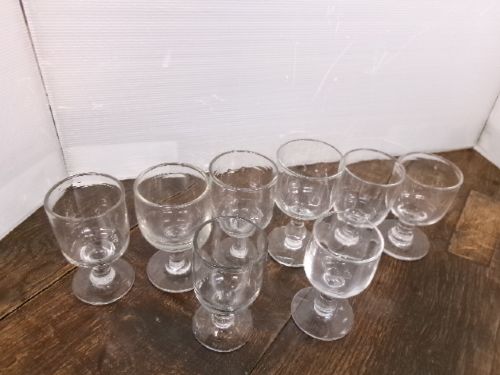
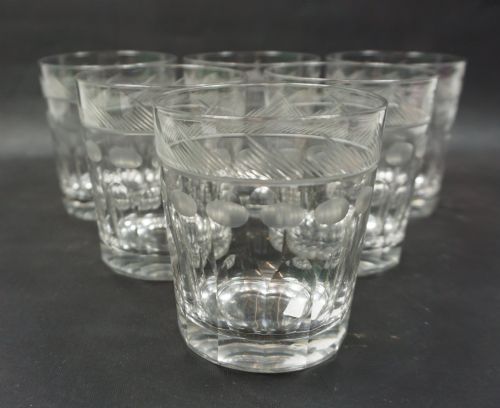
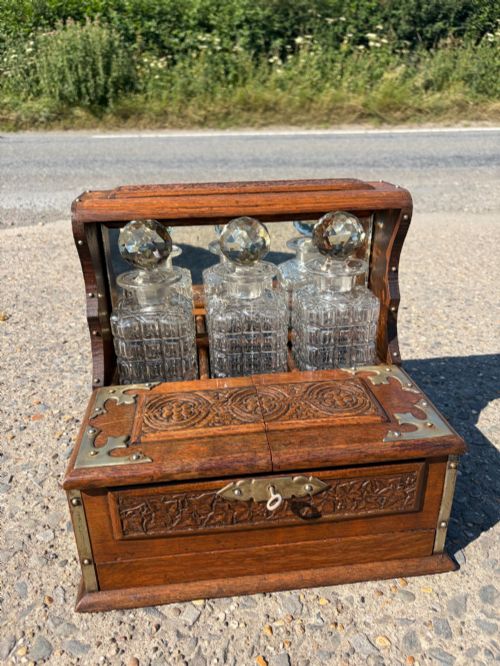
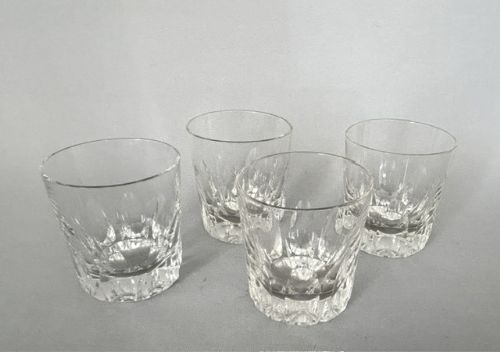
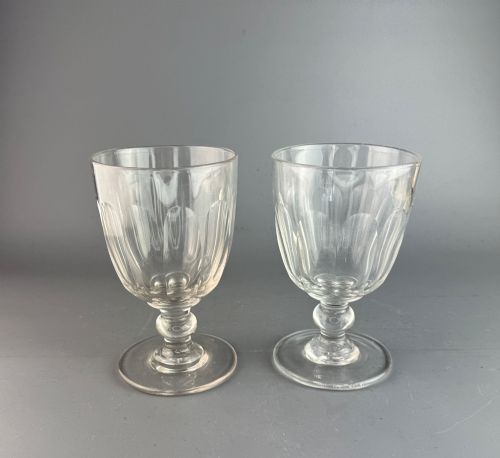
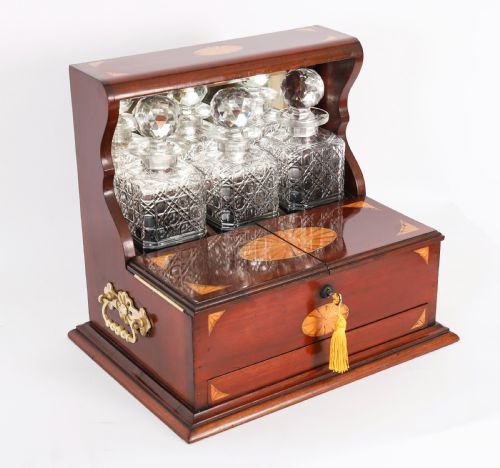
A search for victorian drinking glass reveals a diverse selection of barware, ranging from stemmed wine glasses and rummers to tumblers, decanters, and complete tantalus sets housed in oak or satinwood cases. The pieces span the nineteenth century, capturing the evolution of domestic dining and entertaining habits.
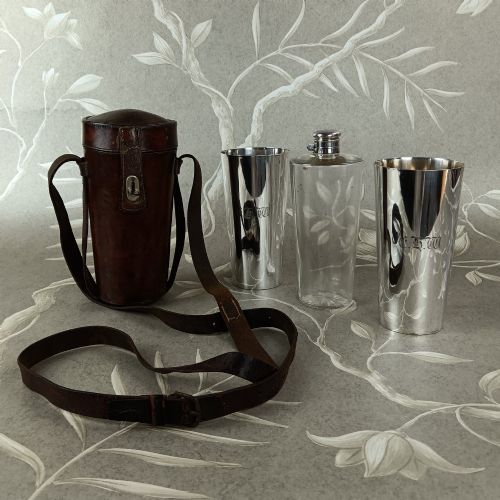
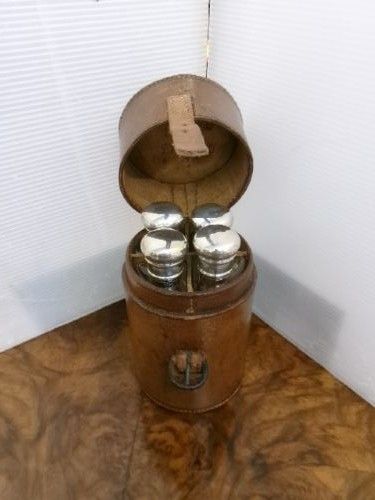
Buyers most frequently encounter wine glasses, heavy rummers, and whiskey tumblers alongside spirit flasks fitted with silver mounts. These items originate from British workshops as well as continental centres including Bohemia, Venice, and France.
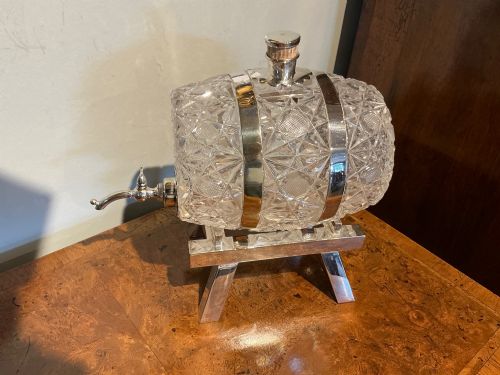
The selection encompasses matched sets for formal dining and individual novelty items such as spirit barrels or concealed glass vials within walking canes. Such variety reflects the breadth of nineteenth-century glass production, moving from utilitarian tavernware to decorative drawing-room sets.
Materials and Techniques
Makers utilised clear glass, lead glass, and heavy lead crystal alongside coloured varieties such as cranberry, ruby red, green, vaseline, and opalescent glass. Pieces were often hand-blown and shaped before receiving decorative treatments.
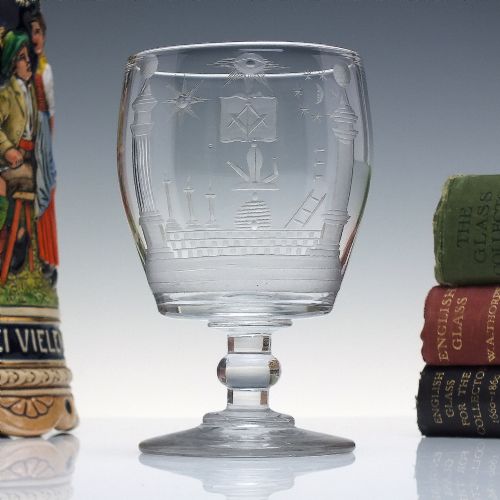
Surface ornamentation involved wheel-cutting, intaglio engraving, etching, and enamelling, sometimes combined with gilding or layered glass overlays. Enamelled and engraved motifs range from floral patterns to masonic symbols.
Vessels intended for portable use or secure storage were frequently mounted in silver plate, sterling silver, brass, or housed within fitted oak and leather cases.
Assessing Craftsmanship
Quality rests in the weight, clarity, and resonance of the material, alongside the precision of the hand-cutting and engraving. Superior pieces display crisp facets and deeply carved motifs that catch the light cleanly.
The integration of metal mounts, whether silver-plated frames on crystal barrels or sterling silver hinged caps on hip flasks, indicates the original grade of manufacture. Finer sets maintain uniform thickness across hand-blown bowls and matching tones within coloured glass runs.
James Dixon And Sons·Salviati·Lobmeyer
The Victorian Drinking Glass Glossary
- Rummer
- A large, sturdy drinking glass popular in the nineteenth century, typically featuring a short stem and a capacious bowl used for ale, wine, or punch.
- Tantalus
- A locking wooden cabinet holding decanters, designed to display the contents while preventing unauthorised access through a clever mechanism over the stoppers.
- Lead Crystal
- Glass containing a high proportion of lead oxide, prized for its exceptional brilliance, heavier weight, and musical ring when struck.
- Intaglio
- A technique where the design is incised into the surface of the glass rather than carved in relief.
- Vaseline Glass
- A type of glass coloured with uranium oxide that exhibits a distinctive yellow-green hue and glows under ultraviolet light.
Victorian Drinking Glass: Frequently Asked Questions
Can I use these glasses daily?
Many nineteenth-century drinking vessels are robust enough for careful everyday use, particularly heavy rummers and lead crystal tumblers.
For delicate hand-blown items featuring thin stems, enamel work, or gilding, reserve them for special occasions to preserve their condition.
How are different periods identified?
Dating relies on stylistic cues, manufacturing techniques, pontil mark characteristics, and hallmarks on any accompanying silver elements.
Comparing the depth of the hand-cutting and the colour chemistry provides further clues to whether a piece belongs to the Georgian era, the Victorian period, or later.
What is a tantalus set?
A tantalus is a secure barware caddy, usually made from oak, satinwood, or blonde oak, designed to hold two or three decanters securely.
A locking bar across the stoppers prevents the bottles from being removed while allowing the contents to remain visible.