


Victorian Dressing Table Bottle
A victorian dressing table bottle brings a refined touch of the nineteenth century to a modern room, offering both decorative glass and gleaming metal work.
Victorian Dressing Table Bottle
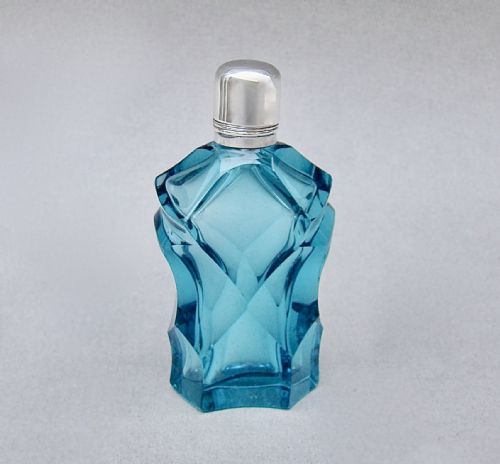
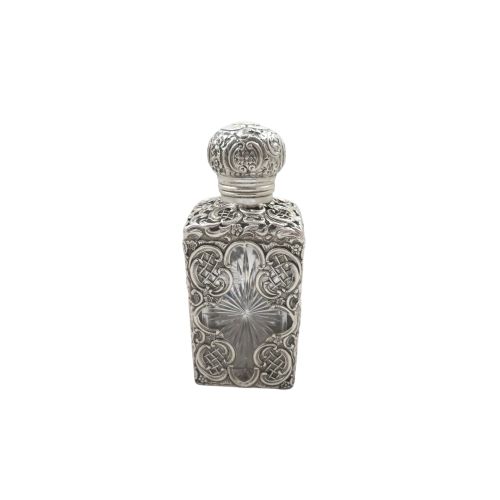
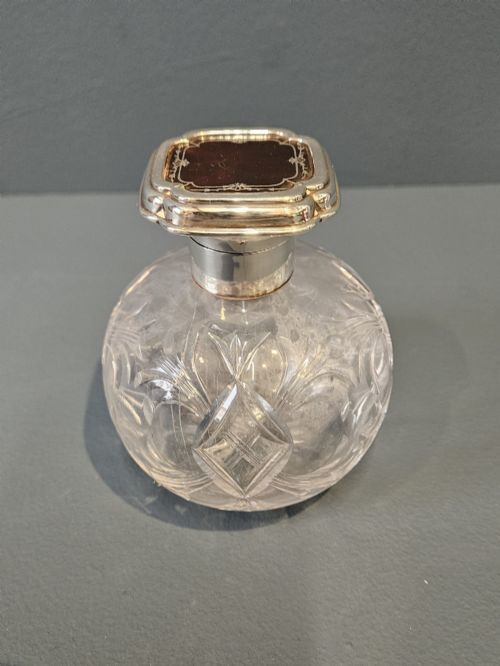
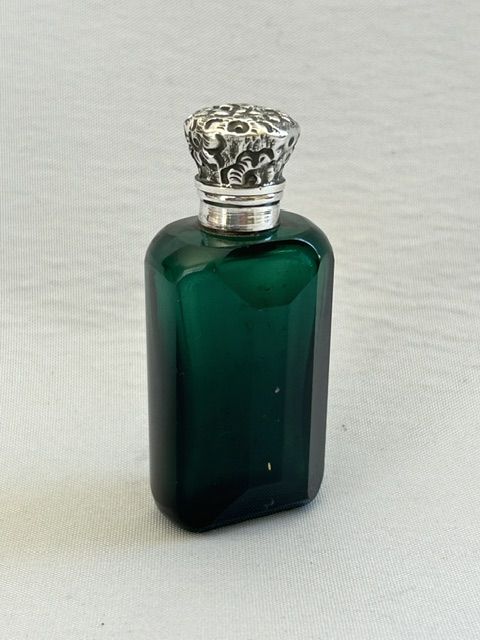
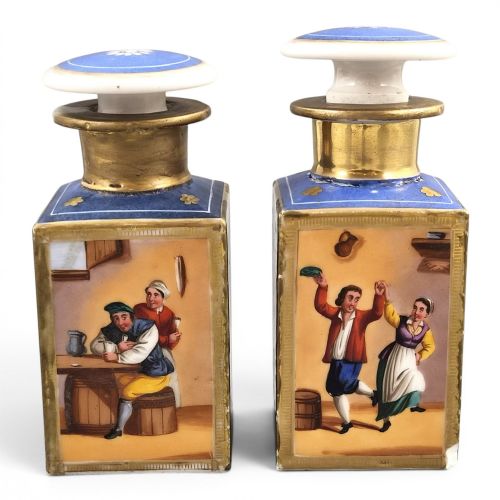
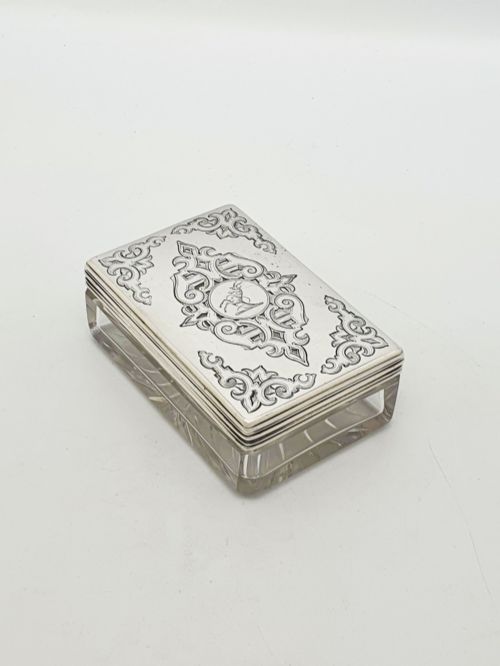
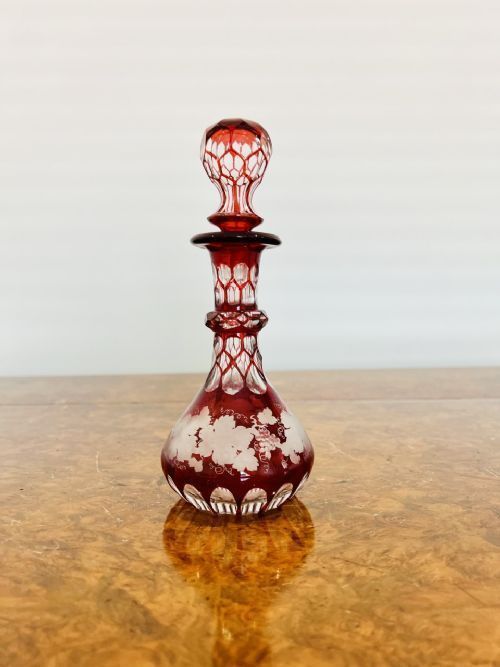
A victorian dressing table bottle is a small vessel designed to hold perfume, scent, or cosmetics on a nineteenth-century vanity. These pieces appear most frequently in cut glass or crystal, often fitted with sterling silver or silver-gilt collars and caps.
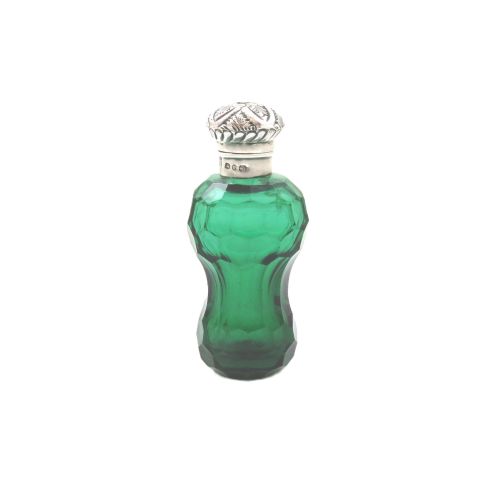
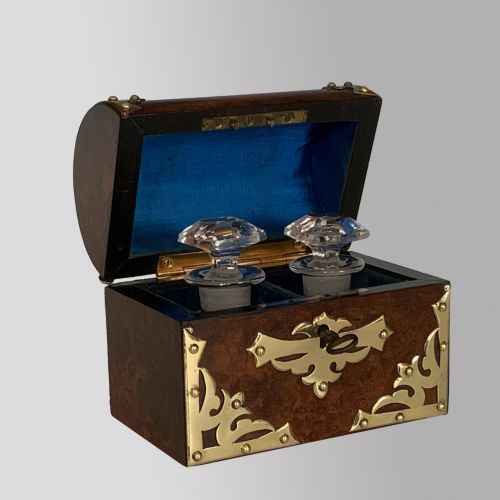
The selection ranges from individual scent flasks in teal, green, and amethyst glass to cased sets housed in walnut or coromandel wood boxes. Alongside single bottles, buyers encounter matching pairs and larger dressing table accessories dating from the mid-nineteenth century onwards.
How They Were Made
Glassmakers utilised techniques such as cutting, slicing, and overlay to shape heavy crystal and coloured glass into brilliant facets. Silversmiths then fashioned hinged caps and embossed collars, frequently applying hallmarks to denote the year and place of manufacture.
Woodworkers constructed protective caskets and boxes from walnut and coromandel, lining the interiors with velvet or leather to secure the delicate bottles during travel or daily use.
Victorian Dressing Table Bottle Retail Price Guide 2026
Typical asking prices for victorian dressing table bottle among the pieces listed under this phrase on Sellingantiques today, from the lower quarter to the upper quarter. They describe what is for sale here now, not the wider market.
Ensemble pieces appear in fitted coromandel and walnut caskets lined with velvet or leather for travelling.
What Varies in Quality
The standard of a victorian dressing table bottle rests on the depth of the glass cutting and the weight of the metal mountings. Pieces with heavy lead crystal and substantial sterling silver caps demonstrate superior craftsmanship compared to lighter, simpler examples.
The integrity of the ensemble also dictates distinction, particularly when bottles retain their original stoppers or sit within a fitted wooden casket lined in velvet.
Jacob Petit·S Morden and Co·Baccarat
The Victorian Dressing Table Bottle Glossary
- Sterling silver
- A silver alloy containing 92.5 percent pure silver by mass, widely utilised for the hinged caps and collars of nineteenth-century scent bottles.
- Cut glass
- Glass shaped by holding the vessel against a rotating abrasive wheel, creating deep geometric facets that catch the light.
- Scent casket
- A fitted wooden box, often bound in brass or covered in leather, designed to hold multiple perfume bottles securely.
- Mercury glass
- Double-walled blown glass coated on the interior with a silver liquid mixture to give a mirror-like sheen.
Victorian Dressing Table Bottle: Frequently Asked Questions
What is a victorian dressing table bottle used for?
These vessels were originally filled with liquid perfumes, colognes, or smelling salts for daily grooming rituals.
Today, they serve as decorative vanity accents or small display objects in a bedroom or bathroom.
How do I identify a Victorian scent bottle?
Look for characteristic nineteenth-century materials such as heavy cut crystal, coloured glass, and hallmarked sterling silver mounts.
Many examples also feature distinct architectural or floral embossing typical of the period.
Are stoppers usually original to the bottles?
Many surviving bottles retain their matching glass or metal stoppers, though replacements do occur due to the delicate nature of the pieces.
A snug fit generally indicates an original pairing.
How should I clean glass and silver bottles?
Gently wipe the exterior glass with a soft, damp cloth and mild soap, avoiding harsh abrasives that could scratch the surface.
Polish silver mounts sparingly with a dedicated cloth to preserve any historic hallmarks.