


Victorian Dressing Chest
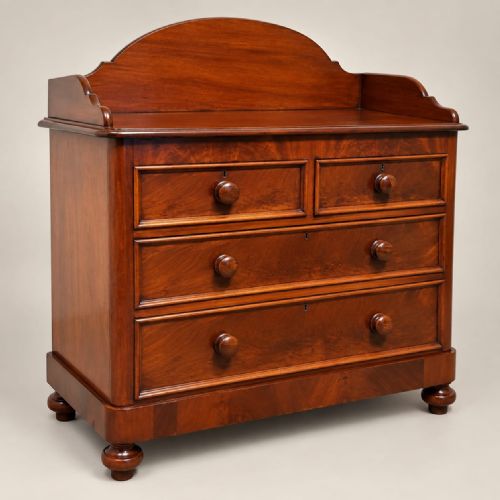
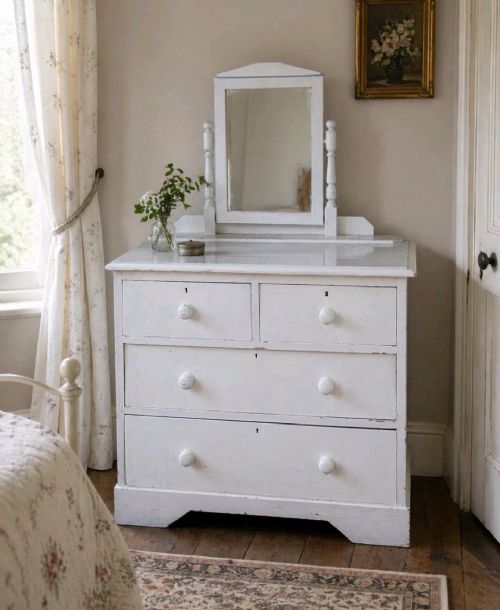
A victorian dressing chest combines a functional chest of drawers with a pivoted mirror for daily grooming.
Victorian Dressing Chest
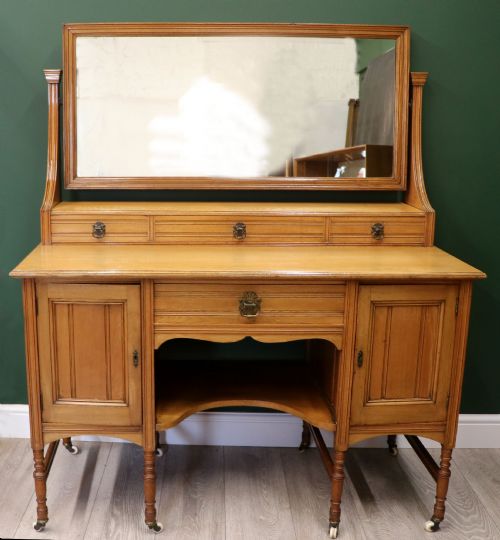
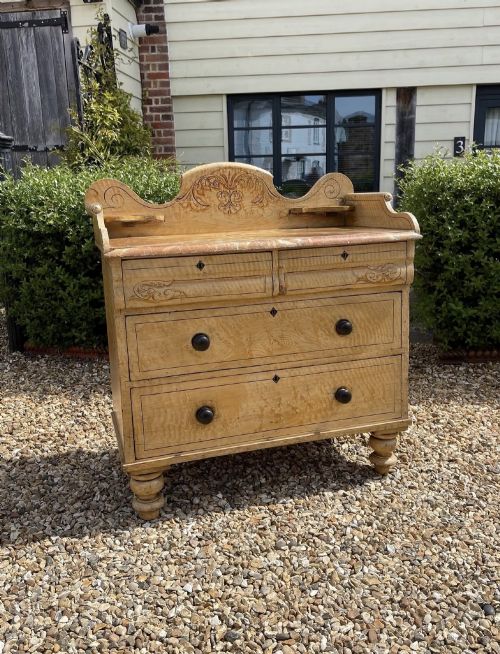
A victorian dressing chest is a substantial bedroom storage piece that integrates drawers with a vanity mirror.
Most examples found on this page date from the late nineteenth century and utilise native and exotic timbers.
Makers designed these pieces for daily domestic use, combining surface space for toiletries with deep drawers for garments.
How They Were Made
Cabinet makers constructed the primary carcasses from solid mahogany, walnut, or pine, applying figured veneers like burr walnut or satinwood to the drawer fronts.
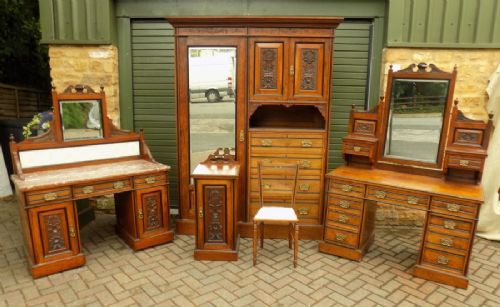
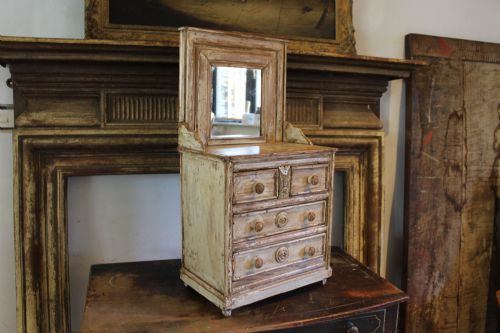
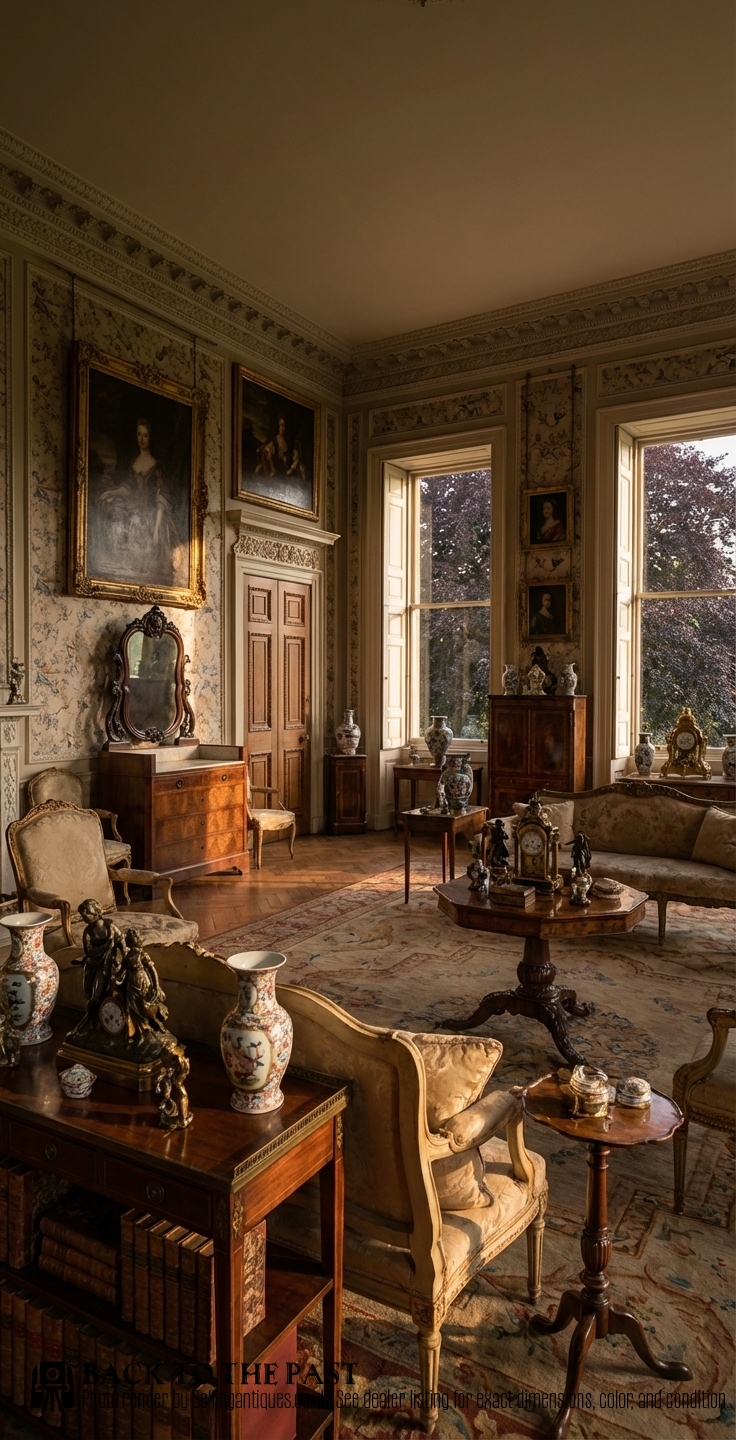
Many examples incorporate pivoting mirror frames supported by upright arms, often decorated with carved scrolling or inlay.
Secondary timbers such as oak or pine appear on drawer linings and backboards, secured with traditional dovetail joints.
Victorian Dressing Chest Retail Price Guide 2026
Typical asking prices for victorian dressing chest among the pieces listed under this phrase on Sellingantiques today, from the lower quarter to the upper quarter. They describe what is for sale here now, not the wider market.
Listings feature mahogany, walnut, burr walnut, satinwood, and pine across various Victorian forms.
What Varies in Quality
The choice of timber grain and veneer symmetry largely determines the visual merit of an individual piece.
Fine examples display careful hand-cut dovetailing, original brass or cast-metal hardware, and well-fitted interior partitions.
The integration of the mirror support and the crispness of any applied carvings distinguish standard workshop production from high-end cabinet work.
Shoolbred and Co·Edwards & Roberts·Wright & Hunter of Belfast·Gillows·Harris Lebus·H Ogden·Maple and Co·Holland and Son
The Victorian Dressing Chest Glossary
- Burr walnut
- A figured timber harvested from the wart-like growths on walnut trees, prized for its swirling grain patterns. Cabinet makers sliced this wood into thin veneers for drawer fronts and top surfaces.
- Dovetail
- A traditional interlocking woodworking joint formed by interlocking wedge-shaped pins and tails. This construction method provides exceptional tensile strength for drawer corners.
- Duchesse dressing table
- A grand vanity form featuring a large central mirror flanked by smaller side glasses or tiers of tiny drawers. These pieces often incorporate a low central well or stool space.
- Swivel mirror
- A glass plate hung on horizontal pivots between two vertical upright arms, allowing the user to adjust the angle of reflection. They are securely fixed to the top surface or upper superstructure of the chest.
Victorian Dressing Chest: Frequently Asked Questions
How do I identify a Victorian dressing chest?
Look for heavy timber construction, hand-cut dovetails on the drawer interiors, and a pivoted mirror attached via wooden support arms. These elements distinguish nineteenth-century examples from later reproductions.
Check the secondary woods inside the drawers, as pine or oak frequently indicate regional British or imported workshop origins from the period.
Can the mirror be removed safely?
Most mirrors detach easily by unscrewing the thumbscrews or metal fixings located on the lower support uprights. This makes transport and placement significantly more straightforward.
Keep the original screws and washers together with the mirror frame to ensure proper alignment when reassembling the superstructure.
How should I clean the wood surface?
Dust the timber regularly with a dry, soft cloth and apply a quality beeswax periodically to nourish the polish. Avoid modern silicone sprays that can damage historic finishes.
Protect the top surfaces from moisture by using coasters under toiletries, as old shellac and wax finishes are sensitive to alcohol and water.