


Victorian Double Bookcase
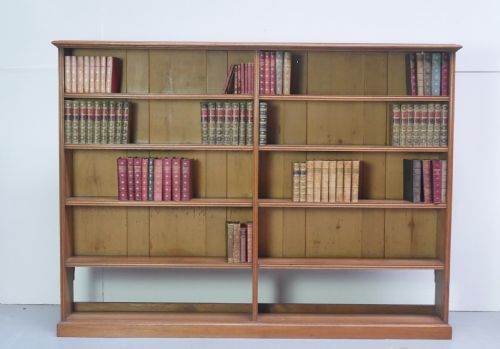
A victorian double bookcase brings substantial presence to a room, offering generous storage for libraries and displaying books behind glazed or open fronts.
Victorian Double Bookcase
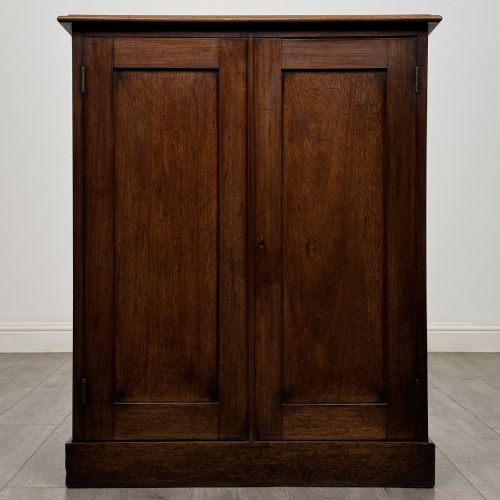
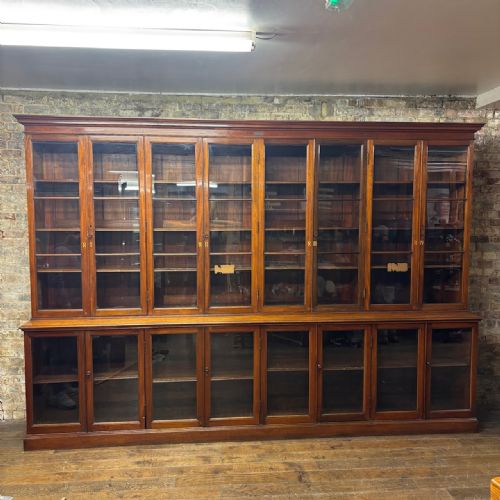
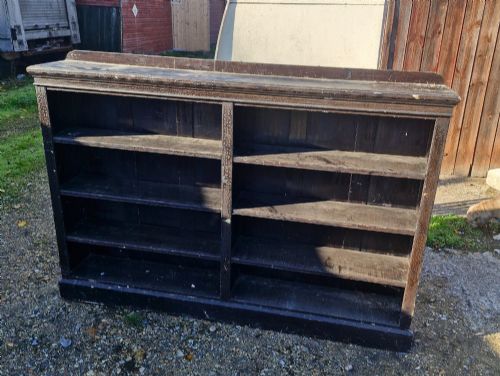
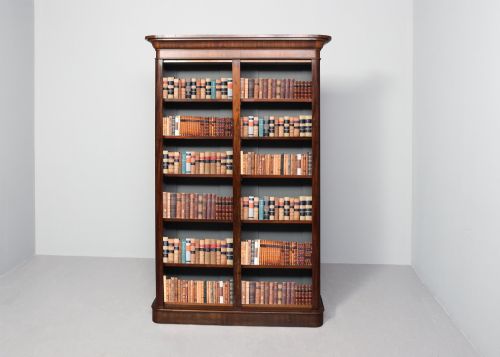
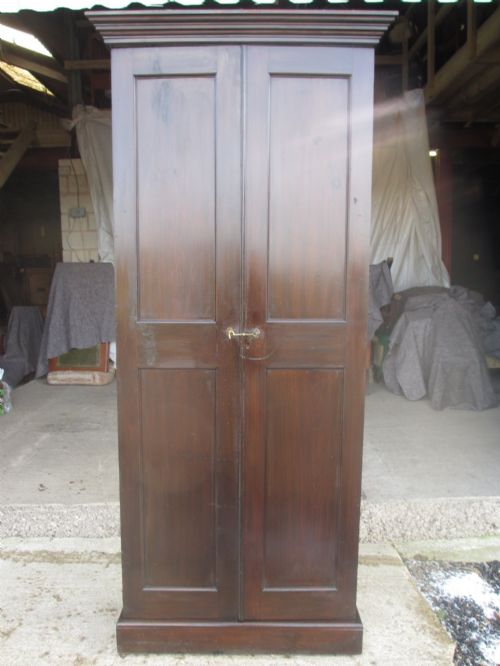
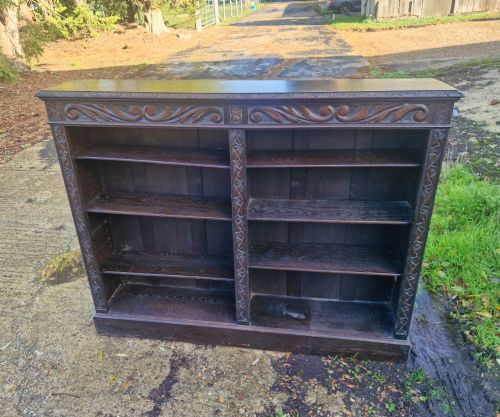
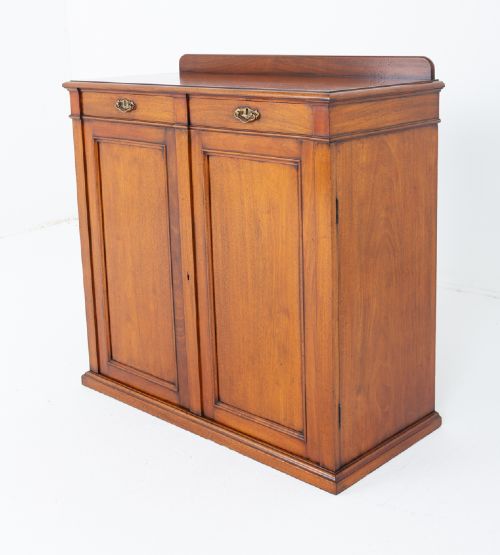
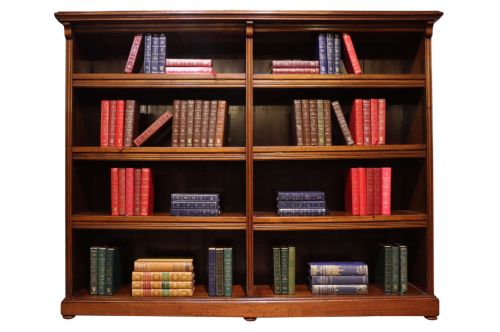
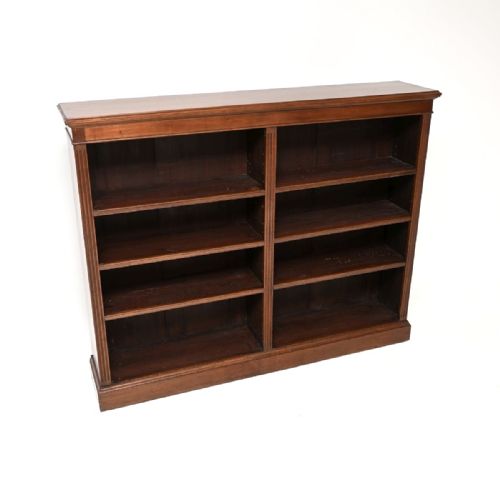
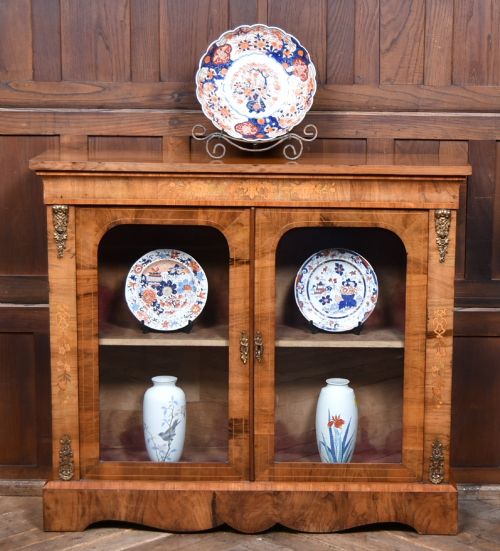
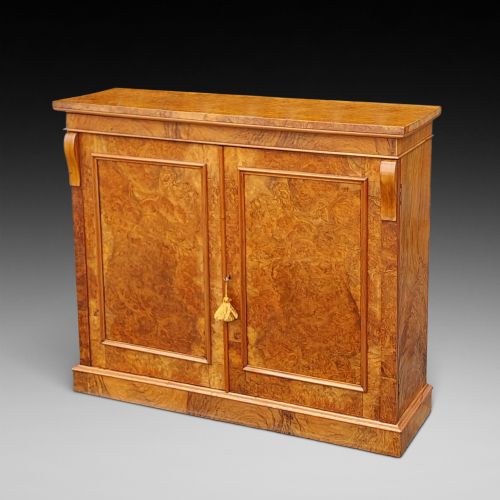
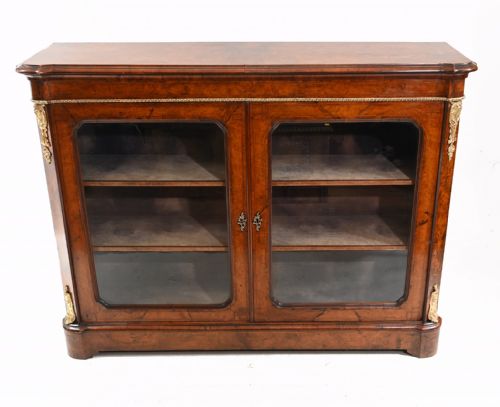
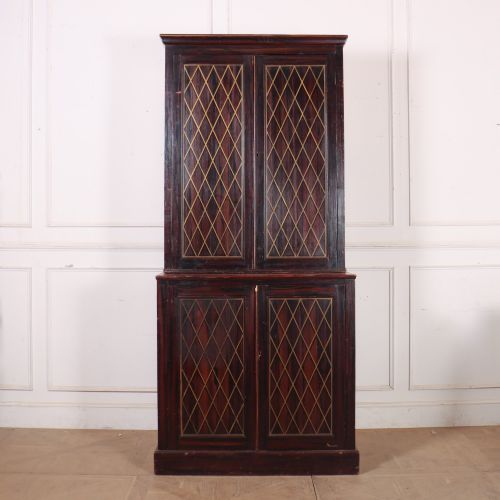
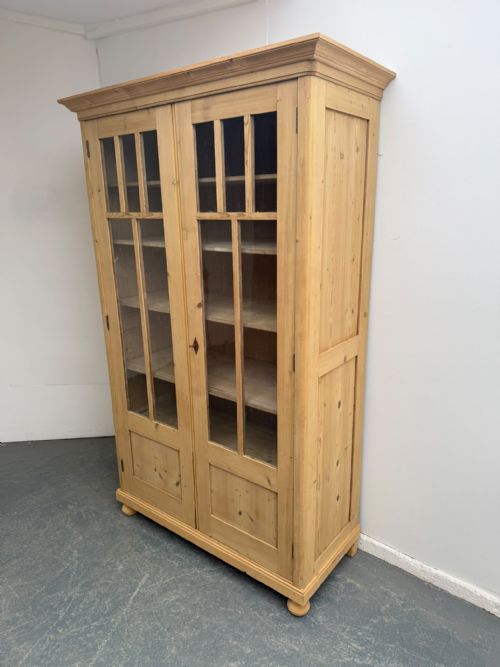
A victorian double bookcase primarily comprises large timber storage units built across the nineteenth century, frequently incorporating two doors or twin sections. These pieces span structural forms from open-front mahogany shelving to glazed cabinets and side furniture.
The materials recorded across these pieces range from dense hardwoods such as mahogany, walnut, and burr walnut to lighter utility timbers like pine and oak. Cabinetmakers also utilised glass panels and brass fittings to finish the facades.
The dominant styles reflect the broader Victorian era alongside revival aesthetics, including Chippendale Revival and French Chateau influences. Buyers will encounter both tall two-part library editions and more compact pier cabinets on this page.
How they were made
Cabinetmakers constructed these pieces using solid timbers and decorative veneers, applying mahogany, walnut, and oak across carcases. Glass was fitted into door frames to protect volumes while maintaining visibility.
Joinery techniques supported large structural loads, particularly in tall two-part bookcases featuring adjustable shelving. Brass hardware and ormolu mounts were integrated to secure doors and drawers.
Victorian Double Bookcase Retail Price Guide 2026
Typical asking prices for victorian double bookcase among the pieces listed under this phrase on Sellingantiques today, from the lower quarter to the upper quarter. They describe what is for sale here now, not the wider market.
Listings span the nineteenth century, recording forms built from mahogany, walnut, oak, and pine alongside glass and brass.
What varies in quality
The choice of timber underpins the character of each piece, distinguishing simple pine utility furniture from finely figured walnut or mahogany library editions. Finer examples display meticulous grain matching and careful marquetry detailing.
Construction methods determine durability, with superior pieces offering robust internal shelving systems and well-fitted doors. The integration of decorative elements like carvings, brass mounts, and parcel-gilt highlights distinguishes standard regional work from high-end cabinetmaking.
The Victorian Double Bookcase Glossary
- Pier cabinet
- A low freestanding cabinet designed to fit narrow wall spaces between windows during the nineteenth century. These often feature glazed doors and walnut or mahogany construction.
- Secretaire bookcase
- A tall library cabinet incorporating a pull-down writing drawer with internal compartments above lower shelving or doors. This form combines workspace and book storage in a single timber unit.
- Marquetry
- The decorative art of applying small pieces of veneer to a structure to form geometric or floral patterns. This technique frequently appears on walnut pier cabinets.
- Vitre
- A glass-fronted display cabinet or showcase used for exhibiting porcelain and decorative objects. These often feature mirrored backs and ornate timber frames.
- Two-part bookcase
- A large modular library cabinet constructed in separate upper and lower sections for ease of transport and placement. They often stand tall with open shelving or glazed doors.
Victorian Double Bookcase: Frequently Asked Questions
How do I care for a nineteenth-century timber bookcase?
Maintain stable room humidity and avoid placing wooden furniture near direct heat sources to prevent timber splitting. Regular dusting with a soft cloth preserves the polished finish.
Apply occasional appropriate wax treatments to nourish mahogany, walnut, or oak surfaces without building up heavy residue. Check adjustable shelf supports periodically during relocation.
Were these cabinets used solely for books?
Many nineteenth-century glazed cabinets served multiple domestic purposes, housing collections of ceramics, glassware, and household ledgers alongside volumes. Library editions were engineered specifically for heavy literature storage.
Lower sections of larger bookcases frequently contained enclosed cupboards for supplementary storage. Pier cabinets were primarily utilised to display decorative ornaments in reception rooms.
How can I distinguish a library bookcase from a display cabinet?
Library bookcases typically feature sturdy open fronts or solid wooden doors designed for heavy volumes and working reference materials. Adjustable internal shelves accommodate varying book heights.
Display cabinets and vitrines prioritise visibility through extensive glass panels, sometimes incorporating mirrored backs and velvet linings. These structures house ornamental ceramics rather than working libraries.