

Victorian Dog Art
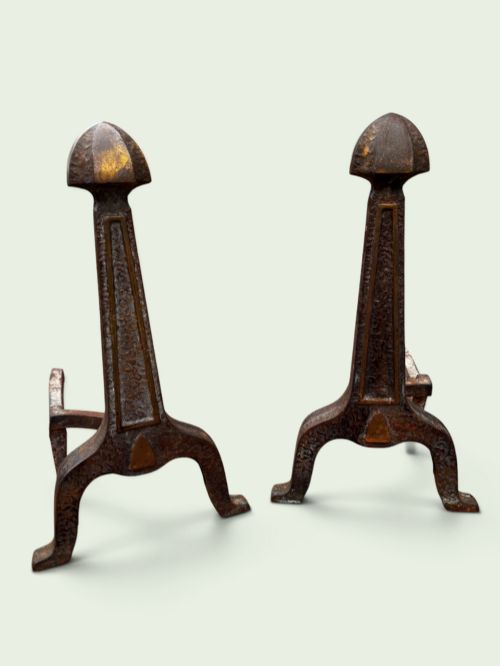
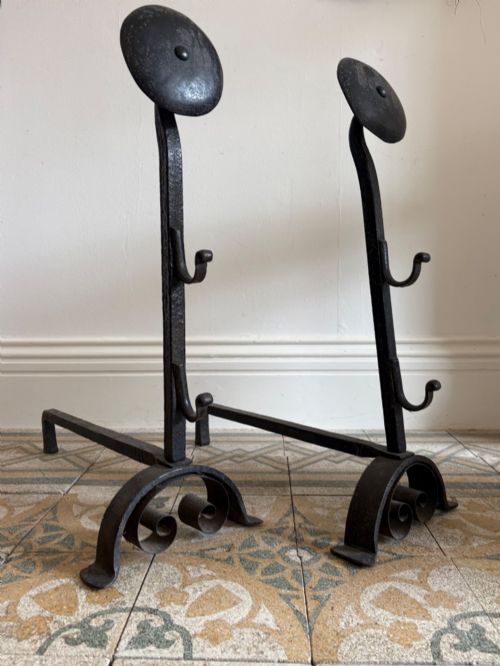
When you search for victorian dog art, you uncover painted canvases, etchings, and fireplace andirons shaped to serve the hearth.
Victorian Dog Art
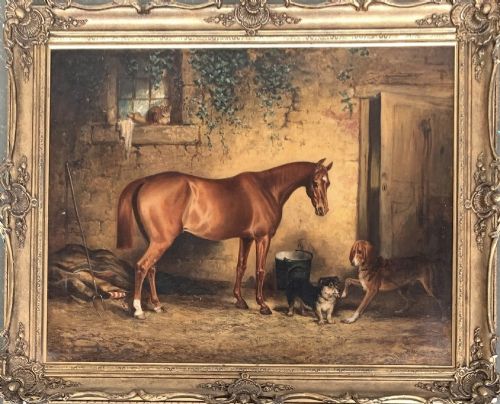
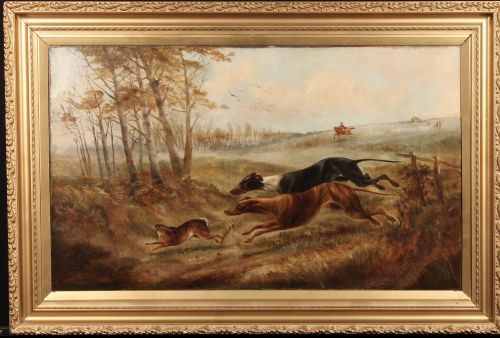
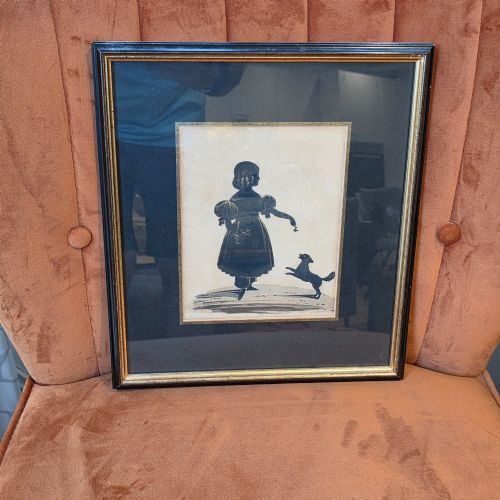
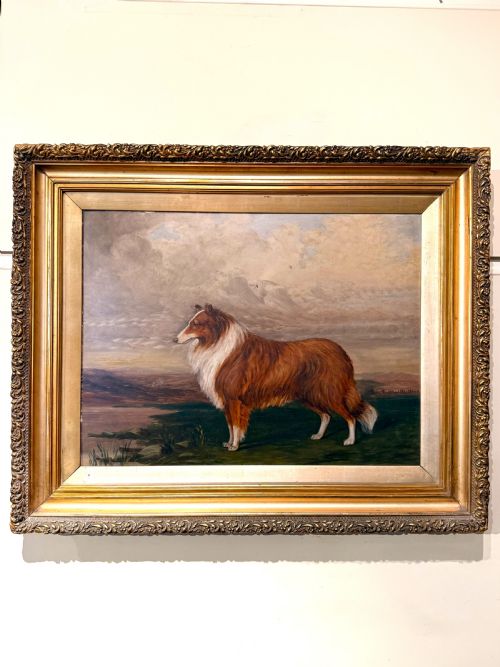
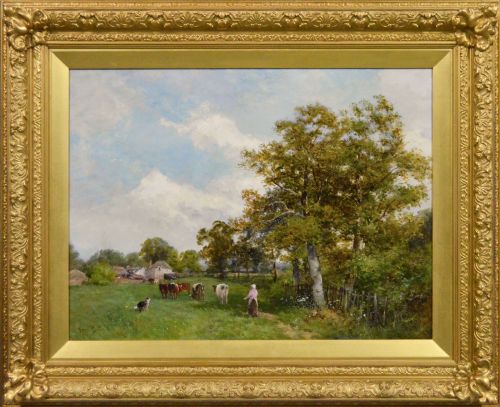
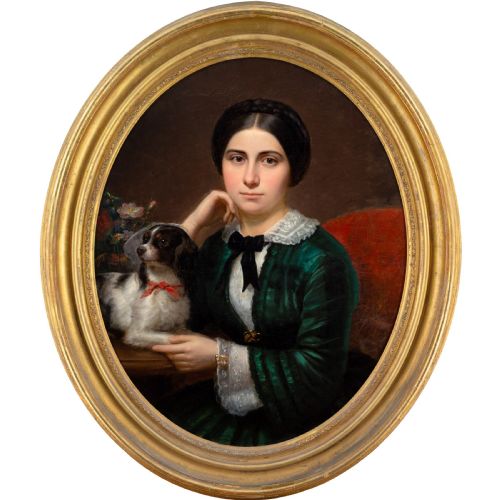
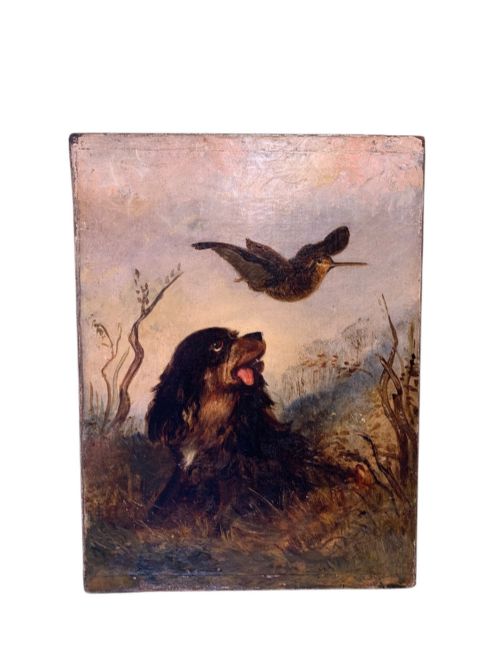
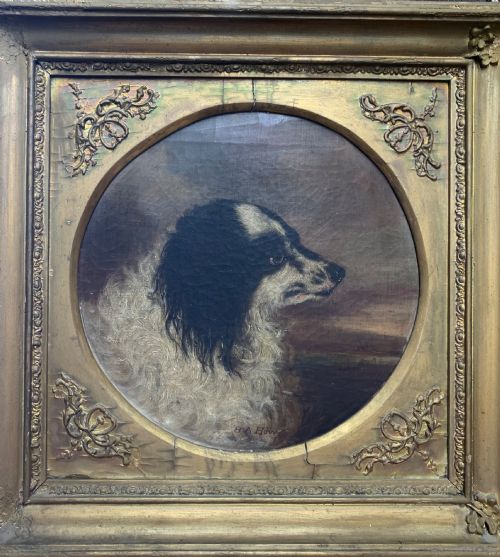
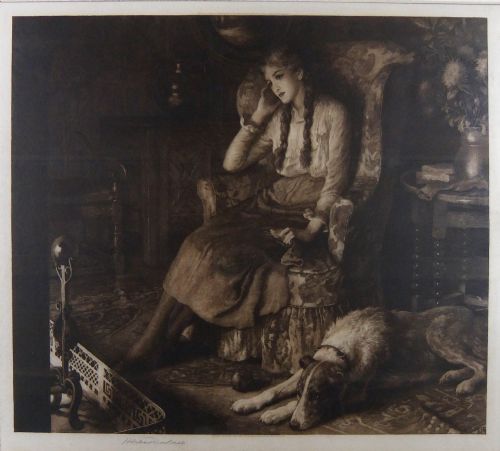
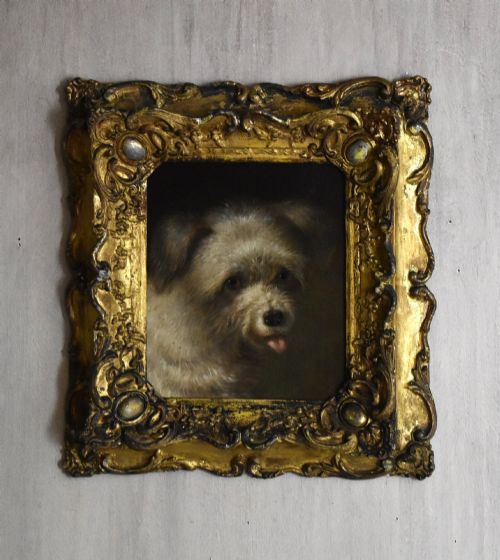
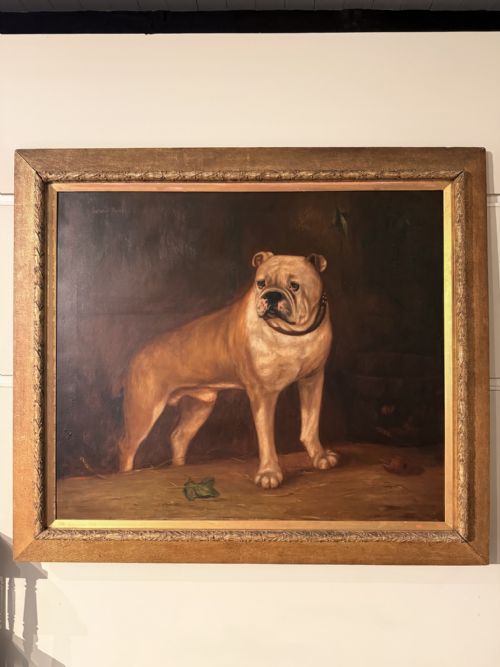
Victorian dog art encompasses oil paintings, watercolours, etchings, and cut paper silhouettes that record canine subjects from the nineteenth century. Buyers encounter portraits of individual gundogs, hounds in packs, and animals paired with children or figures in pastoral landscapes.
The material record also includes iron and brass fireplace andirons, frequently termed fire dogs, which integrate animal forms into domestic utility. Canvases reflect traditional sporting art alongside sentimental portrayals of spaniels, terriers, and retrievers.
Materials and Techniques
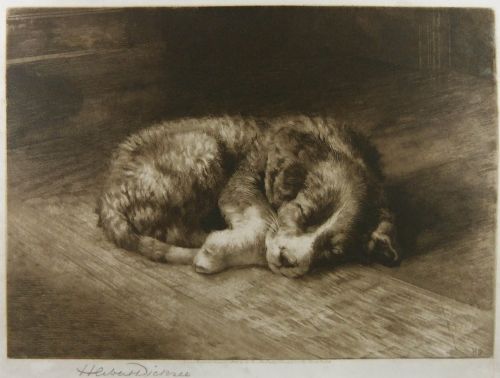
Painters relied primarily on oil paint applied to canvas or wood board, framed within giltwood or burr maple surrounds. Graphic works utilise etching, lithography, and watercolour on paper, alongside delicate cut paper silhouettes.
Metalwork pieces such as andirons combine cast brass, copper, wrought iron, and steel to create functional hearth accessories styled with decorative motifs.
Listings feature nineteenth-century oil paintings on canvas, original etchings, and wrought iron andirons.
Assessing Merit and Execution
The distinction between standard decorative pieces and superior works rests on the precision of anatomy and the handling of expression in the animal subjects. Master painters capture distinct breeds with convincing posture and light, whereas lesser examples rely on formulaic repetition.
In metalwork and frames, the crispness of the casting and the preservation of original surfaces dictate the distinction between workshop production and finer artisan output.
Henry Barraud·George Armfield·William James Hubard·Valentine T. Garland·David Bates·Herbert Dicksee·Martin Theodore Ward·John Sargent Noble·Sir Edwin Henry Landseer·C. H. Weigall·William Tonks·C R Breytle·Horatio Henry Couldrey·Claude Cardon·John Emms·John Frederick Herring Senior·Arthur Wardle·William Barraud·Augustin Edouart·George E Sharpe·Colin Graeme Roe·James Cartland and Sons·G. D. Giles
The Victorian Dog Art Glossary
- Andirons
- Iron or brass supports placed in a fireplace to hold logs, often referred to historically as fire dogs. They frequently display ornamental brass heads or figurative castings.
- Etching
- A printmaking technique where lines are bitten into a metal plate with acid before being inked and pressed onto paper. Herbert Dicksee utilised this method for detailed canine portraits.
- Lithography
- A planographic printing process using stone or metal plates to produce multiple image impressions. Chromolithographs introduce colour through separate stones for each shade.
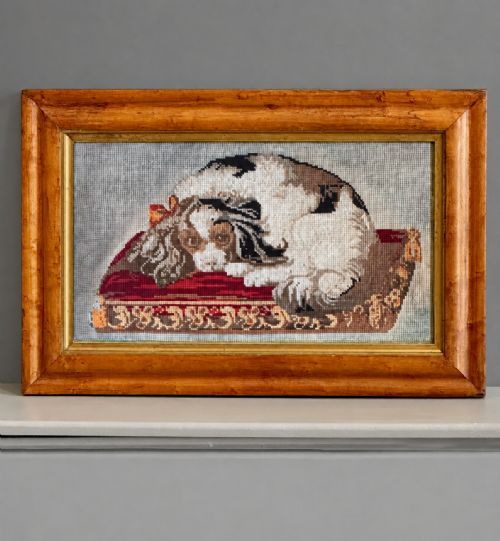
- Berlin Work
- A type of coloured needlework embroidered on canvas using a charted pattern. King Charles spaniels and other pets commonly appeared in these wool woolwork panels.
Victorian Dog Art: Frequently Asked Questions
What subjects appear most often in these paintings?
Canvases frequently depict sporting hounds, gun dogs with game, and individual pet portraits in domestic or rural settings. Terriers, spaniels, and retrievers dominate the pictorial record.
Artists also recorded working dogs accompanying horses, livestock, and human handlers across nineteenth century landscapes.
How do I distinguish an original etching from a print?
Original etchings display plate marks where the edge of the metal plate compressed the paper during the printing process. Examination under magnification reveals the raised ink lines typical of intaglio printing.
Photomechanical reproductions lack these physical indentations and uniform ink texture across the sheet.
Were andirons used for cooking?
Fire dogs primarily supported logs within an open hearth to allow air circulation beneath the fire. Some examples incorporated horizontal bars or hooks intended to hold spits for roasting meat.
Decorative brass pairs from the late nineteenth century served an ornamental role alongside grates and hearth tools.
How should I care for antique oil paintings?
Paintings on canvas require stable indoor humidity and protection from direct sunlight to prevent cracking in the oil paint and fading of pigments. Dusting should occur gently with a soft, dry brush without applying cleaning solutions.
Professional conservators should handle any repairs to tears in the canvas or structural fixes to the original wooden stretcher frames.