


Victorian Display Stand Table
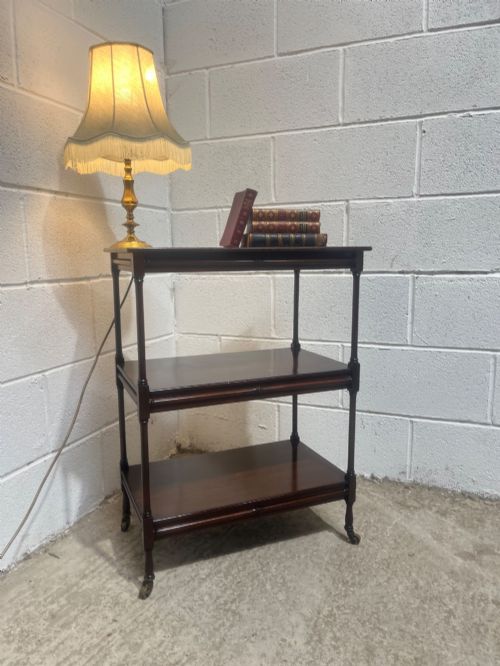
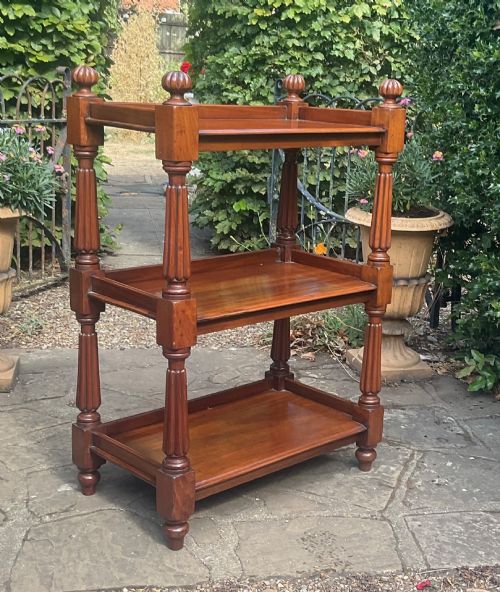
A Victorian display stand table brings tier upon tier of timber and brass into a room to hold ornaments and books.
Victorian Display Stand Table
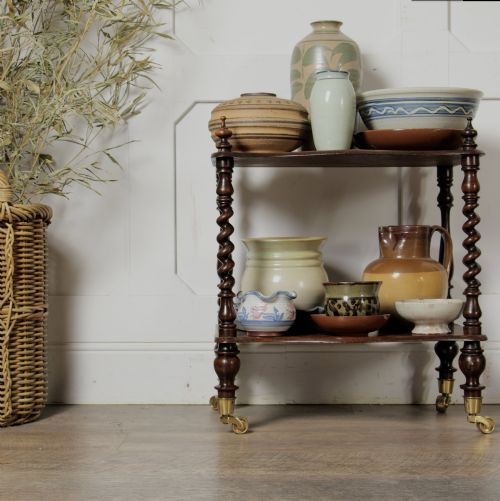
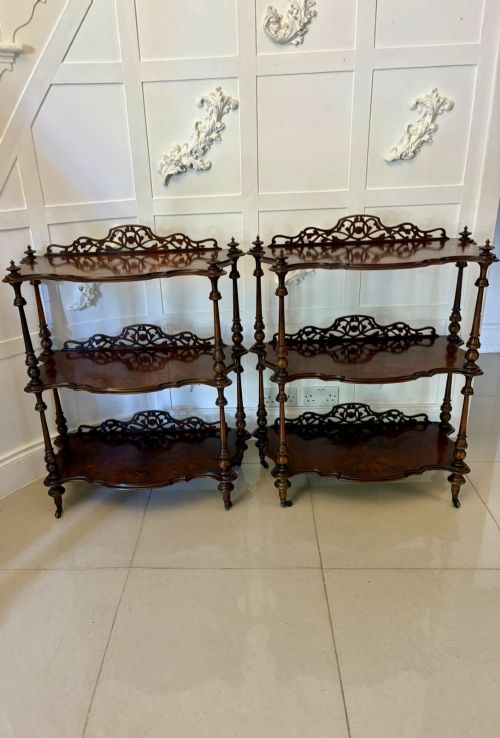
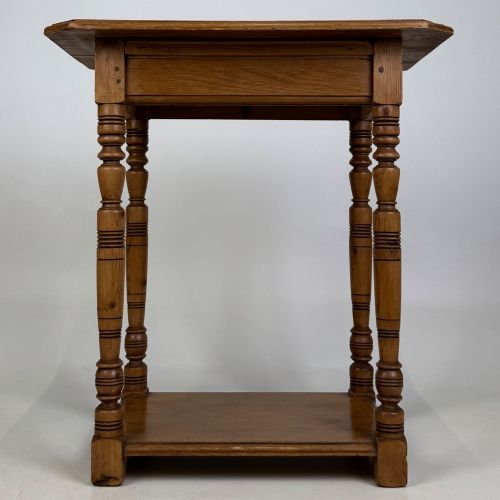
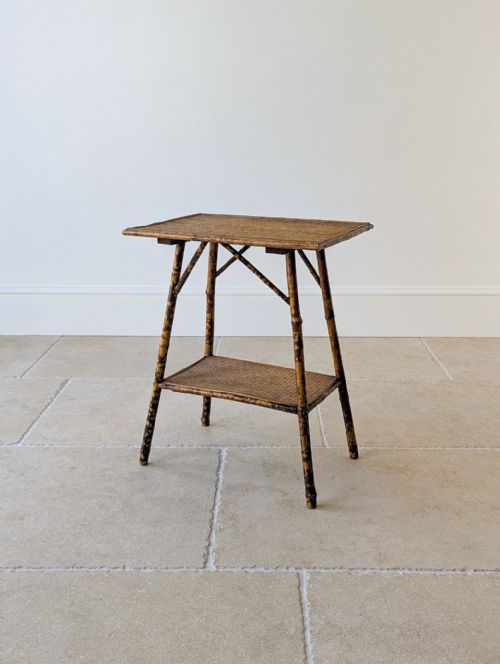
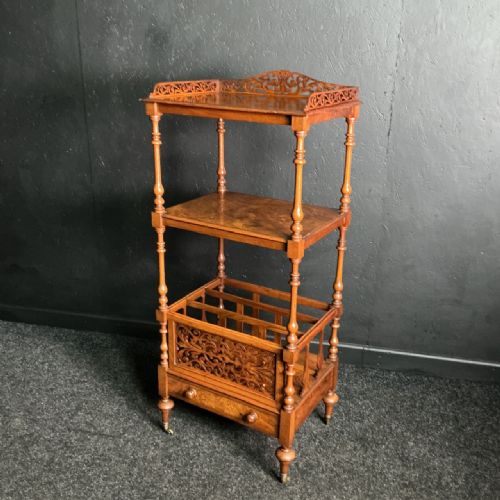
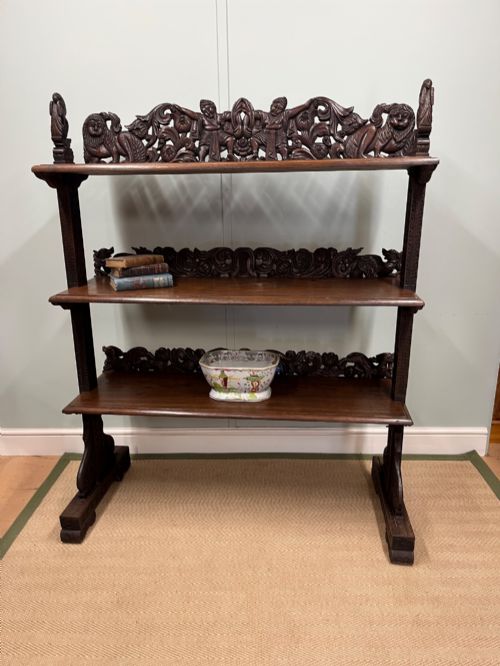
When you search for a Victorian display stand table, you are looking at multi-tiered furniture designed to elevate objects in a nineteenth-century interior. These pieces range from simple bamboo occasional tables to elaborate burr walnut whatnots and étagères.
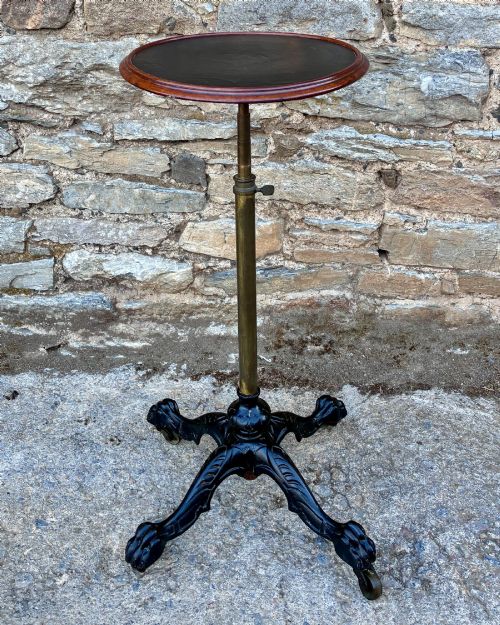
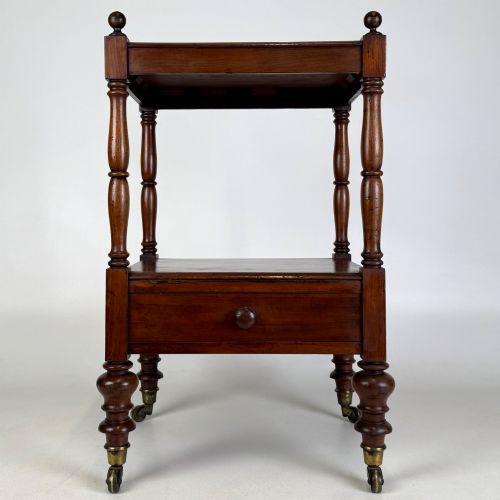
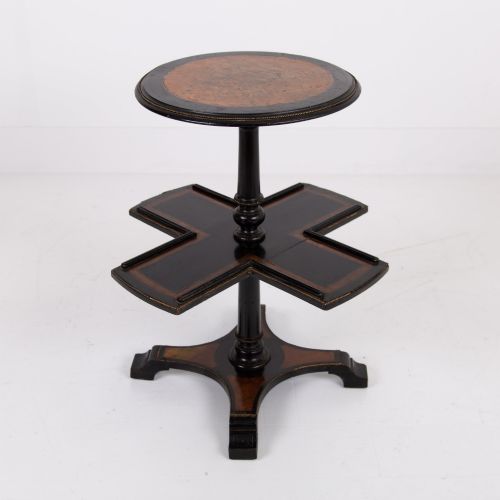
The version you are most likely to meet on this page is a multi-tiered mahogany or walnut table dating from the nineteenth century. Many incorporate shelves for display, while others use adjustable mechanisms or incorporate display boxes.
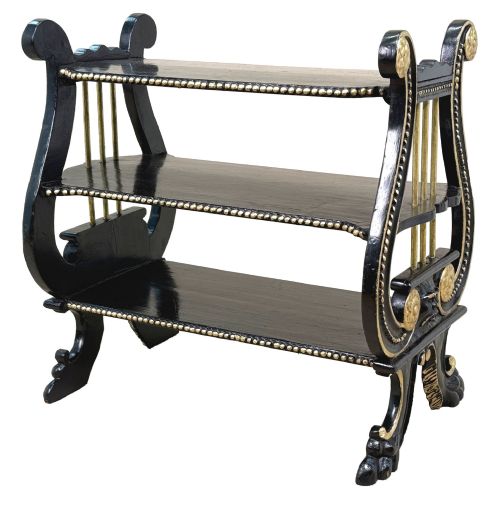
Makers and workshops produced these forms across several decades, employing styles from French Rococo Revival to Chinese Export and Gothic Revival. They served as side tables, plant stands, and general display surfaces.
What varies in quality
Quality rests in the selection of timber and the precision of the cabinetwork. Pieces utilising finely figured burr walnut veneers or detailed marquetry inlay sit above plain softwood-lined alternatives.
The integrity of the structural tiers and the crispness of carved elements determine the standing of an item. Sophisticated joinery in multi-tiered étagères separates standard workshop production from finer signed pieces.
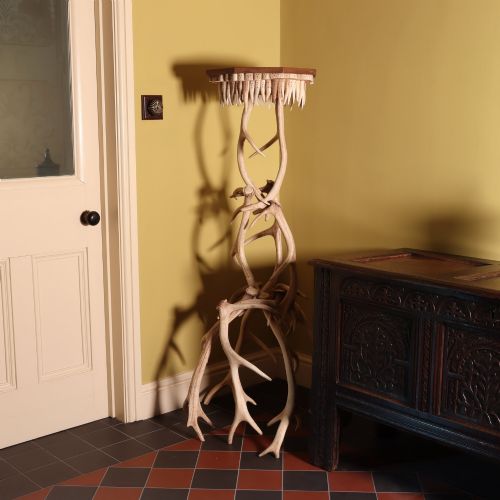
Taxidermy antler torchiere stands offer a remarkably striking alternative to turned timber columns.
Shoolbred·Edwards & Roberts·Gabriel Viardot
The Victorian Display Stand Table Glossary
- Whatnot
- A piece of furniture with open shelves used for holding bric-a-brac. Victorian examples frequently appear in mahogany or burr walnut.
- Jardinière stand
- A tall pedestal or table designed specifically to hold a plant pot or flower bowl. These often utilise carved hardwood or bamboo.
- Marquetry
- Decorative veneer work formed by fitting pieces of various woods into a design. This technique appears frequently on late nineteenth-century tabletops.
- Torchiere
- A tall stand originally intended to carry a torch or candle lamp. Later Victorian versions often utilise carved wood or antlers.
Victorian Display Stand Table: Frequently Asked Questions
What is a Victorian display stand table used for?
These tables served primarily to elevate decorative items, plants, and photographs within the Victorian parlour. Multiple tiers allowed households to display collections of ceramics and ornaments without cluttering main living surfaces.
Today, they function well in modern interiors for holding lamps, small sculptures, and books. Their vertical designs suit corners and narrow wall spaces where standard tables do not fit.
How do I date a Victorian display stand table?
Dating relies on identifying timber choices, construction methods, and stylistic influences. Mid-century examples often feature solid mahogany and simple turned supports, whereas later decades introduced ebonised finishes and complex marquetry.
Examining secondary woods underneath shelves and inside joints helps confirm nineteenth-century origins. Makers' marks or stamps, when present, provide more precise chronological markers.
What is the difference between a whatnot and an étagère?
The terms often overlap in nineteenth-century cabinetmaking, but an étagère typically emphasises French-influenced display design with delicate shelving. Whatnots frequently feature more robust upright supports and enclosed cabinet sections at the base.
Both forms provide tiered shelving, yet étagères more commonly incorporate marquetry, ebonisation, and brass mounts. Both were essential for displaying decorative possessions in Victorian homes.
How should I clean a wooden display stand?
Maintenance requires gentle dusting with a dry, soft cloth to prevent abrasive particles from scratching polished timber surfaces. Avoid modern silicone sprays, which build up over time and attract dust to carved details and veneers.
Periodic application of appropriate beeswax feeds the wood and preserves the patina of nineteenth-century polishes. Keep tables away from direct heat sources and strong sunlight to prevent veneer cracking.