





Victorian Display Pedestal
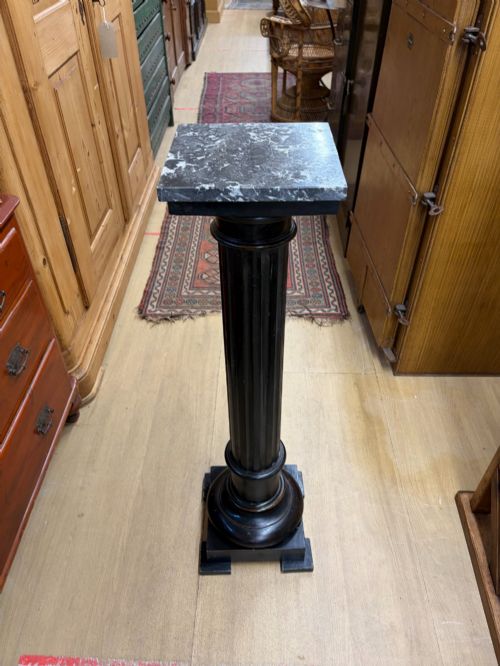
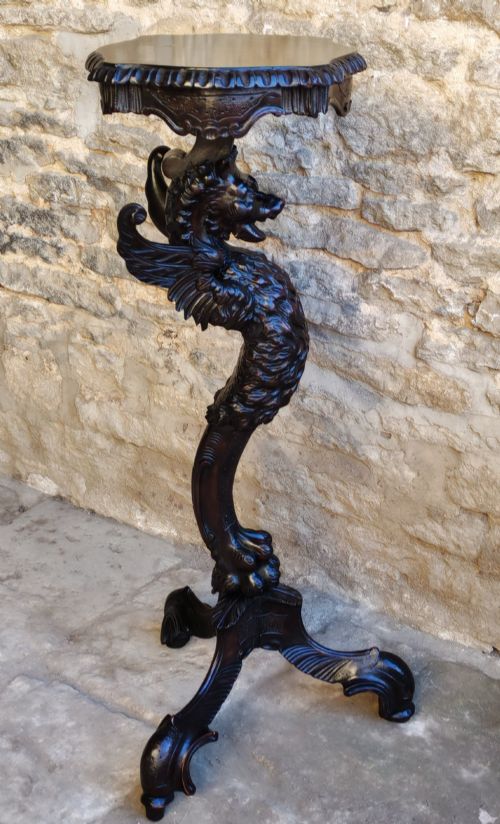
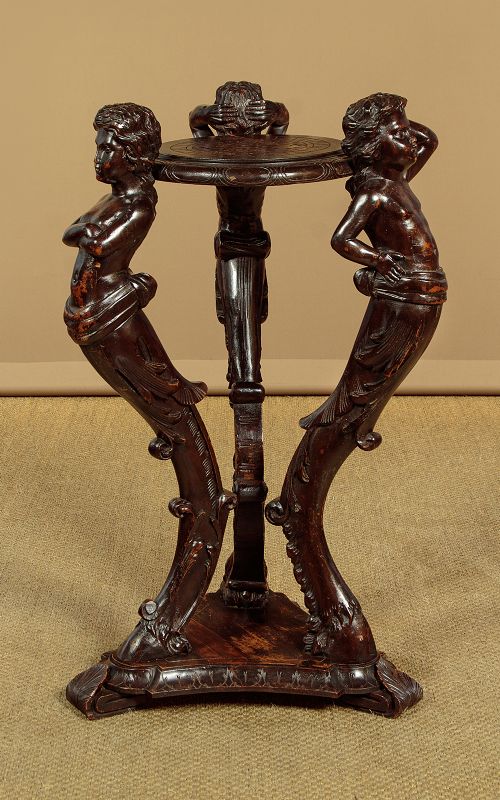
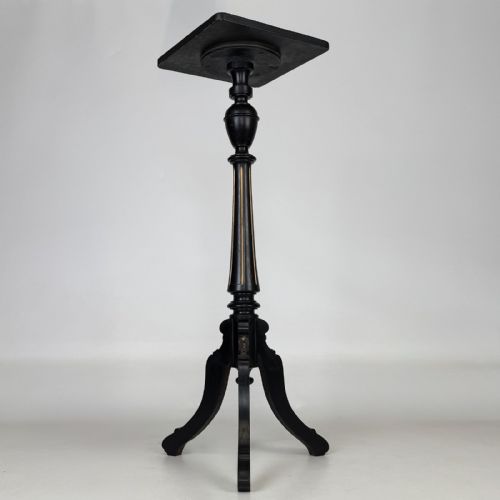
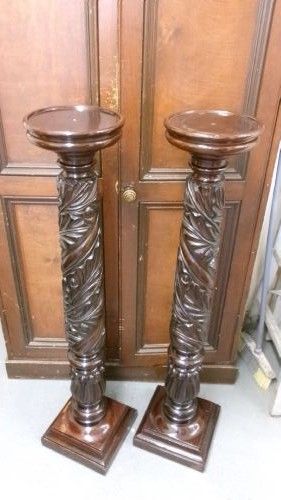
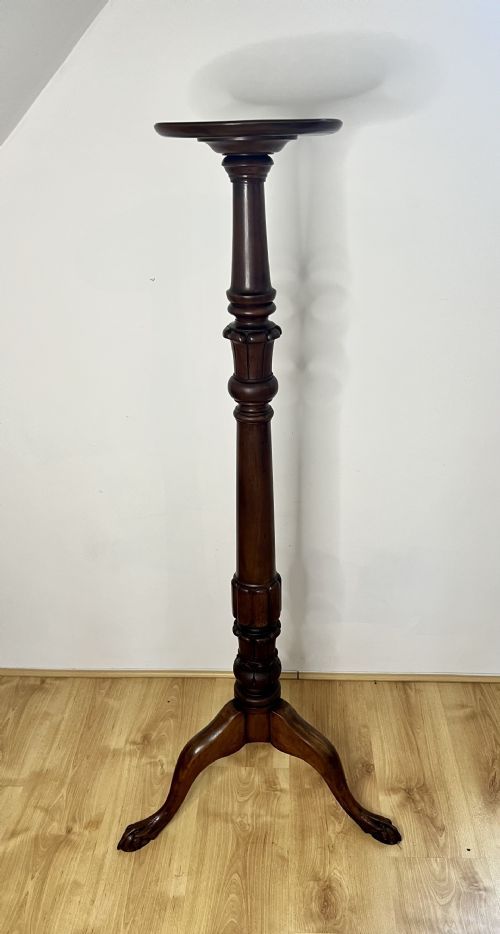
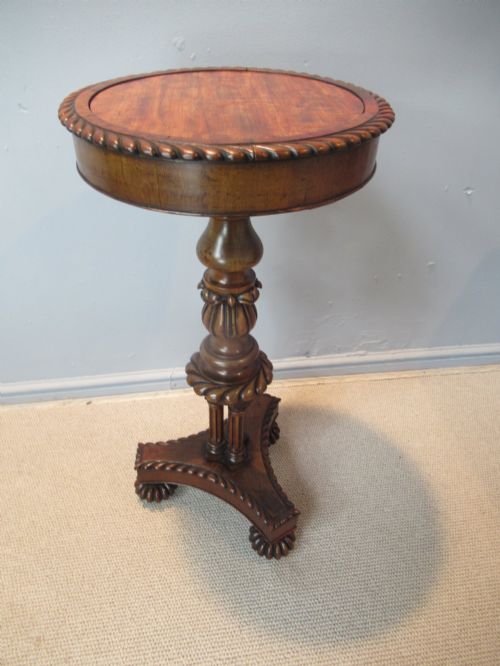
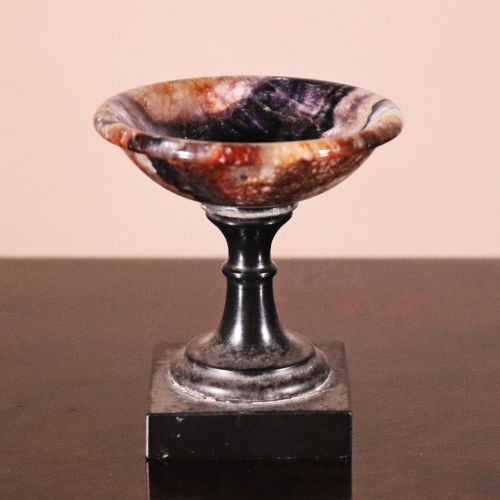
These pieces are a Victorian display pedestal, designed to elevate sculpture, plants or decorative objects to catch the light.
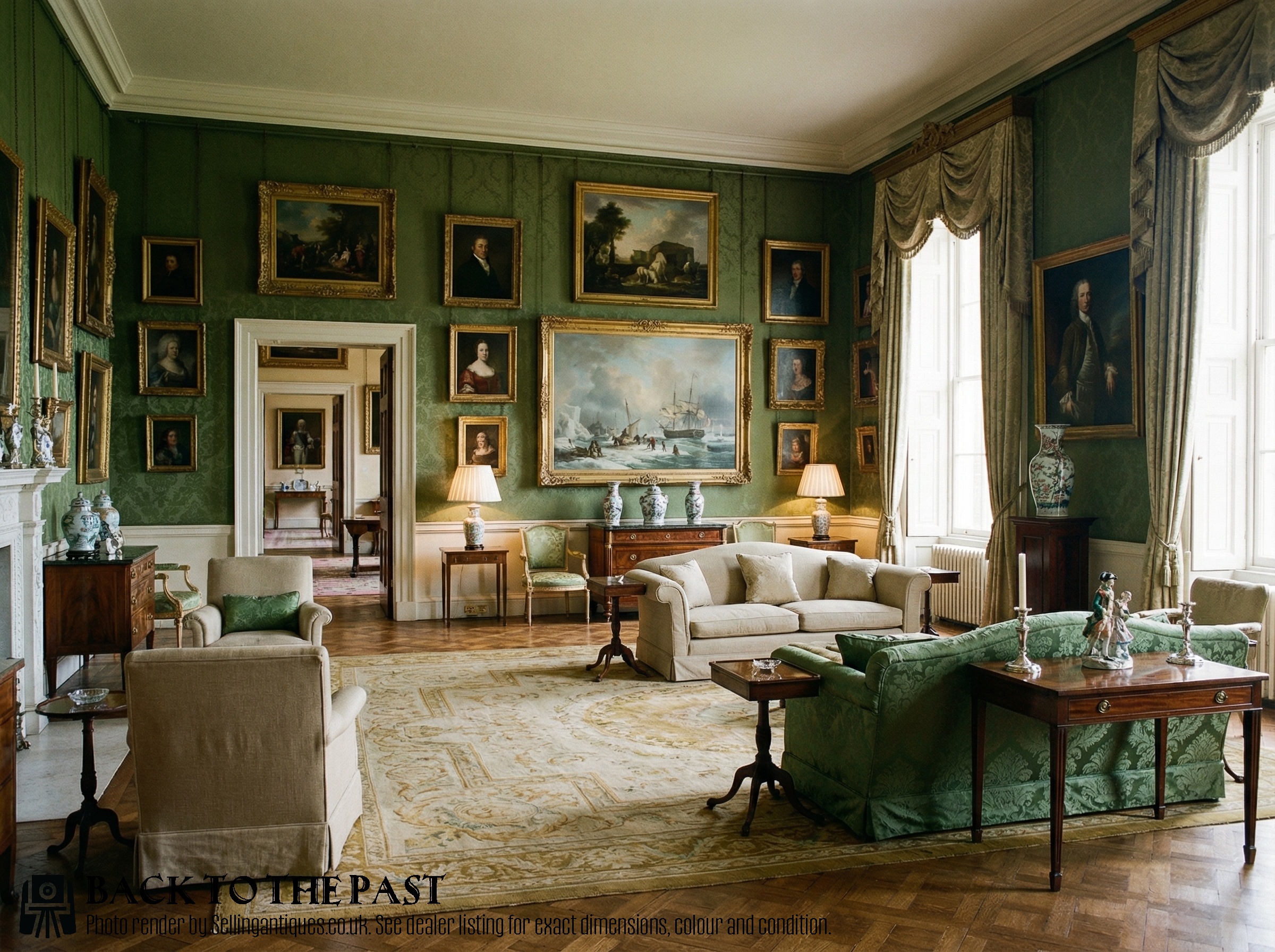
Victorian Display Pedestal
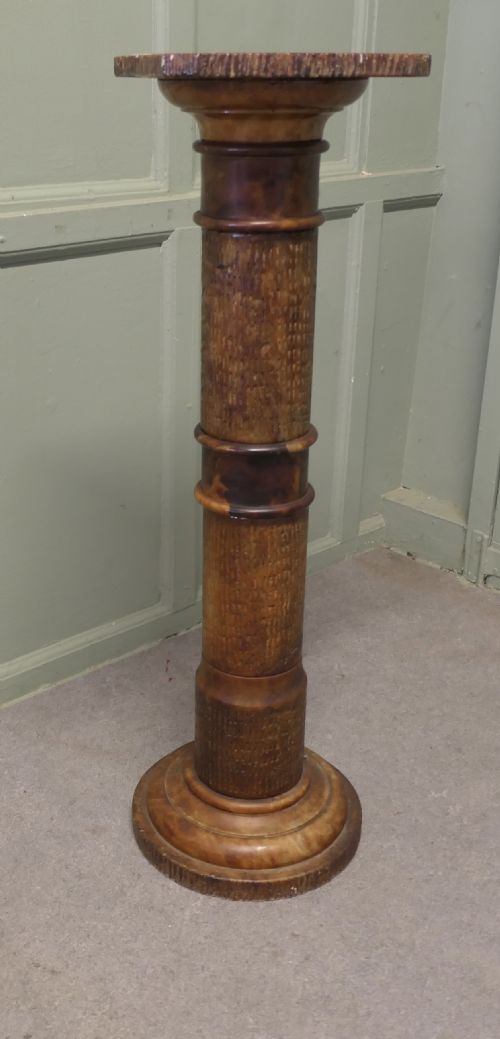
A victorian display pedestal takes several forms, most frequently appearing as columns, torcheres, plant stands and plinths originating from the nineteenth century. Buyers seek these items to raise busts, urns and ceramics within a room, utilising vertical space effectively.
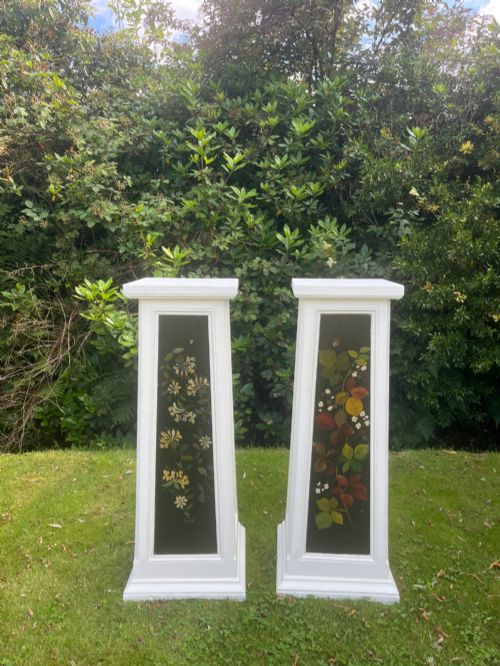
The selection here includes mahogany, walnut and painted wood examples, alongside marble columns and cast iron garden pieces. Many follow classical revival, neoclassical or aesthetic movement styles, reflecting the eclectic tastes of the period.
Most items serve to highlight specific objects such as bronze figures, porcelain vases or potted plants. Their heights and top diameters vary to accommodate different scales of display.
How they were made
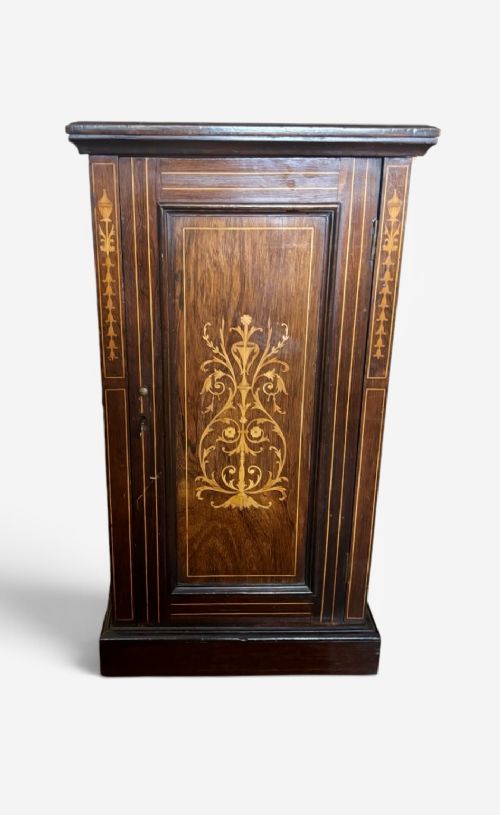
Cabinetmakers utilised dense timbers such as mahogany, walnut and exotic hardwoods, often turning them on lathes to create slender, fluted columns or carving them with organic motifs. Inlaid details using satinwood or contrasting veneers add geometric or floral enrichment.
Masonry and metalwork feature prominently, with solid marble, onyx and terracotta forming columns or decorative collars in cast bronze and ormolu. Painted and faux-marble finishes achieve classical grandeur using accessible base materials.
Structural stability is achieved through heavy timber bases, weighted cast iron, or tripod leg configurations that support concentrated top weights safely.
Victorian Display Pedestal Retail Price Guide 2026
Typical asking prices for victorian display pedestal among the pieces listed under this phrase on Sellingantiques today, from the lower quarter to the upper quarter. They describe what is for sale here now, not the wider market.
Styles span classical revival, neoclassical, aesthetic movement and gothic designs across the Victorian era.
What varies in quality
The distinction between ordinary and exceptional pieces lies in the crispness of the hand-carving and the choice of materials. Finely figured mahogany and substantial marble columns demonstrate superior craftsmanship compared to simpler painted pine or softwood alternatives.
Proportion and structural integrity dictate the success of the design, where slender turned shafts remain perfectly straight without wobble or twist. Maker attribution, such as work originating from established workshops, elevates the standing of an individual piece.
Dunfermline Clay Company·Shoolbred·Gillow & Co.
The Victorian Display Pedestal Glossary
- Torchere
- A tall, slender stand designed specifically to hold a lamp or candle, though frequently adapted for statues and plants. These pieces often feature tripod bases and carved wooden shafts.
- Jardiniere stand
- A specialised table or column intended to support a decorative plant pot or floral arrangement. They frequently incorporate waterproof liners or tiled tops.
- Ormolu
- Gilt bronze ornamentation applied to furniture and decorative columns, popular in neoclassical and revival designs. The technique involves coating bronze with a gold amalgam.
- Plinth
- The lowest flat slab or block upon which a column, pedestal or statue rests. It provides a stable footing and visually grounds the structure.
- Aesthetic movement
- A late nineteenth century design style emphasising visual beauty over narrative content, often drawing inspiration from Japanese art and natural forms.
Victorian Display Pedestal: Frequently Asked Questions
How do I choose the right height?
Consider the height of the object you intend to place on top and the overall scale of the room. Taller columns suit larger spaces and corner placements, while lower stands work well beside seating.
Ensure the top surface diameter matches the base of your display object so it sits securely without overhang.
Can these stands support heavy marble busts?
Many nineteenth century pedestals in solid mahogany, walnut or stone are engineered to bear significant weight. Check the base construction and leg spread for stability.
Cast iron and solid marble columns offer exceptional sturdiness for very heavy sculptures.
Where should I place a pedestal in a room?
They excel in corners, empty wall spaces or flanking doorways where they draw the eye upward and break up horizontal lines. Placing them near natural light sources enhances carved details and marble veining.
Ensure high traffic areas will not risk knocking tall, slender forms.
How do I care for wooden and marble surfaces?
Dust regularly with a soft, dry cloth and feed polished hardwoods occasionally with appropriate wax to nourish the grain. Avoid excessive moisture on wood and unsealed stone.
Marble and onyx columns benefit from gentle wiping with a damp cloth followed by immediate drying.