

Victorian Dining Furniture
Victorian dining furniture gathers family and guests around solid timber tables and carved seating built to last generations.
Victorian Dining Furniture
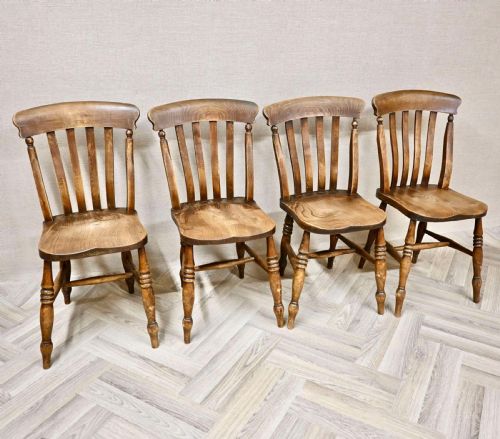
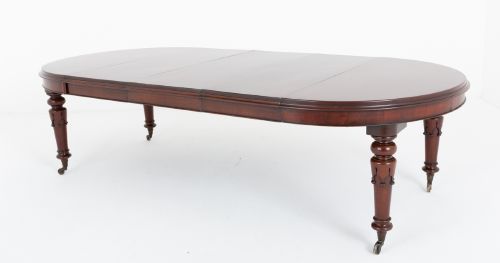
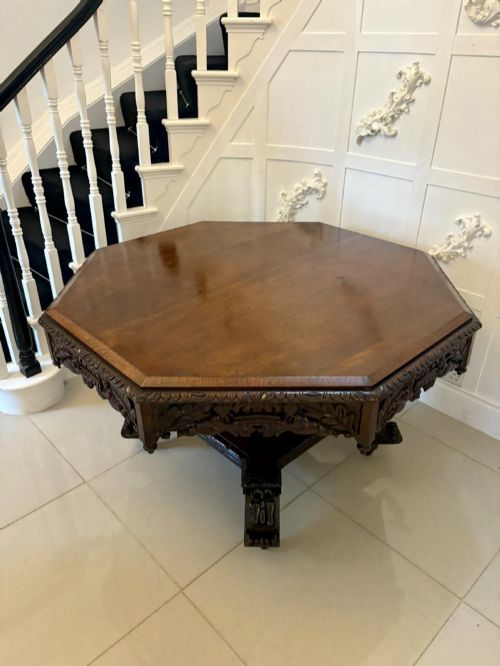
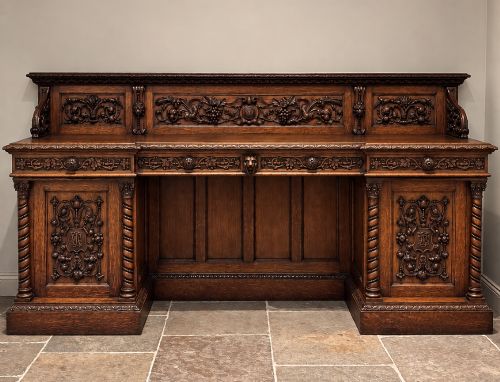
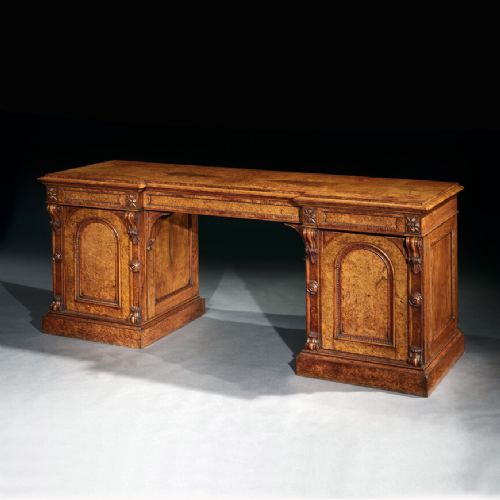
Victorian dining furniture covers everything needed for the formal or domestic dining room, centred heavily on extending dining tables, sideboards, and matched sets of chairs. Buyers searching this phrase encounter substantial timber items designed for daily use, ranging from grand mahogany pedestal tables to practical oak sideboards and upholstered seating.
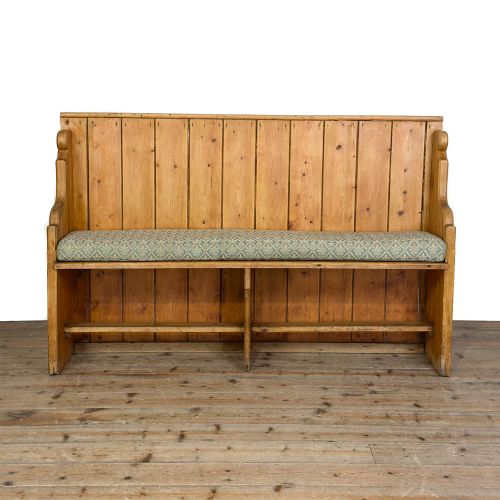
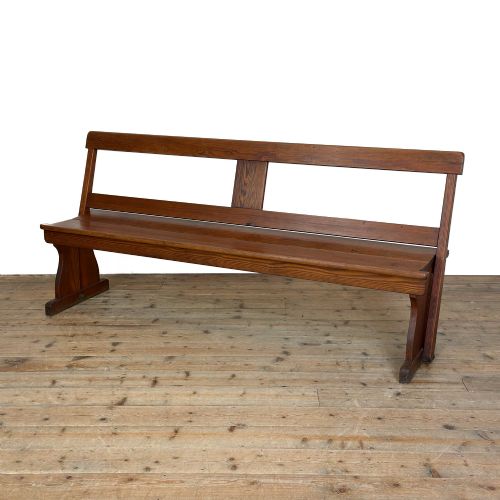
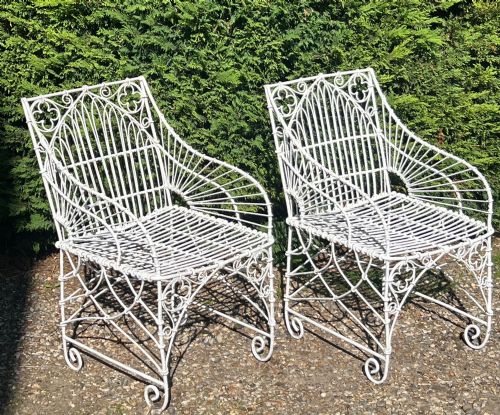
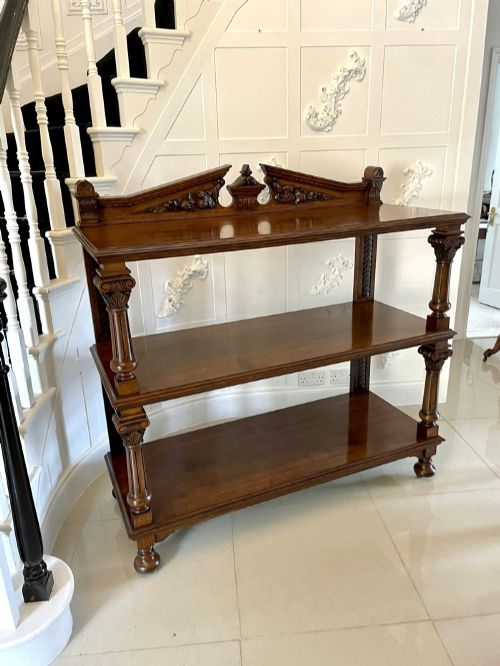
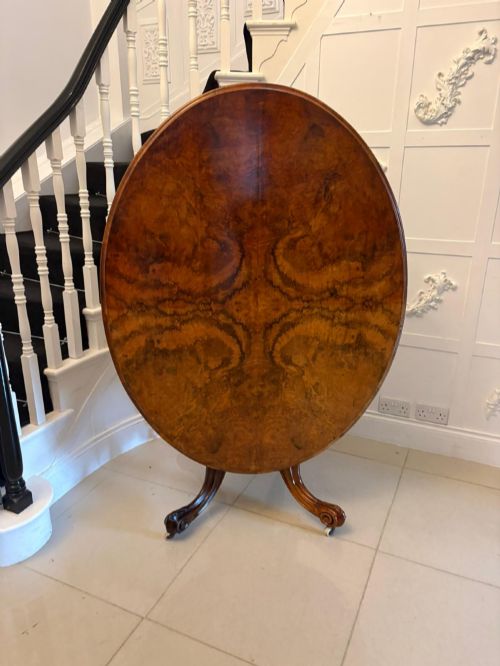
The pieces appearing on this page span the nineteenth century, including related William IV designs alongside robust pine pews, garden sets, and centre tables in burr walnut and rosewood. Formal dining tables and chairs dominate the selection, accompanied by serving pieces such as dumbwaiters and buffets.
Materials and construction methods
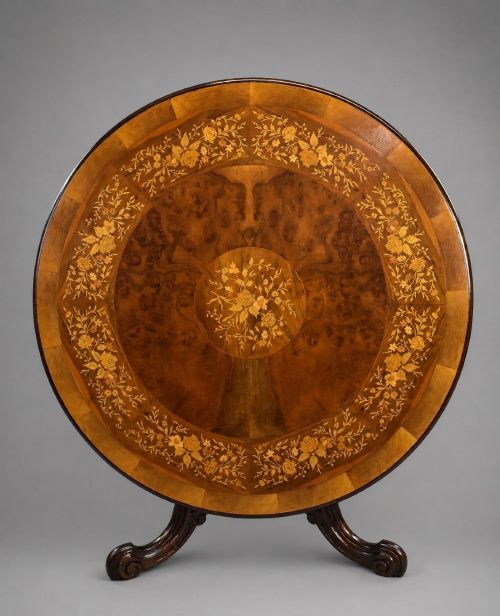
Cabinet makers relied predominantly on dense hardwoods such as mahogany, oak, walnut, and rosewood, often enhancing surfaces with burr veneers, marquetry inlay, or contrasting pollard oak. Tables frequently incorporated clever mechanical systems, including draw leaves, tilt tops, and screw-thread extending mechanisms supported by pedestals or turned legs.
Seating and garden sets utilised solid turnings, steam-bent elements, and durable cast iron, supplemented by hand-carved details on chair backs and sideboard splats. Joinery relied on traditional mortise and tenon construction, ensuring structural integrity across large boardroom tables and church benches alike.
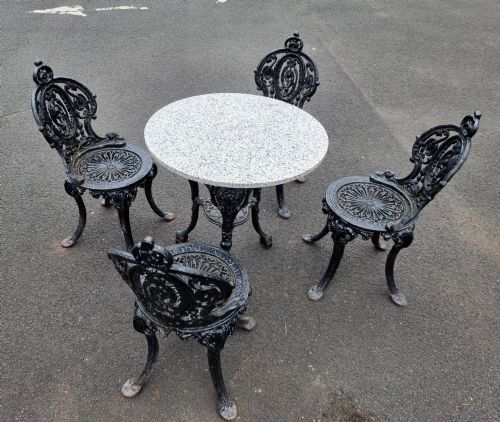
Cast iron garden sets bring sturdy Victorian seating outdoors, complete with named pieces like The Rotherham.
Distinctions in quality and execution
Quality reveals itself in the selection of timber and the precision of the carving, where figured grains, book-matched burr walnut, and crisp hand-chiseled foliage separate standard production from exceptional cabinet work. Maker attribution through stamps or signatures elevates certain pieces significantly.
Structural stability in extending mechanisms and the weight of the timber dictate day-to-day utility, distinguishing heavy, solid mahogany or oak tables from lighter constructed alternatives.
Hewetsons London·Wylie and Lochead Glasgow·Christopher Dresser·Strahan of Dublin
The Victorian Dining Furniture Glossary
- Extending table
- A dining table fitted with internal leaves and a sliding mechanism to increase surface length. These allow hosts to accommodate larger dinner parties effortlessly.
- Centre table
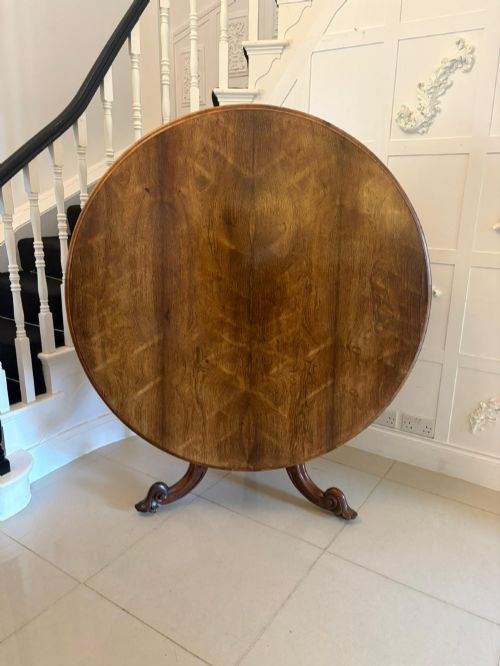
- A freestanding table designed to sit in the middle of a room rather than against a wall. They often feature circular or oval tops supported by a central pillar or decorative legs.
- Sideboard
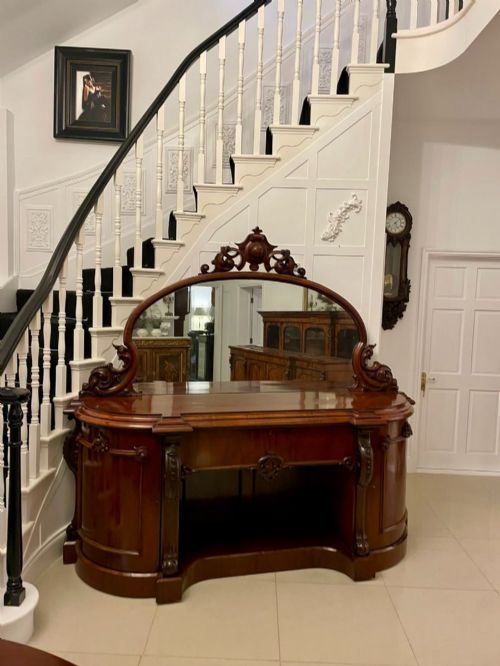
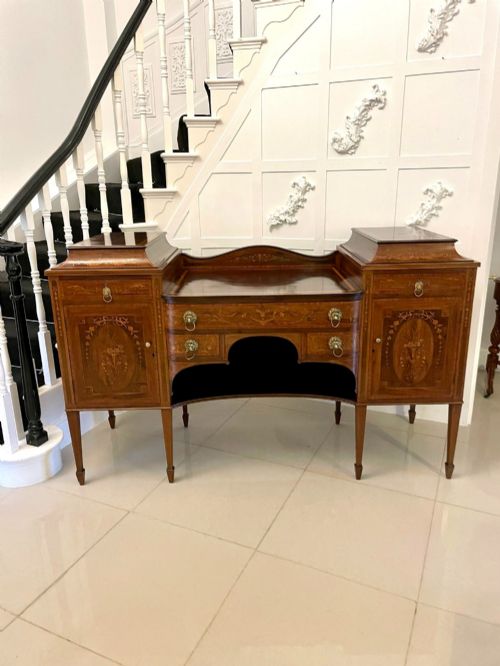
- A large dining room storage piece used for serving food and keeping tableware. Examples from this period often incorporate cupboards, drawers, and raised mirrored backs.
- Tilt-top
- A table mechanism allowing the top to pivot vertically for storage against a wall when not in use. This clever space-saving design is common in rosewood and walnut loo tables.
- Marquetry
- Decorative veneer work forming pictorial or geometric patterns using various coloured woods. Craftsmen meticulously cut and fitted these pieces into the primary surface.
Victorian Dining Furniture: Frequently Asked Questions
How do I measure for an extending dining table?
Measure your dining room space while allowing sufficient clearance around the table for chairs to pull out comfortably when fully extended.
Account for the maximum number of leaves the table accepts to ensure it fits the room during large gatherings.
How were sideboards used in Victorian dining rooms?
Sideboards served as practical surfaces for placing dishes and serving food during large family meals.
Cupboards and drawers below stored heavy silver, linens, and glassware close to the dining area.
How do I care for polished mahogany surfaces?
Dust surfaces regularly with a soft, dry cloth and avoid placing timber furniture in direct sunlight or near heat sources.
Apply a traditional beeswax polish occasionally to nourish the grain and maintain the natural lustre.
Can I mix different wood tones in a dining room?
Mixing woods such as walnut, mahogany, and oak creates an authentic, collected interior rather than a uniform showroom look.
Connecting pieces through similar period details or consistent scale helps unify disparate items within the same space.