
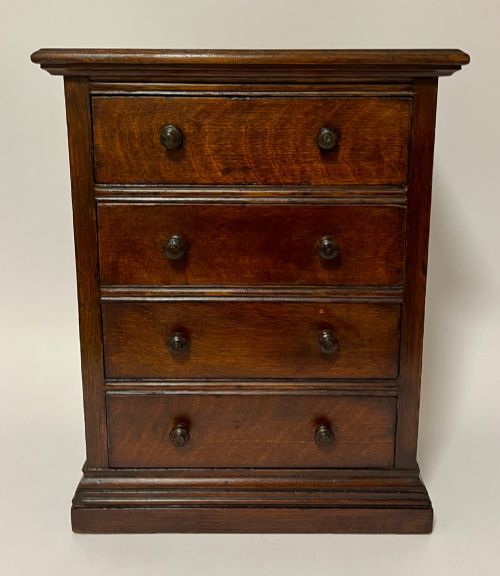
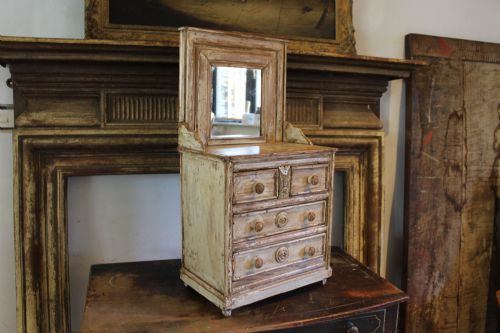
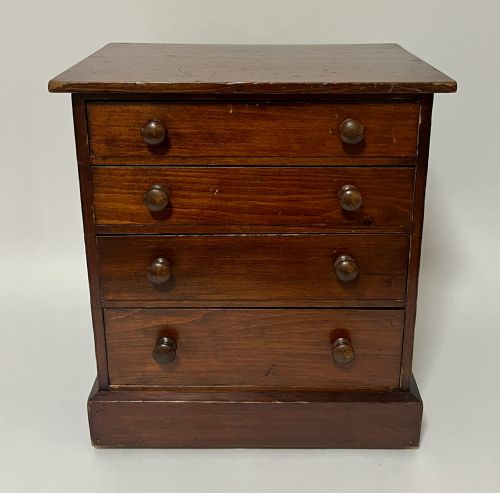
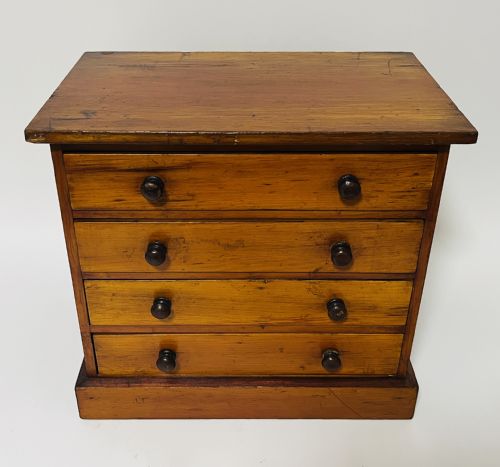
Victorian Desktop Cabinet
A victorian desktop cabinet brings order to correspondence, holding stationery and papers within reach.
What They Are
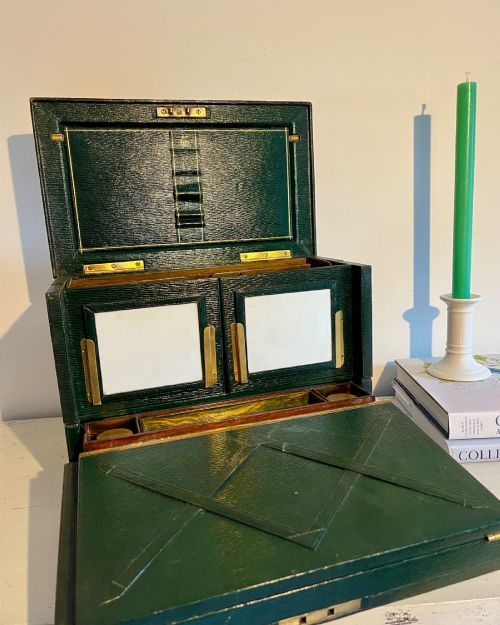
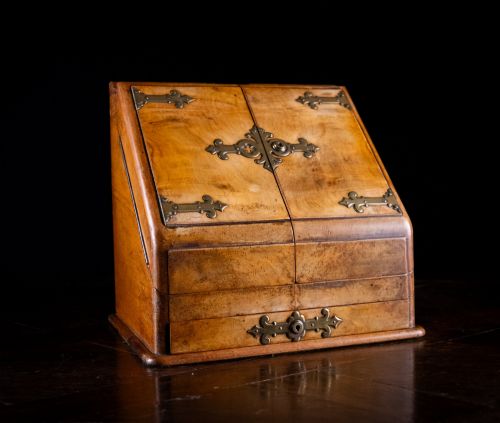
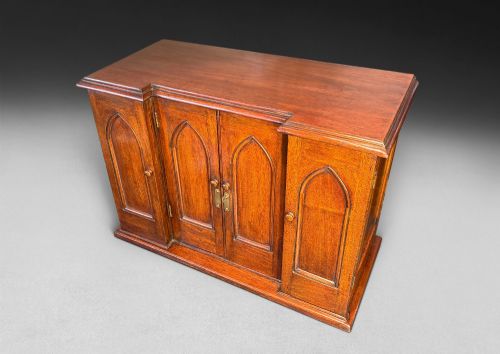
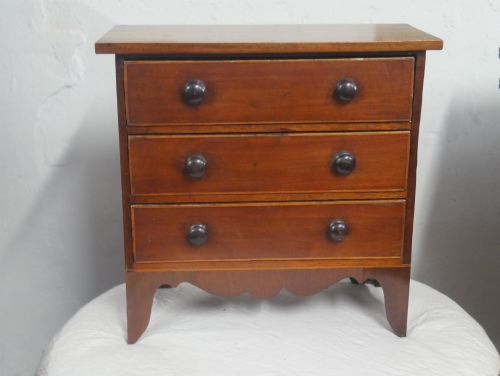
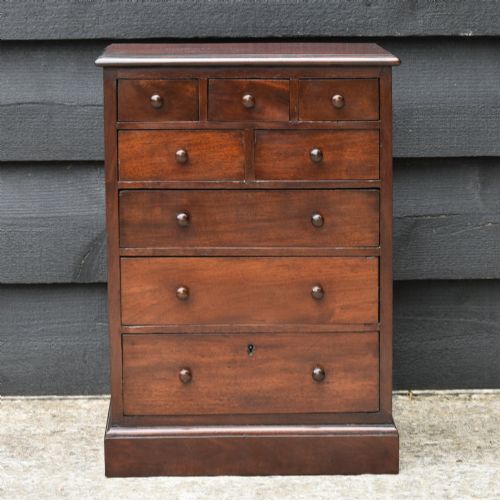
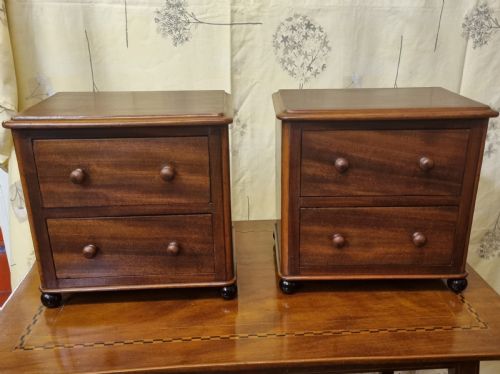
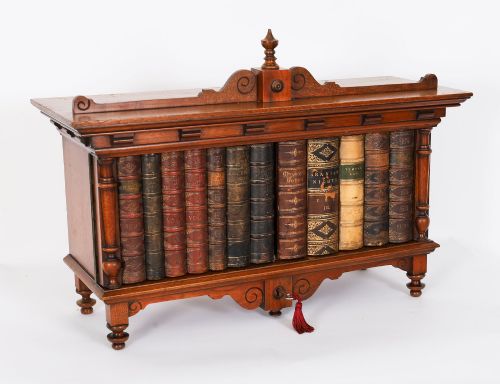
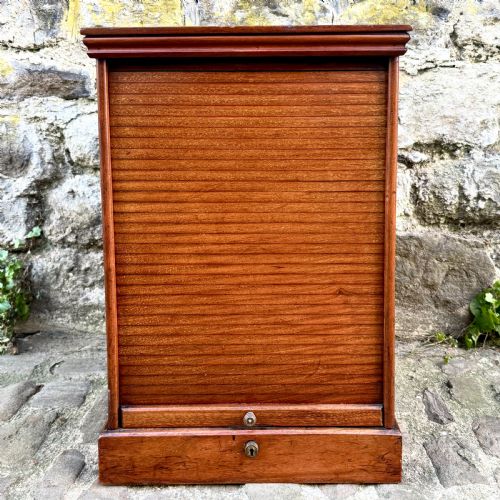
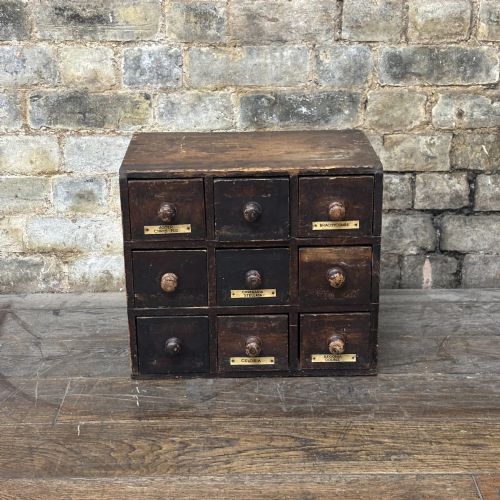
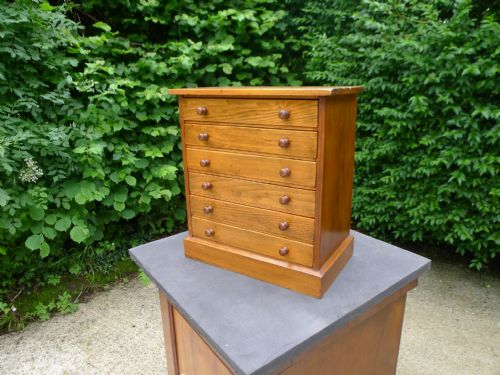
A victorian desktop cabinet is a compact wooden piece designed to sit upon a writing table or desk for the storage of letters, papers, and small personal items. These pieces date from the nineteenth century and encompass forms such as stationery cabinets, filing cabinets, and cartonnieres.
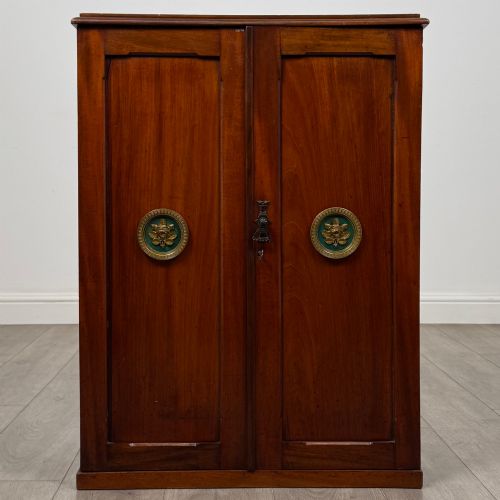
The versions most commonly met on this page are oak and rosewood stationery cabinets, often fitted with internal compartments and folding writing slopes or doors. Alongside these, buyers encounter specialist variations including palmwood table cabinets, smokers cabinets, and watchmakers chests.
How They Were Made
Cabinetmakers utilised dense hardwoods including mahogany, oak, rosewood, walnut, and palmwood to construct the carcasses. Surfaces frequently featured fine timber grains, sometimes enhanced by inlay work or ebonised wood details.
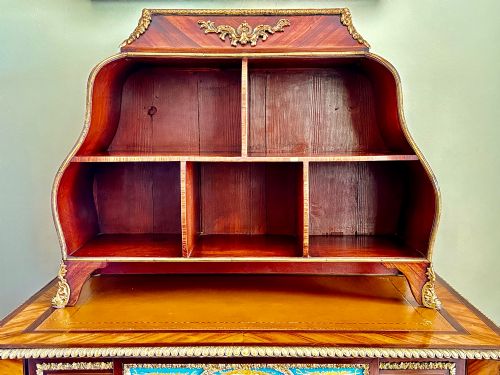
Metal ornamentation played a functional and decorative role, with brass hinges, handles, and mounts securing the structures. Ormolu mounts appear on pieces executed in continental revival styles, while glass panels occasionally front specialised storage sections.
Retail Price Guide 2026
Typical UK retail prices for victorian desktop cabinet, calculated from the Sellingantiques database of over a million retail prices indexed since 2003. This retail price guide relies exclusively on Sellingantiques data; no external sources or auction records are used, so the figures do not describe the wider market.
The selection includes pieces constructed from oak, rosewood, mahogany, palmwood, and walnut.
What Varies In Quality
The distinction between standard examples and superior pieces rests on the choice of timber and the sophistication of the joinery. Fine grain selection in burr walnut or rosewood elevates a piece, as do well-executed brass mounts and detailed marquetry inlay.
Internal arrangement and mechanical execution further separate grades of production. Cabinets with clever folding fronts, tightly fitted pigeonholes, and original working locks demonstrate a higher standard of workshop skill than simpler partitioned boxes.
The Victorian Desktop Cabinet Glossary
- Ormolu
- Gilded bronze ornamentation applied to furniture, particularly popular during the nineteenth century on revival pieces. It provides bright metallic contrast against dark hardwoods like rosewood.
- Stationery Cabinet
- A desk accessory intended for holding writing paper, envelopes, and sealing wax. These pieces usually open with folding front doors to reveal tiered internal stationery racks.
- Ebonised Wood
- Timber treated with a dark stain or finish to imitate expensive ebony. This technique was frequently utilised to create stark contrast in Victorian decorative pieces.
Frequently Asked Questions
Where did these cabinets sit?
These cabinets were designed to rest upon large partners desks, writing tables, or library credenzas in nineteenth-century studies and offices.
They kept active correspondence and writing materials organised and close at hand during the working day.
How do I clean the wood?
Dust the surfaces regularly with a soft, dry cloth to prevent the accumulation of grit in carved details or around brass mounts.
Apply a microcrystalline wax sparingly when the timber appears dry, buffing it gently to maintain the natural sheen.
Are the locks usually functional?
Many cabinets retain their original brass lever locks, which were designed to secure confidential letters and personal valuables.
Working keys occasionally survive, though many period locks now remain unlocked due to lost keys over the decades.
What is the difference between oak and walnut models?
Oak stationery cabinets typically offer a sturdy, straightforward grain suited to utilitarian writing desks and libraries.
Walnut and burr walnut versions present highly figured, decorative patterns that suited more formal drawing rooms and ladies writing desks.