
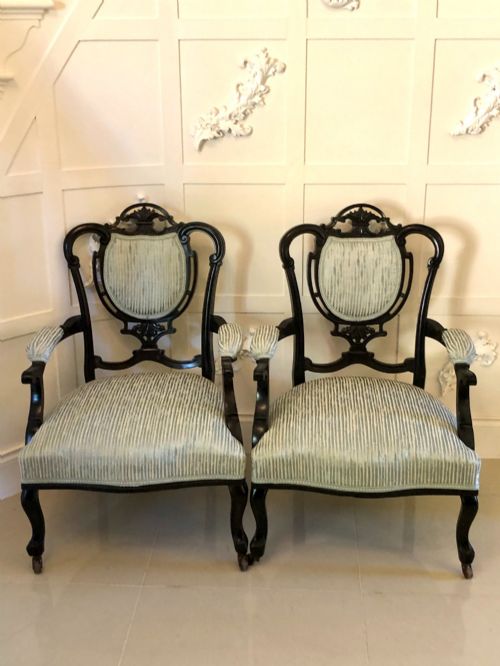
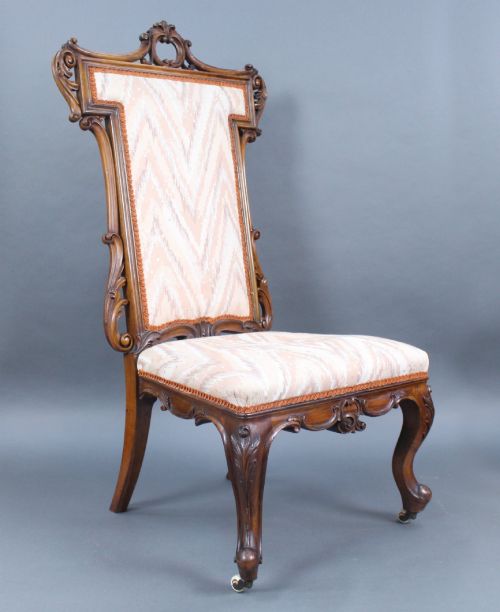
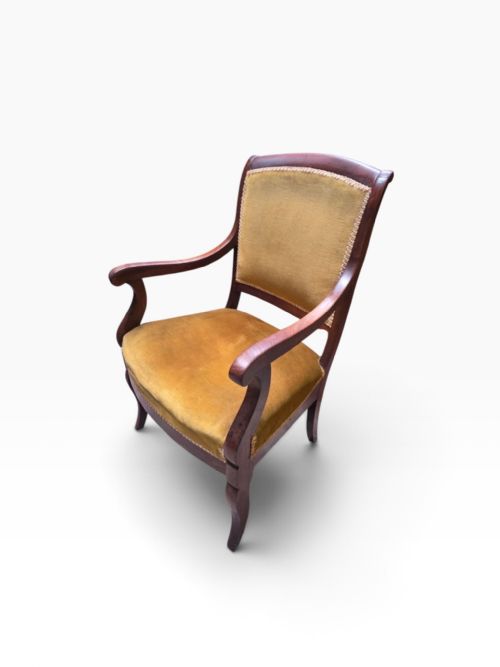

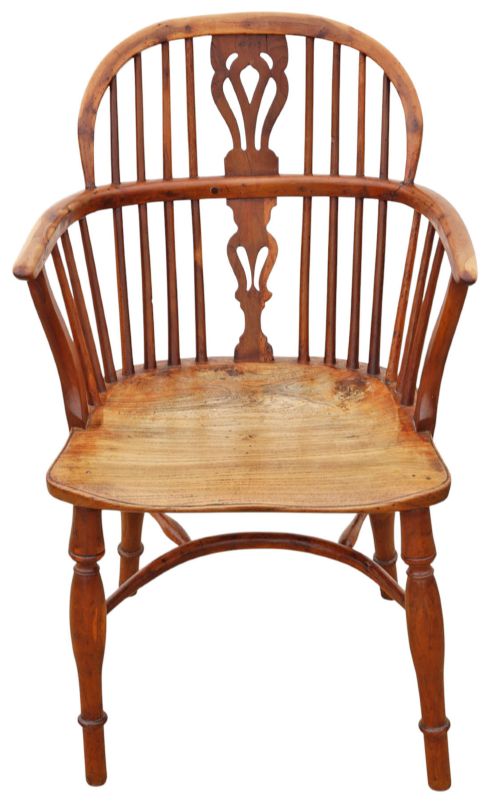

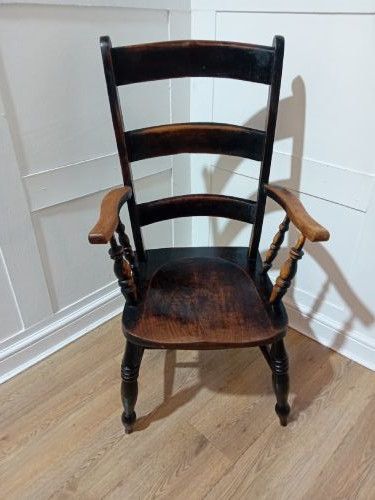

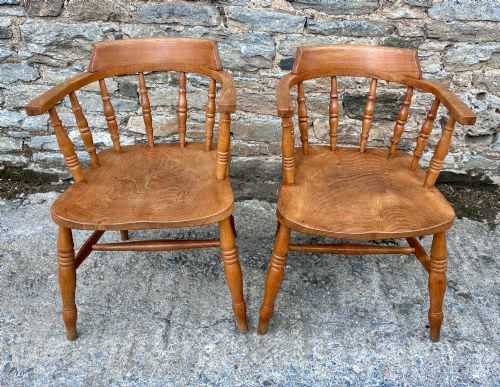
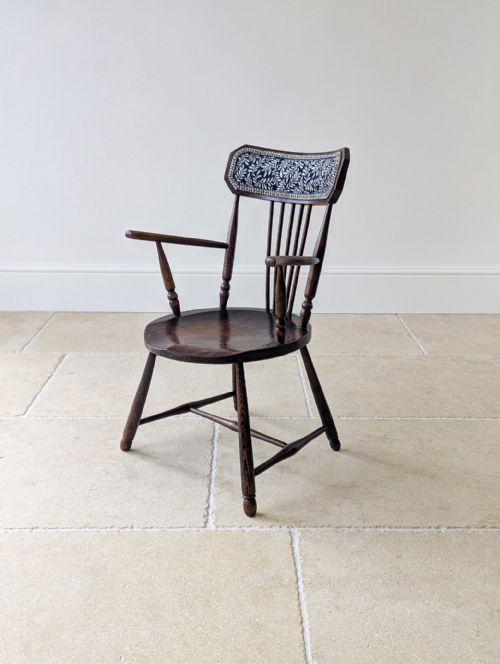
Victorian Desk Seat
A Victorian desk seat brings practical nineteenth-century comfort and sturdy timber construction directly to a home office or study.
Victorian Desk Seat
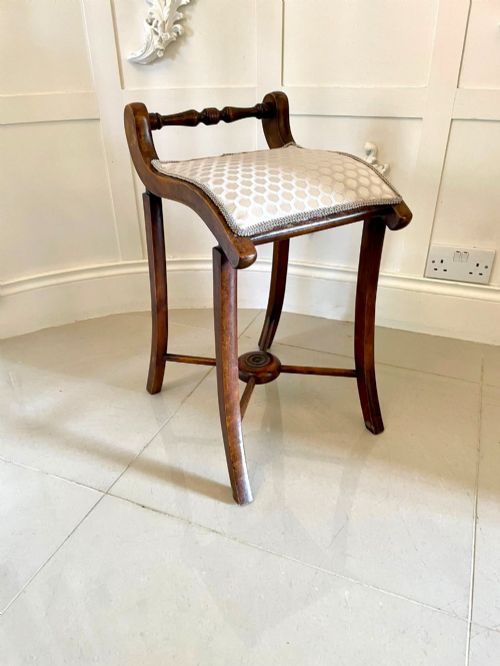
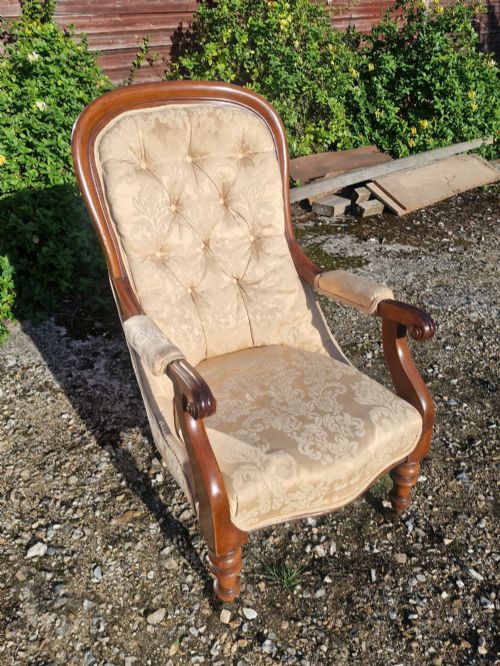
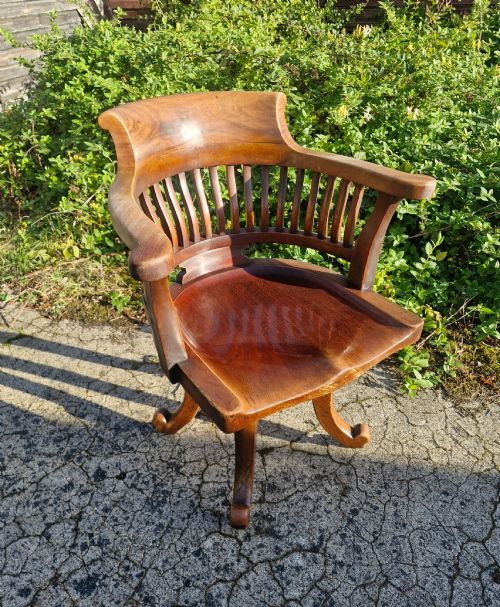
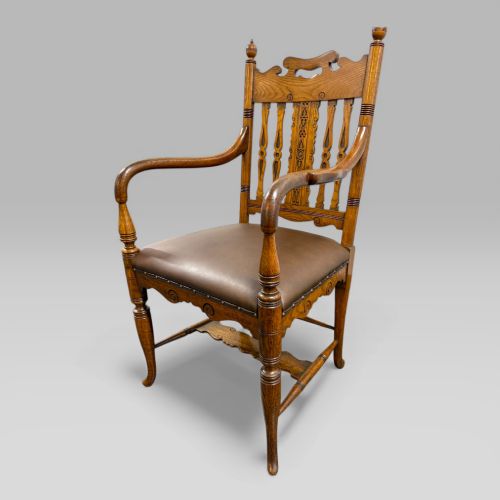
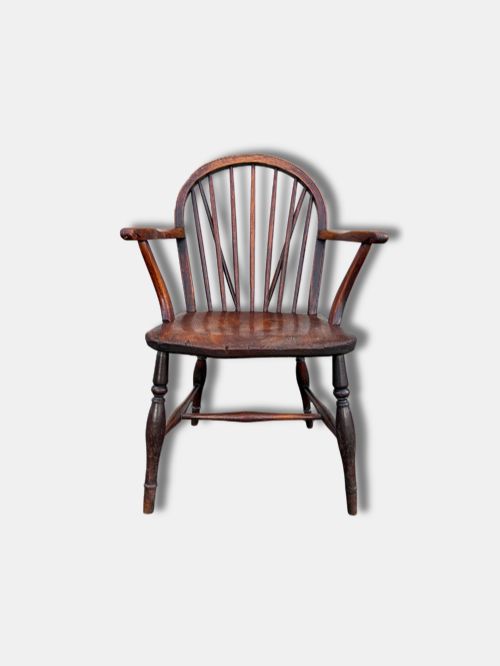
A Victorian desk seat is a functional nineteenth-century chair designed for writing, reading, or working at a table, often appearing as a revolving swivel armchair or a sturdy Windsor frame. These pieces span the nineteenth century and into the Edwardian period, incorporating styles from plain country forms to Gothic Revival and Arts and Crafts designs.
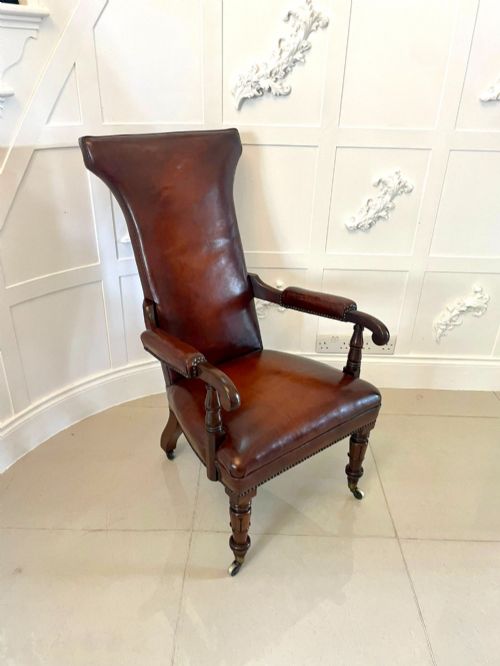
Buyers browsing this page encounter a heavy concentration of mahogany, oak, walnut, and regional timbers like elm and ash. The selection ranges from revolving library chairs fitted with leather pads to spindle-back farmhouse armchairs and ladderback study seats.
Originating primarily from English workshops, these seats reflect the varied domestic and institutional needs of the period, from stately oak library chairs to compact walnut and mahogany swivel seats.
Materials and construction methods
Cabinet makers and country joiners built these seats using robust native and imported timbers, pairing dense hardwoods like mahogany and walnut with resilient country woods such as elm, ash, beech, and fruitwood. Structural frames frequently utilised turned spindles, steam-bent components, and sturdy dowel joints to withstand daily movement.
Upholstered versions relied on padded leather seats, sometimes integrated with revolving swivel mechanisms, brass fittings, and cane inserts. Surface finishing combined traditional polishing methods with original patinas preserved across decades of use.
Many nineteenth-century desk seats bear the quiet ink stains of forgotten letters written by candlelight.
Evaluating craftsmanship and design
Quality in these seats rests upon the selection of timber and the complexity of the timber turning, evident in richly figured mahogany, striking yew wood grains, and tightly fitted Windsor joints. Superior examples maintain original rotating swivel mechanisms and intact leather or cane upholstery without compromising the structural integrity of the frame.
The sophistication of the carved detailing, such as scroll backs, mother-of-pearl inlay, and Gothic arches, distinguishes standard utilitarian seating from finer library and study armchairs.
The Victorian Desk Seat Glossary
- Windsor chair
- A wooden chair constructed with a solid saddle-shaped seat into which the back and legs are dowelled directly. These pieces often combine ash, elm, and beech.
- Swivel mechanism
- The under-seat iron or brass apparatus allowing a desk chair to rotate. This hardware determines the smooth turning action of revolving library seats.
- Smoker's bow
- A low-backed Windsor armchair featuring a continuous curved arm rail supported by turned spindles. This form provides sturdy low support for working environments.
- Bergere
- A traditional upholstered French-style armchair featuring woven cane panels on the back or sides. It appears frequently in refined study and parlour seating.
- Carver
- An armchair designed to match a set of dining or desk chairs, typically featuring wider arms. These seats offer enhanced comfort during prolonged sitting.
Victorian Desk Seat: Frequently Asked Questions
How do I identify a genuine period desk seat?
Examine the timber grain, construction joints, and wear patterns beneath the seat to confirm nineteenth-century methods. Genuine examples display period seasoning, hand-cut joinery, and appropriate patination rather than modern adhesives or machine-tooled uniformity.
Check for specific Victorian design markers, such as turned ash spindles, revolving brass mechanisms, and original leather upholstery tacks. Comparing the proportion and timber choice against established nineteenth-century styles helps verify authenticity.
Can I use these chairs at a modern desk?
Many nineteenth-century desk seats fit standard contemporary desk heights, particularly swivel models with adjustable or fixed proportions designed for writing. Their compact footprints and ergonomic wooden contours suit daily home office use.
Consider seat height and leg clearance before purchase, as older chairs were often built lower than modern office seating. Adding a subtle, period-appropriate leather pad can enhance comfort without altering the historic frame.
How should I care for leather and wood?
Maintain the timber by applying traditional beeswax sparingly to nourish the grain and preserve the original finish. Avoid placing antique chairs near direct heat sources or strong sunlight to prevent wood splitting.
Treat leather inserts with specialist leather balms to keep the surface supple and prevent cracking. Gentle dusting with a dry cloth keeps the carved details and turned spindles free from grit.