



Victorian Chippendale Desk Chair
A victorian chippendale desk chair brings together mid eighteenth-century revival tastes and nineteenth-century seating comfort for the study.
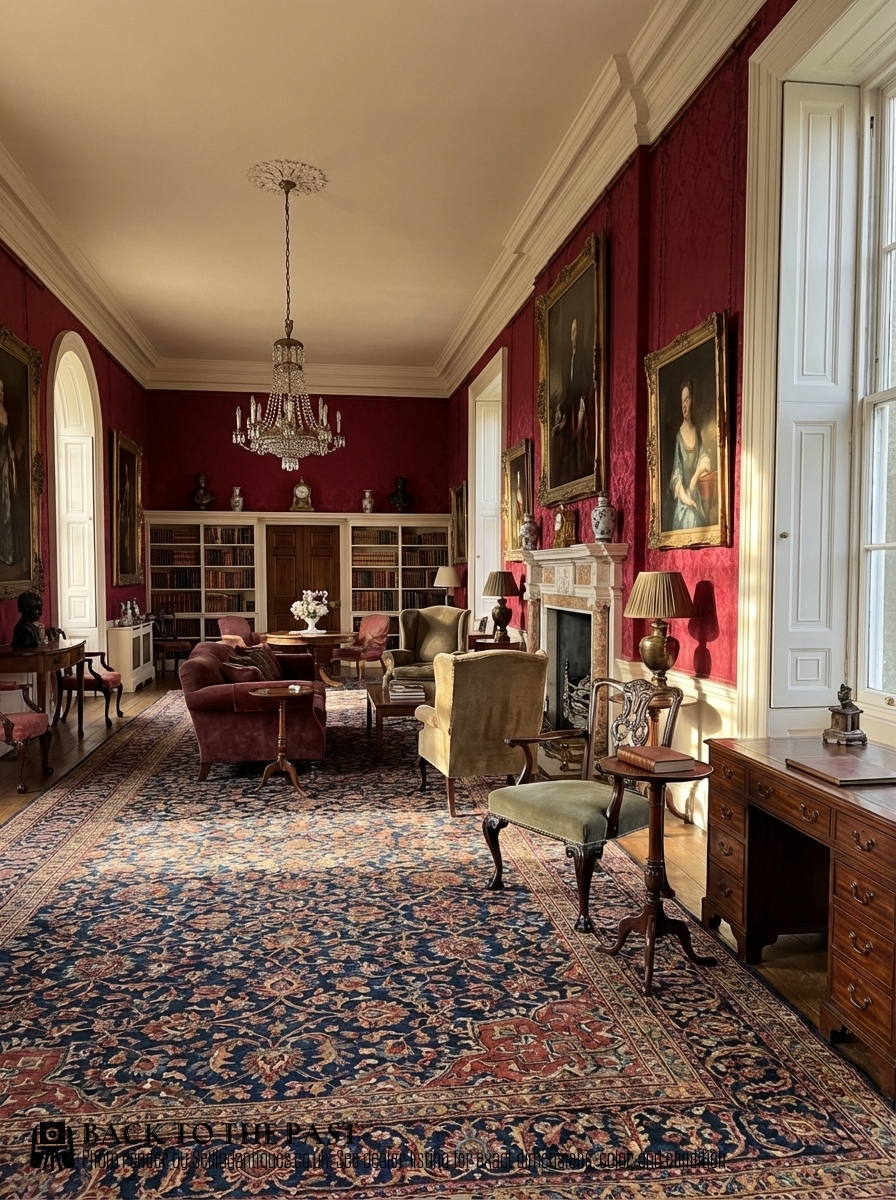
Victorian Chippendale Desk Chair
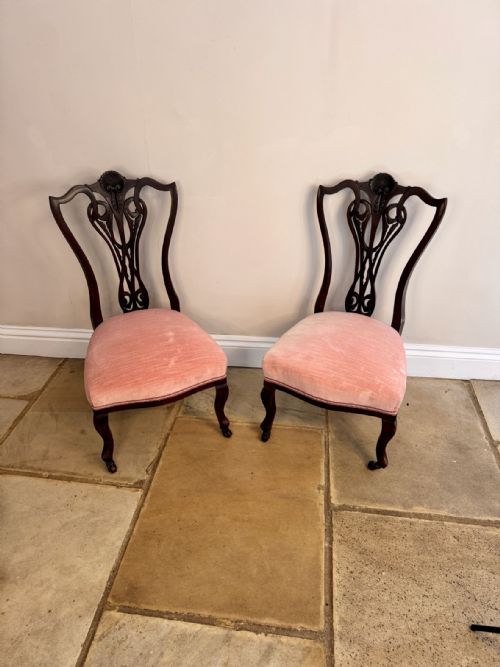
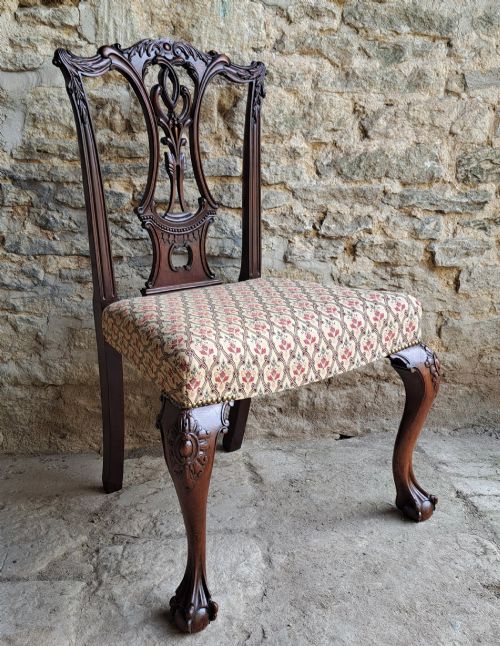
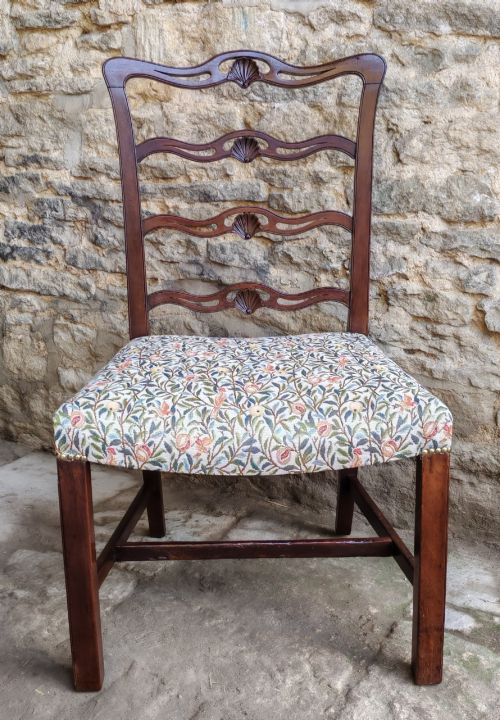
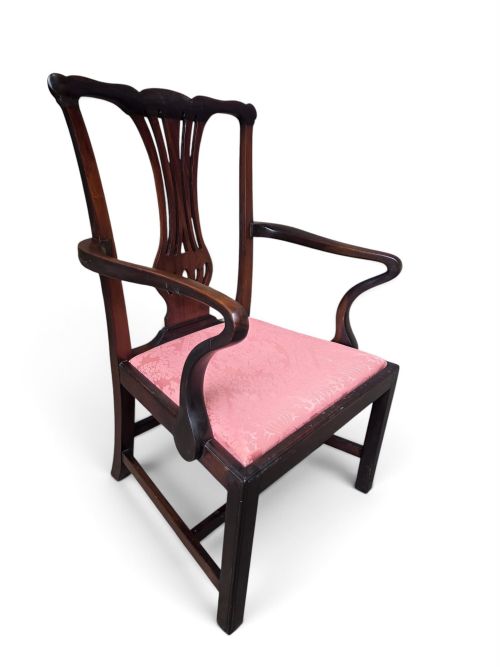
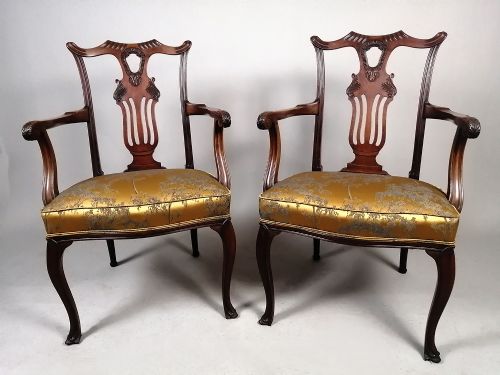
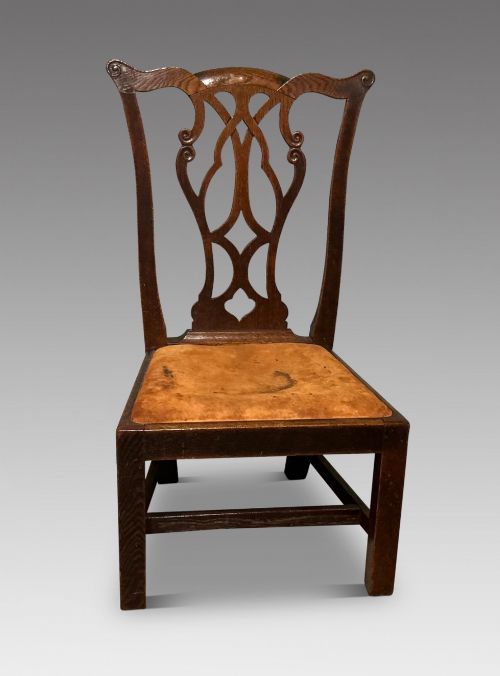
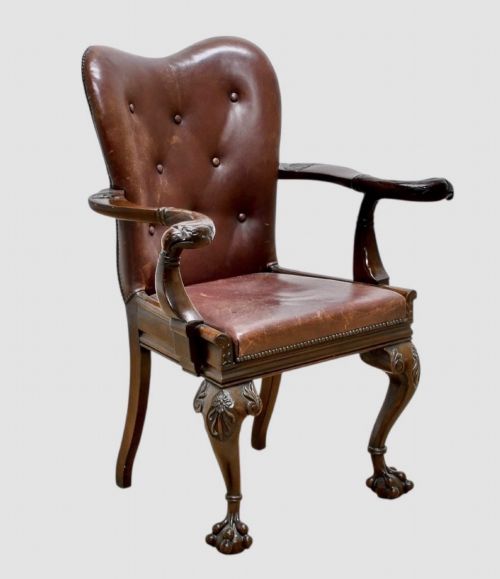
A victorian chippendale desk chair bridges the gap between historical cabinet-making traditions and later nineteenth-century seating needs. Buyers encounter various forms on this page, including open armchairs, library seats, and elbow chairs built in the revival taste.
Most examples date from the nineteenth century, spanning decades from eighteen-seventy to nineteen-hundred, alongside related pieces from the edwardian period. These seating options emerge from stylistic revivals that reinterpreted earlier george ii and chippendale designs for contemporary nineteenth-century rooms.
Distinctions in quality
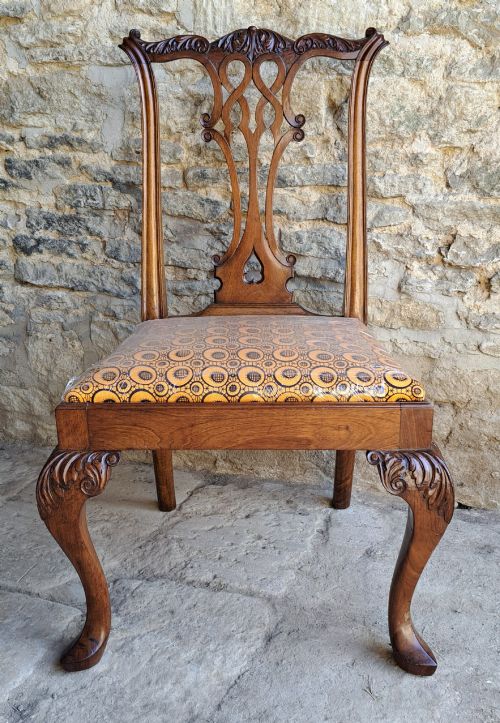
The standard of carving sets the upper tier apart from simpler production, particularly in the depth and sharpness of openwork splats and arm terminals. Superior examples demonstrate confident execution in timber selection, notably with dense cuban mahogany.
Makers who supplied high-end establishments incorporated refined proportions and sturdy joinery designed to withstand regular use at a desk. Lesser examples offer simpler revival styling with more restrained decorative carving on the frame.
Gossip chairs make brief cameo appearances alongside the heavy mahogany desks.
Jas Shoolbred·Gill & Reigate·Gillows
The Victorian Chippendale Desk Chair Glossary
- Chippendale Revival
- A nineteenth-century design movement that copied or reinterpreted the mid eighteenth-century furniture patterns associated with thomas chippendale. This style revival dominated formal seating production across the victorian era.
- Gainsborough armchair
- A wide, upholstered open-arm chair designed for reading or desk work during the eighteenth and nineteenth centuries. These chairs typically feature a square padded back and open wooden elbows.
- Cuban mahogany
- A dense, richly grained hardwood imported from the west indies and favoured for high-quality nineteenth-century cabinet-making. It provides exceptional durability and a deep natural patina.
- Ribbon back
- A carved chair splat designed to resemble flowing intertwined ribbons. This ornamental motif appears on select revival seating inspired by mid eighteenth-century pattern books.
Victorian Chippendale Desk Chair: Frequently Asked Questions
What is a victorian chippendale desk chair?
A victorian chippendale desk chair is a nineteenth-century seating piece created during the revival of eighteenth-century design styles. These chairs combine historical carving motifs with the robust proportions required for study and library use.
They generally feature carved wooden frames made from mahogany, often paired with upholstered leather or fabric seats. Makers adapted earlier aesthetic rules to suit the functional demands of nineteenth-century interiors.
How do I identify the period?
Identifying the period involves examining the timber species, construction methods, and stylistic revival cues visible on the frame. Most pieces on this page date from the nineteenth century, with specific examples recorded from eighteen-sixty through to the edwardian era.
Cabinet-makers of the victorian period often blended georgian revival details with contemporary upholstery techniques. Closer inspection of the joinery and finish helps distinguish nineteenth-century production from later interpretations.
Where were these chairs used?
These chairs served primarily in domestic studies, libraries, and formal drawing rooms as comfortable seating for reading and writing. Their sturdy armrests and upholstered pads made them practical for prolonged use at a desk.
As nineteenth-century domestic spaces evolved, similar elbow chairs also functioned as occasional seating in parlours and reception rooms. Their dual purpose as both decorative furniture and functional workspace seating ensured their popularity.
What woods were used?
Mahogany forms the primary material for the vast majority of these chairs, including prized cuban mahogany variants. Walnut and oak also appear occasionally across different pieces within the selection.
Timber was selected for its strength and ability to hold intricate hand-carved details along the back splats and legs. This structural resilience allowed the chairs to endure decades of daily use.