

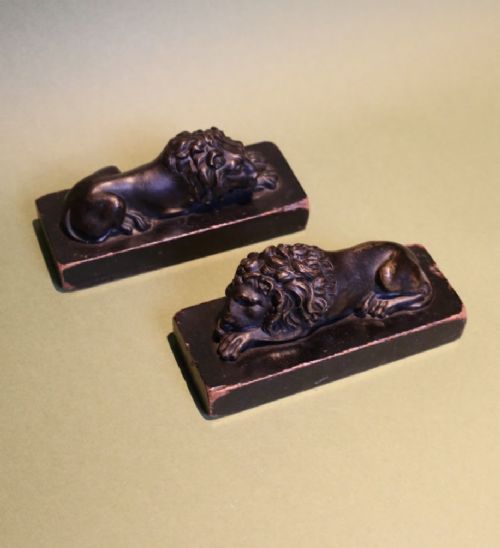


Victorian Desk Paperweight
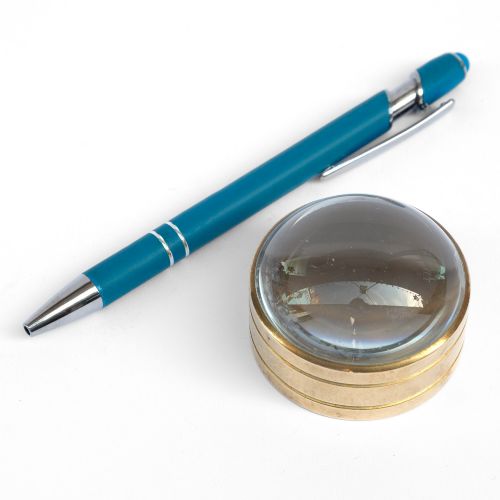
These Victorian desk paperweight selections bring 19th-century bronze, marble and glass to the writing table to hold down correspondence.

Victorian Desk Paperweight
A Victorian desk paperweight serves to anchor loose papers and correspondence on a writing table, taking the form of cast metals, carved stone or glass. The selection draws primarily from nineteenth-century pieces alongside Edwardian designs, spanning sculptural figures, architectural models and decorative mineral specimens.
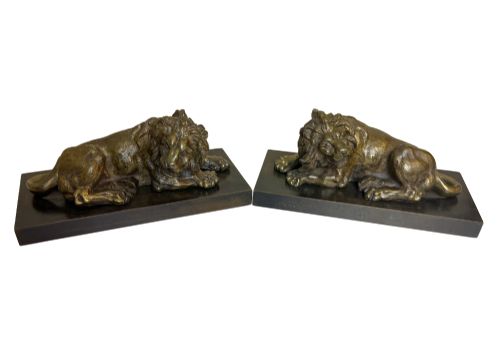
Buyers encounter subjects ranging from bronze animals and classical lions to marble obelisks, glass millefiori and utilitarian brass or cast iron weights. These objects reflect the nineteenth-century taste for decorative desk accessories that doubled as cabinet bronzes or Grand Tour souvenirs.
How they were made
Metal items rely on bronze casting, brass mounting and cold painting, alongside cast iron work and silver mounting. Sculptural animalier studies use detailed chasing on bronze, whilst cold painted bronzes receive hand-applied polychrome colour over the metal surface.
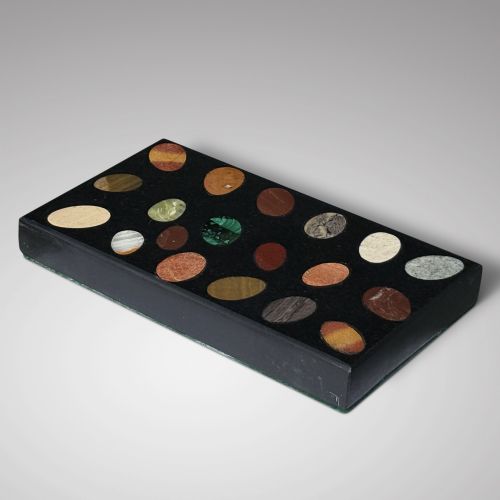
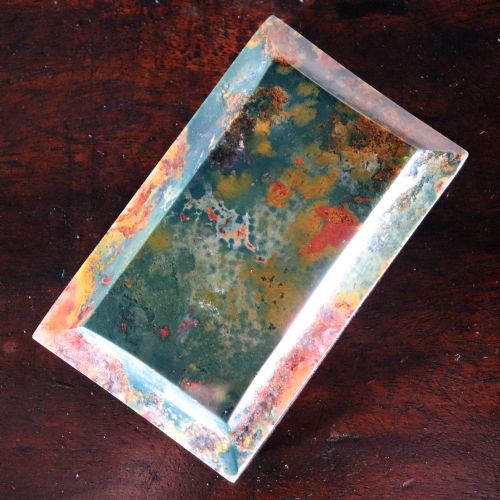
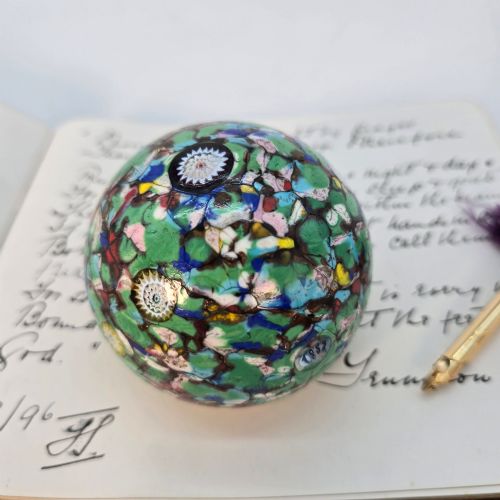
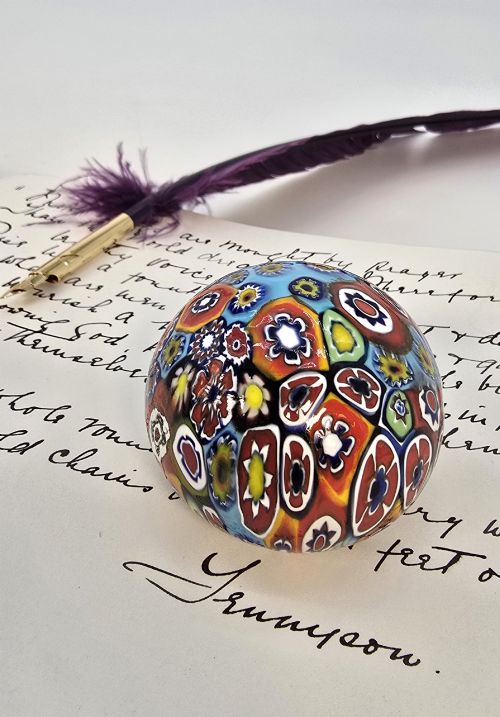
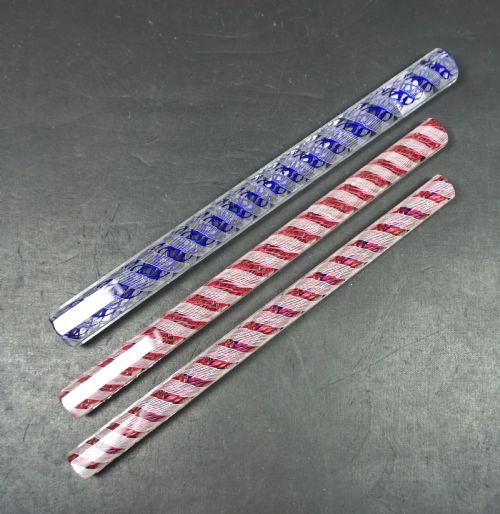
Stone and glass pieces utilise lapidary techniques for marble, serpentine, soapstone and agate, alongside pietre dure inlay work using hardstones. Glass paperweights involve millefiori cane work, facet cutting and murano techniques, shaping molten material into dense optical forms.
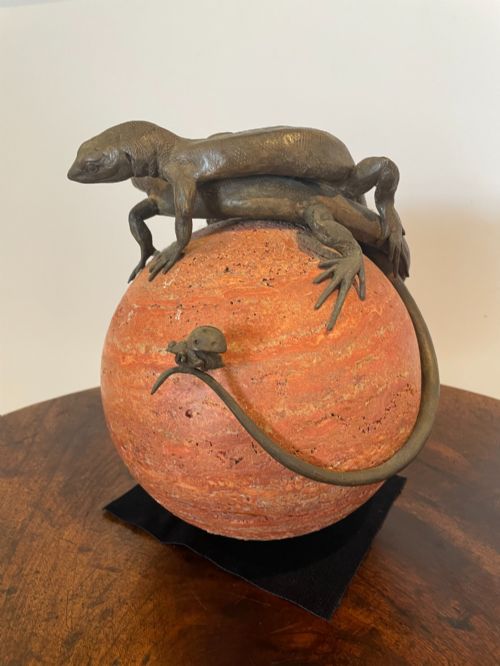
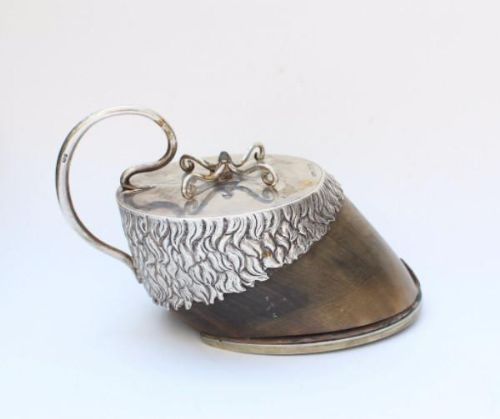
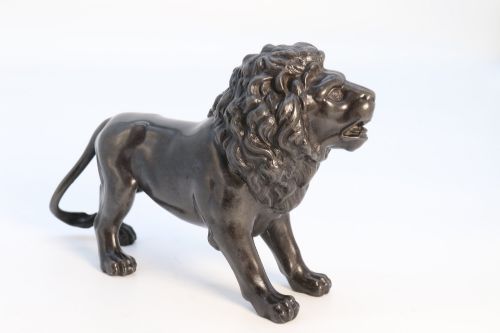
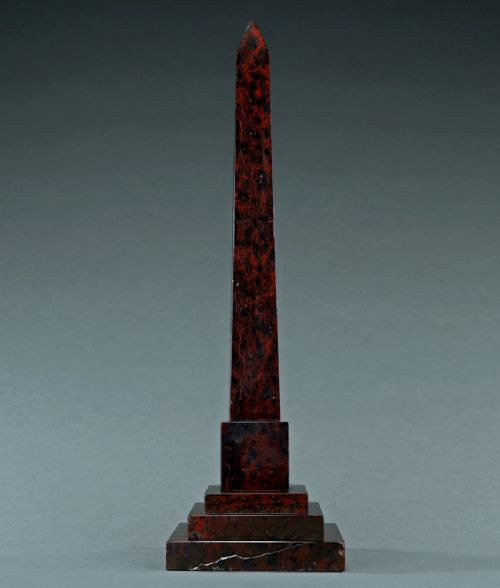
Listings include nineteenth-century bronze animalier studies, Grand Tour marble obelisks, and Edwardian silver-mounted horse hooves.
What varies in quality
The degree of hand-finishing in the chasing of a bronze figure or the precision of pietre dure inlay dictates the visual fidelity of the piece. Crisp detail in animal fur, feather work or architectural lettering separates standard decorative production from finer studio output.
Material selection drives distinction, such as the depth of colour in serpentine marble, the clarity of crystal facet cuts, or the preservation of original cold painted surfaces on Austrian bronzes.
Antoine Louis Barye·St. Louis·Minton Hollins·Isidore Jules Bonheur·Jennings Brothers·Franze Bergman·Baccarat
The Victorian Desk Paperweight Glossary
- Cold painted bronze
- A method where bronze figures receive a layer of non-fired oil paint applied over a metallic base. This technique was widely used by Austrian foundries to depict birds and dogs with naturalistic colour.
- Pietre dure
- An artisanal technique using cut and fitted polished coloured stones to create geometric or pictorial motifs. The technique appears on Grand Tour desk plaques and specimen table items.
- Millefiori
- Glasswork produced by heating bundles of coloured glass rods and slicing them to reveal patterned cross-sections. These sections are gathered within clear glass to form floral designs.
- Grand Tour
- A cultural journey undertaken by wealthy Europeans in the nineteenth century, acquiring souvenir obelisks, bronzes and stone specimens. These items often found a place on domestic writing desks.
- Animalier
- A nineteenth-century artistic style focusing on the realistic depiction of animals. Sculptors rendered dogs, rabbits and lions with close attention to muscular form.
Victorian Desk Paperweight: Frequently Asked Questions
What materials make up these weights?
These desk accessories appear in cast bronze, brass, cast iron, silver, and sterling silver mounts. Mineral versions utilise serpentine marble, agate, soapstone, and pietre dure hardstone inlay.
Glass examples feature crystal, millefiori canes, and facet-cut designs. Wood options incorporate inlaid lignum vitae and boxwood.
How were these items used originally?
They functioned primarily on nineteenth-century writing desks to keep loose letters and bills from scattering in draughty rooms. Many doubled as decorative ornaments, inkwells, or desk clips.
Grand Tour souvenirs also served as tactile reminders of foreign travel for Victorian and Edwardian writers.
How do I care for marble and stone?
Dust marble, serpentine, and agate pieces gently with a dry, soft cloth to protect the polished surface. Avoid abrasive cleaners or excess moisture that might dull the stone.
Keep inlaid pietre dure specimens away from direct sunlight to preserve the natural colours of the fitted hardstones.
How do I distinguish cold painted bronze?
Examine the surface for a thin layer of paint applied directly over cast metal, often depicting naturalistic birds, animals, or human figures. Look for areas of worn paint where the underlying bronze shows through.
These pieces rely on detailed metalwork beneath the pigment rather than solid ceramic or glass bodies.