


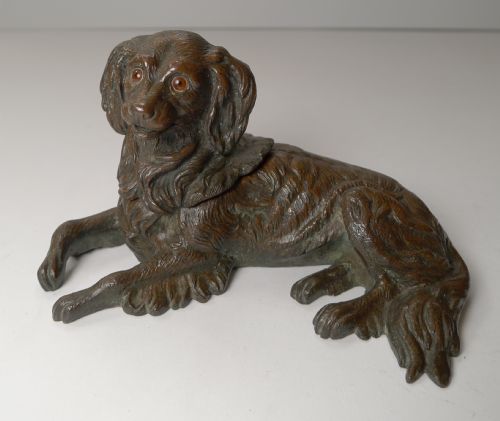

Cast Bronze Dog Paperweight
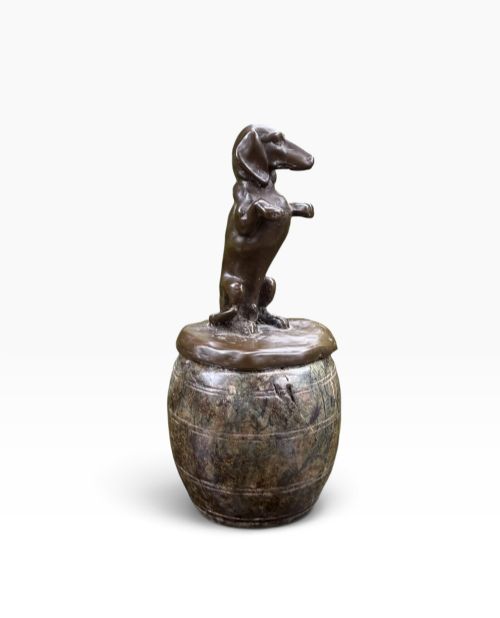
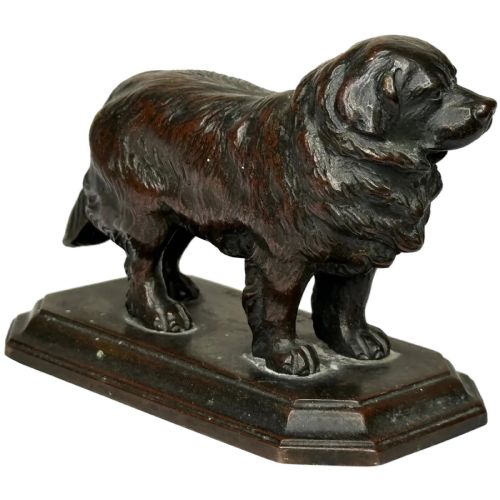
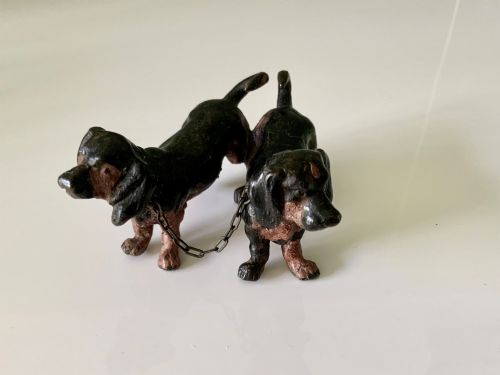
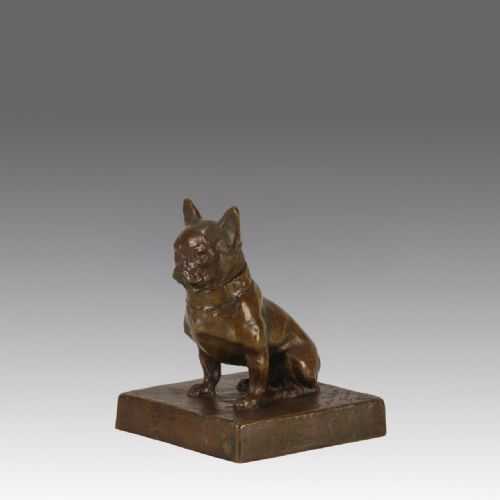
A cast bronze dog paperweight brings a sturdy, characterful presence to a desk, capturing everything from playful Dachshunds to resolute Bulldogs.

Cast Bronze Dog Paperweight
A cast bronze dog paperweight combines practical utility with sculptural detail, capturing a range of breeds from Dachshunds to Terriers. These desktop accessories emerge from several distinct periods, most frequently appearing from the Victorian era up to the early twentieth century.
Makers across different regions applied their craft to these pieces, resulting in varied stylistic traditions. British and continental European foundries produced realistic studies, while pieces from the Meiji period demonstrate distinct Japanese metalwork techniques applied to Western canine subjects.
Functionality varies among these objects, with some serving strictly as desk weights while others incorporate inkwells or function as car mascots. The majority present as small animal figures or sculptural studies mounted on timber bases, marble, or standing alone.
Materials and construction
Many figures are mounted upon timber bases or heavy marble plinths, providing stability and presence when used as desk accessories. The casting process captured fine anatomical details of breeds like King Charles Spaniels, Greyhounds, and Newfoundlands.
Pieces span from the Victorian era and the nineteenth century through the early twentieth century.
Assessing quality and finish
The refinement of the casting and the crispness of the chisel work determine the distinction between standard production pieces and superior examples. Finer sculptures retain sharp facial expressions and realistic muscle definition without softening in the metal.
The preservation of original cold painted decoration significantly influences the character of a piece, as worn surfaces alter the visual depth. The integration with auxiliary materials, such as fitted marble or timber bases, also contributes to the overall presence of the object.
Dora Heber·Antoine Louis Barye
The Cast Bronze Dog Paperweight Glossary
- Animalier
- A nineteenth-century artistic movement focused on the realistic depiction of animals, particularly visible in French bronze sculptures. Artists in this tradition paid close attention to anatomical accuracy and natural behaviour.
- Cold painted bronze
- A decorative technique where the bronze is painted with cold enamel colours rather than being fired in a kiln. This finish is delicate and prone to rubbing over time.
- Vienna bronze
- Small, highly detailed Austrian bronze sculptures produced around nineteen hundred, frequently utilising cold painted surfaces. These pieces often depict animals, figures, or whimsical scenes.
- Meiji period
- The era of Japanese history spanning from eighteen sixty-eight to nineteen twelve, known for exceptional metalwork exported to Western markets. Bronzes from this period often blend traditional Japanese casting with European subjects.
- Car mascot
- A decorative ornament mounted on the radiator cap of an automobile, though some bronze dog figures served this dual purpose. They became popular accessories for motorists during the early twentieth century.
Cast Bronze Dog Paperweight: Frequently Asked Questions
How do I date an antique dog paperweight?
Dating relies on examining the casting style, the patina of the bronze, and the mounting materials. Victorian and early twentieth-century pieces often exhibit distinct patination and mounting styles that reflect their period of manufacture.
Inscriptions, signatures, or registration marks on the base can also provide specific clues regarding the foundry or sculptor.
Were these always meant for desks?
While many served primarily as paperweights or desk accessories, some incorporated functional elements like inkwells or pen trays. Others were cast specifically to function as automobile mascots or standalone decorative ornaments.
Their varied sizes and weights allowed them to transition easily between practical desktop tools and cabinet display pieces.
How do I care for antique bronze?
Maintenance requires gentle dusting with a soft, dry cloth to prevent the accumulation of dirt in the crevices of the casting. Avoid using chemical polishes or water, which can damage patinated surfaces or delicate cold painted finishes.
Keeping the piece in a stable environment away from excessive moisture preserves the integrity of the metal and any attached timber or marble bases.