
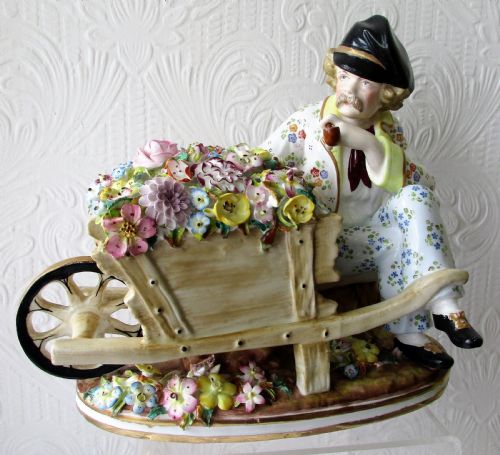
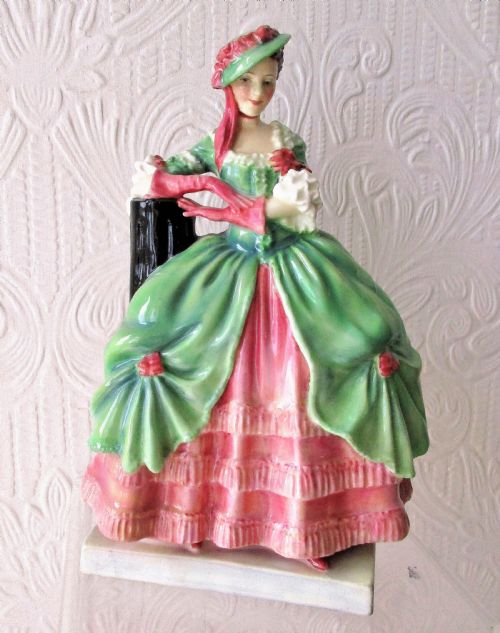


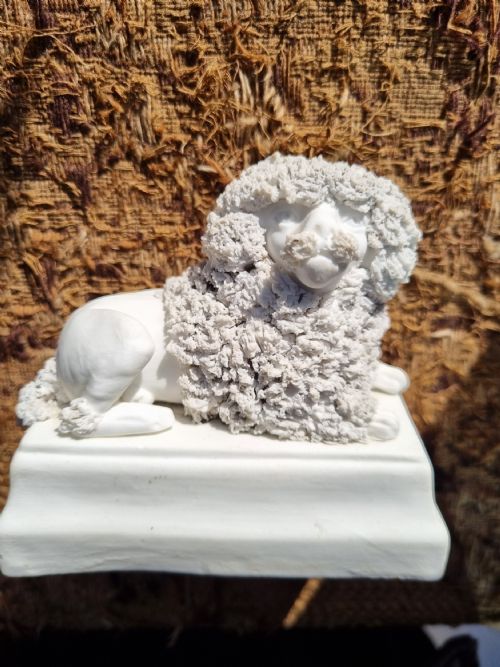
Decorative Pottery Figurine
These decorative pottery figurine examples span centuries of ceramic artistry, bringing character and narrative directly into any interior setting.
Decorative Pottery Figurine
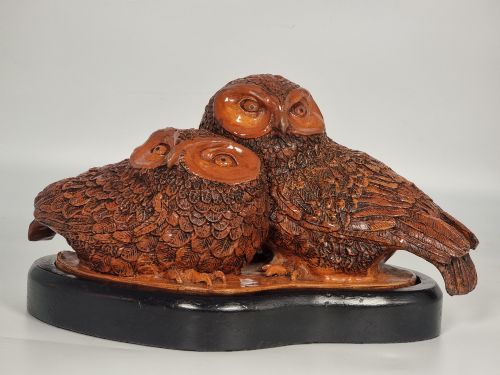
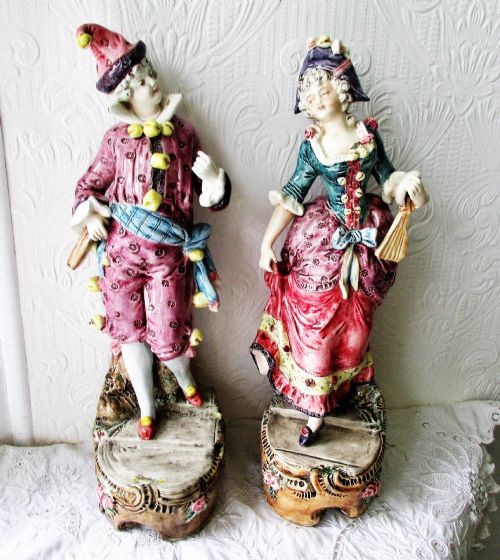
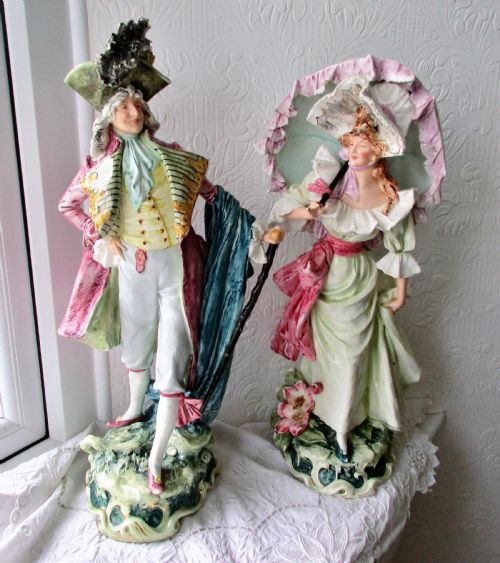
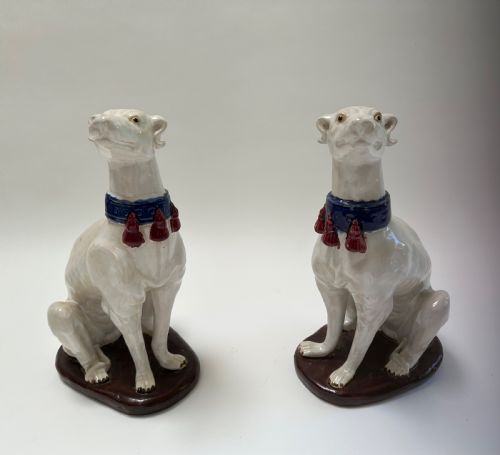
A decorative pottery figurine covers an array of modelled subjects, from British Victorian animals and human figures to continental earthenware and Asian ceramics. Buyers searching for a decorative pottery figurine often encounter pairs of Staffordshire dogs, French faience figures, and Japanese Satsuma works.
The selection ranges across the nineteenth century into the twentieth century, encompassing Victorian, Art Deco, Meiji, and revival styles. Many examples take the form of domestic animals, historical characters, or mythological subjects modelled in earthenware and porcelain.
Makers and regional potteries such as John Bevington and Royal Doulton contribute structured studio and factory output to the group. Collectors find both single display pieces and matching pairs intended for mantelpieces and display cabinets.
Materials and construction methods
Makers utilised earthenware, porcelain, and ceramic pastes shaped by hand or cast in moulds to create the foundational body. Glazes, enamel colours, and occasional gold leaf or sancai glaze applications were then fired onto the surface to finish the piece.
Many items incorporate detailed hand modelling alongside painted decoration, while others rest upon ebonised wood bases or feature specialised pottery glazes. The firing process fixed the colours and vitrified the ceramic bodies to ensure lasting durability.
Factors of distinction
Quality rests upon the crispness of the modelling and the precision of the hand-painted enamel or glaze work. Superior examples exhibit balanced proportions, delicate facial expressions, and careful attention to secondary details like bases and attire.
The reputation of the workshop or maker, alongside the preservation of the original glaze and enamels, marks the distinction between standard production and exceptional pieces. Pairs that survive intact without heavy restoration command greater interest from discerning collectors.
John Bevington·Royal Doulton
The Decorative Pottery Figurine Glossary
- Earthenware
- A porous pottery body fired at lower temperatures, requiring a glaze to render it waterproof. It forms the foundation for many nineteenth-century figures.
- Bisque
- Unglazed ceramic fired once to create a matte, porous finish with a soft white texture. It allows fine modelled details to remain sharp and unmasked.
- Majolica
- A type of earthenware coated with an opaque tin-lead glaze and painted with metallic oxide colours. It produces vibrant, glossy surfaces.
- Flat back
- A method of modelling where the rear of the figure is left unadorned or flat, designed specifically to sit flush against a wall or mantelpiece.
- Satsuma
- A type of Japanese earthenware featuring a characteristic ivory-coloured, crackled glaze decorated with enamels and gilding. It appears frequently on decorative vases and figures from the Meiji period.
Decorative Pottery Figurine: Frequently Asked Questions
How do I date an old figurine?
Dating relies on stylistic markers, base types, and any impressed factory marks or signatures present on the ceramic body. Comparing the clothing styles and modelling techniques to known production periods helps narrow down the decade.
Material composition, such as the transition from heavy earthenware to refined porcelain, also guides the assessment. Examining the wear on the base provides further clues to the age of the piece.
Are these figures meant for display?
These pieces were originally created as ornaments for Victorian mantelpieces, cabinets, and drawing rooms. Their detailed modelling and painted surfaces make them suited for prominent placement in modern interiors.
Placing them away from direct sunlight and high-traffic areas protects the delicate enamels and glazes from wear. Simple dusting with a dry cloth keeps the surfaces clean.
What is a flat back figure?
A flat back figure is moulded with a finished front and sides while the reverse remains plain and unglazed. This design allowed Staffordshire potters to produce pieces that sat neatly against cottage mantelpieces.
This construction method saved on materials and weight while maximising visual impact from the front. It remains a hallmark of regional British pottery from the nineteenth century.
How do I care for antique ceramics?
Antique ceramics require gentle handling and stable environmental conditions free from extreme temperature fluctuations. Avoid using water or chemical cleaners on painted or gilded surfaces to prevent accidental damage.
Displaying them on secure, level surfaces prevents accidental toppling and chipping. Regular inspection ensures any minor issues are caught early.