


Victorian Decorative Jar
When you search for a victorian decorative jar, you enter a diverse world of nineteenth-century ceramic, glass, and metal vessels created for display and storage.
Victorian Decorative Jar
A victorian decorative jar encompasses a wide variety of household and display containers, ranging from apothecary carboys and tea canisters to lidded porcelain urns and biscuit barrels. These pieces were designed to serve both functional storage roles in the nineteenth-century home and purely decorative functions on mantelpieces or in display cabinets.
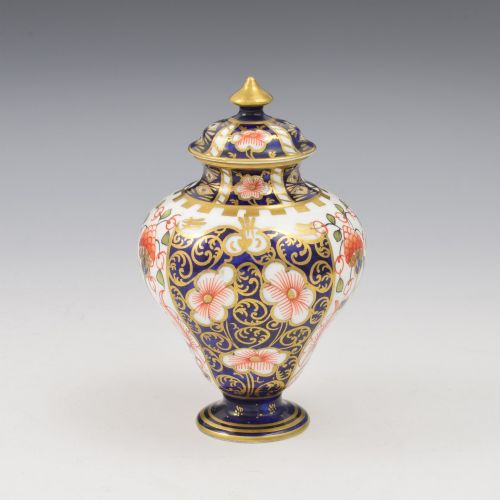
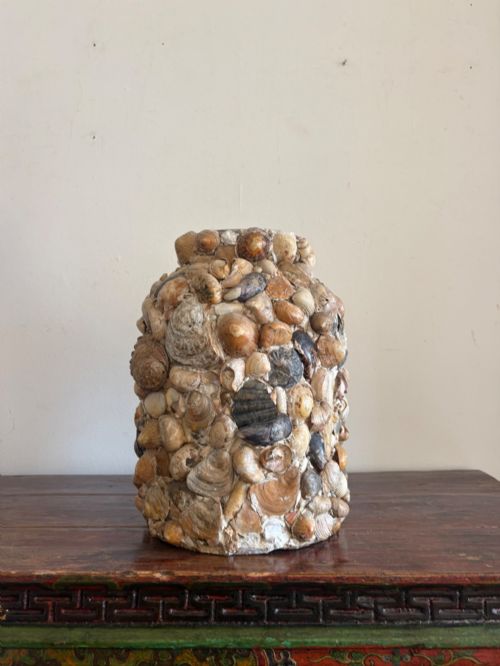
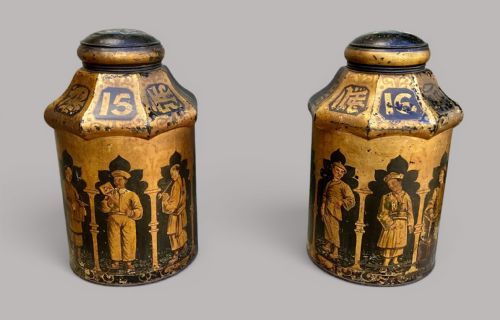
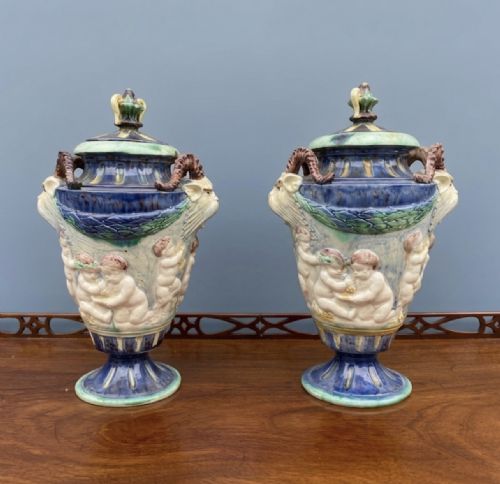
The objects seen here reflect a broad mix of cultural influences, including traditional British ceramics alongside Chinoiserie motifs, continental porcelain, and folk art creations. While some function as covered ginger jars or potpourri vessels, others take the form of specialised pharmacy jars and glass display domes intended to preserve delicate items.
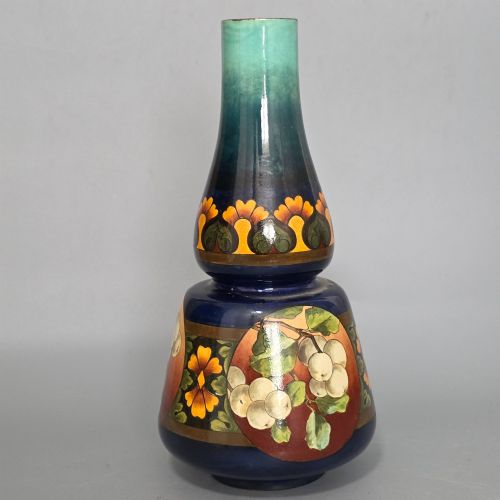
Buyers will most frequently encounter ceramic and porcelain lidded vases, earthenware tea canisters, and glass apothecary jars originating from the nineteenth century. These items span various stylistic movements, from classical revival designs to Art Nouveau and Victorian Arts and Crafts aesthetics.
Materials and Construction
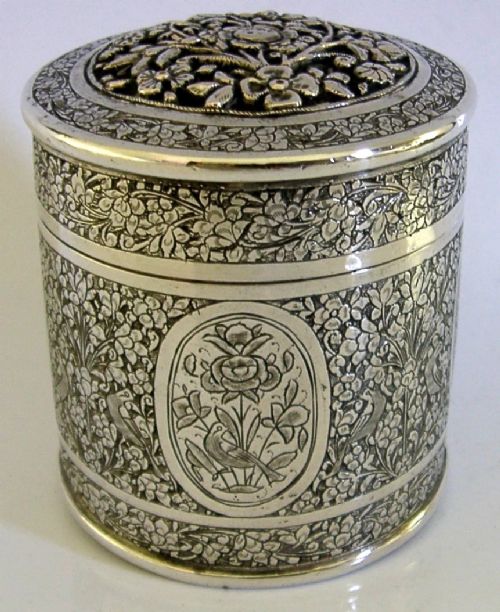
Makers utilised a diverse palette of materials, combining porcelain, ceramic, and earthenware bodies with hand-painted glazes, gold leaf, and enamel decoration. Metal components such as silver plate, cast iron, and brass frequently appear on biscuit barrels, apothecary containers, and decorative urns.
Glass vessels display hand-blown techniques, diamond cutting, and intricate surface treatments associated with specialised makers and techniques of the era. Treen items and carved natural materials like coconut shell demonstrate the breadth of organic mediums employed alongside fired clays and metals.
Listings feature 19th Century, Victorian, Edwardian, and early 20th Century periods alongside materials such as porcelain, enamel, glass, and gold leaf.
Assessing the Standard
The standard of a victorian decorative jar rests upon the precision of its hand-painted decoration, the integrity of its glaze, and the quality of any applied metal mountings or silver plating. Pieces featuring crisp hand-painted motifs and balanced proportions stand apart from mass-produced wares.
Makers' marks and attribution to established potteries or workshops elevate a piece, as do original matching covers and well-preserved surface gilding. The clarity of hand-blown glass and the crispness of carved details dictate where an individual item sits within the range.
Royal Crown Derby·Doulton Lambeth·Samuel Alcock and Co·Royal Worcester·Wolfsohn Dresden
The Victorian Decorative Jar Glossary
- Biscuit Barrel
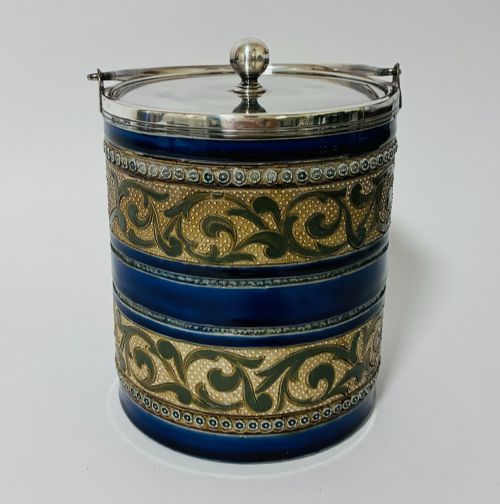
- A covered ceramic, glass, or silver-plated container used in nineteenth-century dining rooms for storing dry biscuits. These often featured hinged metal lids and decorative handles.
- Carboy
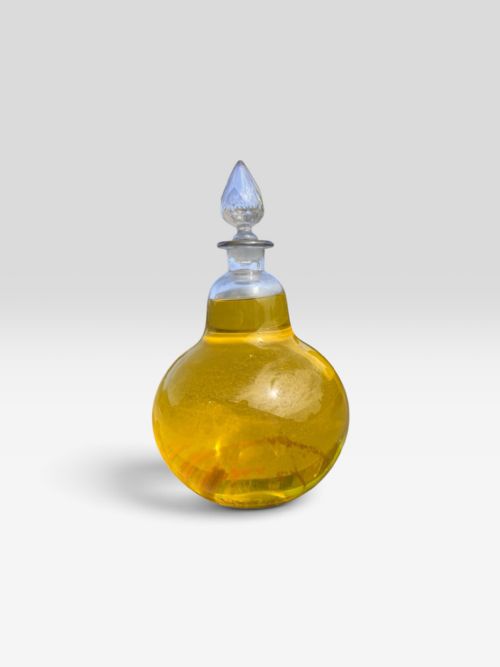
- A large glass bottle or jar traditionally used in pharmacies for holding liquids, distinguished here by heavy hand-blown construction and substantial volume.
- Chinoiserie
- A European artistic style reflecting Chinese aesthetic influences, frequently appearing on tea canisters, vases, and lidded jars through painted motifs and pagoda themes.
- Faience
- Tinned-glazed earthenware akin to majolica or delftware, utilised by Victorian potteries to create brightly coloured decorative vases and architectural pieces.
- Pot Pourri
- A lidded vessel designed with pierced or solid covers to hold dried flower petals and spices intended to perfume a room.
Victorian Decorative Jar: Frequently Asked Questions
What were apothecary jars used for?
Apothecary jars and carboys held medicines, dry chemicals, and herbs in nineteenth-century dispensaries and pharmacies. Their tight-fitting lids protected contents from moisture and air.
Over time, many of these utilitarian glass and ceramic containers transitioned into decorative display pieces within domestic settings due to their appealing proportions.
How do I identify a biscuit barrel?
Biscuit barrels are recognizable by their cylindrical ceramic, glass, or wooden bodies fitted with a hinged metal lid and handle. They sat upon dining tables and sideboards during tea service.
Silver-plated mounts and ceramic bodies decorated with floral transfers or hand-painted motifs characterise the Victorian examples found in collections.
What is the difference between a vase and an urn?
Vases generally feature open tops designed to hold flowers or display decorative branches, though many nineteenth-century examples included matching fitted covers. Urns traditionally display a footed base, a rounded body, and sometimes side handles, following classical architectural forms.
Both categories overlap significantly in Victorian decorative arts, where lidded vessels served purely ornamental purposes.
How should I care for nineteenth-century ceramics?
Nineteenth-century ceramics and porcelain require gentle dusting with a soft, dry cloth to protect delicate hand-painted glazes and gold leaf accents. Harsh cleaning agents or water should be avoided, particularly on pieces with exposed earthenware or fragile enamel work.
Displaying pieces away from direct sunlight and dramatic temperature fluctuations preserves the integrity of the glaze and body over time.