

Victorian Decorative China
Victorian decorative china brings together colourful porcelain plates, hand-painted vases, and ironstone jugs made to display rather than dine.
Victorian Decorative China
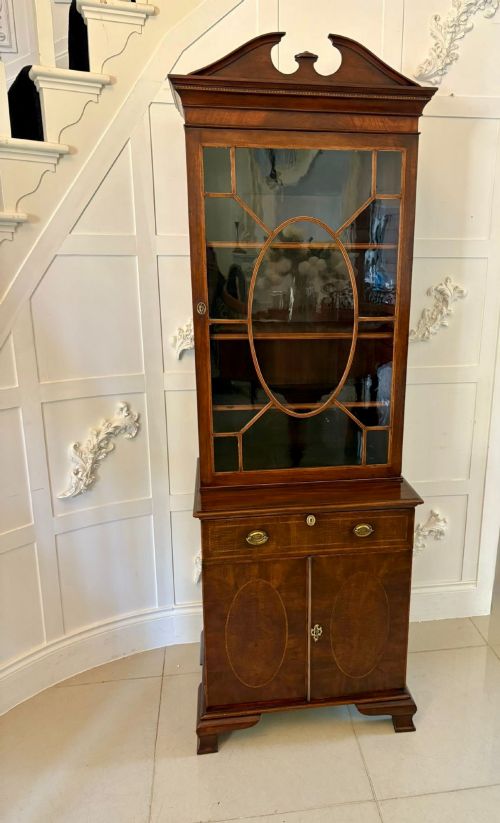
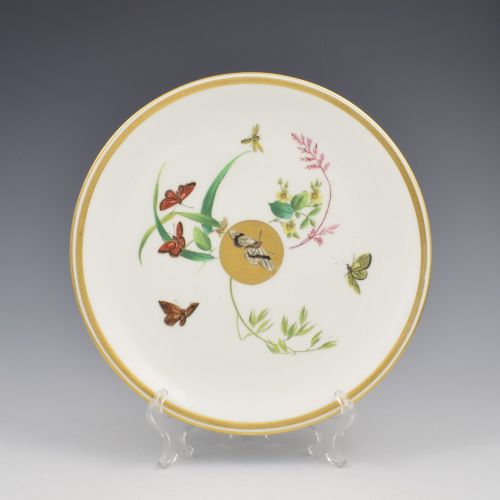
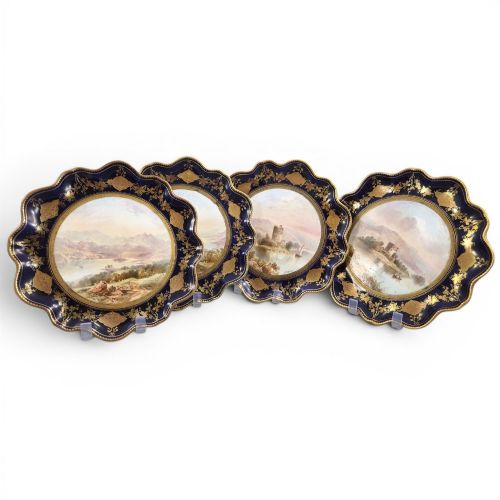
Victorian decorative china encompasses a diverse array of ornamental ceramics, ranging from cabinet plates and porcelain figurines to decorative bowls and pitchers. When exploring Victorian decorative china, buyers encounter pieces intended for display in drawing rooms or cabinets rather than everyday household service.
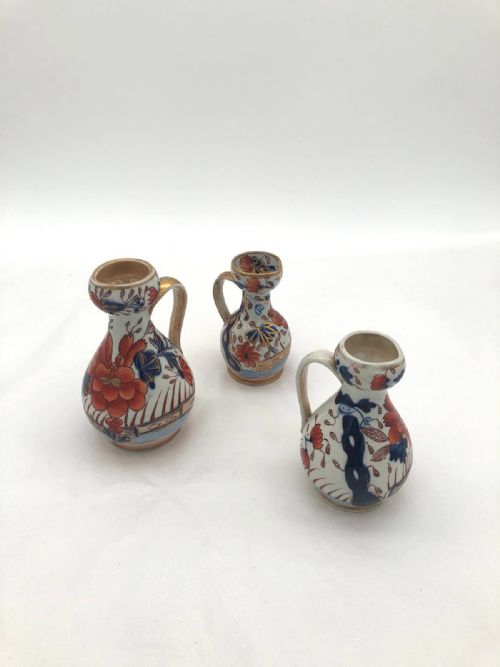
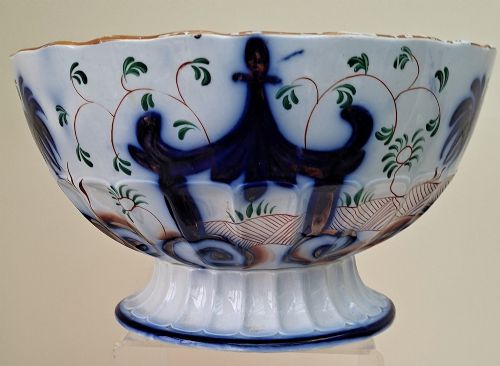
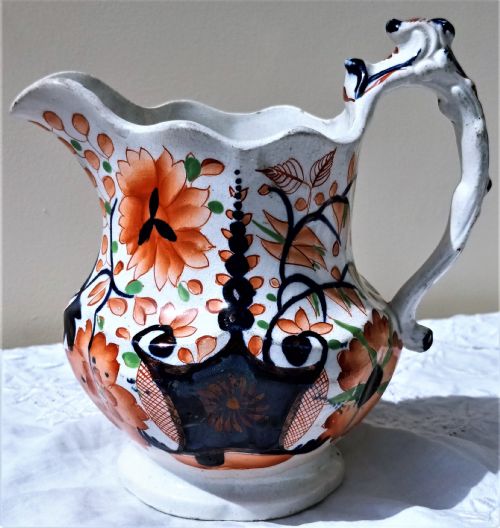
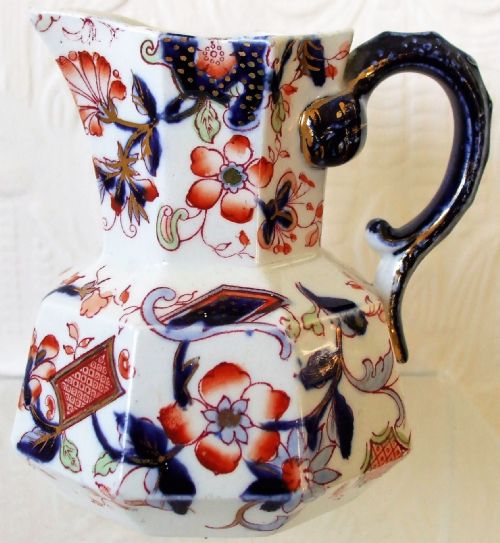
Makers such as Royal Crown Derby, Minton, Royal Worcester, and Mason's Ironstone dominate the offerings, spanning styles from Rococo Revival and Aesthetic Movement to Imari patterns. Pieces often reflect specific design influences, including Japanese motifs and traditional European hand-painted subjects.
Materials and production methods
Potters utilised fine porcelain, earthenware, and ironstone as the primary ceramic bodies, shaping them into plates, bowls, and figures. These pieces frequently incorporate glaze finishes alongside applications of enamel and gold leaf or gilt detailing.
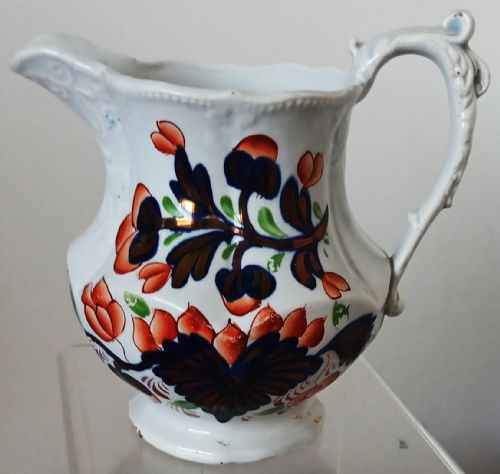
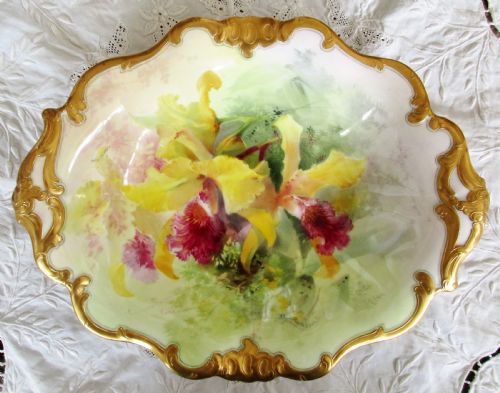
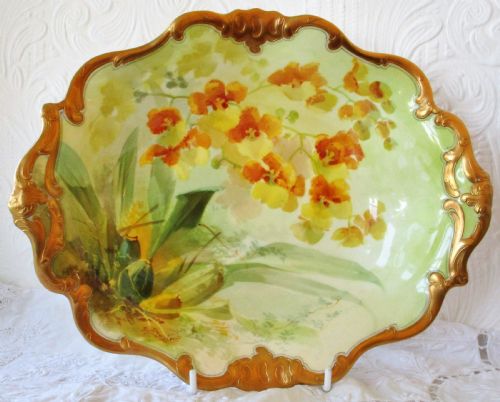
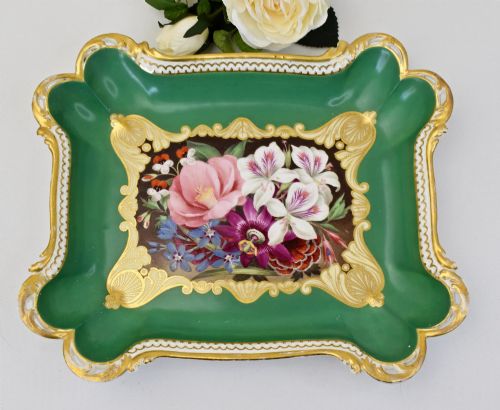
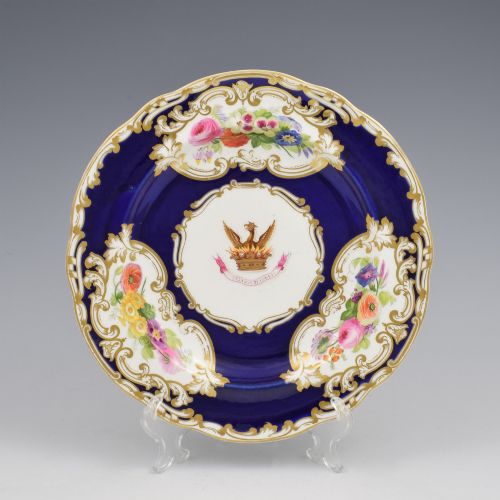
Decoration relied heavily on hand-painted artistic work, recording specific botanical studies, armorial crests, and landscape scenes by named artists. Transfer printing also supported the creation of patterned earthenware such as Gaudy Welsh jugs and ironstone tablewares.
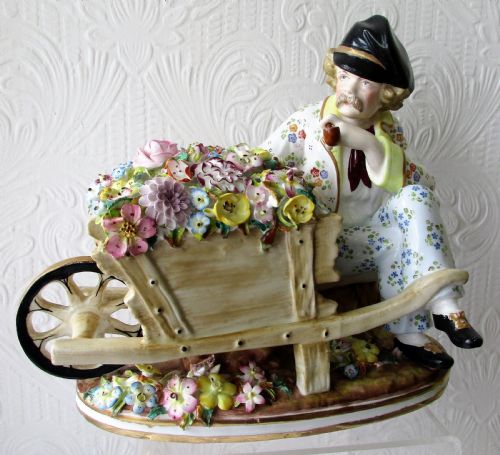
Cherubs holding baskets and porcelain figures of flower sellers gaze out from Victorian display cabinets with unwavering nineteenth-century charm.
Distinctions in quality
Quality rests upon the fineness of the ceramic body and the precision of the hand-painted execution rather than the sheer age of the piece. Master painters working for established porcelain works achieved greater depth of colour and subtlety in pictorial subjects than mass-produced alternatives.
The integration of raised gold leaf, enamel work, and specialised moulding distinguishes standard factory output from exhibition-grade cabinet pieces. Preservation of the original gilding and enamel surface integrity further separates superior items from those showing extensive wear.
Royal Crown Derby·Mason's Ironstone·Royal Doulton·John Bevington·Royal Worcester
The Victorian Decorative China Glossary
- Cabinet plate
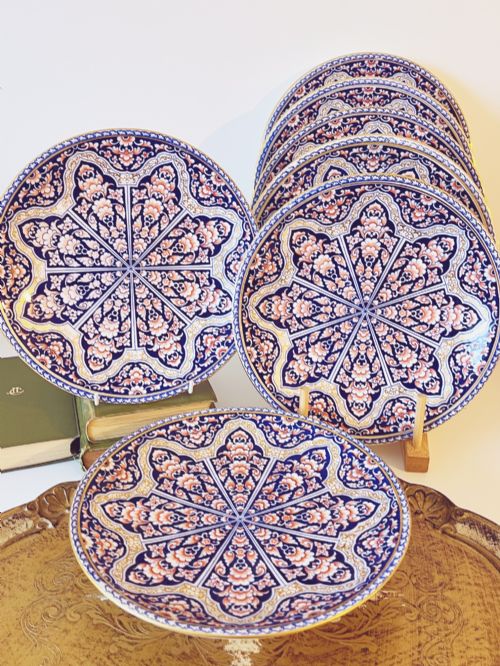
- A decorative ceramic plate designed specifically for display in a cabinet or on a wall rather than for dining use. These items typically feature elaborate hand-painted scenes or rich gilding.
- Ironstone
- A heavy, durable type of earthenware patented in the nineteenth century to imitate Chinese porcelain. It provides a robust body suited to colourful transfer-printed or hand-painted patterns.
- Gilt
- A thin layer of gold applied to the surface of porcelain or ceramic pieces to highlight rims, handles, and decorative borders. It adds a reflective metallic accent to the design.
- Imari
- A decorative style inspired by Japanese export porcelain, characterised by a palette dominated by underglaze blue, iron red, and gold. Victorian potteries frequently reinterpreted these patterns on plates and vases.
- Porcelain
- A hard, vitreous ceramic material fired at high temperatures, known for its fine texture and translucent qualities. It serves as the primary canvas for fine cabinet plates and figurines.
Victorian Decorative China: Frequently Asked Questions
What is Victorian decorative china?
Victorian decorative china covers ornamental ceramics produced during the nineteenth century, intended for visual appreciation rather than daily use.
Items range from hand-painted cabinet plates and porcelain figurines to large ironstone bowls and jugs.
How were cabinet plates displayed?
Cabinet plates were typically shown off in specialised display furniture, mounted on walls, or set upon plate stands in drawing rooms.
They served as status symbols and artistic focal points for Victorian interiors.
How do I identify a maker?
Makers are usually identified by impressed, painted, or printed factory marks found on the underside of the ceramic base.
These marks often include factory names, ciphers, or pattern numbers corresponding to specific production periods.
What is ironstone china?
Ironstone is a durable, heavy ceramic material developed to offer an affordable and robust alternative to imported oriental porcelain.
It withstands daily wear well while providing a solid white ground for bright enamel and transfer-printed decoration.
Can these items be used daily?
Most decorative china pieces from this era are best reserved for display due to delicate gilding, hand-painted details, and age.
Frequent washing and use can wear away fragile gold leaf and enamel over time.