


Antique Solifleur Vase
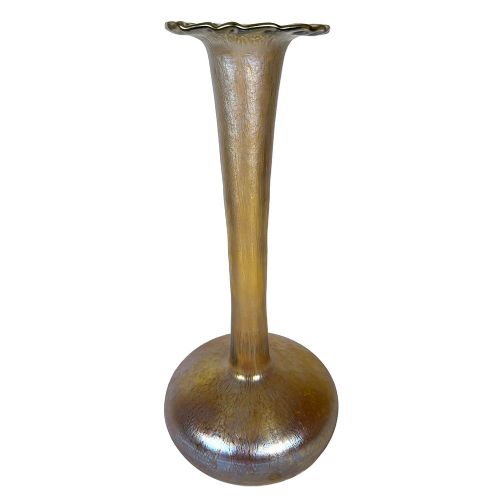
An antique solifleur vase holds a single stem, combining slender grace with the intricate glass and porcelain artistry of the late nineteenth and early twentieth centuries.
Antique Solifleur Vase
When you search for an antique solifleur vase, you find single-stem vessels designed to display one bloom with striking elegance. These slender vessels appear across several distinct periods, most notably the Victorian era, the Edwardian years, and the early twentieth century.
The pieces on this page span diverse forms, from French art glass and cameo glass creations to porcelain bud vases and nineteenth-century French pewter vessels. You are most likely to encounter delicate glassware shaped during the Art Nouveau movement alongside decorated porcelain pieces from established factories.
Makers such as Galle and Daum Frères dominate the glass selections, bringing botanical motifs like honeysuckle and hydrangea to slender silhouettes. Alongside these, English porcelain manufacturers like Royal Worcester and Stevenson and Hancock represent the ceramic tradition of single-stem display.
Materials and methods
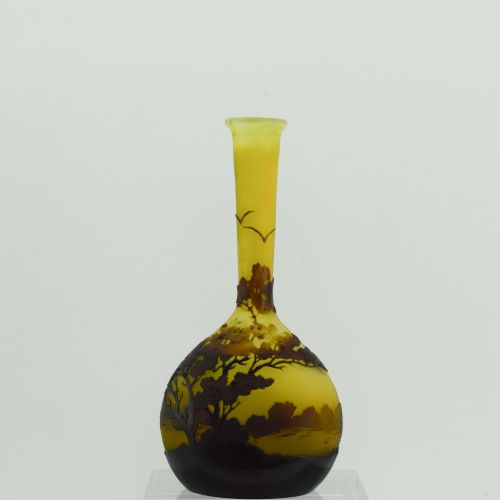
The makers of these vases relied heavily on cameo glass and acid-etched glass techniques to create depth and texture. Layers of coloured glass were painstakingly carved or etched away to reveal botanical details in high relief against a contrasting background.
Porcelain examples utilised hand-painted enamel decoration, frequently enhanced with gilding or gold leaf. Talented artists painted natural scenes directly onto the ceramic surface before firing, creating lasting botanical and figurative compositions.
Miniature boating scenes and delicate honeysuckle vines are frozen in glass to keep summer alive on a desk all winter.
Judging quality in single-stem vessels
Quality rests in the precision of the carving and the clarity of the material. In cameo glass, superior pieces display crisp boundaries between layers and a subtle control of light through the coloured glass body.
For painted porcelain, the finesse of the brushwork dictates the standing of the piece. Hand-painted details by recognised artists elevate a standard bud vase into a work of miniature fine art.
Galle·Daum Freres·Royal Worcester·Stevenson and Hancock
The Antique Solifleur Vase Glossary
- Solifleur
- A single-flower vase designed to hold one stem. This French term describes any slender vessel created specifically for minimal floral arrangements.
- Cameo Glass
- Glass formed with multiple layers of different colours, which are then carved or acid-etched to produce a raised design. The technique creates a distinct sculptural relief effect on the surface.
- Acid-Etched
- A method of decorating glass by applying acid to eat away exposed areas. This creates frosted textures and layered patterns without manual cutting.
- Imari
- A style of Japanese porcelain decoration copied by European potteries, characterised by underglaze blue and iron red with added gold. Victorian English makers frequently adopted this palette for their small vases.
Antique Solifleur Vase: Frequently Asked Questions
What is an antique solifleur vase used for?
These vessels serve to display a single, choice stem rather than a full bouquet. Their narrow necks support a solitary bloom, focusing attention entirely on the form and detail of the flower.
Historically, they sat on dressing tables, mantelpieces, or small writing desks where space was limited. Their compact footprints made them ideal for interior decoration without dominating a room.
How can I tell porcelain bud vases apart?
Porcelain bud vases are distinguished by the factory marks stamped or painted on their bases. English makers like Royal Worcester often included specific date ciphers alongside the maker's mark to indicate the year of manufacture.
Hand-painted signatures from individual artists further help identify the origin and quality of the porcelain decoration. The presence of traditional Imari patterns points toward specific Victorian ceramic traditions.
Where were these glass vases made?
The majority of the art glass pieces originate from France, particularly associated with workshops in Nancy. French glassmakers perfected cameo and acid-etching techniques during the late nineteenth and early twentieth centuries.
These continental workshops produced distinct styles that contrasted with the porcelain output of English factories. French pieces emphasise sculptural glass manipulation over painted ceramic surfaces.