

Victorian Cutlery
These pieces of victorian cutlery bring solid weight and bright metal to the dining table, offering utility alongside nineteenth-century craft.
Victorian Cutlery
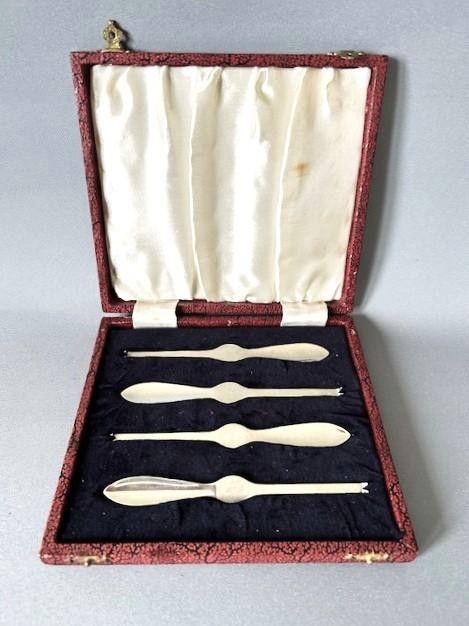
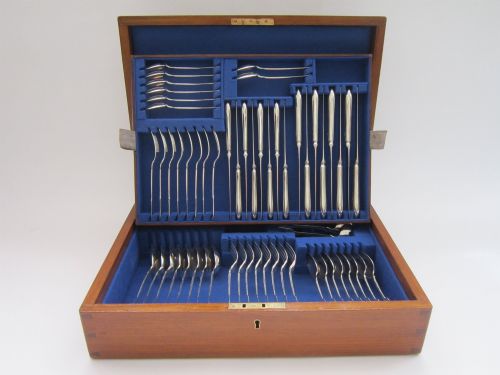
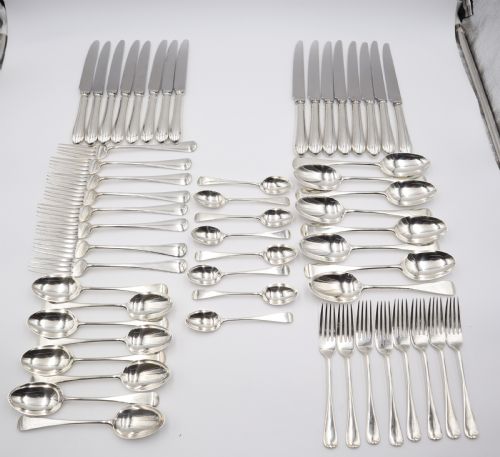
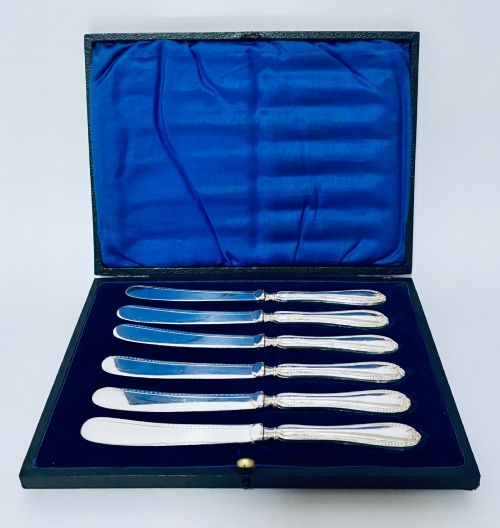
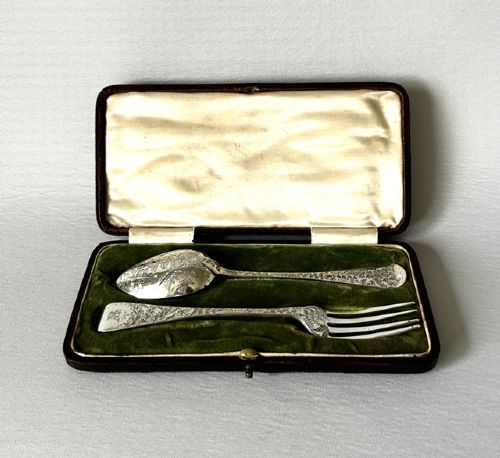
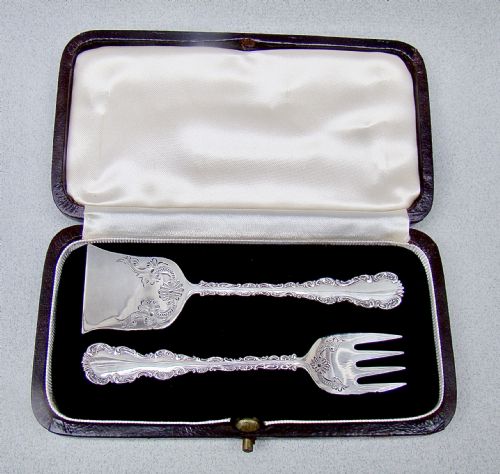
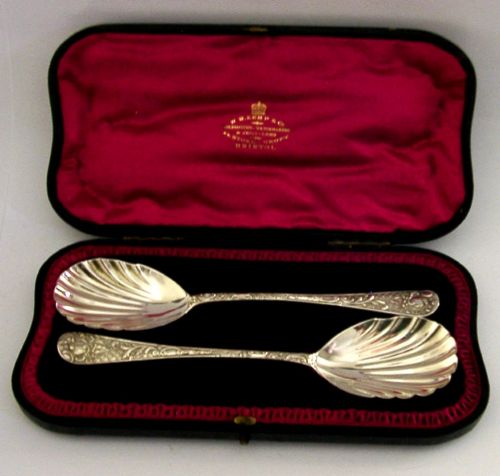
Buyers seeking victorian cutlery encounter everything from single serving spoons and fruit knives to large canteens meant for twelve or thirty persons. Many examples arrive in fitted boxes lined with velvet, silk, or satin, preserving the individual items for daily service or formal dining.
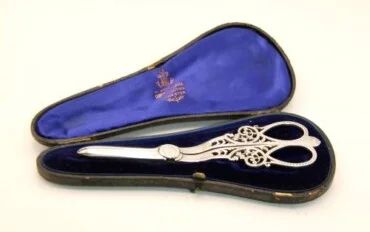
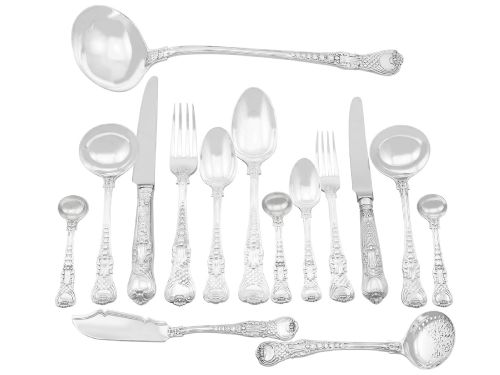
The objects span individual pieces like butter knives and sugar shovels alongside matching sets for fish, fruit, and full dinners. Specialised tools such as sardine servers, grape scissors, lobster crackers, and knife rests appear frequently among the listings.
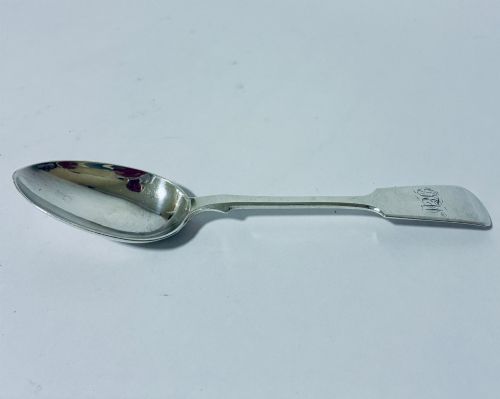
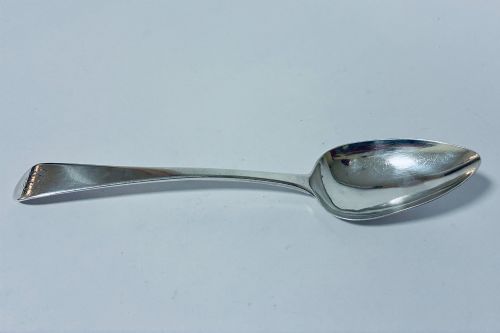
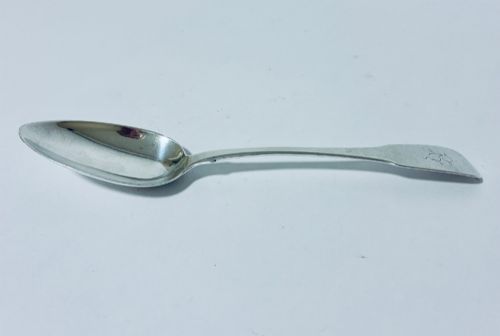
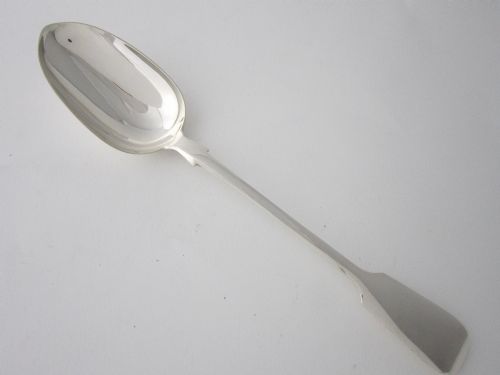
Most items date from the nineteenth century, with nineteenth-century and Victorian periods dominating the selection alongside occasional Georgian and Edwardian overlaps. Styles range from plain fiddle patterns to ornate Egyptian Revival and Russian Revival designs.
Judging Quality
Quality rests upon the crispness of the chased or engraved ornament and the integrity of the original fitted case. Complete canteens with matching hallmarks command attention over assembled lots collected across different years.
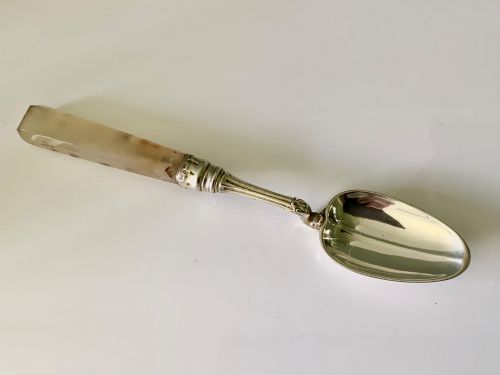
Material combinations elevate certain utensils, particularly where polished hardstones like agate or genuine antler horn meet heavy gauge sterling silver. The weight of the metal and the clarity of the maker stamps differentiate standard utility pieces from exhibition work.
Victorian Cutlery Retail Price Guide 2026
Typical asking prices for victorian cutlery among the pieces listed under this phrase on Sellingantiques today, from the lower quarter to the upper quarter. They describe what is for sale here now, not the wider market.
Bull head knife rests bring stern nineteenth-century livestock enthusiasm directly to the dining table.
Henry Wilkinson·John Walton
The Victorian Cutlery Glossary
- Fiddle Pattern
- A nineteenth-century flatware design characterised by a stem that widens towards the terminal in a shape resembling a fiddle.
- Berry Spoon
- A large serving spoon, often Georgian or Victorian in origin, featuring embossed fruit and engraved detail added to the bowl.
- Knife Rest
- A small horizontal support placed on the table to keep cutlery elevated between courses.
- Marrow Scoop
- A long, narrow utensil designed to extract marrow from bones during formal dining.
Victorian Cutlery: Frequently Asked Questions
Are these sets safe for daily use?
Most silver and silver plated utensils handle regular dining without issue, provided they receive careful hand washing.
Items with hollow handles or delicate organic materials like agate require extra caution during washing and storage.
What is a canteen of cutlery?
A canteen is a fitted box or chest designed to hold a complete set of matching tableware securely in dedicated slots.
These containers usually feature velvet or satin linings and often include multiple tiers for knives, forks, and spoons.
How do I date these items?
Dating relies heavily upon the metal hallmarks stamped into the silver, which record the assay office, year letter, and maker.
Stylistic cues such as fiddle patterns, engraved crests, and the presence of original fitted boxes also provide chronological context.